
Executive Overview
In the realm of animal rescue, the threshold between vulnerability and vitality is often defined by a single, compassionate intervention. This principle is vividly illustrated in the recent case of an unnamed tiny tabby kitten whose harrowing existence on the streets was upended in a matter of weeks. Initially discovered in a malnourished and fragile state alongside discarded scraps of food, the feline’s trajectory shifted permanently when a watchful rescuer chose engagement over apathy.
Documented extensively by the dedicated rescue advocates at @aurorafeline.rescue, the kitten’s journey from a precarious outdoor survival scenario to a secure, enriched indoor environment has captured the hearts of millions globally. In just four weeks of targeted nutritional support, medical vigilance, and affectionate socialization, the kitten underwent a profound metamorphosis.
This report examines the intricate timeline of the rescue, the physiological and behavioral markers of recovery, the viral resonance of the documenting media, and the broader implications of community-driven animal welfare interventions. Through an investigative lens, we trace how basic humane stewardship can reverse the acute impacts of neglect, illuminating the transformative power of purposeful animal rescue.
Detailed Chronology: From Street Survival to Domestic Security
Phase One: The Encounter and Initial Rescue
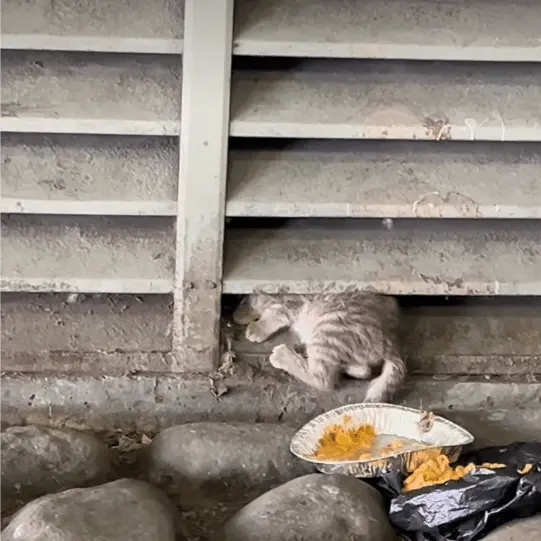
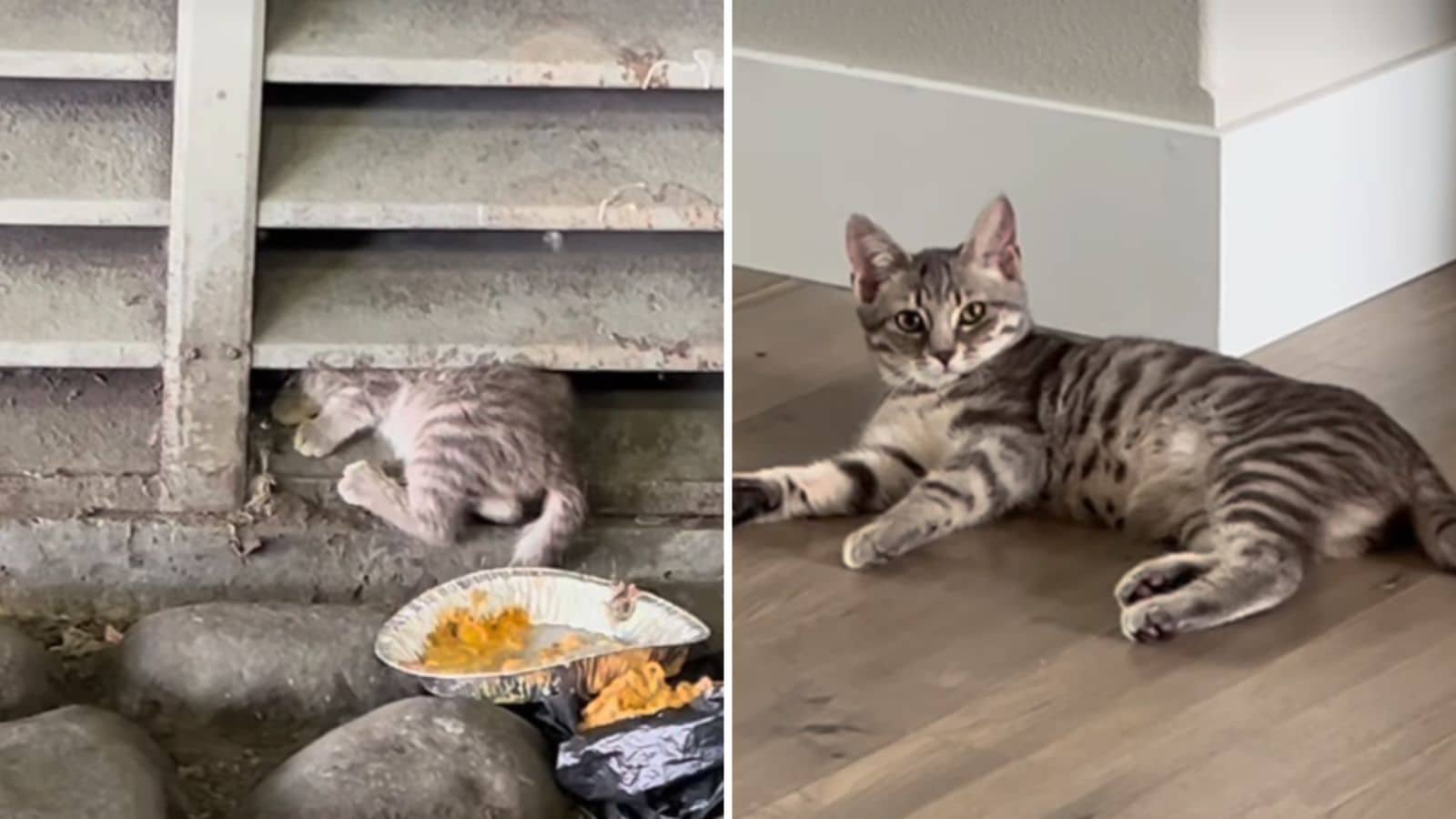
The narrative began in an unnamed urban alleyway where the tiny tabby faced the daily hazards of exposure, predation, and malnutrition. First spotted in a visibly weakened condition—crouched near a pile of discarded human food scraps that offered little in the way of essential feline nutrition—the kitten was manifestly unequipped to survive independently.
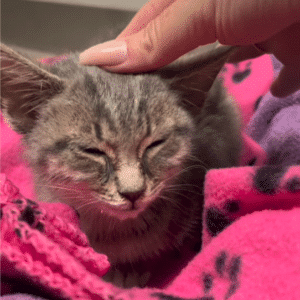
Rather than turning away, a passing Good Samaritan paused to assess the situation. The initial interaction was delicate; recognizing the kitten’s timidity and physical frailty, the rescuer reached out slowly to stroke the matted, dusty fur. This brief moment of physical contact served as a bridge between two worlds. Sensing safety rather than threat, the kitten did not flee.
Swiftly securing the animal, the rescuer placed the fragile tabby inside a temporary transport box, removing it from the harsh environment of the pavement. This pivotal act of extraction marked the cessation of the kitten’s struggle for street survival and initiated the stabilization protocol.
Phase Two: The Transition to Indoor Sanctuary
Upon arriving at a safe indoor location, the immediate priorities shifted to thermal regulation, hydration, and gentle acclimation. The transition from the unpredictable chaos of the outdoors to the predictable calm of an indoor sanctuary is a critical window for neonatal and juvenile rescues.
The kitten was settled onto a soft, warm fleece blanket—a stark contrast to the cold, unforgiving concrete of its former reality. The footage captured by the rescuers highlights the immediate behavioral response: an initial wariness that quickly gave way to physical relaxation as the kitten realized it was no longer under threat. In this controlled environment, the basics of survival—fresh water, species-appropriate nutrition, and a secure resting place—were established. The human presence, previously an unknown variable, was redefined as a source of comfort through gentle petting and soothing vocalizations.
Phase Three: The Four-Week Physiological and Behavioral Metamorphosis
Over the ensuing 28 days, the kitten’s development was meticulously recorded, providing a rare longitudinal view of feline rehabilitation.
- Nutritional Recovery and Weight Gain: In the initial days, the kitten’s emaciated frame and dull coat bore the hallmarks of chronic nutritional deficit. Through a regimen of frequent, high-calorie meals tailored for developing felines, metabolic deficits were systematically corrected. By week four, visible gains in muscle mass, bone density, and fat distribution were apparent. The angular lines of starvation softened into the rounded, energetic contours characteristic of a healthy juvenile cat.
- Dermatological and Coat Health: The accumulation of grime and the lackluster appearance of the tabby’s fur gave way to a vibrant, sleek coat. Regular grooming and proper nutrition reactivated the natural oils in the skin, restoring the distinctive striping and coloration of the tabby pattern.
- Behavioral Evolution: Perhaps the most striking element of the four-week milestone was the behavioral shift. Early footage displayed a guarded, defensive posture. By the conclusion of the first month, the kitten exhibited classic signs of feline contentment: rolling onto its back for uninhibited belly rubs, stretching out fully across furniture or laps, and moving through the living space with fluid confidence. The fearful street kitten had been replaced by a secure, playful domestic companion.
Supporting Context & Metrics: The Digital Wave and Public Response
The documentation of the kitten’s recovery was not merely a private victory for the rescue team; it became a global digital phenomenon. Distributed via the Instagram platform, the visual narrative struck a resonant chord with internet users, triggering metrics that underscore the universal appeal of animal rescue stories.
Viral Metrics and Engagement
At the time of initial reporting by industry outlets such as CatTime, the primary transformation reel posted by @aurorafeline.rescue achieved staggering engagement:
- Views: Surpassing the milestone of 1,000,000 unique video views within weeks of publication.
- Likes: Accumulating in excess of 165,000 direct endorsements from the online community.
- Commentary: Generating thousands of interactive responses ranging from expressions of profound relief to analytical observations regarding the visible physiological changes in the animal.
The Psychology of Rescue Narratives
Media analysts studying the virality of animal rescue videos point to a specific psychological mechanism at play. Content that showcases a clear narrative arc—from profound adversity to flourishing safety—provides viewers with an emotional catharsis.
The central caption utilized by the rescue account—"To be loved is to be changed"—encapsulated this sentiment, transforming the specific medical recovery of a tabby kitten into a universal metaphor for empathy. The quantifiable metrics (views, shares, likes) serve as a proxy for a broader cultural appetite for stories of redemption, stewardship, and healing.
Official Statements & Community Perspectives
While formal institutional press releases are rarely issued for individual kitten rescues, the ethos of the operation is clearly articulated through the messaging of the rescue collective and the collective voice of the public commentary.
Perspectives from Animal Welfare Advocates
Representatives from grassroots feline rescue networks emphasize that cases like this tabby kitten are emblematic of a much larger, systemic issue: the proliferation of stray and feral cat populations in urban environments.
A spokesperson for community-focused rescue initiatives noted:
"Every visible rescue video represents hundreds of animals facing similar conditions out of sight. The transformation you see in four weeks is not just the result of food and shelter; it is the undoing of trauma. When you change an animal’s environment from hostile to nurturing, their biology responds in kind."
Public Reception and Community Commentary
The comment sections of the viral posts functioned as a decentralized forum for animal lovers worldwide. Key themes emerging from the discourse included:
- Gratitude for Intervention: Many users expressed profound thanks to the rescuer for choosing to intervene rather than pass by the vulnerable animal.
- Before-and-After Analysis: Community members frequently noted the specific anatomical improvements—such as the brightening of the eyes, the straightening of the posture, and the relaxation of facial muscles—as undeniable proof of the efficacy of proper care.
- Advocacy for Adoption: A substantial portion of the commentary focused on the importance of local sheltering, trap-neuter-return (TNR) programs, and the adoption of rescue animals over purchasing from breeders.
Future Outlook: The Ongoing Mission of Feline Rehabilitation
As the chapter on this particular four-week rehabilitation draws to a close, the broader implications for the kitten and the rescue organization point toward a sustainable model of animal welfare.
Status of the Kitten
While the published rescue logs and video reels do not definitively confirm whether the tiny tabby has secured a permanent, lifelong adoption placement, the foundational work is complete. The kitten has successfully transitioned from an unviable street existence to a socialized, healthy juvenile state. In the standard workflow of organizations like @aurorafeline.rescue, such a successful rehabilitation primes the animal for immediate placement in a vetted, permanent adoptive home.
The Broader Impact on Rescue Culture
The visibility achieved by this single case study has tangible benefits for the rescue community at large:
- Resource Generation: High-engagement posts frequently translate into increased donations, volunteer inquiries, and material support (such as food and medical supplies) for grassroots organizations.
- Educational Outreach: By visually demonstrating the difference that four weeks of attentive care can make, the content educates the public on the resilience of animals and the direct impact of humane treatment.
- Incentivizing Intervention: Stories of successful rehabilitation encourage everyday citizens to take active roles in local animal welfare, reinforcing the message that individual actions matter in the face of widespread systemic neglect.
Ultimately, the journey of the tiny tabby from a meal of street scraps to the comfort of an indoor blanket stands as a testament to the enduring impact of empathy. It reminds us that while the challenges facing stray animals are vast, the solutions are often grounded in simple, deliberate acts of care.