Cats have long held a dual reputation in human culture, straddling the line between cherished domestic companions and enigmatic creatures of the occult. From their glowing eyes in the dead of night to sudden, inexplicable sprints down darkened hallways, felines possess an uncanny knack for making ordinary domestic moments feel thoroughly supernatural. Yet, far from being possessed by spirits or haunted by invisible specters, a cat’s most mysterious behaviors are deeply rooted in evolutionary biology, highly specialized sensory adaptations, and ancient predatory instincts.
As modern ethology and veterinary science continue to peel back the layers of feline psychology, pet owners are learning that what appears to be ghostly activity is actually a masterclass in biological engineering. Whether they are tracking ultrasonic frequencies imperceptible to human ears, utilizing specialized light-reflecting eye structures, or performing rhythmic kneading rituals passed down from kittenhood, cats interact with a sensory world far richer and more complex than our own. This investigative report explores the scientific explanations behind the "spooky" side of cats, examining how their unique physiology shapes their daily interactions—and why this enigmatic charm remains their most enduring trait.
Detailed Chronology: The Evolution of Feline Mystique and Domestic Coexistence
To understand why modern house cats exhibit such otherworldly behaviors, one must trace their evolutionary trajectory from wild desert hunters to the apex couch-dwellers of contemporary households.
Thousands of years ago, the ancestor of the modern domestic cat (Felis catus), the African wildcat (Felis lybica), roamed arid landscapes primarily as a nocturnal and crepuscular predator. In the dim light of dawn and dusk, survival depended entirely on stealth, acute hearing, and superior low-light vision. When these solitary hunters naturally gravitated toward early human agricultural settlements—attracted by the rodent populations thriving near grain stores—they brought their nocturnal adaptations with them.
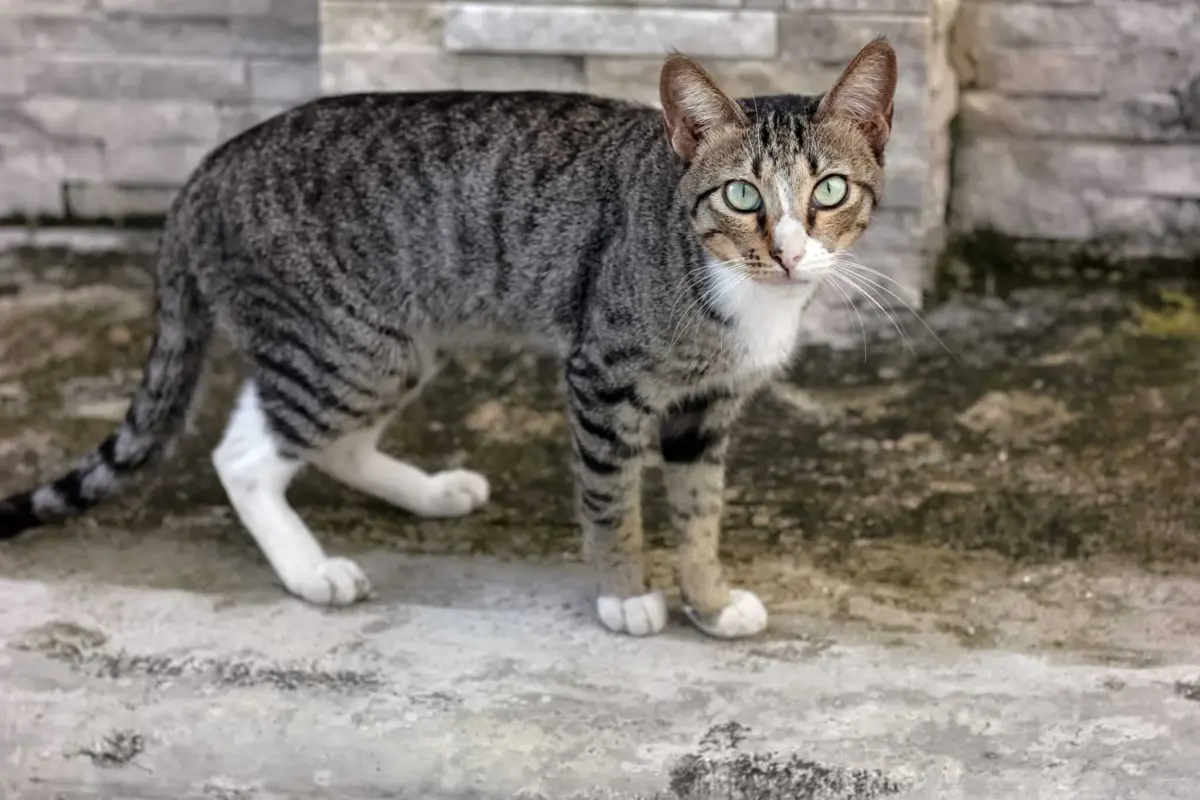
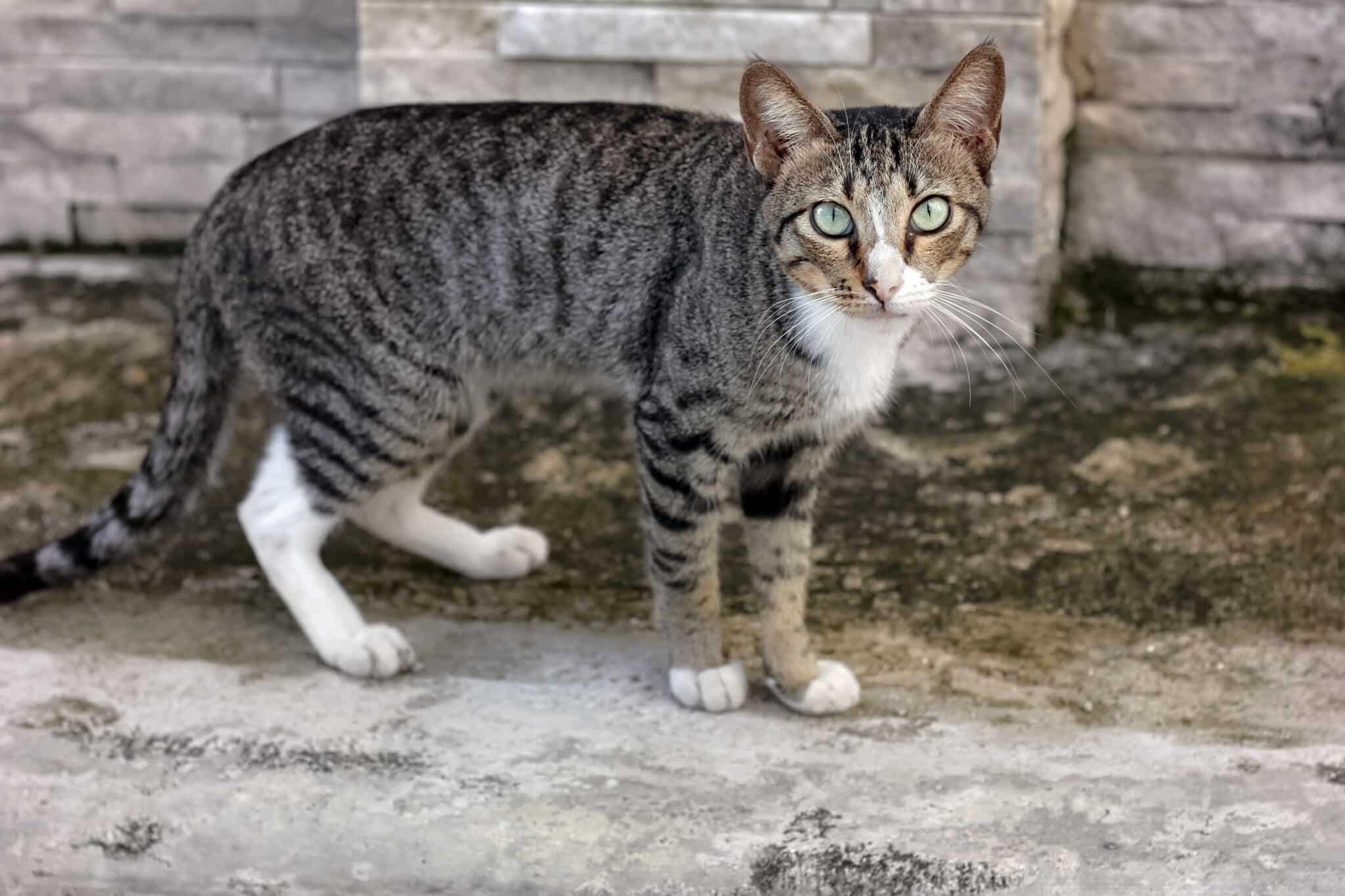
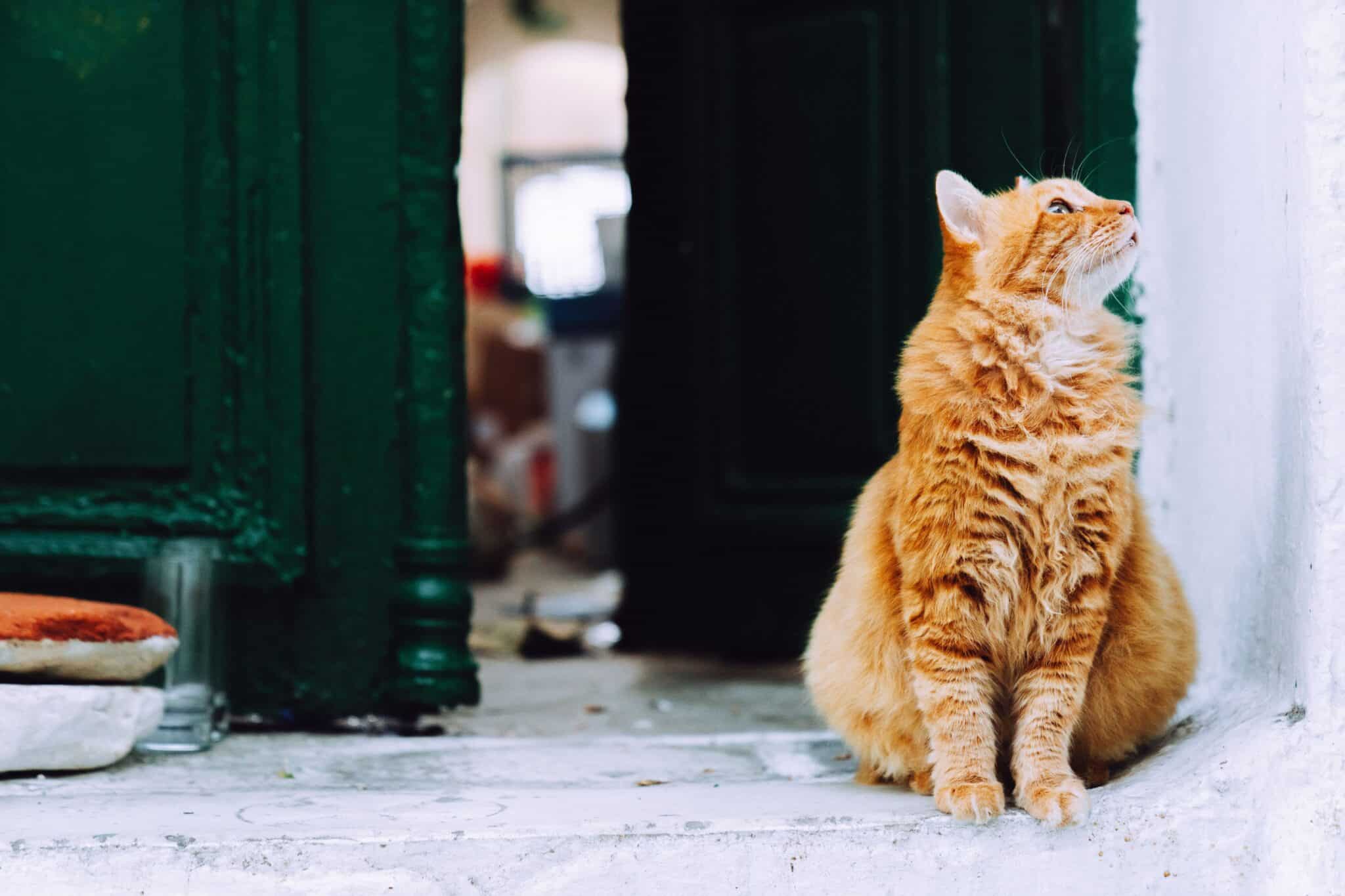
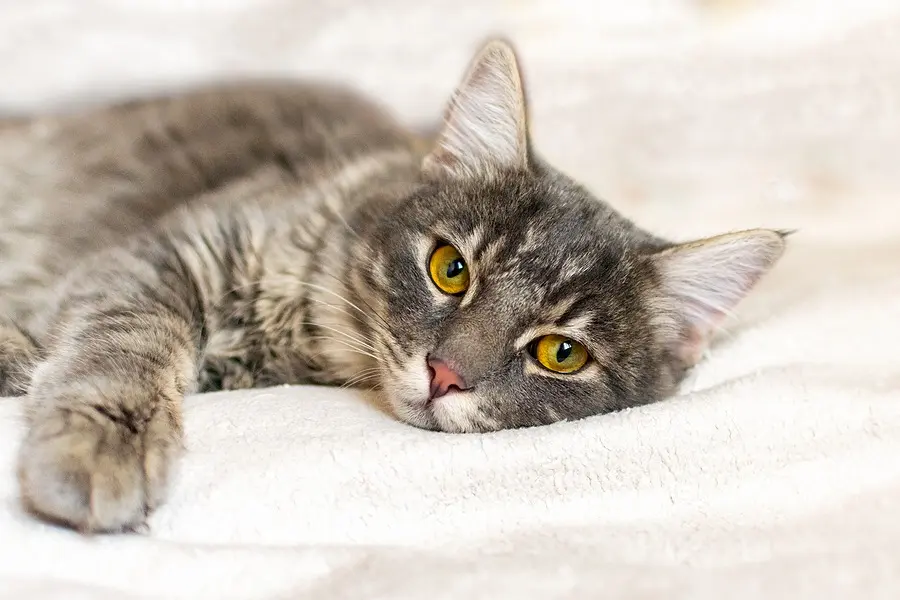
As humans and cats forged a mutualistic relationship, the core instincts of the wildcat remained largely unaltered by domestication. While dogs underwent significant genetic selection for social compliance and pack hierarchies, cats retained the independent, hyper-attuned survival mechanics of ambush predators. Consequently, a modern tabby cat sleeping peacefully on a living room sofa possesses the exact same neurological hardware and sensory apparatus as its desert-dwelling forebears. When a domestic cat races through a quiet home at midnight or stares fixedly at an empty corner, it is executing a multi-million-year-old evolutionary programming designed for nocturnal survival—a chronology of adaptation that continues to play out in our living rooms every single day.
Supporting Context & Metrics: The Anatomy of Feline Perception
The illusion of the supernatural largely stems from the stark differences between human and feline sensory capacities. While humans rely primarily on sight and secondarily on hearing, cats operate in a multidimensional sensory landscape defined by specialized anatomical structures.
The Tapetum Lucidum and Night Vision
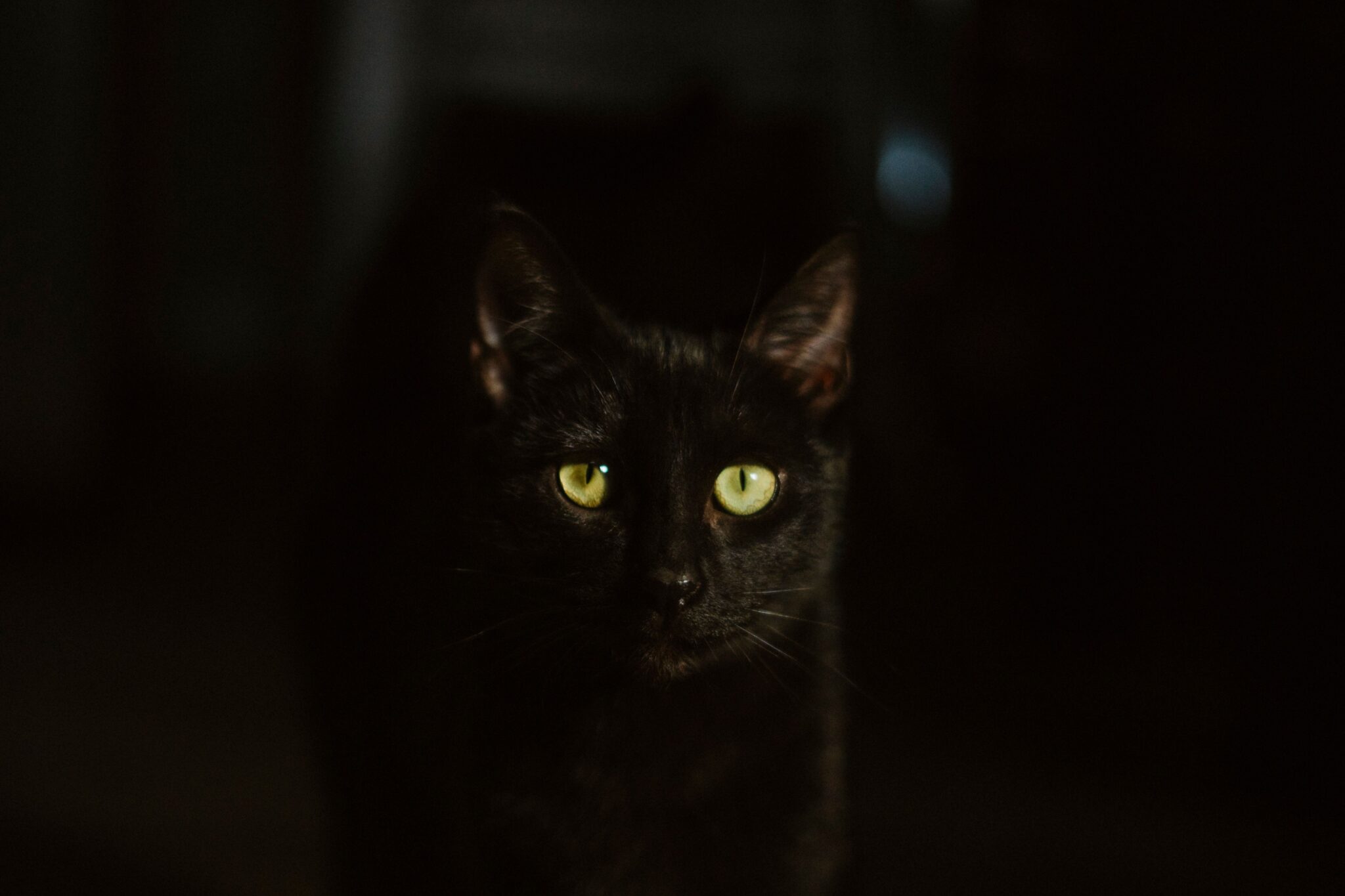
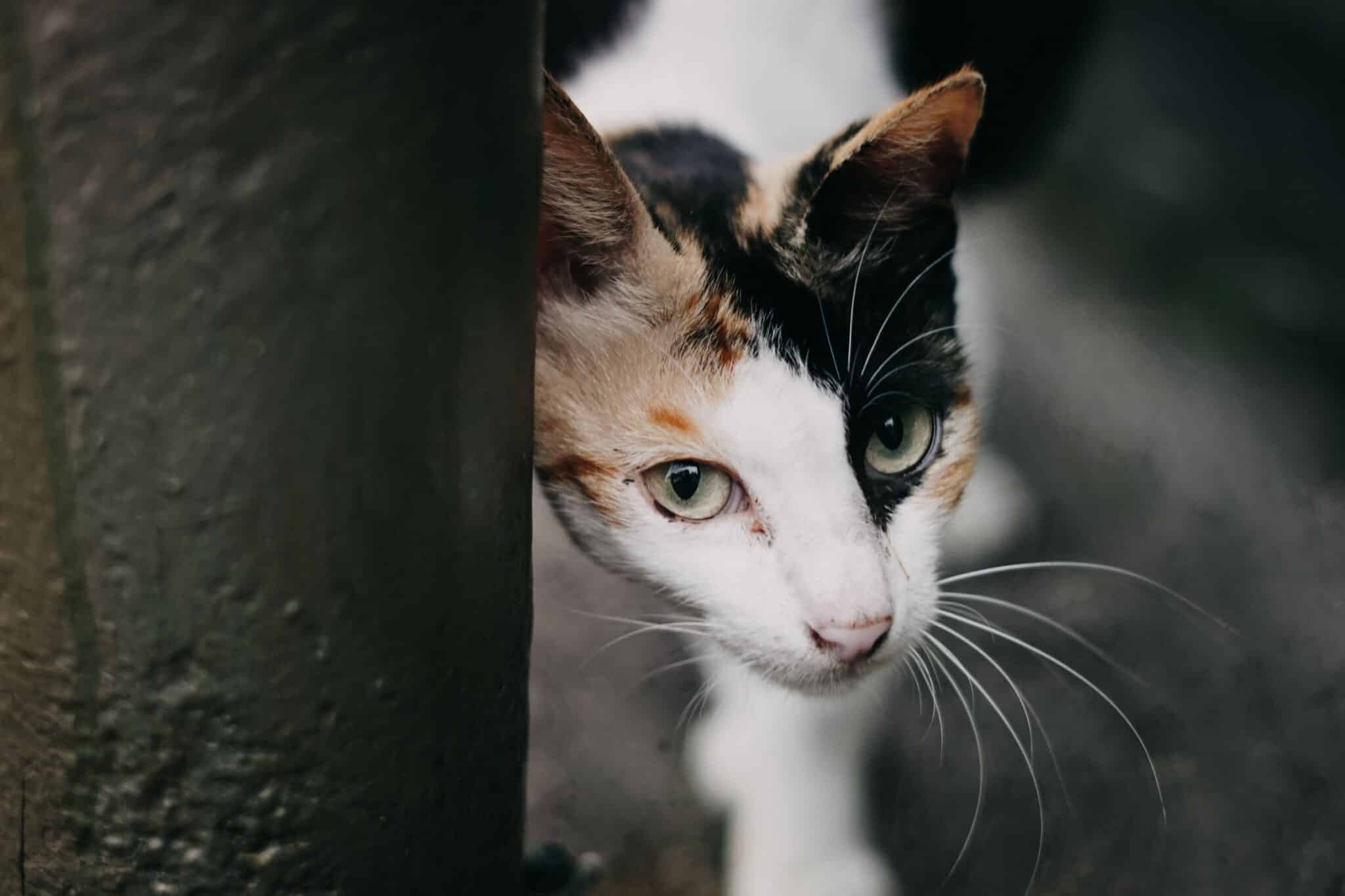
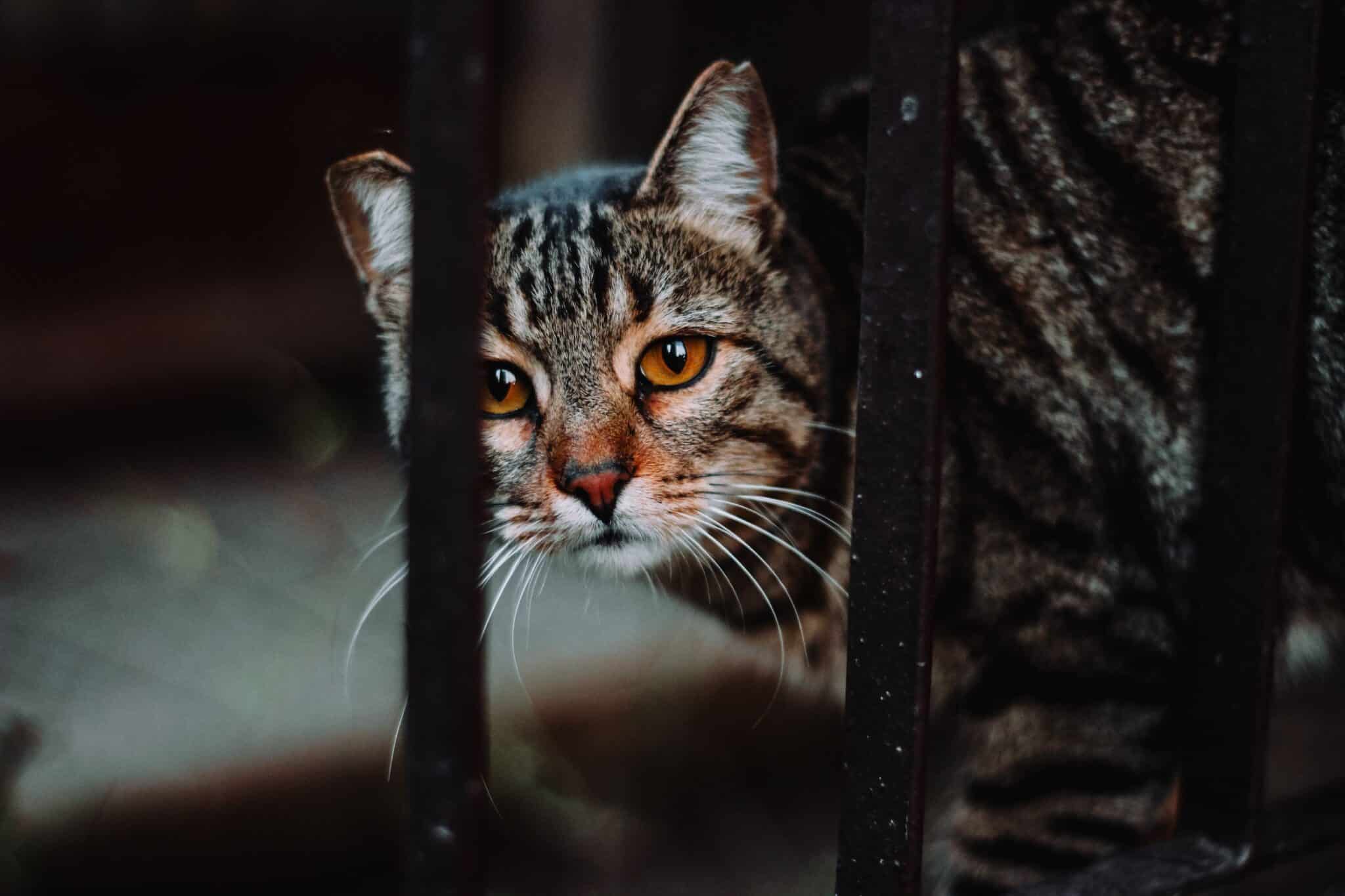
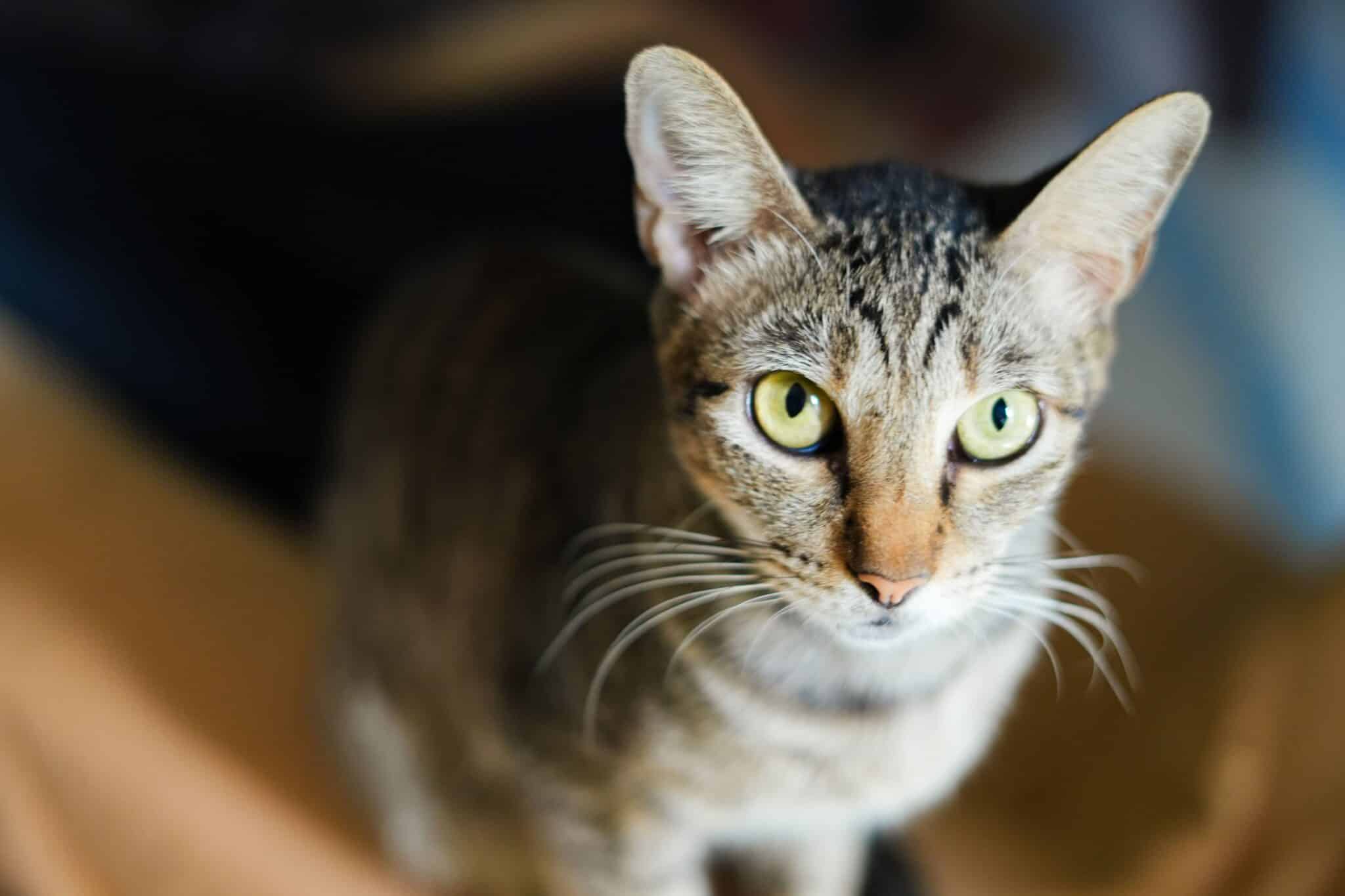
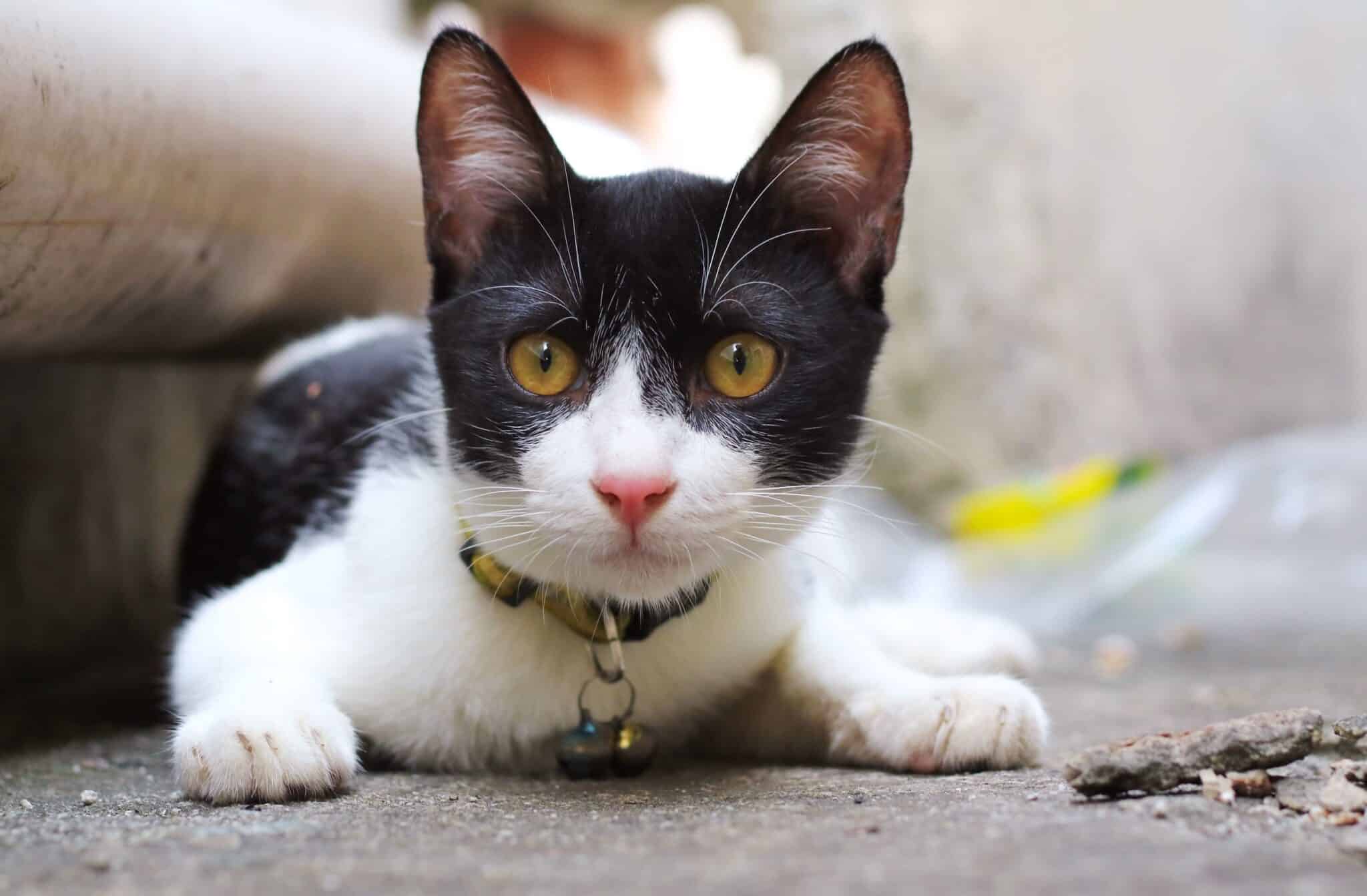
A cat’s eyes do not possess true night vision—they still require ambient light to see—but they make extraordinarily efficient use of whatever light is available. Behind the feline retina lies a reflective layer of tissue known as the tapetum lucidum. Acting much like a microscopic mirror, this layer bounces light that passes through the retina back out through the photoreceptor cells, giving the visual system a second chance to absorb photons. When light strikes a cat’s eyes in a dim room, it reflects off the tapetum lucidum, creating the eerie, glowing "eyeshine" that has inspired countless ghost stories.
Stealth Mechanics and Soft Paws
The ability of a cat to materialize silently beside a human owner is a marvel of biomechanics. Feline paws are equipped with thick, resilient digital pads that act as natural shock absorbers. Furthermore, cats are digitigrade walkers, meaning they walk on their toes rather than the soles of their feet, which further reduces impact noise. Coupled with retractable claws that remain elevated off the ground during normal ambulation, a cat can traverse hardwood floors and carpets with near-absolute acoustic stealth.
Ultrasonic Hearing and Vibrissae (Whiskers)
Feline ears function as highly directional acoustic dishes, capable of rotating nearly 180 degrees to pinpoint the exact origin of a sound. Cats can detect high-frequency ultrasonic sounds up to 64,000 Hz, far exceeding the human hearing limit of approximately 20,000 Hz. This allows them to hear the faint scurrying of rodents behind drywall or the high-pitched electrical hum of household appliances.
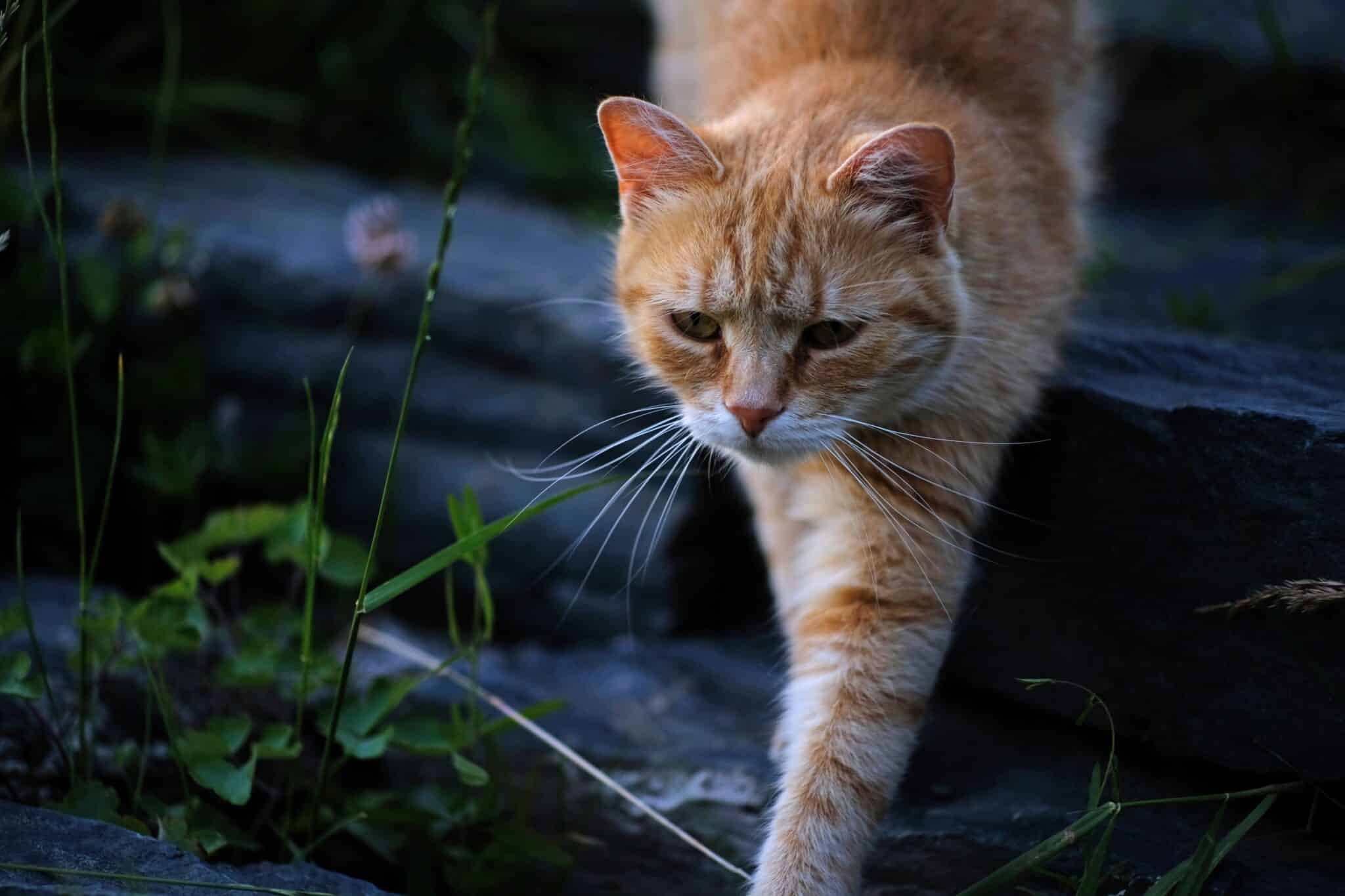
Complementing their hearing are their vibrissae, or whiskers. Far more than mere facial decorations, whiskers are deeply embedded mechanoreceptors rooted in areas dense with nerve endings. They act as spatial barometers, detecting minute shifts in air currents and helping cats navigate absolute darkness by sensing objects before physical contact is made.
Behavioral Breakdown: Decoding the "Spooky" Habits
To fully appreciate the science of feline behavior, veterinary researchers break down common household occurrences into distinct physiological and psychological categories.
1. The Midnight Zoomies
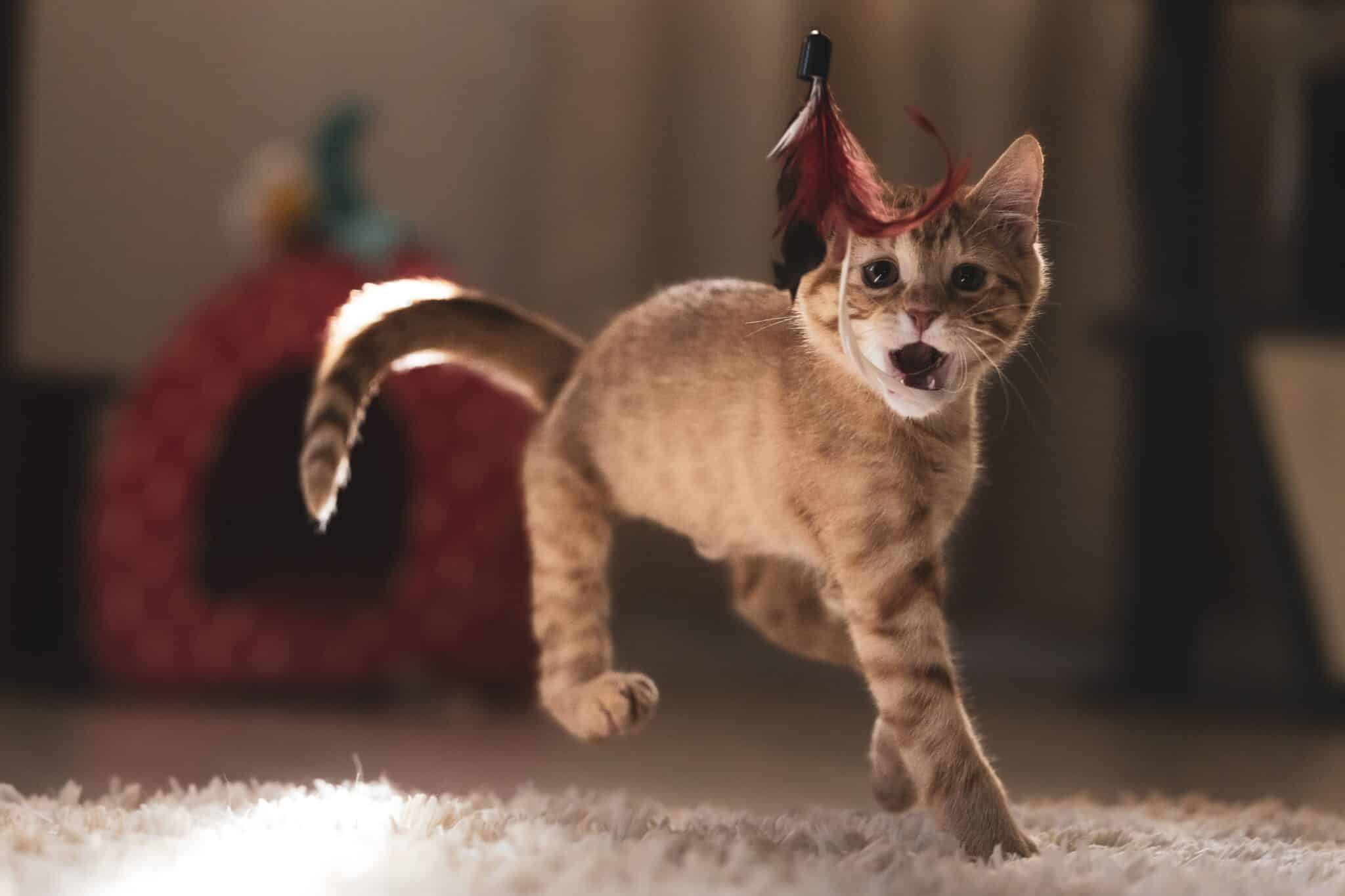
Often dismissed as a bout of midnight "crazies" or ghostly possession, hyperactive nocturnal sprints—formally known as Frenetic Random Activity Periods (FRAPs)—serve a vital physiological purpose. Indoor cats frequently accumulate excess energy due to a lack of active prey-chasing opportunities. These sudden bursts of speed allow them to release pent-up adrenaline, stretch their muscles, and simulate the explosive hunting maneuvers hardwired into their DNA.
2. Staring at Empty Corners
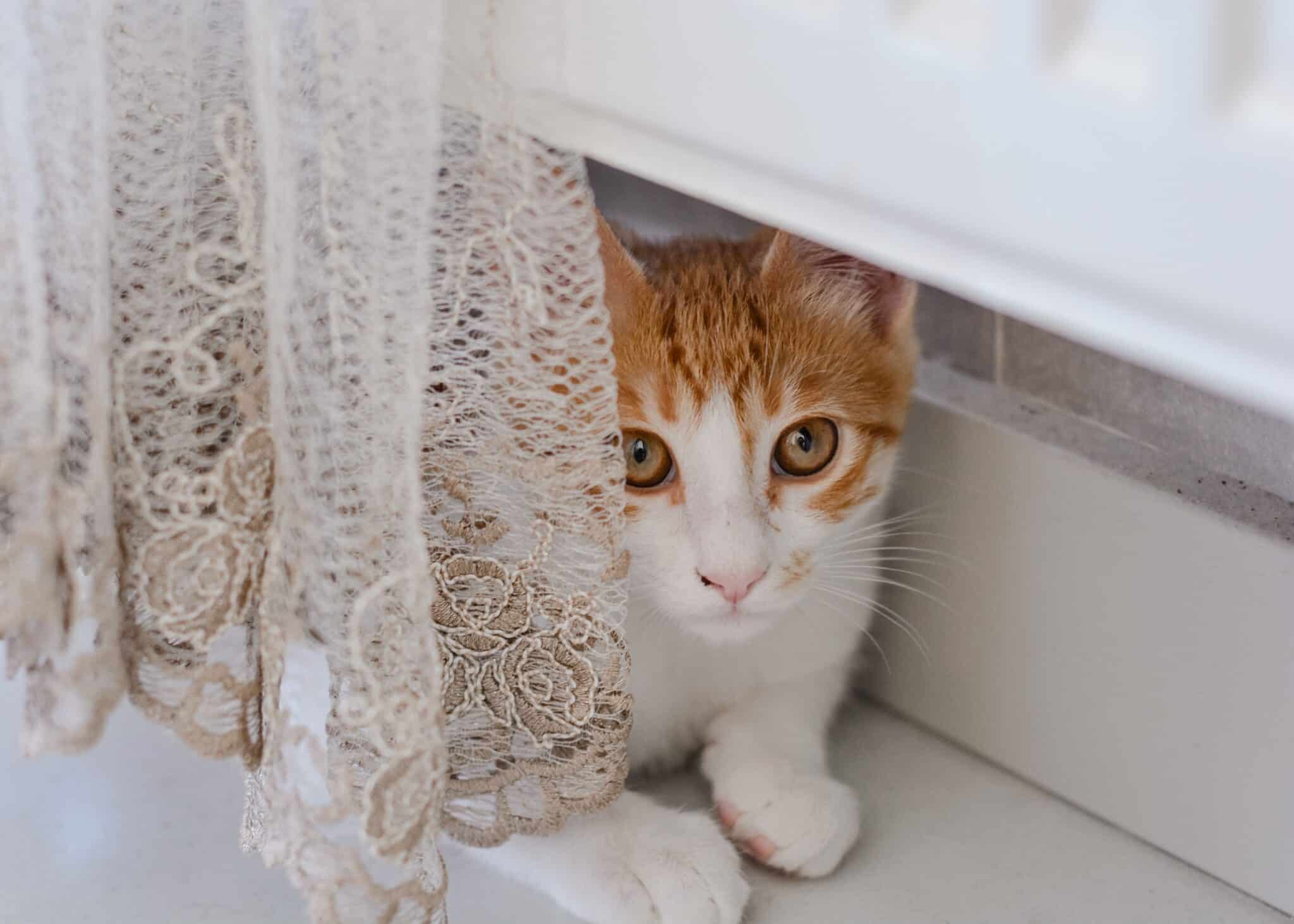
When a cat fixes its gaze on a blank wall with unyielding concentration, owners often worry about invisible entities. In reality, the cat’s superior sensory array has likely detected a microscopic insect, a shifting shadow cast by passing headlights outside, or a structural vibration traveling through the wall studs. Because a cat’s attention is infinitely more sensitive to micro-movements, what appears to be an empty corner to a human is an active sensory theater to a feline.
3. Mysterious Vocalizations and Nighttime Chirps
Cats possess a remarkably diverse vocal repertoire, ranging from standard purrs and meows to chatty chirps, trills, and guttural yowls. While daytime vocalizations usually signal hunger or a desire for interaction, nighttime calling can be driven by a continuation of hunting frustration, boredom, or, in older cats, cognitive dysfunction syndrome (feline dementia). Veterinary specialists advise monitoring any sudden changes in vocal patterns, as they can sometimes indicate underlying medical discomfort or sensory decline.
4. Kneading and Ritualistic Paving
The rhythmic pushing of paws against soft blankets or human laps—often called "making biscuits"—is a vestigial behavior rooted in kittenhood. Nursing kittens knead their mother’s mammary glands to stimulate milk flow. Adult cats retain this behavior as a self-soothing mechanism associated with supreme comfort and security. Because cats possess scent glands within their paw pads, the action also serves as a subtle territorial marking method, cementing their bond with their environment and their human companions.
Official Statements and Veterinary Insights
Animal behaviorists and veterinary professionals emphasize that demystifying feline actions is essential for proper animal welfare. Misinterpreting normal biological traits as behavioral problems can lead to unnecessary stress for both pets and owners.
"When owners view their cat’s behavior through a supernatural lens, they often miss the very real physiological messages being communicated," notes Dr. Elena Vance, a leading feline ethologist. "A cat staring at a wall isn’t seeing a ghost; it’s listening to the plumbing or tracking a dust mote in a sunbeam. Understanding their sensory superiority allows us to provide better environmental enrichment and validate their natural instincts."
Veterinary associations routinely recommend structured play sessions—utilizing wand toys, puzzle feeders, and interactive hunting simulations—to channel nocturnal energy into daytime hours, thereby reducing disruptive midnight behavior and reinforcing the human-animal bond.
Future Outlook: The Intersection of Feline Science and Technology
As research into domestic animal behavior accelerates, the future promises an even deeper understanding of how felines perceive the world. Emerging studies in animal neurology are utilizing advanced brain-imaging techniques to map how domestic cats process auditory and visual stimuli compared to their wild ancestors.
Furthermore, advancements in smart-home technology and pet monitoring are allowing researchers to track feline activity metrics over extended periods, offering unprecedented insights into circadian rhythms, stress indicators, and early markers of cognitive aging. By bridging the gap between ancient evolutionary biology and modern scientific inquiry, we continue to demystify our feline companions—proving that while cats may forever maintain their air of mysterious elegance, their secrets are grounded in the breathtaking brilliance of nature itself.