
August 11, 2026 — Originally featured in the Alley Cat Action® 2026 Summer Newsletter.
Executive Overview
The landscape of American animal welfare is experiencing a profound and encouraging shift. Across the nation, outdated, punitive, and lethal policies targeting community cats are steadily being replaced by progressive, science-based frameworks that prioritize compassion, public health, and community coexistence. A series of recent legislative victories—highlighted in the Summer 2026 edition of Alley Cat Action—underscore a growing national consensus: Trap-Neover-Return (TNR) and legal protections for outdoor cats are not only humane, but they are also the most effective tools available for managing community cat populations.
From the industrial Midwest to the rolling hills of Western Pennsylvania and the plains of Montana, grassroots advocacy, expert policy consultation, and public mobilization are reshaping how municipalities interact with outdoor cats. In Lakewood, Ohio, a successful pilot program has blossomed into a permanent, robust TNR ordinance that safeguards both felines and their caretakers. Meanwhile, in Leetsdale, Pennsylvania, proactive municipal leadership led to the dismantling of an archaic "at-large" restriction that put outdoor cats at constant risk of impoundment. Perhaps most dramatically, in Hardin, Montana, swift intervention by animal advocates successfully derailed a local government proposal to establish a cruel carbon dioxide ($textCO_2$) gas chamber for feline euthanasia.
These victories did not happen in a vacuum. They are the result of tireless efforts by organizations like Alley Cat Allies, local policymakers, dedicated caregivers, and passionate citizens who refuse to accept cruelty as a standard operating procedure. This report provides a detailed examination of these three pivotal developments, exploring the legal mechanisms, community impacts, and broader implications of these modern animal welfare milestones.
Detailed Chronology: Recent Municipal Victories for Feline Welfare
1. Lakewood, Ohio: From Pilot Program to Permanent Protections
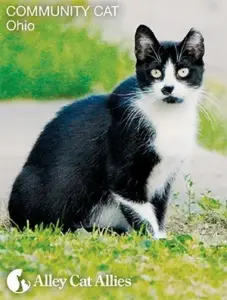
For years, the city of Lakewood, Ohio, operated a pilot Trap-Neuter-Return program designed to test the feasibility and effectiveness of humane population management. TNR—a system in which community cats are humanely trapped, sterilized, vaccinated, ear-tipped for identification, and returned to their outdoor homes—has long been hailed by veterinarians and animal behaviorists as the gold standard for outdoor cat management.
Building upon the undeniable success of the pilot initiative, Lakewood officials took a decisive step this past spring by enacting a comprehensive, permanent ordinance specifically designed to protect TNR, community cats, and the people who care for them. Alley Cat Allies proudly provided specialized expertise and legislative support to help shape the new law, ensuring it aligns with national best practices.
Crucially, the new Lakewood ordinance addresses a long-standing legal gray area that has plagued caregivers nationwide: legal status. Under the updated legislation, explicit language ensures that community cat caregivers are not legally classified as the "owners" of the cats they feed and monitor. Instead, the law rightly recognizes them as good Samaritans. This distinction is vital; it relieves compassionate volunteers from the financial and legal burdens of pet ownership—such as mandatory licensing fees or liability for property damage—while encouraging continued community involvement in keeping neighborhood cat colonies healthy and stable.

2. Leetsdale, Pennsylvania: Eliminating Dangerous "At-Large" Restrictions
In Leetsdale, Pennsylvania, the catalyst for reform came from the very top of local government. When the mayor of Leetsdale sought guidance on how to ethically and effectively manage the borough’s outdoor cat population, she reached out directly to Alley Cat Allies. Recognizing an immediate opportunity to prevent unnecessary animal suffering and municipal expenditure, advocacy teams mobilized to assist the borough in reviewing its existing legal code.
At the time of the inquiry, Leetsdale’s municipal code included broad language that categorized cats within the definition of "at-large" animals. In practical terms, this meant that community cats—who are, by nature, free-roaming and unowned—were legally vulnerable to being trapped and impounded by animal control simply for existing outdoors. For outdoor cats, impoundment in traditional shelters often serves as a death sentence due to high intake numbers and limited resources for feral or unsocialized animals.
Armed with educational resources and legal frameworks provided by animal welfare experts, the Leetsdale administration took swift corrective action. In June, the city successfully amended its ordinance, carving out a specific exemption for cats from the antiquated at-large laws. This amendment effectively decriminalized the outdoor existence of community cats, protecting them from arbitrary impoundment and providing peace of mind to the local residents who look after them.
3. Hardin, Montana: Defeating a Cruel and Illegal $textCO_2$ Gas Chamber Scheme
While Lakewood and Leetsdale represent proactive policy evolution, the situation in Hardin, Montana, serves as a stark reminder of the constant vigilance required to protect vulnerable animals. The conflict began when animal advocates intercepted a disturbing audio recording of a Hardin City Council discussion. During the meeting, council members actively debated the construction and utilization of a carbon dioxide ($textCO_2$) gas chamber—a notoriously cruel, inhumane, and widely condemned method—to systematically kill community cats.
Alley Cat Allies responded immediately, issuing an uncompromising demand that the city halt all plans to implement the lethal apparatus. Understanding that municipal leadership responds most powerfully to the collective voice of the electorate, the organization launched a rapid mobilization campaign, rallying residents across Montana and beyond to flood local government offices with calls, emails, and public commentary condemning the proposal.
The public outcry was swift and overwhelming. Faced with widespread condemnation and the exposure of a scheme that violated modern ethical standards, the Hardin City Council buckled, officially removing the $textCO_2$ gas chamber proposal from consideration. The Hardin case stands as a powerful testament to the impact of public transparency and organized grassroots resistance against inhumane local ordinances.
Supporting Context and Metrics: The Science and Scope of TNR
To fully appreciate the significance of these legislative shifts, one must examine the broader data surrounding community cat management and the failure of traditional, catch-and-kill policies.
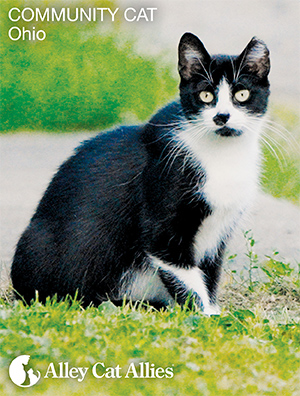
The Failure of Lethal Control and "Catch-and-Remove"
For decades, municipal animal control agencies relied almost exclusively on catch-and-remove policies. Under this model, outdoor cats were rounded up and brought to local shelters. However, because the vast majority of community cats are unsocialized to humans, they are unadoptable through traditional channels. Consequently, historical catch-and-remove programs resulted in extraordinarily high euthanasia rates, consuming vast amounts of municipal taxpayer dollars without achieving any long-term reduction in cat populations.
This phenomenon is driven by what biologists call the "vacuum effect." When cats are removed from a specific territory, remaining or neighboring cats quickly migrate into the vacant area to exploit available food sources, reproducing rapidly and re-establishing the population to its original capacity in a very short time.
The Mathematical and Biological Success of TNR
Trap-Neuter-Return fundamentally alters this dynamic. By sterilizing the cats, TNR halts reproduction immediately. Furthermore, because sterilized cats retain their territory and defend it against newcomers, the local population stabilizes and gradually declines through natural attrition.
- Population Reduction: Numerous longitudinal studies demonstrate that mature TNR programs can reduce community cat populations by 30% to 50% within the first few years of implementation, eventually achieving stable, low-density colonies.
- Behavioral Improvements: Spaying and neutering drastically reduces nuisance behaviors associated with unsterilized cats, such as yowling, roaming, fighting, and urine spraying. Male cats cease roaming widely in search of mates, and female cats no longer endure the physical toll of continuous pregnancy cycles.
- Cost-Effectiveness: TNR is significantly less expensive for municipalities than ongoing animal control sweeps, impoundment, and euthanasia cycles, freeing up valuable municipal resources for other community priorities.
Official Statements and Stakeholder Perspectives
The momentum behind these legislative victories reflects a broader evolution in professional animal welfare philosophy.
Alley Cat Allies leadership has consistently emphasized that humane laws are a reflection of community values. "When cities like Lakewood and Leetsdale choose to protect community cats, they are not just changing text in a rulebook; they are building a more compassionate society," representatives note. "Caretakers are good Samaritans who provide an essential public service, and the law should support their dedication rather than penalize them."
Legal experts and municipal leaders involved in these reforms point out that updating outdated ordinances is a vital step in modernizing local government. By removing archaic definitions—such as applying leash laws or at-large restrictions to free-roaming felines—municipalities avoid legal liabilities and foster cooperative relationships with animal welfare organizations.
Public health officials have also endorsed the vaccination components inherent in TNR ordinances. By ensuring that community cats are vaccinated against rabies during their sterilization surgery, TNR programs provide a critical public health firewall, safeguarding both human and animal populations across the community.

Future Outlook: The Path Forward for Feline Advocacy
As we look toward the remainder of 2026 and beyond, the successes in Lakewood, Ohio; Leetsdale, Pennsylvania; and Hardin, Montana, serve as both a blueprint and an inspiration for communities nationwide. They prove that education can overturn ignorance, that collaboration can replace conflict, and that compassionate public policy is entirely achievable.
However, the battle for animal welfare is continuous. Thousands of municipalities across the United States still maintain outdated, lethal, or counterproductive ordinances regarding outdoor cats. The alarming events in Hardin, Montana, demonstrate that archaic and inhumane practices can still emerge when local governments lack proper guidance or face isolated population pressures.
The imperative for the animal welfare community moving forward is clear:
- Proactive Engagement: Advocates must continue to reach out to municipal leaders before crises occur, offering expert policy templates and educational resources regarding TNR.
- Public Empowerment: Citizens must remain vigilant, monitoring local government agendas and council meetings to intercept harmful proposals—such as gas chambers or increased impoundment mandates—before they gain traction.
- Legal Modernization: Efforts must persist to update state and local laws, legally distinguishing community cat caregivers from pet owners and explicitly legalizing Trap-Neuter-Return as a preferred municipal management strategy.
The achievements highlighted in the Alley Cat Action 2026 Summer Newsletter prove that when communities unite under the banner of compassion and science, remarkable progress is possible. Every ordinance amended, every gas chamber defeated, and every TNR program officially codified brings us closer to a world where every cat is valued, protected, and respected.