In an era where social media frequently amplifies superficial trends, the internet occasionally serves a higher, more profound purpose: uniting communities around stories of profound resilience, empathy, and transformation. Such is the extraordinary narrative of Tiki, a canine whose journey from a deeply traumatized, shut-down shelter dog to a viral symbol of courage captured the collective imagination of millions.
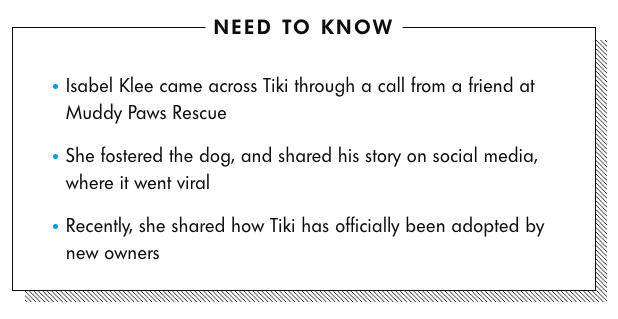
Recently featured prominently in People Magazine, Tiki’s story transcends the typical heartwarming pet rescue tale. It serves as a masterclass in modern foster care, patient behavioral rehabilitation, and the power of digital advocacy. Guided by dedicated foster parent Isabel—widely recognized across digital platforms through her handle @simonsits—Tiki transitioned from hiding in the shadows of fear to finding a permanent, loving home. This comprehensive report explores the chronology of Tiki’s remarkable rehabilitation, examines the evolving landscape of animal rescue in the digital age, and highlights innovative shelter programs that continue to give vulnerable animals a second chance at life.
Detailed Chronology: From the Shadows to the Spotlight
The Early Days: Paralysis by Fear
When Tiki first entered the foster system, he was the quintessential "shut-down" dog. Canine behavioral experts define the shut-down state as a severe stress response where an animal completely suppresses its behavioral responses to trauma and overwhelming stimuli. Instead of fighting or fleeing, Tiki froze. He cowered in corners, avoided eye contact, and displayed an acute, debilitating fear of human interaction and the bustling environment of modern life.
For many dogs exhibiting this extreme level of trauma, the outlook in traditional high-volume shelters can be grim. Shut-down dogs are frequently mislabeled as aggressive, unadoptable, or hopelessly antisocial, leading to heartbreaking outcomes. However, Tiki’s trajectory shifted dramatically when he was placed into the care of experienced foster parent Isabel.
The Foster Phase: Patience, Space, and Trust
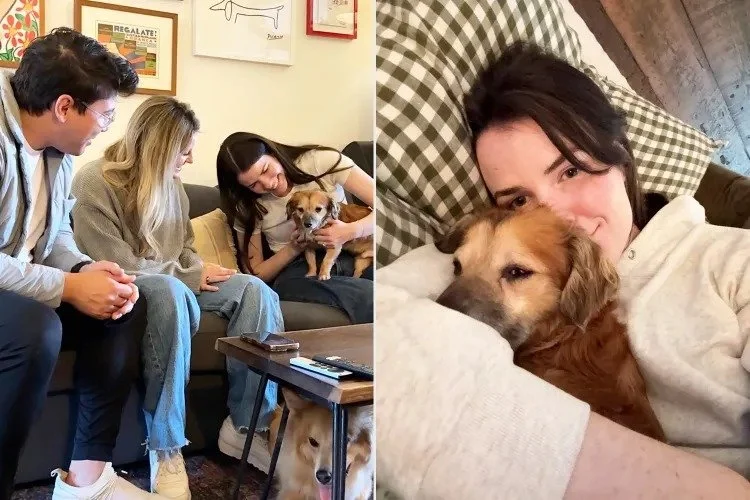
Rehabilitating a profoundly fearful dog requires an uncommon degree of emotional intelligence, consistency, and patience—qualities that Isabel demonstrated in abundance. Rather than forcing affection upon a terrified animal, Isabel utilized a "decompression-first" methodology. Tiki was given a safe, quiet space where he could observe his new surroundings without pressure, coercion, or expectations.
Through small, measured steps—hand-feeding, quiet presence, and allowing Tiki to dictate the pace of his own socialization—slow but remarkable progress began to unfold. Isabel documented these tender, often painstaking milestones on TikTok (@simonsits), offering her growing audience an unfiltered look at the realities of animal fostering.
Going Viral: A Message of Bravery for the World
What began as a personal digital journal of Tiki’s rehabilitation quickly evolved into a cultural phenomenon. Viewers across the globe found themselves deeply invested in Tiki’s daily micro-victories: the first time he wagged his tail, the moment he initiated physical contact, and his tentative first steps outside.
Tiki became more than just a foster dog; he became an accidental ambassador for anyone grappling with their own invisible anxieties and fears. His journey resonated so deeply because his struggles were profoundly human. When Tiki learned to be brave in the face of a terrifying world, millions of internet users felt encouraged to do the same. This widespread digital mobilization ultimately culminated in a landmark feature in People Magazine, cementing Tiki’s status as a beacon of hope and driving a massive wave of qualified adoption inquiries.
Supporting Context & Metrics: The Modern Animal Rescue Landscape
Tiki’s viral success highlights a broader, paradigm-shifting transformation in how animal rescue organizations operate, market adoptable pets, and combat systemic challenges within the animal welfare sector.
The Power of Digital Storytelling in Animal Welfare
Historically, shelter marketing relied on static headshots and brief, clinical personality descriptions posted on physical bulletin boards or basic shelter websites. Today, platforms like TikTok, Instagram Reels, and YouTube Shorts have revolutionized pet adoption metrics.
Increased Visibility: Real-time video documentation allows prospective adopters to witness an animal’s authentic personality, behavioral evolution, and quirks long before they ever step foot in a facility.
Demystifying Special Needs: Platforms that showcase the unvarnished realities of fostering—including accidents, behavioral setbacks, and slow progress—effectively educate the public, reducing the rate of impulsive adoptions and subsequent returns.
Global Community Mobilization: As demonstrated by Tiki’s case, geographical barriers dissolve when a story goes viral, attracting adoption candidates from far outside a local municipal radius.
Innovating Beyond Traditional Adoptions
Leading rescue organizations are constantly adapting their operational frameworks to better serve animals with unique behavioral profiles, much like Tiki. Progressive initiatives have emerged to bridge the gap between hesitant adopters and vulnerable shelter populations:
Flex Adoption Programs: Designed specifically for individuals who feel hesitant or "on the fence" about making a permanent commitment, Flex Adoption models provide structured transitional periods. These programs offer prospective pet parents the extended time, guidance, and organizational support needed to make confident, long-term decisions without the immediate pressure of a finalized adoption.
Streamlined Digital Registration: Modernized intake and adoption registration processes have drastically reduced administrative friction, enabling faster, more transparent matching between families and animals.
The De-stigmatization of Breed Labels: Many forward-thinking rescues have begun removing specific breed labels from adoptable dogs altogether. Because visual identification of mixed-breed dogs is notoriously inaccurate—and frequently influenced by damaging breed stereotypes—removing these labels encourages adopters to evaluate dogs based on individual personality and needs rather than arbitrary preconceptions.
Official Statements and Perspectives
Reflecting on the whirlwind journey that brought Tiki from a terrified shelter intake to a nationally recognized symbol of resilience, advocates and animal welfare professionals have emphasized the vital importance of specialized foster care.
"Tiki’s transformation is a testament to what happens when we refuse to write off animals that are simply overwhelmed by the world," notes an affiliated animal rescue spokesperson. "When you give a dog time, patience, and a safe space to decompress, you aren’t just changing their life—you are uncovering a personality that was simply trapped behind a wall of fear."
Isabel, reflecting on her time with Tiki and the overwhelming public response, noted the reciprocal nature of fostering:
"Tiki taught everyone who followed his journey that bravery isn’t the absence of fear; it’s taking that tiny, trembling step forward anyway. He healed his own heart while accidentally healing thousands of others along the way."
Future Outlook: The Legacy of Tiki and the Future of Fostering
As Tiki officially settles into his permanent, loving forever home, the ripples of his viral journey continue to impact the broader animal rescue community. His story serves as a powerful blueprint for future foster campaigns, proving that vulnerability and authenticity are among the most effective advocacy tools available.
Moving forward, animal welfare experts anticipate an increased public investment in foster-to-adopt programs, heightened demand for behavioral education regarding shut-down dogs, and an ongoing reliance on social media creators who use their platforms to champion marginalized shelter pets. Tiki may have started his life hidden away in fear, but his legacy will long endure as a powerful reminder that every animal—no matter how broken they may initially appear—deserves the chance to find their courage, and their home.