
Executive Overview
The United Kingdom’s pioneering agri-tech sector stands at a critical juncture. Renowned for its world-class scientific research, robust academic foundations, and substantial public sector backing, the industry nevertheless faces a persistent structural bottleneck: translating brilliant laboratory innovations into widespread, commercially viable applications on working farms.
According to high-ranking government figures, the root of this stagnation lies not in a lack of ingenuity or funding, but in a paralyzing cultural obsession with "perfect" evidence.
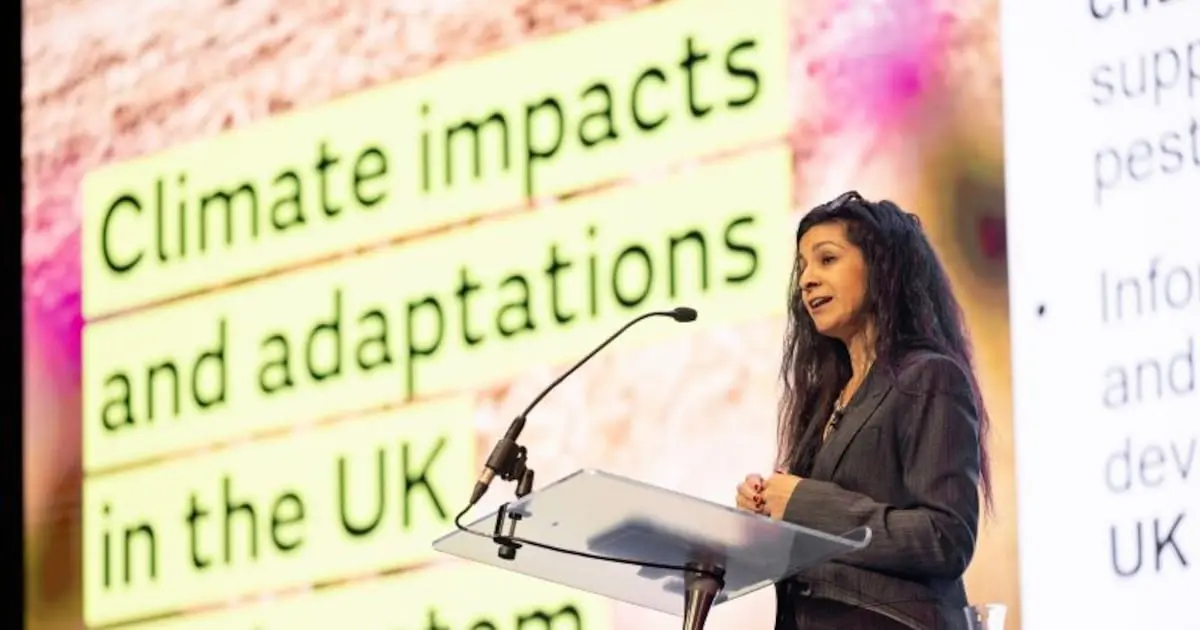
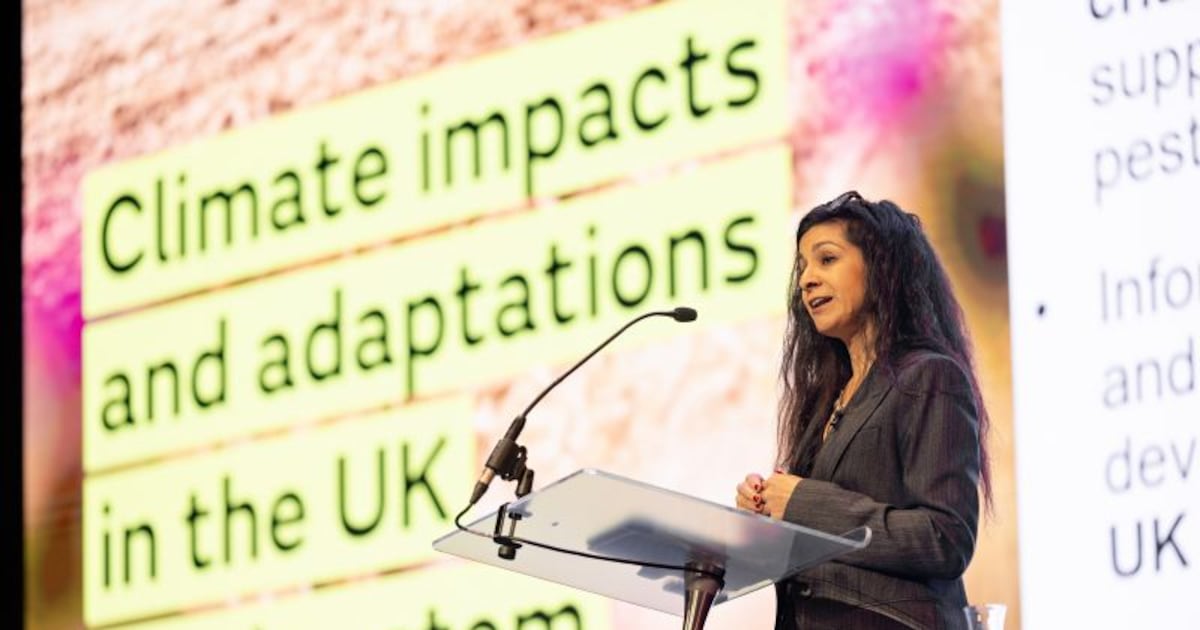
At the flagship 2026 REAP Conference, organized by Agri-TechE, Defra’s Chief Scientific Adviser, Professor Anjali Goswami, issued a stark warning to researchers, investors, and developers alike. She cautioned against "paralysis by perfection"—a phenomenon whereby the demand for exhaustive, airtight trials and endless data collection before a product ever touches a commercial field delays vital agricultural innovations. With climate pressures intensifying, extreme weather events becoming the baseline rather than the exception, and the UK government’s Farming Roadmap placing data-driven technology at the heart of future land-use policy, the agricultural sector can no longer afford to wait for absolute certainty.
This comprehensive report examines the core debates emerging from the 2026 REAP Conference. It unpacks the tension between academic rigor and practical on-farm realities, analyzes the grueling commercial metrics facing early-stage start-ups, and explores new frameworks—ranging from modified terminology inspired by the pharmaceutical sector to enhanced public funding caps like Defra’s ADOPT program—designed to bridge the chasm between research and real-world adoption.
Detailed Chronology & Event Proceedings
The discourse surrounding evidence thresholds and commercialization bottlenecks took center stage across a packed agenda at the 2026 REAP Conference, setting a tone of urgent pragmatism from the opening keynote addresses to the closing panel debates.
Opening Salvos: Balancing Measurement and Action
Opening the conference, Dr. Helen Ferrier, chair of Agri-TechE’s stakeholder group, framed the overarching dilemma facing modern farming: the friction between what can be measured and what actually matters in the field.
"Not everything we can measure is important, and not everything that is important can be measured," Dr. Ferrier told delegates, capturing the sentiment that excessive focus on metric collection can obscure practical utility.
This sentiment served as the springboard for Professor Anjali Goswami’s keynote. Expanding on the theme, Goswami argued that the UK’s agricultural value chain—comprising academics, venture capitalists, equipment manufacturers, and growers—suffers from misaligned thresholds for what constitutes "good enough" evidence. Without a shared framework, promising technologies languish in pilot phases while stakeholders demand impossibly comprehensive data sets.
The Voice of the Farmer: Practicality Over Potential
As the conference progressed into panel sessions and interactive workshops, the farmer’s perspective cut cleanly through theoretical debates. Growers made it abundantly clear that adoption decisions are driven strictly by bottom-line utility and operational reliability, not technological novelty.
Kathryn Wright of Wright Farm Produce emphasized that growers must see technologies operating successfully in peer commercial settings before committing capital. Echoing this pragmatic stance, Jack Smith, technical director for Waldersey Farms, delivered one of the most quotable assessments of the conference: agricultural solutions must remain entirely usable "at 5pm on a wet Friday in November." If a tool requires pristine conditions, complex calibration, or exhaustive troubleshooting, it is dead on arrival in British mud.
James Miller, CEO of autonomous weeding robot developer Earth Rover, reinforced these assertions from a developer’s standpoint. He outlined three non-negotiable criteria that farmers evaluate when considering new tech:
- Clear Return on Investment (ROI): Farmers care about proven payback periods, not speculative projections.
- Workflow Integration: The technology must seamlessly fit existing farm operations without demanding an overhaul of the farm’s systemic rhythm.
- Longevity and Vendor Viability: Farmers frequently ask a blunt existential question: "Have I just bought a very expensive coffee table if the company that supplies it isn’t going to be there in five years’ time?"
Proportionality and New Frameworks
Addressing these commercial hurdles, subsequent panels debated how to restructure the innovation pipeline. Professor Cristobal Uauy, director of the John Innes Centre, challenged delegates to evaluate the proportionality of development milestones. Drawing comparisons to the pharmaceutical industry, Uauy suggested that agri-tech could benefit from adopting clearer developmental stages—such as "pre-clinical" and "clinical"—rather than relying solely on rigid Technology Readiness Levels (TRLs).
Under this conceptual model, "good enough" evidence is redefined simply as the precise amount of data required to safely and effectively advance a technology to its next development stage, rather than proof of ultimate, universal market readiness. David Coop, managing director of Elsoms, reinforced this call for proportion, urging industry leaders to align the rigor of their evidence-gathering directly with the gravity and scale of the operational decisions being made.
Supporting Context & Metrics: The Start-Up Survival Rate
While conferences are rich in dialogue, the underlying economic realities of the UK agri-tech ecosystem reveal deep-seated structural challenges. Data presented by REAP organizers cast a revealing light on the perilous journey of early-stage agri-tech ventures attempting to scale in the UK market.
The 13-Year Start-Up Showcase Audit
Over the past 13 years, the REAP Start-Up Showcase has featured nearly 90 early-stage ventures. These companies collectively represent a vital pipeline of domestic innovation, having raised more than £340 million in combined public and private funding. However, an analysis of their long-term trajectories underscores the brutal attrition rate characteristic of hardware-heavy, deep-tech agricultural markets.
Following initial publication and subsequent clarification by Belinda Clarke, director of Agri-TechE, it was established that the baseline data covered 81 companies featured across the first 12 REAP conferences (excluding the nascent 2026 cohort). Of those 81 enterprises, 55 remain active entities or have been successfully acquired. This indicates that approximately 32% of showcased companies are no longer operating independently—having either folded, pivoted out of agriculture, or been absorbed due to cash-flow pressures before achieving sustainable scale.
This metric illustrates why investors and farmers alike are increasingly risk-averse, reinforcing the very "paralysis by perfection" that Goswami warned against. When nearly a third of showcased pioneers fail to maintain independence, buyers naturally demand bulletproof proof of longevity and utility before investing.
The 2026 Showcase Cohort
Despite these headwinds, the 2026 Start-Up Showcase highlighted seven innovative companies attempting to crack the commercial code across diverse sub-sectors:
- Number8 Bio: Developing advanced methane-reducing cattle feed additives to help livestock farmers hit net-zero targets.
- BugBiome: Harnessing microbial solutions for targeted crop protection against pests like the cabbage stem flea beetle.
- BindBridge: Utilizing artificial intelligence to design safer, next-generation herbicide molecules aimed at replacing legacy chemicals like glyphosate.
- Agribot: Delivering advanced satellite analytics for precision farm management.
- BugBug: Specializing in acoustic pest monitoring, with commercial applications expanding into high-value sectors like viticulture (grapes) and sugarcane.
- Hazard Evaluation: Operating a chemical-risk platform to guide sustainable input usage.
- AgroSustain: Focused on food-waste reduction and fungal protection, bolstered by recent wins in high-profile industry challenges.
Official Statements & Policy Alignment
The debate over evidence thresholds does not occur in a vacuum; it directly intersects with shifting national agricultural policies. Defra’s newly enacted Farming Roadmap places technology, innovation, and data collection at the absolute center of its vision for future agricultural productivity, environmental land management, and economic sustainability.
Professor Anjali Goswami on Ecosystem Alignment
In her keynote address, Professor Goswami emphasized that friction is inevitable when diverse sectors attempt to collaborate, but bridging the gap is non-negotiable for national food security and environmental resilience:
"Different parts of the ecosystem will always have different thresholds for what counts as ‘good enough’, but they need a shared understanding of the evidence required to move from a promising idea to practical adoption," Goswami stated.
She underscored that Defra’s own modeling points toward mounting systemic vulnerabilities, driven by a combination of acute climate shocks and chronic environmental pressures. Following consecutive extreme summers in 2025 and 2026—coupled with forecasts pointing toward another El Niño-influenced weather pattern—the margin for error in crop management and livestock resilience is evaporating. Agriculture cannot afford multi-year validation cycles when climate baselines are shifting annually.
Funding and Support Mechanisms
To counter these delays, delegates welcomed tangible policy adjustments, notably the enhancement of Defra’s ADOPT programme, which recently increased its funding cap to £200,000 per project. This financial injection is specifically designed to empower farmers to conduct on-farm trials and generate real-world evidence independently, reducing the financial risk of early adoption and bypassing the bottleneck of academic-only validation.
Future Outlook: The Path to Pragmatic Innovation
As the UK agri-tech sector looks beyond the 2026 REAP Conference, the path forward requires a synchronized cultural shift across all levels of the agricultural value chain.
- Redefining Validation: Academic institutions and funding bodies must move away from demanding exhaustive, academic-grade certainty before releasing funds or field-testing innovations. Embracing Uauy’s pharmaceutical-inspired staging model—where evidence is scaled proportionately to development phases—will accelerate the velocity of market entry.
- Co-Design from Day One: Innovators and researchers must integrate farmers into the design process from conception rather than development completion. Products engineered to withstand the mud, rain, and time constraints of a working farm will naturally command higher adoption rates.
- Embracing Pragmatic Risk: Farmers and investors must find a middle ground between reckless experimentation and paralyzed caution. Programs like Defra’s ADOPT initiative provide a vital financial buffer, but industry-wide trust will ultimately be built through transparent case studies, peer-to-peer recommendations, and verifiable return on investment.
If the UK can successfully dismantle its paralysis of perfection, align its evidentiary standards, and foster closer collaboration between the laboratory and the furrow, its agri-tech sector can transform world-leading science into widespread, climate-resilient commercial success.