
Executive Overview
In a rare and encouraging development for the European agricultural biotechnology sector, Belgian AgTech pioneer Biotalys has secured regulatory clearance from the Dutch Board for the Authorisation of Plant Protection Products and Biocides (Ctgb). This green light permits the company to conduct large-scale, commercial-tier field trials for its next-generation biofungicide candidate, EVOCA NG.
As European farmers grapple with a shrinking toolbox of synthetic crop protection products—driven by escalating pathogen resistance and stringent regulatory phase-outs—the demand for sustainable, high-performance alternatives has never been more acute. EVOCA NG, a novel protein-based biofungicide engineered to combat destructive fungal diseases such as botrytis and powdery mildew, represents a beacon of hope for specialty crop producers.
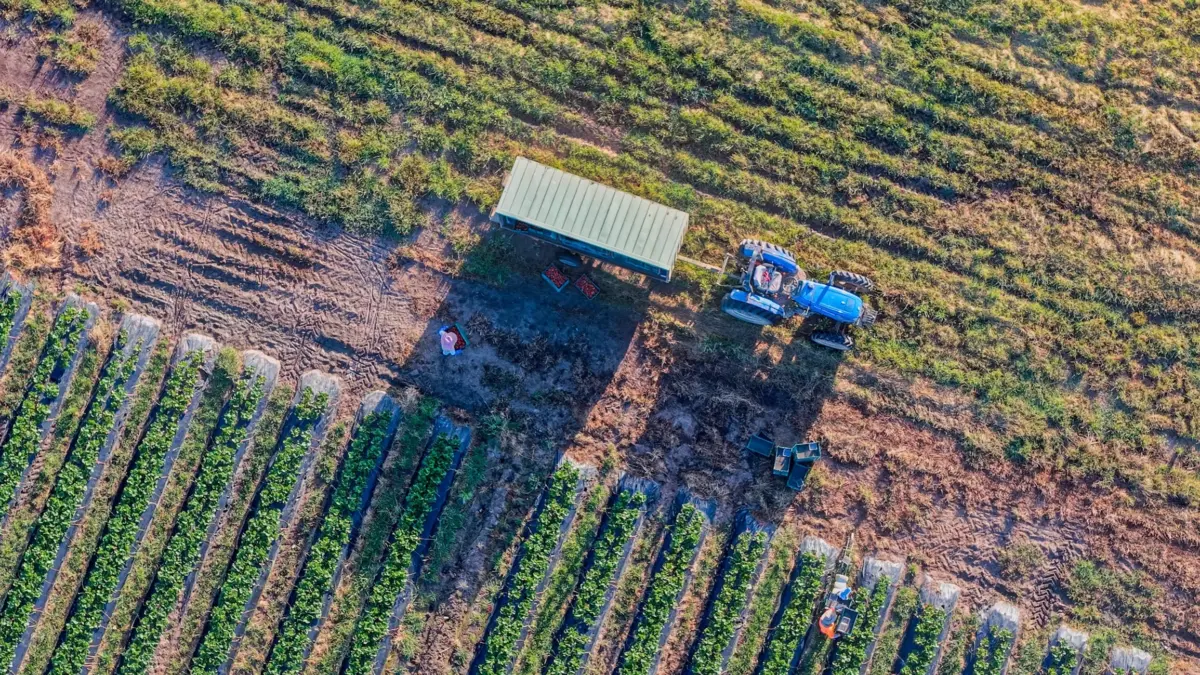
Unlike standard experimental trials, this specific Dutch regulatory milestone carries profound commercial weight. It authorizes local growers to apply EVOCA NG across substantial commercial acreages—spanning up to 150 hectares of tomatoes, 150 hectares of cucumbers, and 50 hectares of strawberries—under authentic commercial growing conditions. Crucially, this authorization permits harvested produce from the treated crops to seamlessly enter the commercial food chain. For Biotalys, this provides an invaluable, real-world testing ground to gather robust commercial-scale performance data, refine production optimization, and cultivate grower confidence well ahead of a targeted full European market launch in 2029.
Detailed Chronology of the Regulatory Breakthrough and Technology Pipeline
To understand the strategic significance of the Ctgb’s recent decision, one must trace the trajectory of Biotalys’s proprietary research, regulatory navigation, and the steady evolution of its product pipeline.
The Evolution from EVOCA to EVOCA NG
Biotalys has spent over a decade developing its proprietary AGROBODY technology platform, which utilizes protein-based active ingredients designed to mimic the precision of natural biological defenses. The company’s initial flagship candidate, EVOCA, served as the proof-of-concept for this platform, undergoing rigorous trials across multiple European and North American jurisdictions.
Building on the empirical data, field feedback, and formulation insights gleaned from the original EVOCA trials, Biotalys engineered EVOCA NG (Next Generation). This upgraded iteration optimizes the concentration, shelf-life, and delivery mechanisms of the active protein structures. The goal: to deliver enhanced, reliable disease control that can seamlessly integrate into standard integrated pest management (IPM) programs employed by commercial greenhouse and open-field fruit and vegetable producers.
Navigating the Ctgb Approval Process
The pathway to securing large-scale commercial trial permits within the European Union is notoriously complex, characterized by exhaustive dossier reviews, safety assessments, and environmental impact studies.
- Dossier Submission: Biotalys submitted comprehensive toxicological, environmental, and efficacy data packages to the Dutch Ctgb, demonstrating that EVOCA NG poses negligible risks to non-target organisms, soil health, and aquatic ecosystems.
- Evaluation of Residues and Food Safety: Because the trials involve the commercial food chain—allowing treated tomatoes, cucumbers, and strawberries to be sold and consumed—the Ctgb rigorously evaluated food safety metrics to establish safe pre-harvest intervals and maximum residue limits (MRLs).
- The Green Light: Following thorough scientific review, the Ctgb authorized the expansion into commercial-scale testing footprints across the Netherlands, providing Biotalys with the regulatory clearance necessary to transition from small-plot academic trials to authentic commercial environments.
Supporting Context & Metrics: The European Regulatory Landscape and Market Pressures
The Dutch approval of EVOCA NG does not occur in a vacuum. It stands in stark contrast to prevailing industry headwinds, offering a much-needed morale boost to a European biologicals sector that has grown increasingly frustrated by sluggish bureaucratic processes.
The EU Regulatory Bottleneck
In recent months, industry alarms have been sounded across Western Europe. Numerous homegrown biologicals developers and AgTech firms have publicly voiced frustration over the European Union’s protracted authorization timelines for plant protection products.
Many European companies have openly admitted to prioritizing initial commercial launches in overseas jurisdictions—such as the United States, Latin America, and parts of Asia—where regulatory frameworks offer faster pathways to market. For these firms, waiting years for European authorizations risks bleeding capital and delaying the deployment of life-saving agricultural innovations.
Against this backdrop, the Netherlands’ swift and pragmatic handling of Biotalys’s application highlights a progressive regulatory willingness to embrace innovative technologies that can support national and continental sustainability targets.
The Agronomic Crisis: Resistance and Restrictions
European specialty crop producers are facing a pincer movement:
- Pest and Pathogen Resistance: Decades of heavy reliance on single-mode-of-action synthetic fungicides have bred widespread resistance among key pathogens like Botrytis cinerea (grey mold) and various powdery mildew species (Podosphaera spp.).
- Regulatory Phase-Outs: The European Green Farm-to-Fork strategy aims to halve the use of chemical pesticides by 2030. Consequently, Brussels has systematically non-renewed or heavily restricted dozens of traditional synthetic active substances.
Without viable biological interventions, growers face catastrophic yield losses and declining fruit and vegetable quality. Biofungicides like EVOCA NG are therefore not merely ecological nice-to-haves; they are becoming fundamental prerequisites for economic survival in modern horticulture.
Official Statements and Industry Perspectives
The announcement of the Dutch commercial trials has elicited widespread acclaim from corporate leadership and early-adopter growers alike, validating the efficacy and market readiness of the AGROBODY platform.
Corporate Leadership Insights
Carlo Boutton, Chief Executive Officer of Biotalys, emphasized the transformative nature of the Ctgb decision during a recent stakeholder briefing:
"This regulatory milestone represents a pivotal turning point for Biotalys as we advance our core mission to introduce a new, sustainable class of protein-based crop protection products to the global agricultural market. By enabling growers to evaluate EVOCA NG across larger commercial acreages while allowing harvested produce into the food chain, these trials provide real-world validation of our first commercial product as we continue to advance its development and production optimization."
Boutton noted that generating performance data at a commercial scale is the single most critical step in building lasting trust among growers, agronomists, and retail food chains who have historically depended entirely on synthetic chemistries.
Grower Testimonials: Real-World Validation
The confidence in Biotalys’s technology is rooted in tangible field experiences reported by pioneering Dutch agricultural enterprises that participated in earlier generations of testing.
- Brookberries (Noud Dings): As one of the Netherlands’ prominent strawberry production enterprises, Brookberries integrated the first-generation EVOCA across 3.7 hectares of commercial strawberry crops. According to Noud Dings, the biofungicide successfully replaced a traditional synthetic fungicide within their rigorous disease management protocol without compromising fruit finish or yield. Dings has expressed keen interest in scaling up participation with the new EVOCA NG trials.
- De Peelkroon (Rob van Enckevort): Facing recurrent pressures from aggressive powdery mildew strains, strawberry grower Rob van Enckevort utilized Biotalys’s biological solutions across his enterprise for two consecutive growing seasons. Van Enckevort reported consistent disease suppression, noting that the biological interventions offered a reliable mechanism to manage resistance profiles while satisfying the stringent residue requirements demanded by modern supermarket buyers.
Both growers underscore a broader cultural shift within European horticulture: progressive producers are actively seeking out biological alternatives that protect their crops, preserve worker safety, and future-proof their operations against tightening environmental regulations.
Future Outlook: The Road to 2029 and Beyond
As Biotalys embarks on this extensive Dutch trial program, the company’s strategic horizon is fixed firmly on the broader European commercial rollout targeted for 2029.
Objectives of the Large-Scale Trials
Over the coming seasons, the data harvested from the 350 combined hectares of tomatoes, cucumbers, and strawberries will serve multiple strategic functions:
- Performance Benchmarking: Quantifying disease control efficacy under variable greenhouse and open-field microclimates against established commercial standards.
- Operational Integration: Helping farm managers fine-tune application timing, tank-mix compatibilities, and integration schedules with existing biological and chemical IPM programs.
- Value-Chain Engagement: Building confidence among food processors, retail buyers, and consumers by demonstrating that advanced protein-based biofungicides deliver clean, residue-manageable harvests without compromising yield quality.
Scaling the AGROBODY Platform
Beyond EVOCA NG, Biotalys is leveraging the momentum of this regulatory milestone to validate its broader R&D pipeline. The AGROBODY platform is capable of generating tailored protein solutions targeting a diverse spectrum of agricultural pests, including insecticides and bactericides.
If the large-scale commercial trials in the Netherlands proceed as anticipated, they could establish a successful regulatory blueprint for neighboring EU member states. By bridging the gap between rigorous scientific innovation and practical, field-level execution, Biotalys is positioning itself at the vanguard of the biological crop protection revolution—ensuring that European agriculture can successfully navigate the transition toward a more sustainable, resilient, and productive future.