
Executive Overview
In the high-stakes world of animal rescue, the operational landscape can shift drastically within a matter of hours. A foster coordinator might wake up to a seemingly healthy intake settling comfortably into a temporary home, only to receive an urgent afternoon frantic call detailing sudden illness, missed vaccinations, or unexpected surgical complications. This perpetual state of high-pressure triage often places an unsustainable burden on rescue organizations, particularly when time, financial capital, and physical shelter space are stretched to their absolute limits.
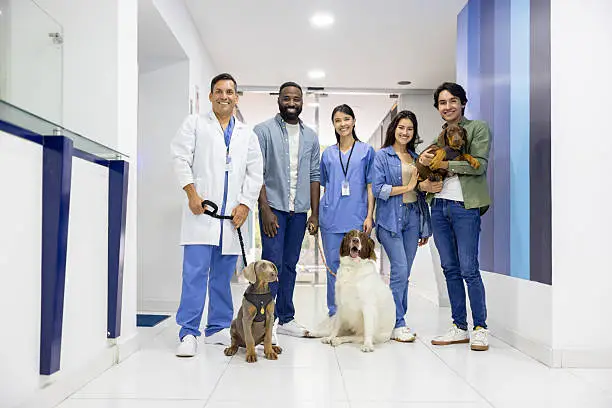
The difference between a rescue organization operating in a perpetual state of emergency and one that functions with stability often boils down to a single, critical factor: a formal, collaborative partnership with a dedicated veterinary hospital. Far beyond routine check-ups or opportunistic clinical visits, a robust alliance between animal rescues and veterinary professionals creates a systemic safety net. These partnerships streamline medical decision-making, accelerate necessary interventions, enforce rigorous disease control, and ultimately empower adopters to welcome home pets with a transparent, well-documented medical history.
This report investigates the mechanics of animal rescue and veterinary partnerships, examining why these relationships are vital for mitigating public health risks, lowering operational overhead, alleviating compassion fatigue among volunteers, and profoundly improving the long-term welfare of vulnerable companion animals.
Detailed Chronology: The Lifecycle of a Rescue Partnership
To understand why veterinary integration is so indispensable, one must examine the operational timeline of an animal rescue group and where veterinary medicine intercepts critical vulnerabilities.
Phase 1: Intake and Triage
When an animal enters the rescue system—whether pulled from a high-kill municipal shelter, surrendered by an overwhelmed owner, or rescued from a stray situation—its medical baseline is almost universally unknown. Without a structured veterinary partner, rescues often rely on visual assessments performed by lay volunteers.
With an established veterinary alliance, intake follows a rigorous, pre-determined protocol. Within 24 to 48 hours of arrival, the animal undergoes a comprehensive physical examination. A Gainesville veterinarian partnering with a local foster network, for instance, might establish baseline panels that instantly flag hidden conditions—such as early-stage kidney disease in a seemingly docile senior cat or asymptomatic heart murmurs in a young dog. This immediate triage prevents infectious agents from crossing the threshold into communal foster environments.
Phase 2: Quarantine, Stabilization, and Treatment
Once initial diagnostics are complete, the timeline shifts to stabilization. In a fragmented rescue model, an animal requiring intensive care can quickly drain financial resources through emergency room visits billed at premium rates. Conversely, a partnering veterinary hospital often integrates rescue cases into their standard scheduling, offering tiered pricing or structured treatment plans.
During this phase, targeted interventions take place:
- Parasite Eradication: Immediate systemic deworming and topical treatments to eliminate fleas, ticks, and microscopic gastrointestinal pathogens.
- Vaccination Protocols: Administering core vaccines (rabies, DHPP for dogs, FVRCP for cats) tailored to the animal’s age and exposure risk.
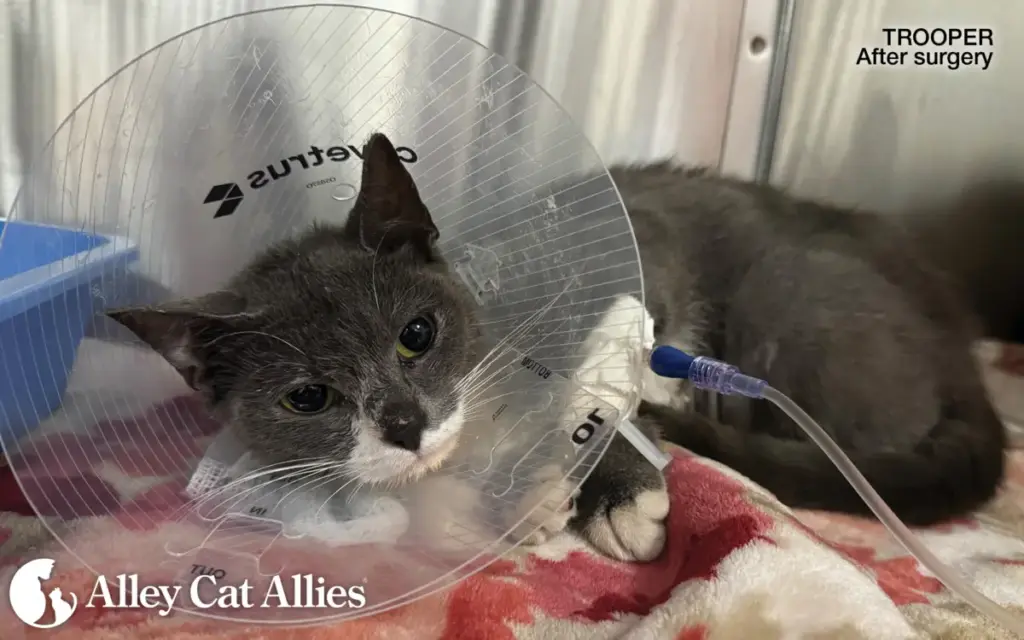
- Surgical Interventions: Scheduling essential procedures, including spay and neuter surgeries, mass removals, or orthopedic repairs, timed precisely to maximize recovery without stressing the animal’s developing immune system.
Phase 3: Post-Recovery and Behavioral Integration
As the animal heals, the partnership pivots toward readiness for adoption. Veterinary teams and foster coordinators communicate regularly regarding behavioral adjustments influenced by medical recovery—such as pain management regimens for arthritic seniors or dietary shifts for animals recovering from gastrointestinal distress. Centralized medical records compiled by the veterinary hospital are finalized into comprehensive adoption packets, paving the way for a transparent transition to a permanent home.
Supporting Context & Metrics: The Anatomy of Crisis Versus Control
To quantify the value of these alliances, industry data and institutional guidelines—such as those outlined in the American Veterinary Medical Association’s (AVMA) emergency preparedness and response framework—emphasize that group-housing settings are exceptionally vulnerable to infectious disease outbreaks.
The Contagious Disease Threat
In rescue operations, biological volatility is high. A single untreated case of feline upper respiratory infection (URI) or canine parvovirus can sweep through a foster network in days, resulting in catastrophic mortality rates and financially crippling treatment costs.
Clinical research into pathogen transmission within veterinary and shelter settings highlights that standard cleaning protocols are insufficient without evidence-based biosecurity measures. Rescues working in isolation from veterinary oversight frequently struggle with proper dilution ratios of disinfectants, appropriate contact times, and effective quarantine isolation. When paired with a veterinary hospital, organizations gain access to advanced sanitation protocols, diagnostic laboratory access, and professional epidemiology guidance that drastically curb disease transmission.
Comparative Operational Matrix
| Operational Area | Rescue Without a Hospital Partner | Rescue With a Veterinary Hospital Partner |
|---|---|---|
| Intake Examinations | Delayed or inconsistent; heavily reliant on immediate visual urgency. | Systematic, scheduled protocols ensuring rapid identification of underlying pathologies. |
| Contagious Disease Control | High baseline risk of missed symptoms, cross-contamination, and widespread foster outbreaks. | Strict testing regimens, dedicated isolation procedures, and professional sanitation guidance. |
| Medical Recordkeeping | Fragmented information scattered across multiple fragmented clinics and providers. | Centralized, digital medical histories that streamline adoption validation and post-adoption care. |
| Financial Forecasting | Reactive, crisis-driven spending that frequently depletes emergency reserves. | Proactive budgeting for routine preventative care and predictable catastrophic case reserves. |
| Adopter Confidence | Persistent consumer uncertainty regarding hidden health histories and vaccine compliance. | Elevated consumer trust driven by certified veterinary documentation and verified health plans. |
Official Perspectives and Professional Insights
Industry leaders and veterinary professionals continually stress that animal welfare is an ecosystem requiring multidisciplinary collaboration.
Dr. Elena Vance, a shelter medicine specialist, notes: "The friction in rescue work rarely stems from a lack of compassion; it stems from a lack of structured infrastructure. When a rescue attempts to operate in a vacuum, treating medical issues as they spontaneously erupt, they are setting themselves up for systemic failure. A veterinarian does not just treat a sick animal; they provide the intellectual framework that keeps the entire rescue organization sustainable."
Furthermore, organizations like the AVMA emphasize that disaster and emergency readiness—whether dealing with a natural disaster displacing hundreds of pets or a localized distemper outbreak—requires pre-established communication channels between animal care facilities and licensed veterinary practitioners. Without these formal bridges, emergency response efforts routinely break down due to regulatory confusion, drug access limitations, and a lack of clinical triage protocols.
On the human capital side, clinical psychologists studying compassion fatigue in animal rescue workers have identified chronic medical uncertainty as a primary driver of volunteer burnout. When rescue operators are forced to play amateur diagnosticians, the emotional toll of making incorrect decisions or watching animals deteriorate due to delayed care is devastating. A trusted veterinary partner acts as a psychological anchor, shouldering the diagnostic burden and offering objective, science-based guidance through difficult ethical decisions regarding treatment versus palliative care.
Future Outlook: Building Resilient Systems for Animal Welfare
As the demand for animal rescue services continues to fluctuate alongside economic pressures and housing restrictions, the traditional ad-hoc approach to shelter medicine is rapidly becoming obsolete. The future of animal welfare depends on the intentional codification of veterinary-rescue partnerships.
Strategic Roadmap for Community Integration
- Codified Medical Protocols: Rescues and veterinary clinics must draft explicit, written Standard Operating Procedures (SOPs). These documents should clearly outline mandatory baseline diagnostics for every incoming species, mandatory holding periods, and step-by-step isolation triggers for suspected infectious diseases.
- Structured Triage and Communication Workflows: Eliminating panic requires establishing communication hierarchies. Utilizing designated medical liaisons within the rescue prevents veterinary staff from being overwhelmed by unstructured inquiries, ensuring that emergency cases receive immediate attention while routine administrative questions are batched efficiently.
- Quarterly Outcomes Review: Progressive partnerships do not merely treat current patients; they analyze past data. By reviewing quarterly metrics—such as average length of stay prior to adoption, frequency of specific infectious outbreaks, or post-adoption medical return rates—hospitals and rescues can adapt their preventative strategies proactively rather than reactively.
Conclusion
The integration of veterinary medicine into animal rescue operations is far more than a logistical convenience. It is the vital infrastructure that transforms chaos into stability, anxiety into confidence, and suffering into recovery. By fostering deep, communicative, and structured partnerships between veterinary hospitals and rescue organizations, the animal welfare community can ensure fewer preventable setbacks, optimize resource allocation, and ultimately grant every rescued animal the healthiest possible foundation for their next chapter in life.