
Executive Overview
In an era defined by rapid urbanization and mounting ecological challenges, access to nature remains profoundly unequal. Across the United States, systemic disparities dictate who gets to experience the restorative benefits of the outdoors. According to recent environmental justice studies, people of color spend disproportionately less time in natural spaces and are statistically three times as likely as White Americans to reside in urban neighborhoods devoid of adequate green infrastructure.
This pervasive spatial and racial divide has catalyzed a powerful grassroots and institutional counter-movement across California. Central to this shift is a collaborative ethos bringing together grassroots organizations, conservation nonprofits, and environmental education centers to break down historical barriers to the outdoors. A striking manifestation of this mission recently unfolded along the picturesque shores of Richardson Bay.
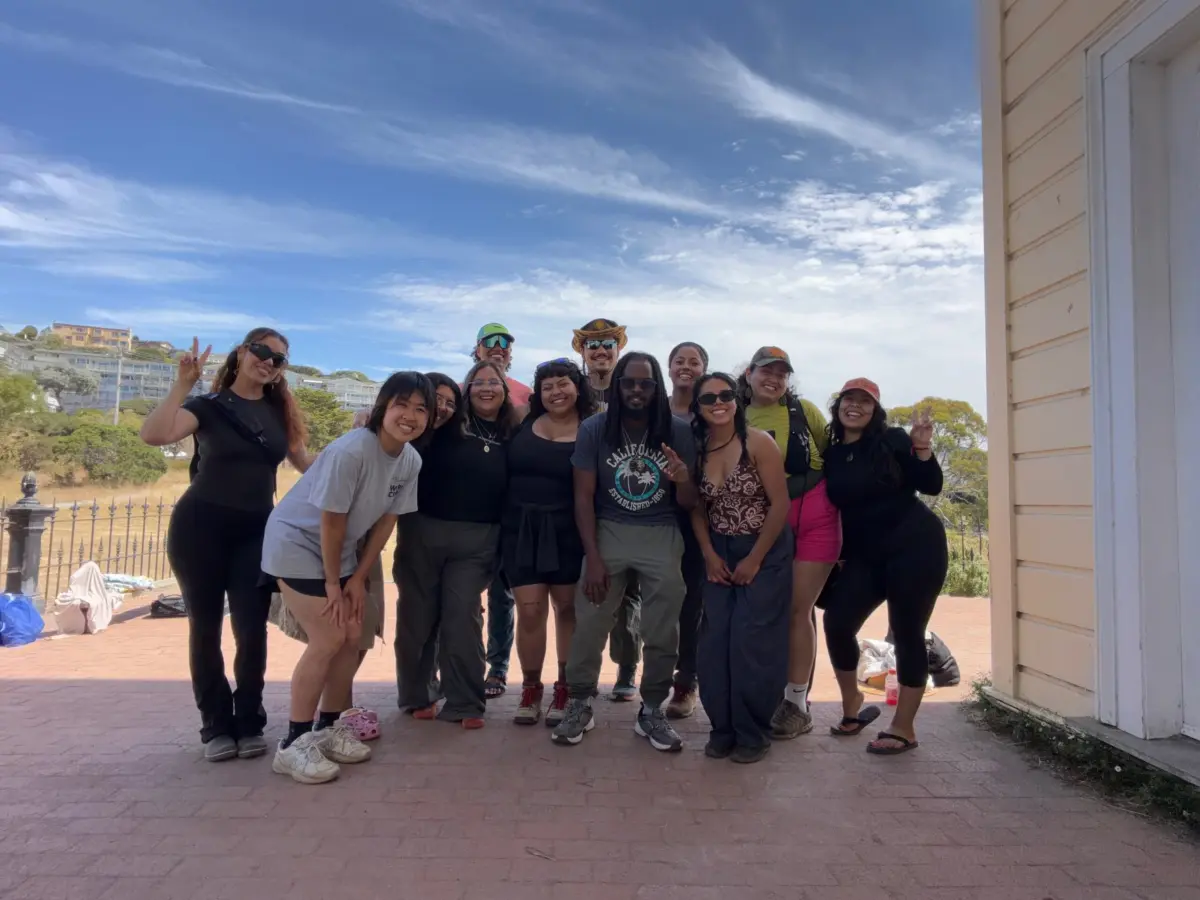
In a powerful day of cross-community exchange, staff members from Urban Tilth—a renowned Richmond, California-based nonprofit dedicated to food justice and urban agriculture—gathered at the Richardson Bay Audubon Center & Sanctuary’s historic Lyford House. Hosted by former colleagues now working within the conservation sector, the visit was designed to be much more than a casual outing. It served as a deliberate bridge connecting urban environmental justice workers with coastal ecosystems, offering an immersive experience featuring guided bird walks, educational kayaking excursions, and hands-on estuarine ecology lessons.
This article explores the intersecting narratives of urban agriculture, environmental equity, and ecological restoration. Through a detailed chronology of the day’s events, an examination of systemic disparities in green space access, highlights of legislative and organizational milestones, and insights into the future of inclusive conservation, we examine how grassroots movements are fundamentally transforming who belongs in nature.
Detailed Chronology: A Day of Discovery at Richardson Bay
Morning: Setting the Scene and Unveiling Local History
The conditions for the gathering were near-perfect: a warm, sun-drenched day tempered by a gentle coastal breeze and a scattering of high, wispy clouds. The group—a collection of familiar, passionate faces from Urban Tilth—convened on the classic red brick patio encircling the Richardson Bay Audubon Center’s crown jewel: the historic Lyford House.
As the sparkling, crystal-blue waters of Richardson Bay mirrored the morning sky, the day’s host opened the program by outlining the mission of the Center and Sanctuary. The conversation quickly turned to local history, specifically honoring the legacy of Rose "Rosie" Rodrigues da Fonta. In the mid-20th century, Rodrigues da Fonta tenderly cared for the very land upon which the Center now sits, eventually ensuring its preservation by bequeathing it to the Audubon Society.
To the absolute shock and delight of the visiting Urban Tilth staff, the host recounted the remarkable logistical feat of the Lyford House itself: how the Victorian structure was constructed in neighboring Strawberry, loaded entirely onto a barge, and floated across the bay to its present, permanent home in Tiburon. This rich blend of local heritage and environmental stewardship established a tone of reverence for the landscape that would persist throughout the day.
Mid-Day: Walking the Coast and Witnessing the "Ferraris of Birds"
Following the historical orientation, the group embarked on a half-mile journey along the Center’s winding Nature Trail. The path meanders through a thriving canopy of coast live oak woodlands before opening up to expansive intertidal mudflats.
The trail provides direct access to Back Beach, a pristine stretch of shoreline facing Strawberry and Aramburu Island. Created artificially in the 1960s from dredge spoils and fill, Aramburu Island has since undergone rigorous ecological restoration, transforming into a vital, protected wetland habitat that serves as a critical nesting ground for numerous shorebird species.
From this vantage point, the participants engaged in active birdwatching. Double-crested cormorants and brown pelicans glided effortlessly just above the waterline, while Caspian terns put on a masterclass in aerial hunting, plunging like torpedoes beneath the surface to catch fish. The experience prompted a memorable observation from one Urban Tilth staff member, who noted that his favorite sighting of the day was the Caspian tern—a species memorably dubbed the "Ferrari of birds" by a visiting wildlife biologist due to its sleek, high-performance physical build.
Afternoon: Taking to the Water and Overcoming Apprehension
The culmination of the day’s itinerary was an immersive kayaking excursion onto the protected waters of Richardson Bay. Prior to launching, a quick survey of the group revealed that roughly half of the participants possessed prior kayaking experience. Several members credited this exposure to Rich City Rays, a dynamic Richmond-based nonprofit dedicated to expanding outdoor recreational accessibility—particularly aquatic sports—to historically marginalized communities.
Once the group was outfitted with safety gear and brief instructional pointers, the flotilla pushed off from the shore. Gliding across the calm surface of the bay, participants were able to observe the coastline from an entirely fresh perspective while receiving an impromptu lesson on the vital role of eelgrass beds within the estuarine food web.
For some participants, the water was initially a source of anxiety. Laura, an Urban Tilth staff member, candidly admitted after returning to dry land that she had harbored deep apprehension prior to the launch, stemming from a lack of swimming and boating experience. However, once out on the open water, those fears dissolved, replaced by a profound sense of tranquility and awe.
Reflecting on the experience, Laura offered a poignant tribute to the day’s historical catalyst:
"I want to thank Rosie for giving this land to the Audubon. Because of her, we were able to become more connected with the land and the water around us."
Supporting Context & Metrics: The Fight for Green Equity
To fully understand the significance of outings like the Richardson Bay excursion, one must examine the broader socio-ecological landscape of California and the United States.
The Green Space Disparity
Decades of systemic urban planning, historical redlining, and socioeconomic stratification have created stark inequities in the distribution of urban canopy and natural sanctuaries. Key metrics underscore this crisis:
- Exposure Deficit: People of color in the United States spend significantly less time engaging in outdoor recreation and nature-based activities compared to their White counterparts.
- Proximity Inequity: Statistical analyses reveal that communities of color are three times as likely as White communities to live in urban sectors characterized by a severe scarcity of parks, open spaces, and natural green infrastructure.
- Health and Wellness Toll: Limited access to nature correlates directly with elevated rates of urban heat island exposure, respiratory illness due to reduced air filtration, and diminished mental well-being.
Urban Tilth: Cultivating Agency and Ecology
Founded in Richmond, California, Urban Tilth emerged as a localized response to food insecurity and systemic marginalization. The organization’s foundational mission centers on building a just, localized food system and actively engaging Richmond residents in urban agriculture.
Over the years, Urban Tilth has strategically expanded its operational scope. Recognizing that food justice cannot be decoupled from broader environmental health, the nonprofit has integrated robust environmental education curricula and comprehensive watershed restoration programs into its core offerings. By teaching community members everything from crafting organic soil amendments to understanding local watershed ecology, Urban Tilth fosters a deep, enduring sense of environmental stewardship rooted in community self-determination.
Rich City Rays and the Right to Water
Complementing Urban Tilth’s terrestrial focus are organizations like Rich City Rays. Founded by Luna Angulo, the nonprofit tackles aquatic exclusion head-on. Historically, marginalized urban youth and low-income people of color have faced socioeconomic and cultural barriers that barred them from safely accessing open waterways, swimming pools, and boating facilities.
Angulo’s initiative to put Black and Brown youth into kayaks is philosophically aligned with the broader environmental justice movement: it is fundamentally about reclaiming the right to have a healthy, reciprocal relationship with land and water.
Official Statements and Institutional Shifts
While grassroots organizations build community capacity from the ground up, institutional conservation entities are increasingly shifting their policies, funding models, and programming to prioritize equity and inclusion.
Audubon California’s Legislative and Programmatic Evolution
Audubon California has taken tangible steps to codify environmental justice into its organizational DNA:
- Legislative Advocacy: During the recent legislative session, Audubon California proudly co-sponsored Senator Lena Gonzalez’s landmark bill. Passing successfully in September, the legislation formally codified Governor Gavin Newsom’s Outdoors for All Initiative, legally mandating targeted efforts to improve recreational access to parks and open spaces for all Californians, regardless of zip code.
- Debs Park Restoration: The Audubon Center at Debs Park in Los Angeles serves as a national model for inclusive urban conservation, regularly hosting community-led habitat restoration events that actively engage the surrounding, predominantly Latinx community in local ecosystem management.
- Salton Sea Community Outreach: Staff members stationed at the Salton Sea have collaborated closely with residents in Bombay Beach to develop and enhance public access features, ensuring that local restoration projects directly benefit the human populations living adjacent to them.
- Richardson Bay Community Partnerships: Local sanctuaries are actively dismantling the traditional "ivory tower" conservation model. In May, Community Conservation Fellows at the Richardson Bay Audubon Center partnered with WildCare—a San Rafael-based wildlife rehabilitation and education center—to host a specialized immersion day. Families hailing from San Rafael’s predominantly Latinx Canal District were introduced to the rich avian biodiversity of the Sanctuary, utilizing spotting scopes and binoculars to experience birdwatching firsthand.
Future Outlook: The Path Forward for Inclusive Conservation
The intersection of urban agriculture, environmental education, and coastal conservation witnessed at Richardson Bay points toward an encouraging future, yet substantial work remains. True environmental equity requires a paradigm shift across the entire conservation sector.
1. Dismantling Structural Barriers
Moving forward, conservation organizations must prioritize removing economic and logistical barriers to entry. This includes funding accessible public transit routes to remote nature centers, offering multilingual educational programming, and ensuring that outdoor recreation gear—from binoculars to kayaks—is provided at little to no cost to historically excluded groups.
2. Centering Community Leadership
Environmental initiatives cannot be successfully imposed from the top down. The success of programs run by Urban Tilth, Rich City Rays, and Audubon’s community fellowship initiatives demonstrates that conservation is most effective when local communities—particularly Black, Indigenous, and People of Color (BIPOC)—lead the design and implementation of ecological projects.
3. Institutionalizing Equity
With the legislative codification of the Outdoors for All Initiative, California has set a high bar for statewide environmental accessibility. The challenge ahead lies in rigorous implementation and sustained funding, ensuring that urban parks, coastal sanctuaries, and wildlife refuges receive the resources needed to welcome and serve diverse populations permanently.
Conclusion
The day spent by Urban Tilth staff on the historic grounds of the Richardson Bay Audubon Center was more than a recreational retreat; it was a living testament to the power of reconnection. By bridging the gap between urban community organizing and coastal wildlife sanctuary stewardship, programs like these prove that nature belongs to everyone. As grassroots leaders and institutional conservationists continue to forge alliances, the vision of a truly inclusive environmental movement—one where all people can freely heal, explore, and bond with the land and water—moves ever closer to reality.