The global pet industries are currently experiencing an unprecedented paradigm shift, driven by the rapid "humanization" of companion animals and an elevated focus on interior design integration. No longer content with concealing unsightly pet accessories in utility rooms, modern pet owners are demanding products that serve a dual purpose: therapeutic comfort for their animals and aesthetic alignment with contemporary home decor.
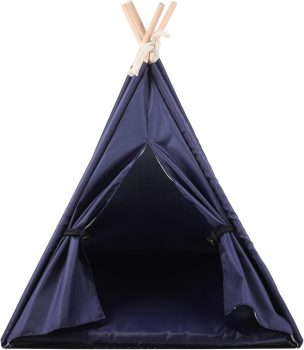
At the intersection of this trend lies the rapid rise of the "teepee" or tent-style dog bed. Characterized by an enclosed, multi-sided canopy supported by structural wooden or composite poles, these micro-architectural sanctuaries have transitioned from niche novelty items on boutique platforms to mainstream consumer staples.
This investigative report explores the structural engineering, behavioral science, and market dynamics driving the teepee dog bed phenomenon. By analyzing leading market designs, evaluating canine sensory needs, and detailing the physical metrics that govern high-quality pet construction, this article provides an authoritative overview of how the simple dog bed has evolved into an engineered sanctuary.
Detailed Chronology: The Evolution of Pet Bedding and the Teepee Phenomenon
To understand the market prominence of the teepee dog bed, one must trace the chronological trajectory of domestic pet bedding over the last several decades.
[1980s-1990s] Simple Floor Cushions (Utility-focused, hidden from guests)
       │
[2000s-2010s] Orthopedic & Memory Foam Beds (Focus on physical health/aging joints)
       │
[2020s-Present] Enclosed "Denning" Furniture / Teepees (Integration of mental wellness, security & home aesthetics)
Phase I: The Utilitarian Era (Pre-2000s)
For generations, domestic dog bedding was relegated to simple floor cushions, discarded blankets, or utilitarian plastic baskets lined with fleece. These items were designed almost exclusively for utility and were frequently hidden from sight when guests arrived. Structural support was minimal, and the psychological comfort of the animal was rarely a consideration in mass-market manufacturing.
Phase II: The Orthopedic Revolution (2000–2015)
As veterinary medicine advanced and pet life expectancy rose, the market shifted toward physical health. Orthopedic memory foam mattresses, bolster beds, and elevated cots emerged to address joint degradation, hip dysplasia, and thermal regulation. While these designs successfully targeted physiological ailments, they left a critical gap in addressing psychological stressors, such as noise anxiety and environmental overstimulation.
Phase III: The Denning and Aesthetic Convergence (2016–Present)
The modern era of pet ownership—accelerated by the remote-work boom of the early 2020s—sparked a deep interest in both canine behavioral wellness and home aesthetics. Designers recognized that dogs, as facultative den-dwellers, naturally seek out enclosed spaces. This realization led to the development of structured, fabric-canopied teepee beds.
Today, the market features several distinct architectural variations of the pet teepee, each serving a specific consumer demographic:
1. The Foam-Lined Structural Pod
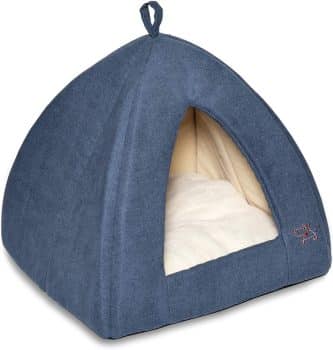
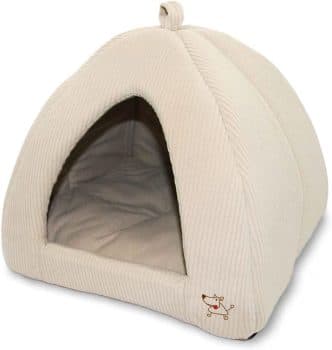
Example Case: Best Pet Supplies Pet Tent-Soft Bed
Utilizing high-density poly-foam structures wrapped in faux suede, linen, or corduroy, these designs offer a semi-rigid enclosure. They prioritize thermal insulation and soft-touch surfaces, appealing to toy breeds and cats that require a high degree of warmth and physical security.
Example Case: Mooipet Pet Teepee Tent
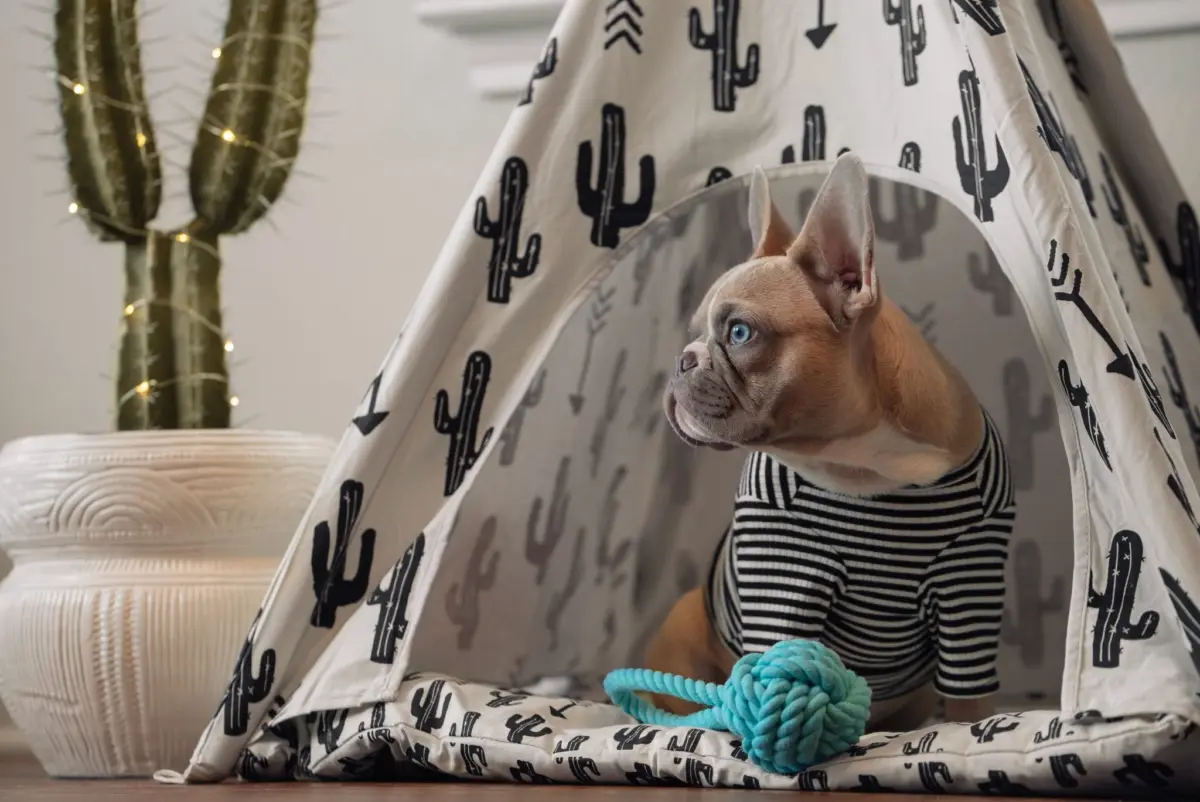
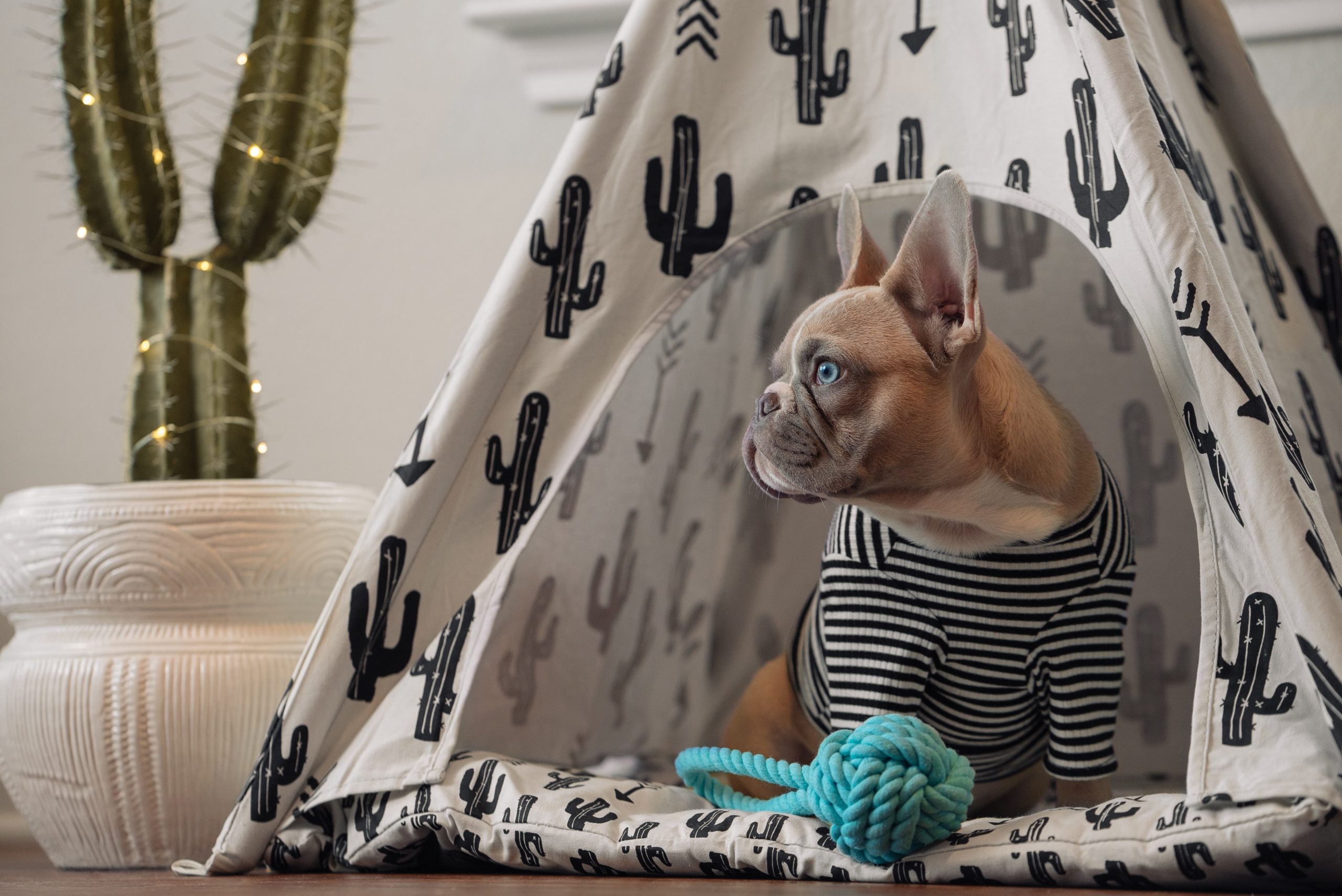
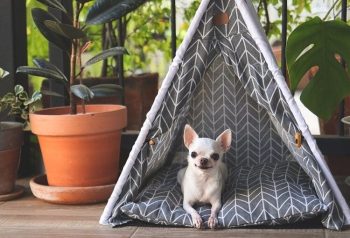
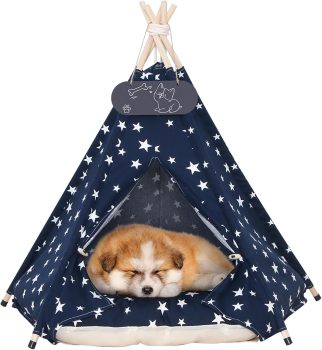
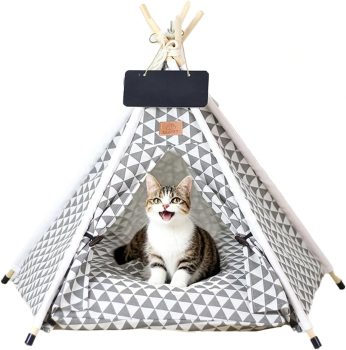
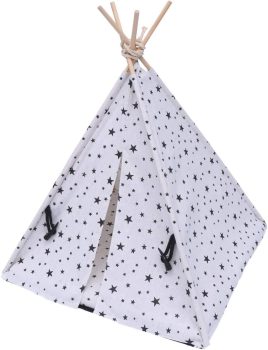
This design mirrors classic architectural teepees, utilizing a framework of interlocking natural wood poles (typically pine or birch) threaded through a breathable cotton or canvas canopy. It represents the pinnacle of aesthetic integration, featuring removable, thick-tufted cotton cushions that can be utilized independently of the outer shell.
Example Case: OAOAPLOS & iplusmile Portable Series
Targeted at urban dwellers with limited square footage, these models feature scaled-down footprints (often averaging 20 x 20 x 20 inches internally). They focus on rapid disassembly and structural minimalism, ensuring that the pet’s retreat does not disrupt the traffic flow of small living spaces.
4. The Utility-First Outdoor Shelter
Example Case: POPETPOP Waterproof Pet Tent
Recognizing that denning behavior is not confined to the living room, manufacturers introduced outdoor-rated variations. Utilizing water-resistant, synthetic fabrics and lightweight composite frames, these structures protect pets from wind, light rain, and UV exposure during outdoor excursions or camping trips.
Supporting Context & Metrics: The Science of the Canopy
The appeal of the teepee dog bed extends far beyond its visual novelty. To evaluate these products objectively, one must examine the intersection of canine evolutionary biology and material physics.
The Behavioral Science of "Denning"
Canines are evolutionary descendants of den-dwelling predators. In the wild, maternal dens provide protection from predators, isolation from extreme weather, and a controlled sensory environment for rearing offspring.
In domestic settings, this instinct manifests when dogs seek out spaces under desks, behind sofas, or inside closets during thunderstorms, fireworks, or periods of high household activity.
An enclosed teepee bed addresses these behavioral needs by:
Limiting Visual Stimuli: The three-sided enclosure blocks peripheral movement, reducing hyper-vigilance and allowing the canine nervous system to transition from a sympathetic state (fight-or-flight) to a parasympathetic state (rest-and-digest).
Acoustic Dampening: High-quality canvas, felt, and poly-foam walls absorb high-frequency ambient noises, offering relief to sound-sensitive animals.
Microclimate Control: Small, enclosed volumes retain the dog’s natural body heat far more efficiently than open-format bolster beds, creating a warm microclimate highly favored by small, short-haired, or senior dogs.
Material & Dimensional Metrics
When selecting or manufacturing a teepee bed, specific physical metrics determine its structural viability and safety:
Metric Category
Standard Specifications
Target Demographic / Function
Small-Scale Footprint
~16" x 16" x 14" to 20" x 17" x 17"
Toy breeds, puppies, and felines under 15 lbs. Focuses on maximum heat retention and minimal spatial footprint.
Medium-Scale Footprint
~24" x 24" x 28"
Small to medium breeds (15–33 lbs), such as French Bulldogs, Chihuahuas, and Pugs.
Structural Framework
Natural Birch or Pine (chemical-free)
Provides structural rigidity without emitting toxic volatile organic compounds (VOCs).
Canopy Material Density
100% Breathable Cotton Canvas (280–350 GSM)
Ensures long-term durability against nesting and scratching behaviors while maintaining adequate airflow.
Cushion Fill Weight
400g – 600g High-Loft Polyester Fiber
Prevents bottoming-out on hardwood flooring, protecting the dog’s bony prominences (elbows, hips).
Official Statements: Industry Perspectives and Veterinary Consensus
To gain a comprehensive understanding of the therapeutic and structural value of enclosed pet bedding, we examined statements from veterinary professionals, canine behaviorists, and manufacturing representatives.
The Veterinary Perspective on Sensory Regulation
Veterinary behaviorists consistently emphasize the importance of "safe zones" in mitigating canine stress. In clinical guidelines regarding environmental enrichment, experts note:
"Providing a predictable, secure retreat is a cornerstone of behavioral therapy for anxious or noise-sensitive dogs. Enclosed structures, such as fabric tents or teepees, serve as excellent non-pharmacological interventions. They allow the animal to actively self-soothe by choosing to withdraw from overwhelming sensory environments."
However, veterinary professionals also advise caution regarding the physical limitations of these beds, particularly for older animals:
"While a teepee provides exceptional mental comfort, senior dogs suffering from osteoarthritis require orthopedic support. If utilizing a teepee for an aging pet, it is vital to ensure the inner cushion features orthopedic memory foam rather than standard polyester fill, preventing joint stiffness during prolonged rest."
Manufacturing and Safety Standards
Representatives from leading pet product manufacturing firms highlight the engineering challenges unique to pet teepees:
"The primary engineering challenge of a pet teepee is balancing structural stability with ease of maintenance. Unlike human furniture, pet products are subjected to digging, chewing, and biological waste.
To meet these demands, we must utilize heavy-duty, machine-washable fabrics that do not shrink or warp, alongside secure locking mechanisms at the apex of the support poles to prevent accidental collapse during active nesting behaviors."
Future Outlook: The Next Generation of Pet Architecture
As the pet lifestyle market continues to mature, the design of teepee dog beds and enclosed shelters is poised for further technological and structural evolution. Several emerging trends are set to redefine the category over the next decade.
[Biophilic Design Integration] ────► Natural, untreated materials & earth-toned aesthetics
[Smart Den Technologies]       ────► Integrated heating elements & acoustic dampening panels
[Circular Material Sourcing]   ────► Ocean-bound plastics transformed into structural felt
1. Biophilic and Architectural Integration
Future designs will move away from generic patterns and toward biophilic architecture. Expect to see pet teepees constructed with sustainably harvested woods, organic unbleached linen canopies, and earth-toned palettes designed to blend seamlessly into high-end Scandinavian, Japandi, or minimalist interior designs.
2. Smart Den Technologies
The integration of technology into pet furniture is accelerating. Future iterations of the premium pet teepee will likely feature:
Integrated Micro-Heating Elements: Low-voltage, pressure-activated heating pads embedded within the cushion to support senior dogs and short-haired breeds during winter months.
Acoustic Dampening Panels: Advanced composite felt walls engineered specifically to block the decibel frequencies of thunder and fireworks.
Air Filtration Systems: Silent, low-draw fans integrated into the canopy apex to ensure continuous air exchange and odor reduction.
3. Circular and Sustainable Material Sourcing
With sustainability becoming a primary consumer driver, manufacturers are exploring circular supply chains. Future pet tents will increasingly feature structural canopies made from recycled PET felt (derived from ocean-bound plastics) and support poles crafted from rapid-growth bamboo rather than traditional hardwoods.
Ultimately, the teepee dog bed represents far more than a passing design trend. It is a highly functional response to the emotional and instinctual needs of domestic companions. By providing a dedicated, secure sanctuary that respects both the canine desire for a private retreat and the human desire for an elegant home, these cozy structures have secured a permanent place in the landscape of modern pet care.