
Executive Overview
In an era where discussions surrounding community service and animal welfare are frequently dominated by adult-led organizations and institutional funding, the true heartbeat of grassroots rescue operations often comes from the most unexpected sources. At Muddy Paws Rescue, a premier animal welfare organization dedicated to saving vulnerable dogs, a profound shift in volunteer engagement is taking place. The catalyst for this inspiration is neither a seasoned veterinary technician nor a corporate donor, but rather a nine-year-old child whose empathy, dedication, and operational insight rival those of adults twice her age.
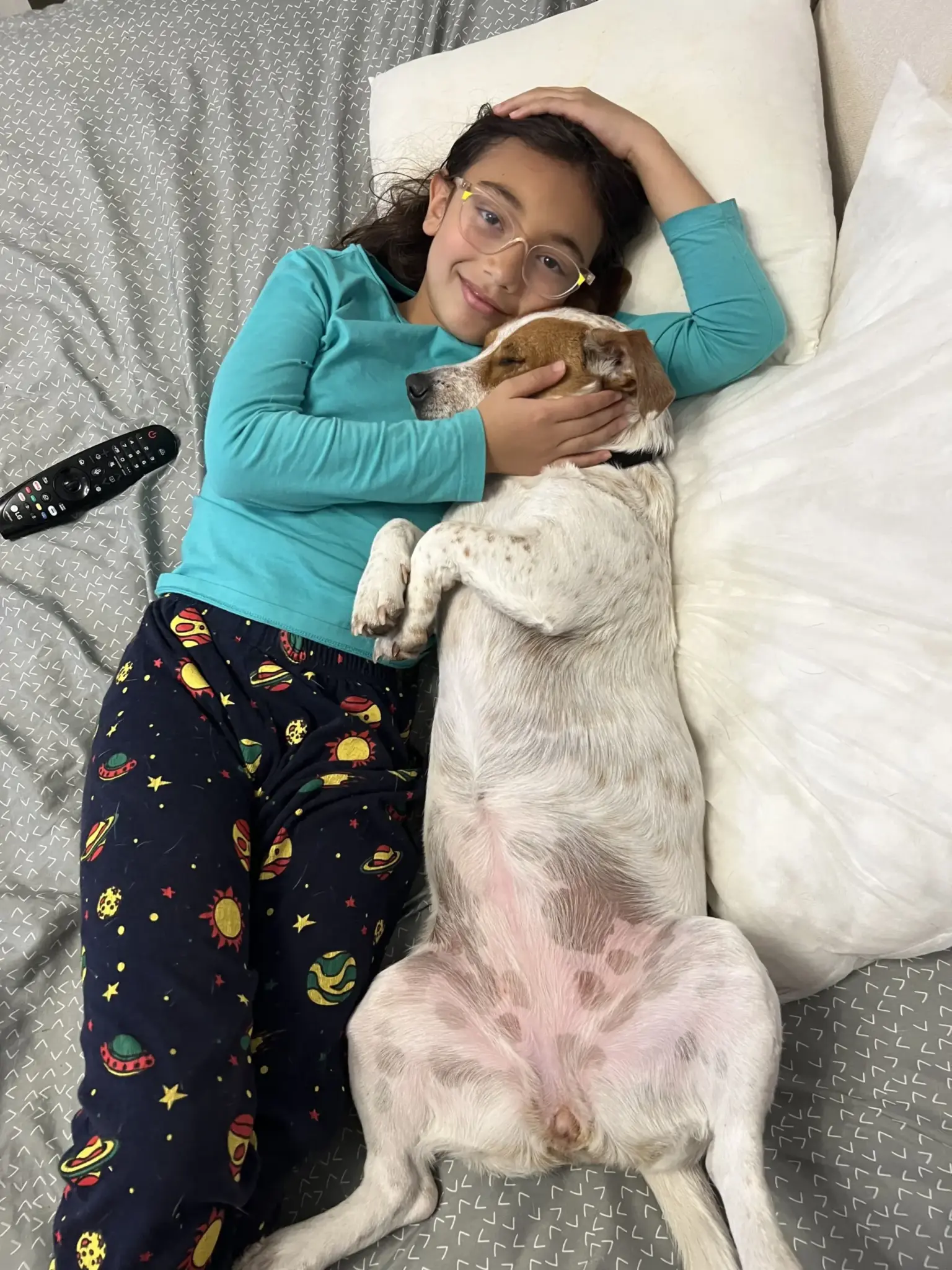
Meet Skylar, a nine-year-old fostering superstar whose unyielding energy and compassionate spirit are leaving an indelible mark on the rescue community. While most children her age navigate the routine demands of elementary school and weekend playdates, Skylar spends her mornings walking shelter dogs, her afternoons teaching shy pups foundational obedience commands, and her weekends shining as an ambassador at adoption events. Alongside her mother, Skylar has transformed her family home into a haven of rehabilitation and temporary sanctuary for dogs in transition.
This comprehensive feature explores the exceptional journey of one of Muddy Paws Rescue’s youngest and most effective advocates. Through an exclusive, in-depth interview and contextual analysis of modern youth volunteerism in animal rescue, this article examines how children possess a unique, innate capacity to heal traumatized animals. Furthermore, it highlights the operational framework that allows families to successfully foster, offers professional insights into canine rehabilitation from a child’s perspective, and outlines the broader implications of cultivating empathy in the next generation of animal welfare leaders.
Detailed Chronology: The Journey of a Fostering Prodigy
Every rescue animal has a beginning, and for Skylar, her entry into the world of animal welfare started with a single, defining milestone that unlocked a passion she never knew she possessed.
The Catalyst: Meeting Uno
Skylar’s journey with Muddy Paws Rescue began not as a casual observer, but as an active participant in the high-stakes world of fostering. When asked how she and her mother first became involved with the organization, Skylar points directly to their inaugural foster dog: a canine named Uno.
"We started helping Muddy Paws Rescue by fostering," Skylar recalls. "Our first foster was Uno. Her name was so special because Uno means number one in Spanish. If it weren’t for Uno, we wouldn’t have all the amazing fosters after her. This is only the beginning."
Uno served as the bridge between ordinary family life and the rigorous, emotionally demanding sphere of animal rescue. By welcoming Uno into their home, Skylar and her mother learned the mechanics of temporary care: managing medical schedules, monitoring behavioral adjustments, and preparing a shelter dog for a permanent transition. More importantly, Uno planted the seed of resilience in Skylar. She learned that parting with a foster dog—often the hardest part of the process for human caregivers—was not a loss, but a victory that created physical and emotional space for the next life to be saved.
Expanding the Mission: From Novice to Pro
Following the successful placement of Uno, Skylar’s involvement escalated rapidly. Fostering ceased to be a singular project and evolved into a lifestyle. Working in tandem with her mother, Skylar transitioned from learning the ropes to mastering the nuanced art of canine rehabilitation.
Her daily routine reflects a disciplined dedication that would impress professional animal handlers. A typical day in Skylar’s household is structured entirely around the physical and emotional needs of her current foster dog:
- 07:00 AM – Morning Revitalization: The day begins promptly with a morning routine consisting of a bathroom break, followed by an invigorating walk or light jog around the local park to burn off overnight energy.
- 08:00 AM – Nutritional Management: Upon returning home, Skylar ensures her foster dog receives a balanced breakfast, adhering strictly to dietary guidelines provided by the rescue.
- 03:00 PM – Post-School Re-engagement: Directly following the conclusion of the school day, Skylar resumes her duties with another outdoor bathroom excursion, high-energy games of fetch, and neighborhood socialization walks designed to build the dog’s confidence in public environments.
- 06:00 PM – Evening Decompression: After dinner, the evening is dedicated to low-stimulus bonding—primarily quiet cuddles and relaxation until bedtime, signaling to the dog that the home is a safe and secure environment.
This meticulous routine has allowed Skylar to manage a wide variety of temperaments, breeds, and background histories without missing a beat in her academic or personal life.
Supporting Context & Metrics: The Mechanics of Youth Fostering
To truly understand Skylar’s impact, one must examine the broader operational landscape of animal fostering and the measurable benefits of introducing children to rescue work at an early age.
The Critical Need for Foster Homes
Animal rescue organizations across the globe operate under perpetual strain. Shelters are routinely over capacity, and the influx of surrendered, stray, or abandoned dogs far outpaces physical infrastructure. Foster networks serve as the vital safety valve of the rescue system. According to industry metrics, organizations utilizing foster homes can rescue significantly more animals than those restricted by brick-and-mortar facility capacities.
However, fostering is resource-intensive. It requires space, time, financial resources for incidental care, and—above all—emotional resilience. When families like Skylar’s step up, they expand an organization’s operational capacity. Every dog living in a foster home is removed from a high-stress shelter environment, allowing them to decompress, learn house manners, and present their true personalities to prospective adopters.
Why Children Excel as Foster Caregivers
Traditional rescue paradigms often assume that complex animal behavioral rehabilitation is the sole domain of adults. Skylar’s success challenges this assumption head-on. Children bring unique psychological and physical attributes to the fostering ecosystem that adults frequently struggle to replicate:
- Unburdened Patience: Children often lack the rigid expectations and timeline-driven frustrations that adults project onto animals. If a dog takes days to emerge from a crate, a child is often more content to sit quietly nearby, reading a book without forcing physical contact.
- Playful Synchronicity: As Skylar astutely observes, "Dogs are like kids. They are playful and want love and attention, so who’s better than us kids to understand them?" The natural exuberance of a child matches the intrinsic play drive of many rescue dogs, facilitating rapid trust-building through shared games.
- Emotional Anchoring: Traumatized dogs often react defensively to the deep-seated anxieties of stressed adults. Children, when guided properly, project an aura of innocent simplicity that can lower a nervous dog’s defense mechanisms.
- Resilience and Humor: "They remind us not to take life so seriously, to be silly, and to laugh through things," Skylar notes. This perspective prevents burnout among human caregivers and keeps the atmosphere in the foster home light and optimistic.
Official Statements & Insights from Skylar
In our exclusive interview, Skylar offered profound wisdom regarding canine psychology, adoption advocacy, and the emotional reality of opening one’s home to animals in need.
On Canine Individuality and Favorites
When asked what she loves most about dogs, Skylar’s enthusiasm is palpable:
"What I love most about dogs is their different personalities; they are the best cuddlers, and they make me so happy. They are small, big, fluffy, playful… I love everything about them."
This appreciation for individual difference prevents her from applying blanket solutions to complex behavioral challenges. Every dog is treated as a distinct individual. Yet, even among a roster of wonderful animals, one foster stands out in her memory: Cindy Lou Who.
"It’s hard because all of my fosters have been great. But if I were to pick, it would be Cindy Lou Who. Her name is so cool and is from my favorite holiday movie, The Grinch. She had these tiny little legs that were so cute. She was calm, loved to cuddle with me, and every time I looked at her, she gave me the cutest, biggest smile."
Expert Advice on Shy and Nervous Dogs
Many novice fosters—and indeed many adults—struggle when introduced to dogs that exhibit fear aggression, extreme shyness, or trauma responses. Skylar’s approach to these delicate situations reflects the gold standard of modern positive reinforcement training:
"Give them space, have treats around, and let them come to you when they are ready so they don’t feel like you’re hovering over them."
When addressing those who believe fostering is simply too difficult or emotionally overwhelming, her advice is remarkably grounding:
"Take a deep breath, everything will be fine. Take it one day at a time, enjoy getting to know your dog, and routine is key! Give them space, a comfy bed, food, and water, and they will come to you when they feel safe. Be ready for all the love that will come your way."
A Child’s Ultimate Vision
When asked to articulate her ultimate wish for the animals she works so tirelessly to save, Skylar’s response cuts straight to the ethical core of the animal welfare movement:
"My only wish would be for all the dogs to have a safe and loving home that respects and cares for them every day. I just want the best for them. They deserve it."
Future Outlook: Inspiring the Next Generation of Animal Advocates
The story of Skylar and Muddy Paws Rescue serves as a vital case study for the future of community-driven animal welfare. As municipal shelters and rescue groups face mounting operational pressures, the expansion of family-centric and youth-inclusive fostering programs represents a sustainable pathway forward.
Scaling Youth Involvement in Rescue
Organizations that actively facilitate youth participation—not merely as passive donors, but as active handlers, socializers, and foster assistants—cultivate a lifelong commitment to ethical treatment and community service. Programs modeled after the collaborative efforts seen at Muddy Paws Rescue demonstrate that children, when properly supervised and educated by experienced adults, can act as highly effective agents of rehabilitation.
The Ripple Effect of Compassion
The psychological benefits experienced by children who participate in animal rescue are well-documented by developmental psychologists. Empathy towards animals correlates strongly with prosocial behavior, emotional intelligence, and reduced aggression in human-to-human interactions. By teaching children how to read canine body language, respect boundaries, and provide compassionate care, organizations like Muddy Paws Rescue are not only saving dogs—they are shaping empathetic, conscientious future leaders.
Conclusion
Skylar’s journey from welcoming her very first foster dog, Uno, to becoming an established fostering superstar proves that age is no barrier to impact. Whether she is teaching shy pups how to navigate a scary world with treats and patience, charming visitors at adoption events, or advocating for a world where every dog has a safe and loving home, Skylar exemplifies the very best of what the animal rescue community stands for.
As Muddy Paws Rescue continues its vital mission, the legacy of volunteers like Skylar ensures that the future of animal welfare is bright, resilient, and anchored in boundless, unconditional love.