
Executive Overview
Sharing a home with a feline companion is one of life’s great joys, offering companionship, comfort, and endless entertainment. However, this domestic bliss often comes with a distinct atmospheric tax: the unmistakable, pungent aroma of the cat litter box. Far beyond a mere household nuisance, persistent pet odors can transform a welcoming living space into an uncomfortable environment for both residents and guests.
According to cat behaviorist and scientist Dr. Mikel Delgado, the intense smell of feline waste is rooted in biology. Cat urine and feces contain specialized, highly potent chemical compounds designed specifically for feline territorial communication. When these organic compounds interact with the cloying, synthetic fragrances frequently manufactured into commercial litters, they create a sharp, unpleasant olfactory cocktail that can permeate an entire home.
While a minor scent profile is an expected reality of pet ownership—and sudden, drastic shifts in waste odor should always prompt a veterinary checkup—overwhelming smells indicate that your current maintenance routine requires optimization. However, resolving this issue demands a delicate balance. Felines are notoriously sensitive creatures governed by routine and heightened sensory perception. Introducing sudden environmental or bathroom changes can trigger severe anxiety, leading to "litter box strikes" where cats begin eliminating on carpets, furniture, or laundry.
This comprehensive guide, informed by expert recommendations and rigorous product testing from pet care authorities, outlines actionable, low-effort strategies to keep your home smelling pristine while ensuring your cat remains content, secure, and healthy.
Detailed Chronology & Maintenance Timeline
Eliminating litter box odor is not a single, one-time fix; rather, it is a disciplined routine anchored in daily habits and periodic deep-cleaning cycles. Establishing a structured timeline is essential for disrupting the bacterial growth that generates persistent foul smells.
Daily Habits: Scooping and Waste Management
The foundation of odor control begins the moment your cat finishes using the box. Experts at leading pet care publications strongly advocate for scooping solid waste and urine clumps at least once a day—or immediately afterward, particularly in compact apartments or small homes where enclosed spaces cause ambient smells to travel rapidly.
Leaving soiled clumps in the box allows moisture and urea to break down, releasing ammonia into the air. Furthermore, standard weekly maintenance requires a complete refreshing of the box. Even if the remaining litter appears clean, microscopic particles of soiled waste inevitably sift through standard scoops, mixing with fresh granules and degrading the overall quality of the substrate.
Weekly and Bi-Monthly Deep-Cleaning Protocols
According to professional pet care guidelines, complete deep-cleaning of the litter box should occur at least twice a month. This practice is crucial for preventing the long-term buildup of odor-causing bacteria.
- The Bi-Monthly Scrub: Empty the box entirely. Scrub the basin and the scooping tool thoroughly using warm water and an unscented dish soap—such as Palmolive Ultra Pure + Clear—as cats are profoundly sensitive to strong artificial fragrances. For individuals with sensitive skin, allergies, or asthma, wearing protective gloves and an N95 respirator mask during the cleaning process is strongly advised.
- Periodic Disinfection: If a deep scrub fails to neutralize lingering odors, a targeted disinfection protocol may be required. Apply a low-odor, pet-safe disinfectant such as hydrogen peroxide or hypochlorous acid, allowing the surface to remain visibly wet for the manufacturer-recommended duration (typically 10 minutes), ensuring your cat is kept completely away from the area. Rinse thoroughly and follow with a secondary scrub using dish soap and water.
- The Bleach Warning: Never use chlorine-bleach-based cleaners on a litter box. Bleach reacts dangerously with the ammonia present in residual cat urine, creating toxic chloramine gas.
Supporting Context & Metrics: Choosing the Right Gear and Substrates
Achieving a fresh-smelling home requires looking past marketing gimmicks and investing in proven equipment and materials.
1. Ditch Fragranced Litters for High-Performance Unscented Substrates
Many commercial litters rely on heavy perfumes—such as lavender, spring breeze, or linen—to mask foul odors. However, these additives do not absorb or neutralize chemical malodors; they merely layer synthetic perfumes over organic waste. Furthermore, many cats despise these artificial scents and will actively avoid using the box.
Industry evaluations consistently point to Dr. Elsey’s Ultra Unscented clay litter as a gold standard. Used and recommended since 2017, this substrate forms exceptionally solid, sturdy clumps that hold together during scooping, preventing broken debris from lingering behind. Testing demonstrates that high-quality unscented clay can keep odors effectively contained for up to 14 days.

Additionally, pay attention to fill levels. Cats have an innate biological urge to dig and bury their waste to mask their presence from predators. If a box lacks sufficient material, proper burial becomes impossible. Maintain a consistent depth of 2 to 4 inches of litter at all times.
2. Transition from Plastic to Stainless Steel Boxes
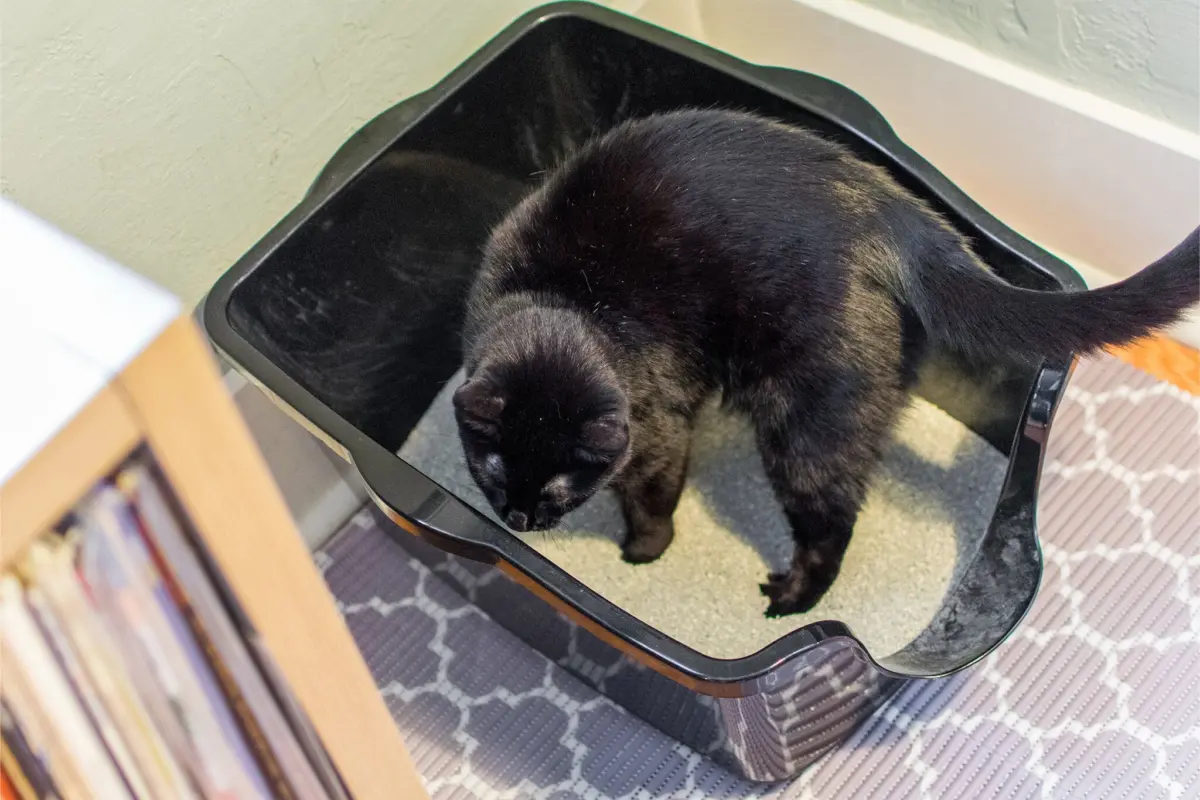
Traditional plastic litter boxes are inexpensive and lightweight, but they possess a major structural flaw: plastic is porous. Over time, the acidic nature of cat urine and sharp claws create microscopic scratches that trap bacteria and odor-causing molecules, making them nearly impossible to deodorize permanently.
By contrast, stainless steel litter boxes—such as the Less Litter Box L-5—are corrosion-resistant, incredibly durable, and chemically inert, meaning they will never absorb or retain bacteria. While stainless steel models carry a higher upfront cost and are heavier than plastic alternatives, they represent a true "buy-it-for-life" investment that eliminates chronic odor retention.
3. Harness Air Purifiers and Advanced Pails
Environmental controls play a massive role in mitigating ambient odors.
- Air Purifiers: Fine particulate matter, including airborne bacteria, litter dust, and pet dander, constantly hovers around the bathroom zone. Positioning a high-efficiency air purifier—such as the Coway Airmega Mighty—near the litter box actively filters these microscopic odor carriers out of the air before they can settle on furniture or textiles.
- Dedicated Pails: Tossing scooped waste into a standard open indoor trash can guarantees that odors will escape into your living space. Investing in a specialized, airtight disposal system like the Litter Genie Plus securely seals waste inside multi-layer plastic film liners, allowing for daily scooping without frequent trips to an outdoor bin.
- Automatic Litter Boxes: For busy pet owners, automated self-cleaning units like the Litter-Robot 4 can streamline maintenance. However, while they successfully remove waste post-use, they still demand regular deep-cleaning of internal crevices and corners where grime accumulates.
Official Statements & Behavioral Insights
Understanding feline psychology is just as important as mastering cleaning techniques. According to Dr. Mikel Delgado, attempting quick-fix DIY solutions—such as sprinkling baking soda, activated charcoal, or commercial deodorizing additives directly into your cat’s litter—is strongly discouraged.
"Cats possess a sense of smell far superior to our own, and their paws are extremely sensitive to foreign textures," notes Dr. Delgado. "Adding unapproved powders or chemicals to their substrate increases the risk of accidental ingestion during grooming and can easily deter the cat from using the box altogether."
Furthermore, behavioral experts emphasize the importance of spatial placement. Many homeowners attempt to tuck litter boxes away in dark, confined closets or cramped corners to hide them from view. Without rigorous daily maintenance, however, enclosing a box in a stagnant space causes ammonia and waste gases to concentrate heavily, creating an overwhelming sensory trap that repels the cat.
Instead, prioritize well-ventilated areas. If your cat is comfortable with the transition, placing the box near an open window, a well-circulated hallway, or a room with active ventilation promotes airflow that naturally disperses ambient odors.
Future Outlook: Sustainable Pet Care and Innovation
As the pet care industry continues to evolve, the focus on sustainable, health-conscious home management is accelerating. Manufacturers are shifting away from chemical-heavy additives and single-use plastics, placing greater emphasis on eco-friendly, biodegradable litters, modular stainless steel systems, and smart home air-monitoring devices tailored specifically for multi-pet households.
Looking ahead, the key to harmonious multi-species living lies in proactive hygiene rather than reactive masking. By combining daily scooping habits, bi-monthly deep-cleaning routines, non-toxic unscented substrates, and strategic air filtration, pet owners can successfully neutralize unwanted odors. In doing so, you protect your home’s atmosphere while honoring your cat’s sensitive biological needs—ensuring a clean, stress-free environment for everyone under your roof.