
Executive Overview
In the bustling neighborhoods, quiet barrios, and coastal towns of the Philippines, a resilient and remarkably intelligent canine has quietly coexisted with human society for generations. Known locally as the Askal—or more formally by its modern, reclaimed moniker, the Aspin—this indigenous dog represents a fascinating departure from the rigid pedigree standards of the Western kennel world. Far from being ordinary strays, Askals are a triumph of natural selection, embodying a unique blend of high intelligence, robust health, and a gentle, affectionate temperament that makes them exceptional companions.
Derived from the Tagalog phrase asong kalye, which literally translates to "street dog," the Askal is not a manufactured breed defined by human aesthetics or closed gene pools. Instead, it is a landrace of mixed-breed canines shaped by centuries of adaptation to the tropical Philippine environment. While they have long been a fixture of everyday Filipino life, a growing global awareness is beginning to shift the narrative. Animal welfare advocates, international rescuers, and dog enthusiasts abroad are increasingly recognizing the Askal not as a mutt of lesser value, but as a resilient, highly adaptable companion animal.
This comprehensive report examines the origins, physical and psychological traits, trainability, health advantages, and international journey of the Askal. By exploring the socio-cultural shifts surrounding this remarkable dog, we gain insight into how natural-heritage canines are challenging conventional notions of what makes a "good dog."
Detailed Chronology: From Street Survivors to Celebrated Companions
To truly understand the Askal, one must trace its journey through the socio-cultural history of the Philippines—a trajectory defined by survival, marginalization, and a recent, hard-won renaissance.
Pre-Colonial and Historical Roots
Long before Spanish and American colonizers introduced Western breeds to the Philippine archipelago, indigenous communities coexisted with native landrace dogs. These early canines served practical roles: guarding settlements, assisting in hunting, and acting as general communal companions. Because these dogs bred freely without human interference, natural selection dictated their survival. Only the smartest, hardiest, and most adaptable animals survived the elements and pressures of island life.
The Era of Stigmatization
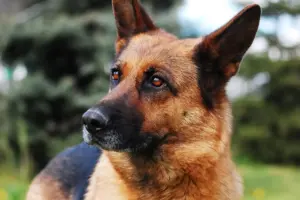
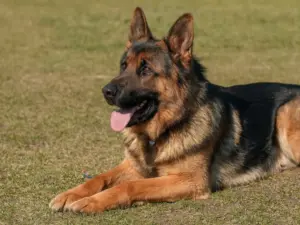
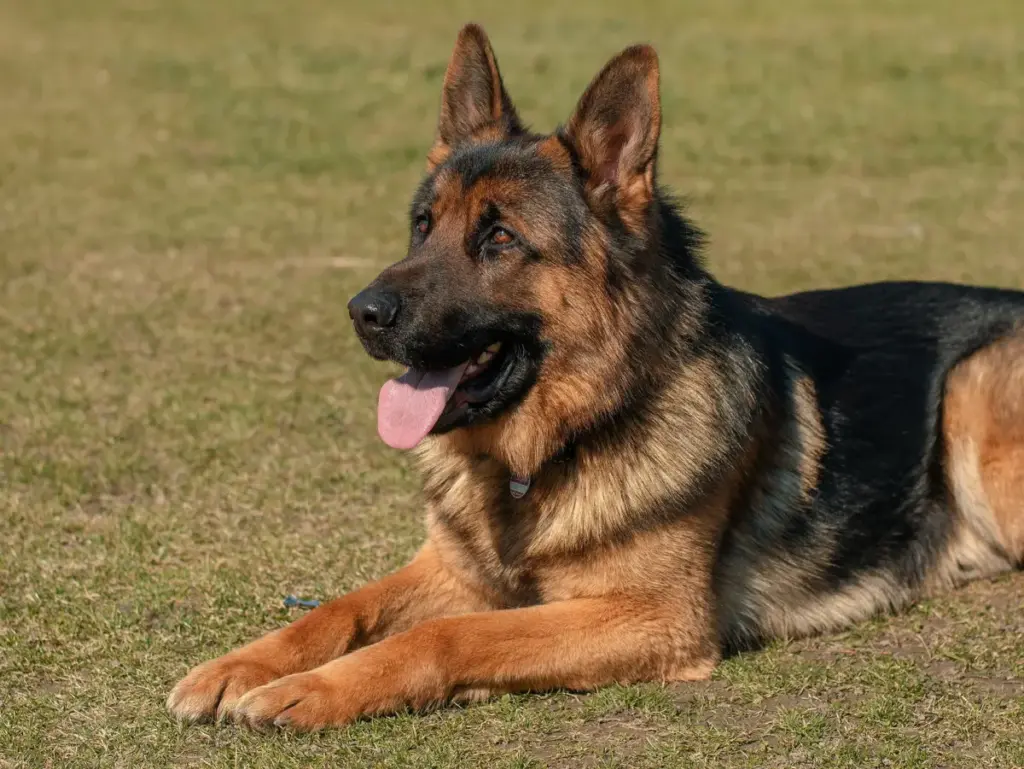
For much of the 20th century, free-roaming dogs in the Philippines bore a heavy social stigma. Referred to disparagingly as asong kalye or simply strays, they were frequently overlooked in favor of imported purebreds like German Shepherds, Shih Tzus, and Golden Retrievers, which served as status symbols among the urban middle and upper classes. Street dogs often faced neglect, culling programs, and animal cruelty, leading to a cultural perception that local dogs lacked value.
The Aspin Rebranding Movement
A major turning point occurred in the 21st century as animal welfare organizations—most notably the Philippine Animal Welfare Society (PAWS)—began championing the rights and dignity of native dogs. Activists and veterinarians realized that the derogatory term Askal carried negative connotations that hindered adoption and rescue efforts.
In response, a concerted rebranding campaign was launched. The term "Aspin"—a portmanteau of asong pinoy (Filipino dog)—was introduced to instill national pride and reframe the native dog as a cultural treasure. This linguistic shift was more than cosmetic; it served as a catalyst for changing public perception. Municipalities began hosting "Aspin festivals," obedience contests specifically for native dogs, and adoption drives that highlighted their superior health and loyalty.

Global Expansion and International Adoption
In recent years, the Askal’s journey has crossed international borders. Through the dedicated efforts of transnational rescue networks, hundreds of Aspins have been transported to the United States, Canada, and Europe. Today, these once-humble street survivors can be found lounging in suburban American backyards, competing in agility sports, and serving as certified therapy dogs, marking a monumental chapter in the breed’s global recognition.
Supporting Context & Metrics: Genetics, Health, and Morphology
While traditional purebred dogs are meticulously bred for uniform physical traits—often at the expense of their genetic health—the Askal benefits from the opposite evolutionary path.
Genetic Diversity and Natural Selection
The Askal is a quintessential landrace. Because their lineage is shaped by generations of free-roaming breeding, their gene pool is remarkably broad. This lack of artificial bottlenecking protects them from the hereditary disorders that plague purebred lines, such as hip dysplasia, respiratory distress syndromes, and congenital heart defects.
| Metric / Attribute | Askal / Aspin | Traditional Purebreds |
|---|---|---|
| Genetic Diversity | Exceptionally high (broad gene pool) | Low to moderate (often inbred/linebred) |
| Common Health Issues | Minimal; robust immune system | Prone to breed-specific genetic disorders |
| Life Expectancy | 12 to 15 years | Varies widely (often shorter in giant breeds) |
| Grooming Needs | Low (short, weather-resistant coat) | Varies (often high maintenance) |
| Morphology | Highly variable; medium-sized build | Highly standardized and uniform |
Physical Characteristics
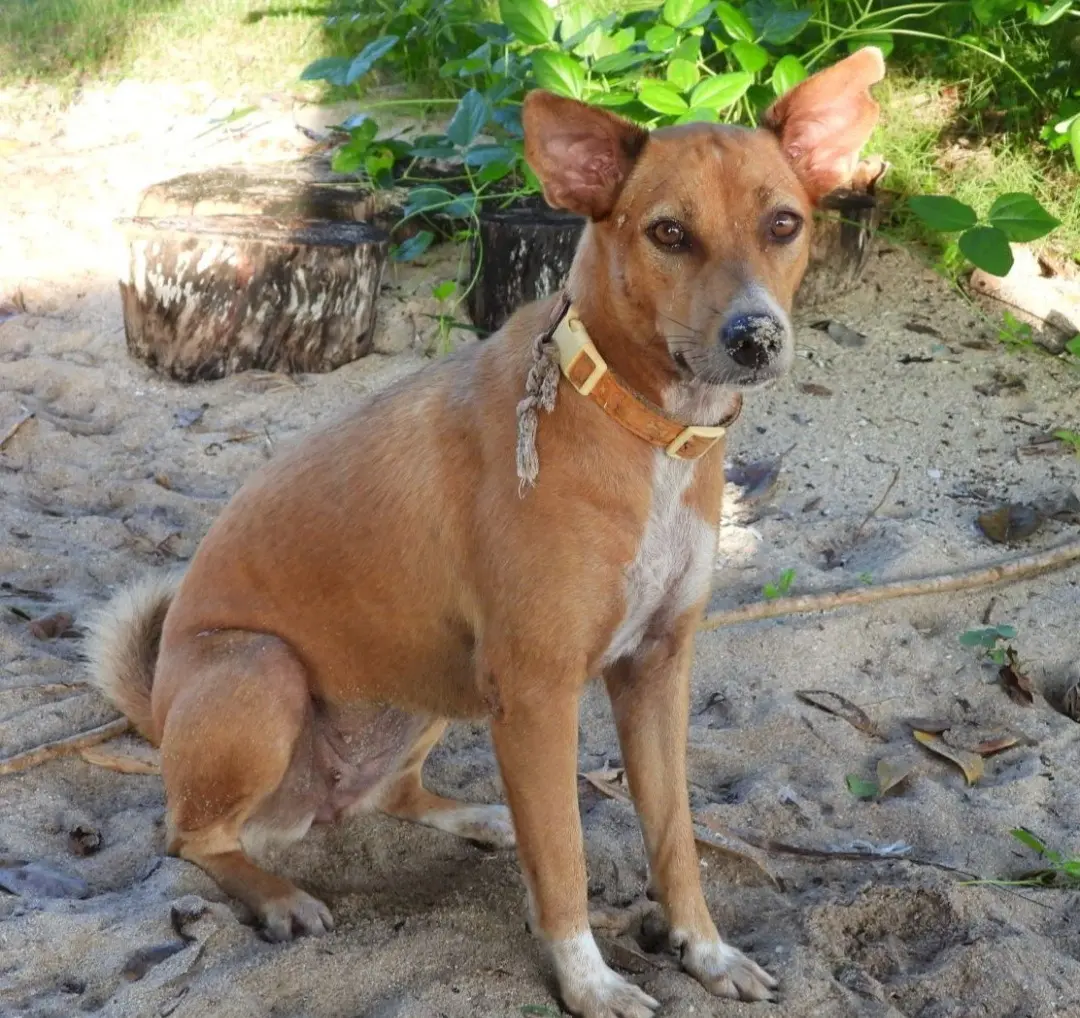
Despite the vast array of coat colors and patterns found within the population, several morphological traits remain consistent across the Askal demographic:
- Size and Build: Askals are predominantly medium-sized canines, engineered for agility and endurance rather than bulk.
- Coat: They typically sport a short, weather-resistant coat that handles tropical climates with ease. Colors range widely from solid black, brown, and white to brindle, patched, and bi-colored variations.
- Head and Ears: Their ears may be prick (standing alert) or drop (folding downward), and their muzzles are generally medium-to-long, allowing for efficient respiration and cooling.
Official Statements and Expert Insights
Veterinarians, animal behaviorists, and welfare advocates have increasingly spoken out regarding the exceptional qualities of the Askal, urging the public to look past superficial pedigree labels.
Dr. Emilia Santos, a Manila-based veterinarian and animal welfare advocate, emphasizes the biological resilience of the native dog:
"When you look at an Askal, you are looking at centuries of pure evolutionary engineering. They do not suffer from the engineered vulnerabilities we see in heavily-styled pedigree breeds. Their immune systems are battle-tested, and their physical structure is optimized for endurance. Medically speaking, they are among the healthiest dogs you can bring into a home."
Animal behaviorists also point out that the Askal’s street background has equipped them with superior cognitive flexibility. Unlike dogs bred strictly for singular tasks (such as herding or retrieving), Askals possess advanced problem-solving skills.

According to canine cognition researcher Marcus Vance:
"Street-born dogs must make autonomous decisions every single day to survive. This instills a high degree of situational awareness and intelligence. When you bring an Askal into a domestic environment, that same sharp intellect translates into rapid learning, provided the owner establishes mutual trust and positive reinforcement."
Training, Temperament, and Care
Integrating an Askal into a domestic household is a rewarding experience, though prospective owners must understand their unique psychological background.
Intelligence and Trainability
Askals are remarkably sharp and can easily rival recognized working breeds like German Shepherds or Huskies in their capacity to learn commands. However, because of their independent streak, traditional authoritarian training methods often fall short. They respond best to patience, consistency, and positive reinforcement.
Trust and Socialization
Dogs that have spent time on the street often harbor a natural wariness of humans. Winning the trust of a street-rescued Askal requires time, empathy, and respect for their boundaries. Once that bond is forged, however, their loyalty is absolute. They exhibit a gentle demeanor around children and make peaceful, cheerful household additions.
Exercise and Maintenance
- Physical Activity: Askals do not require grueling exercise regimens. Simple daily walks or safe access to an enclosed yard to explore and stretch their legs are more than sufficient.
- Grooming: Thanks to their short coats, Askals are exceptionally low-maintenance. They require minimal brushing and only occasional baths, making them ideal pets for busy owners.
Future Outlook: The Global Future of the Aspin
As global attitudes toward pet adoption continue to evolve—with a growing emphasis on "adopt, don’t shop"—the Askal is uniquely positioned to capture the hearts of animal lovers worldwide.
Legal importation into countries like the United States is fully permissible, provided owners strictly adhere to Centers for Disease Control and Prevention (CDC) guidelines, including verifiable vaccination records and health clearances. While sourcing an Askal outside of the Philippines remains a challenge due to geographic distance, specialized rescue organizations are successfully bridging the gap.
Ultimately, the Askal transcends its humble beginnings as a "street dog." It stands as a living testament to resilience, intelligence, and adaptability. Whether roaming the sun-drenched alleys of Manila or curled up on a living room rug in Chicago, the Aspin has proven that true companionship has nothing to do with paper pedigrees, and everything to do with heart.