
Executive Overview
In an era defined by compounding environmental and social crises, the intersection of food justice, ecological stewardship, and climate resilience has never been more critical. Recent months have witnessed a powerful convergence of these disciplines across the landscapes of Colorado, where the National Audubon Society joined forces with FrontLine Farming, a prominent food justice and advocacy organization. Over a transformative two-day immersive event, members of FrontLine Farming’s Black Teen Cultivators program stepped into the fields and pastures of the American West to explore the deep, unbreakable connections uniting bird conservation, regenerative ranching, and community-driven food sovereignty.
This pioneering collaboration challenges historical divides within the environmental movement, weaving together community science, sustainable agriculture, and equity. By bringing young Black, Indigenous, and People of Color (BIPOC) agriculturalists face-to-face with active field researchers and sustainable ranchers, the partnership broadens the traditional boundaries of environmental stewardship. It demonstrates that the future of conservation relies not on isolated wilderness preservation, but on working lands—farms and ranches where food production and biodiversity must thrive in tandem.
This report provides an in-depth examination of the two-day event, detailing the hands-on scientific methodologies introduced to the youth, the ecological principles governing regenerative ranching, the structural importance of organizations like FrontLine Farming, and the broader implications of uniting agricultural equity with grassland conservation.
Detailed Chronology: A Two-Day Immersive Journey
The collaborative initiative was meticulously designed to bridge urban agricultural practice with rural landscape ecology. Spanning two distinct environments—an intensive urban-adjacent farm and a sprawling certified bird-friendly cattle ranch—the curriculum offered participants a comprehensive view of modern environmental science and sustainable food systems.
Day One: Urban Agriculture, Field Science, and Avian Ecology at Majestic View Farm
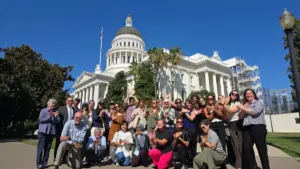
The first day of the event unfolded at Majestic View Farm in Arvada, Colorado, a growing space managed by FrontLine Farming. Led by educators and community science coordinators from Audubon Rockies—including Jacelyn Downey, Shelby Foery, and Zach Hutchinson—the morning began with an interactive masterclass in field biology and ornithology.
Gathered around a rustic picnic table, ten teenagers from the Black Teen Cultivators program watched with bated breath as Hutchinson handled a softly wriggling cloth sack. Moments earlier, Hutchinson had successfully captured a Black-capped Chickadee using a specialized mist net erected in the farm’s hedgerows. Slowly opening the bag, he extracted the bird and demonstrated the professional "bander’s grip," positioning the delicate creature securely between his fingers and palm.
"There’s a bird in there?!" one student exclaimed, eyes wide with astonishment as the chickadee blinked calmly in the morning light.
Hutchinson carefully clamped a lightweight, uniquely coded metal band around the bird’s leg, explaining to the rapt audience that the aluminum ring causes no harm or discomfort to the animal. Instead, it acts as an invaluable research tool, allowing ornithologists to track migration patterns, monitor population health, and study survival rates over time.
Following the data collection phase, the educational focus shifted to practical application. Hutchinson gently placed the chickadee into the open palm of one of the participating teenagers. After a brief, quiet pause, the bird launched upward, finding sanctuary in the surrounding trees. For many of the teens, this tactile, immediate connection with wildlife served as the emotional core of the program.
The morning sessions extended far beyond bird handling. Audubon Rockies personnel led expansive discussions examining how global climate change actively disrupts local wildlife populations, alters migration windows, and strains agricultural food chains. Following the morning science curriculum, FrontLine Farming staff served an organic, farm-to-table lunch. The meal was sourced almost entirely from the organization’s own growing plots and its innovative No Cost Grocery program, directly tying the concepts of ecological health to human nutrition and community nourishment.
Day Two: Regenerative Ranching and Grassland Ecology at Rafter W Ranch
Transitioning from urban agriculture to rural working landscapes, the second day of the program transported the Black Teen Cultivators to Simla, Colorado. Here, the students visited the Rafter W Ranch, a working cattle operation owned and operated by Lance Wheeler.
Rafter W Ranch is not a conventional agricultural enterprise; it is designated as Audubon Certified Bird-Friendly Land. Achieving and maintaining this certification requires strict adherence to rigorous protocols governing habitat management, animal welfare, and environmental sustainability. Guiding the students through this landscape were Audubon Conservation Ranching team members Dusty Downey, Chris Wilson, William Walker VI, and range ecologist Louisa Kimmell.
The day’s curriculum centered on the mechanics of regenerative ranching—a holistic approach to land management that mimics the historical grazing patterns of native herbivores to restore soil vitality, enhance water retention, and rebuild degraded ecosystems.
During an extensive pasture walk led by rancher Lance Wheeler, students learned the core tenets of nature-based ranching. Rather than viewing cattle as ecological disruptors, the curriculum reframed ruminants as active tools for landscape restoration. Managed properly, rotational grazing stimulates plant growth, drives carbon sequestration deep into the soil profile, and creates diverse structural habitats essential for grassland-dependent birds.
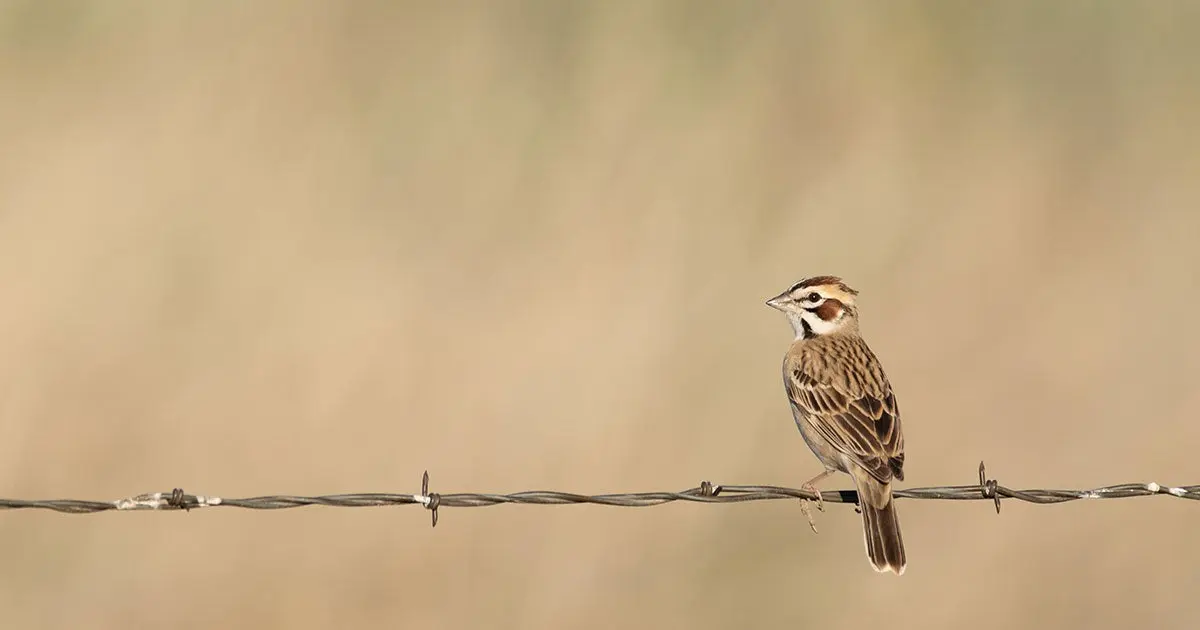
The landscape was alive with avian activity. As the group traversed pastures and riparian corridors, they spotted numerous native grassland species flourishing in the managed environment. Binoculars focused on Horned Larks, Lark Sparrows, Lark Buntings, and both Western and Eastern Kingbirds darting across the open plains.
The immersive experience concluded with a sense of community celebration: a ranch-style barbecue featuring grass-finished beef burgers from Rafter W Ranch, paired with fresh, organic greens supplied by FrontLine Farming. This final gathering served as a tangible manifestation of the event’s central thesis—that healthy lands, sustainable food production, and vibrant communities are fundamentally inseparable.
Supporting Context and Metrics: The Intersection of Agriculture, Equity, and Ecology
To fully appreciate the significance of the Audubon and FrontLine Farming partnership, one must examine the broader systemic challenges facing American agriculture, grassland ecosystems, and environmental representation.
The Crisis of North American Grasslands
Grasslands are among the most imperiled biomes on Earth. In North America, the Great Plains have experienced catastrophic habitat loss, largely driven by intensive row-crop conversion, urban sprawl, and unsustainable livestock management practices. This degradation has triggered a corresponding collapse in biodiversity. According to landmark avian studies, North America has lost nearly three billion birds since 1970, with grassland bird populations suffering the steepest and most persistent declines of any avian guild.
Because the vast majority of grassland acreage in the United States is privately owned and operated as working ranches, traditional protected areas and national parks alone cannot save these ecosystems. Conservation strategies must engage the stewards of working lands. Programs like the Audubon Conservation Ranching initiative incentivize ranchers to adopt bird-friendly practices by providing market access and consumer recognition, proving that economic viability and ecological health can reinforce one another.
FrontLine Farming and the Imperative of Food Sovereignty
Formed in 2018, FrontLine Farming occupies a vital space in the modern agricultural landscape. The Denver-based organization was established to address deep-seated inequities in land access, capital distribution, and agricultural education. BIPOC farmers and ranchers have historically faced systemic barriers—ranging from discriminatory lending practices to outright land dispossession—resulting in a severe lack of representation in mainstream agriculture.
FrontLine Farming works tirelessly to elevate the agricultural interests of Black, Indigenous, and People of Color, as well as young and beginning farmers. Through targeted educational initiatives like the Black Teen Cultivators program, the organization equips the next generation with practical skills in sustainable food production, land stewardship, and community leadership. By anchoring youth in the realities of food sovereignty, FrontLine Farming ensures that marginalized communities are not merely recipients of environmental policy, but active architects of a sustainable food future.
The Interdependence of Conservation and Agriculture
The partnership between Audubon and FrontLine Farming bridges two historically siloed movements: mainstream conservation—which has historically struggled with diversity and urban engagement—and the food justice movement, which has frequently focused inward on community health and food access.
By uniting these efforts, the organizations highlight a profound truth: ecological conservation cannot succeed in a vacuum, and agricultural security cannot survive ecological collapse. Healthy soils depend on complex biological webs that include insects, amphibians, and birds. In turn, thriving avian populations act as natural pest controllers, pollinators, and bio-indicators of ecosystem health. Educating youth at the intersection of these disciplines cultivates a holistic worldview, training leaders who understand that human survival is inextricably linked to the vitality of the natural world.
Official Statements and Perspectives
The success of the collaborative event has drawn widespread praise from leaders across both organizations, underscoring a shared commitment to long-term systemic change.
Louisa Kimmell, Range Ecologist for the Audubon Conservation Ranching Program in Colorado:
"Events like this are crucial for inspiring the next generation of agriculturalists and conservationists and offering the idea that the two not only can co-exist, but are interdependent. We are honored to get to work with organizations like FrontLine Farming, who run incredible programs that immerse youth in regenerative agriculture and nature, and who are open to incorporating new ideas into their programming, such as Audubon’s work surrounding bird conservation and ranching. I left this event feeling hopeful and confident in the future leaders of regenerative agriculture and conservation and excited to continue to work with FrontLine Farming in the future!"
Kourtnie Burse, Education Manager at FrontLine Farming:
"Partnering with Audubon gave our Black Teen Cultivators an opportunity to see the connection between farming, ecology, and conservation in a hands-on way. Over the two days, our youth not only learned about birds and their role in healthy ecosystems, but they also deepened their understanding that caring for the land means protecting all of the life it supports. Partnerships like this help expand our youth’s vision of what environmental stewardship can look like and inspire them to see themselves as future leaders in agriculture and conservation."
Zach Hutchinson, Community Science Coordinator for Audubon Rockies:
"As part of the community building team, sharing in the wonder of birds with the Black Teen Cultivators will be a lasting memory. The passion for community-driven food sovereignty already kindled in these future leaders provided the foundation to have open conversations and experiential learning about the intersection of conservation and sustainable food production. Our time banding birds on an active farm and watching prairie birds moving in family units on the Rafter W Ranch will hopefully ensure the idea that conservation is accessible to all."
Future Outlook: Building Resilient Landscapes and Communities
As the environmental and agricultural sectors face the mounting pressures of a changing climate, initiatives like the Audubon and FrontLine Farming partnership offer a blueprint for effective, inclusive stewardship. The success of this two-day pilot event has laid a robust foundation for future programming, expanding the horizons of youth leadership and proving that ecological literacy belongs in every community.
Moving forward, Audubon and FrontLine Farming plan to deepen their collaboration, scaling educational events and curriculum sharing to reach even broader audiences. By continuing to explore the nexus of food production, grassland conservation, and socioeconomic equity, these organizations are helping to foster a new generation of agriculturalists and conservationists.
Ultimately, this partnership affirms a vital message: that the future of America’s working lands depends on inclusion, collaboration, and an unwavering commitment to protecting the complex web of life that sustains us all.
About Audubon Conservation Ranching
The Audubon Conservation Ranching program partners with private landowners and ranchers to sustain healthy grasslands, abundant birdlife, and resilient rural communities. Through bird-friendly land certification and rigorous, science-based protocols, the initiative empowers land stewards to enhance wildlife habitat, improve soil health, and optimize water quality. By purchasing products originating from Audubon Certified Bird-Friendly Land, consumers actively participate in conservation, helping to safeguard America’s remaining grasslands and the diverse species and human communities that depend upon them. To learn more about this initiative, visit www.audubon.org/ranching.