
Date: November 12, 2026
Organization: Alley Cat Allies Reporting Desk
Executive Overview
The landscape of animal advocacy is witnessing a pivotal moment as advocacy groups, lawmakers, and communities clash over policies affecting community cats. In recent weeks, Alley Cat Allies—a leading national organization dedicated to protecting and improving the lives of all cats—has spearheaded multi-faceted campaigns spanning from municipal policy adjustments in Ohio and California to landmark legal actions and criminal prosecutions in Georgia, Florida, and North Carolina.
This comprehensive report examines recent developments in feline advocacy, highlighting a major legislative victory in Kent, Ohio, contrasted sharply by a disappointing setback in Ripon, California. Furthermore, this report details aggressive legal interventions and escalating rewards aimed at securing justice in high-profile animal cruelty cases involving domestic and community cats. Through these combined efforts, animal advocates aim to establish robust precedents safeguarding animal welfare, reinforcing the principles of Trap-Neuter-Return (TNR), and ensuring that public officials and private individuals alike are held accountable under the law.
Detailed Chronology of Recent Events
The past several weeks have brought a flurry of legislative decisions, legal filings, and community interventions. The following chronology outlines the key developments tracked by Alley Cat Allies and local animal welfare advocates:
- Early April 2026: In Lincolnton, Georgia, an incident occurs where a domestic cat named Piper is shot and killed by a private citizen—identified as Lizzy Long, the wife of Lincolnton Mayor Mike McCombs. The entire event is captured on police body camera footage, revealing that Piper suffered extreme distress before succumbing to her injuries.
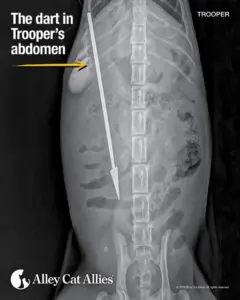
- Mid-2026: In Catawba County, North Carolina, a cat named Trooper is fatally wounded after being shot with a blowgun dart, prompting local outrage and national attention.
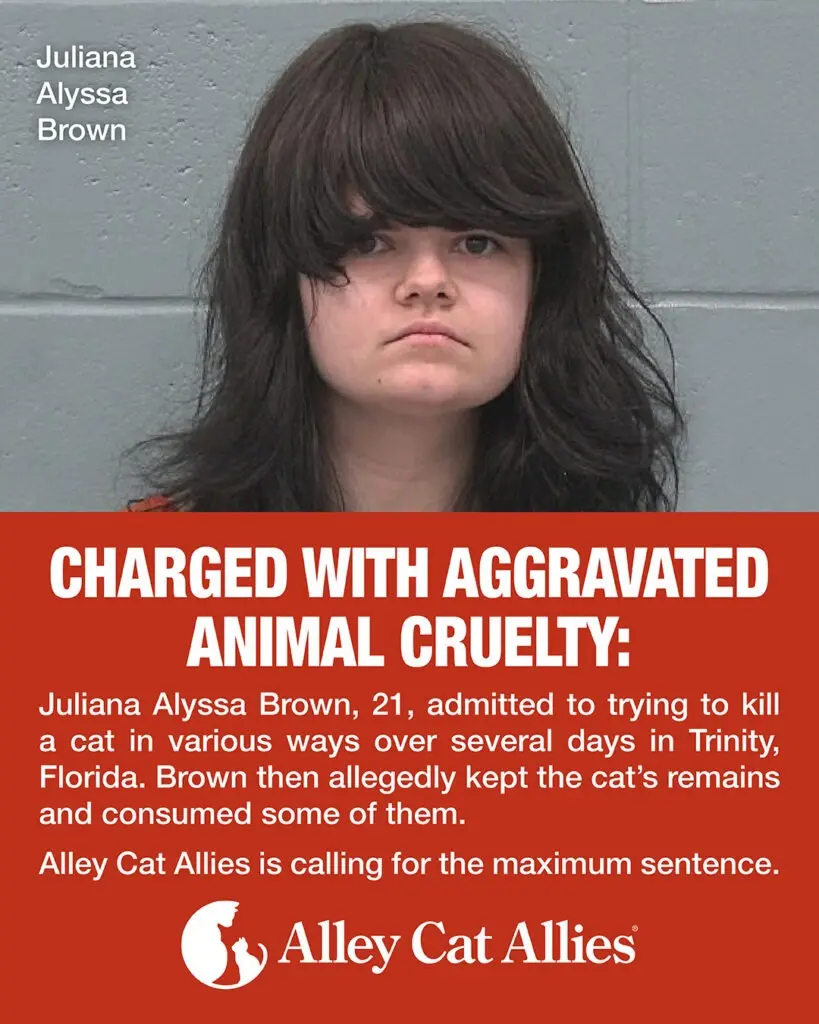
- October 2026: In Trinity, Florida, 21-year-old Juliana Alyssa Brown is arrested following an affidavit in which she allegedly confessed to torturing a cat over several days, keeping its remains, and consuming a portion of them.
- Late October to Early November 2026: Municipal leaders in Kent, Ohio, and Ripon, California, evaluate proposed wildlife feeding bans that threaten to encompass and criminalize the feeding of community cats.
- Early November 2026:
- The City Council of Kent, Ohio, following intensive educational outreach from Alley Cat Allies and local citizens, votes to officially remove community cats from its pending wildlife feeding ban.
- Despite widespread public opposition and expert testimony, the Ripon City Council in California votes unanimously to pass a comprehensive feeding ban that effectively outlaws the care of community cats.
- Alley Cat Allies files a landmark lawsuit against the City of Lincolnton and Mayor Mike McCombs in response to the unlawful shooting of Piper and the subsequent recall of an arrest warrant.
- Mid-November 2026: Alley Cat Allies announces an increased reward of $20,000 for information leading to the arrest and conviction of Trooper’s killer, while deploying field teams to Catawba County, North Carolina. Simultaneously, the organization offers expert prosecutorial support in the Juliana Brown animal cruelty case in Florida.
Supporting Context & Metrics
Understanding the urgency of these events requires examining the underlying science of feline population management and the sociological impact of animal cruelty legislation.
The Science of Trap-Neuter-Return (TNR)
For decades, animal welfare experts have advocated for Trap-Neuter-Return (TNR) as the singular humane and effective approach to managing community cat populations. Under a TNR program, cats are humanely trapped, evaluated, vaccinated, spayed or neutered, ear-tipped for identification, and returned to their outdoor homes.
A critical component of successful TNR operations is organized, consistent feeding by community caretakers. Feeding bans targeting wildlife frequently sweep community cats into broad legal categories, making it illegal for caretakers to provide sustenance. As Alley Cat Allies emphasizes, feeding bans are not only cruel and counterproductive, but they also penalize the very citizens who invest their own time and financial resources to keep outdoor cat populations healthy, stable, and vaccinated against rabies.
Quantifying the Scope of Action
- 1.8 Million: The estimated number of active supporters and advocates aligned with Alley Cat Allies worldwide as of late 2026.
- $20,000: The enhanced reward offered by Alley Cat Allies for information regarding the brutal dart-shooting of Trooper in North Carolina.
- 5 Years & $10,000: The maximum statutory penalties being pursued by animal advocates in the aggravated animal cruelty case against Juliana Alyssa Brown in Florida.
- Zero (0): The number of prior recorded cases reported on legal research platforms like Westlaw alleging ultra vires claims against a municipal government official resulting in acts of animal cruelty, making the Lincolnton lawsuit a legal first of its kind.
Official Statements & Legal Arguments
The battles being fought across multiple state jurisdictions highlight divergent philosophies regarding municipal governance, accountability, and animal protection.
Municipal Policy: Kent, Ohio vs. Ripon, California
When the City of Kent initially proposed a wildlife feeding ban that swept community cats into its regulatory net, Alley Cat Allies acted swiftly. By communicating directly with the mayor and city council, the organization provided essential educational materials. Their message was clear: targeting cats through feeding bans harms the human volunteers willing to help manage municipal animal populations and undermines evidence-based public health strategies. Recognizing these facts, Kent officials wisely reversed course and removed cats from the ban.
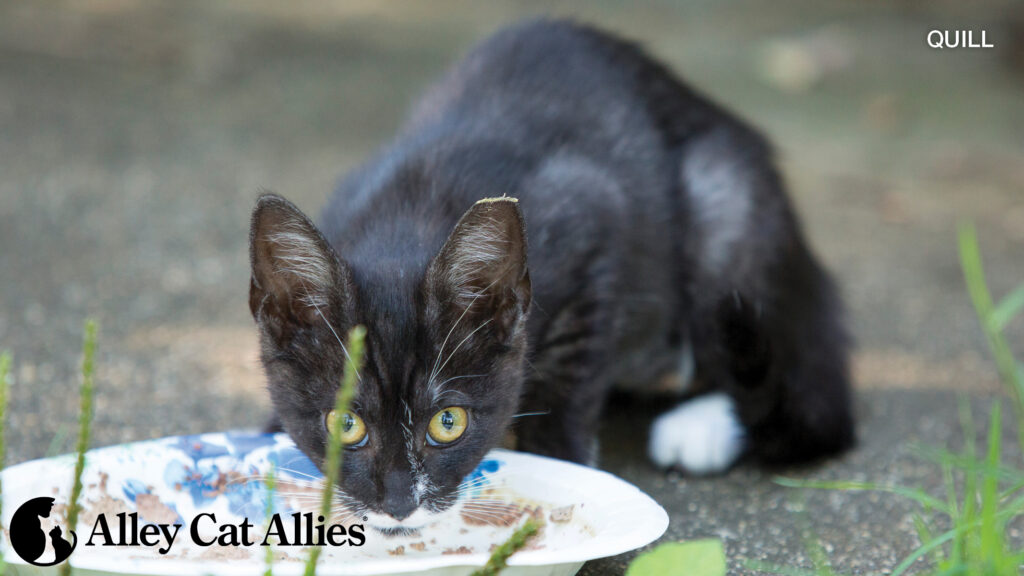
Conversely, the outcome in Ripon, California, highlighted a systemic disregard for expert consensus and public will. Despite comprehensive outreach, formal offers of support for humane alternative programs, and unanimous public comment opposing the ban during council sessions, the Ripon City Council pressed forward. Alley Cat Allies has made it clear that the fight in Ripon is far from over, signaling potential legal challenges to overturn a policy that consigns outdoor cats to suffering and renders TNR impossible.
Legal Accountability in Lincolnton, Georgia
The lawsuit filed against the City of Lincolnton and Mayor Mike McCombs represents a watershed moment in accountability for public officials. The core of the legal argument centers on the misuse of government authority—specifically ultra vires actions, wherein an official acts beyond the scope of their legal power.
By permitting Mayor McCombs’s wife, Lizzy Long, to shoot and kill a domestic cat (Piper) on camera, and subsequently allowing the swift recall of an arrest warrant for animal cruelty, local authorities allegedly subverted the justice system. Alley Cat Allies maintains that public officials, their friends, and their families are not above the law, and the organization is committed to seeing the litigation through to ensure structural accountability.
Prosecution Support in Trinity, Florida
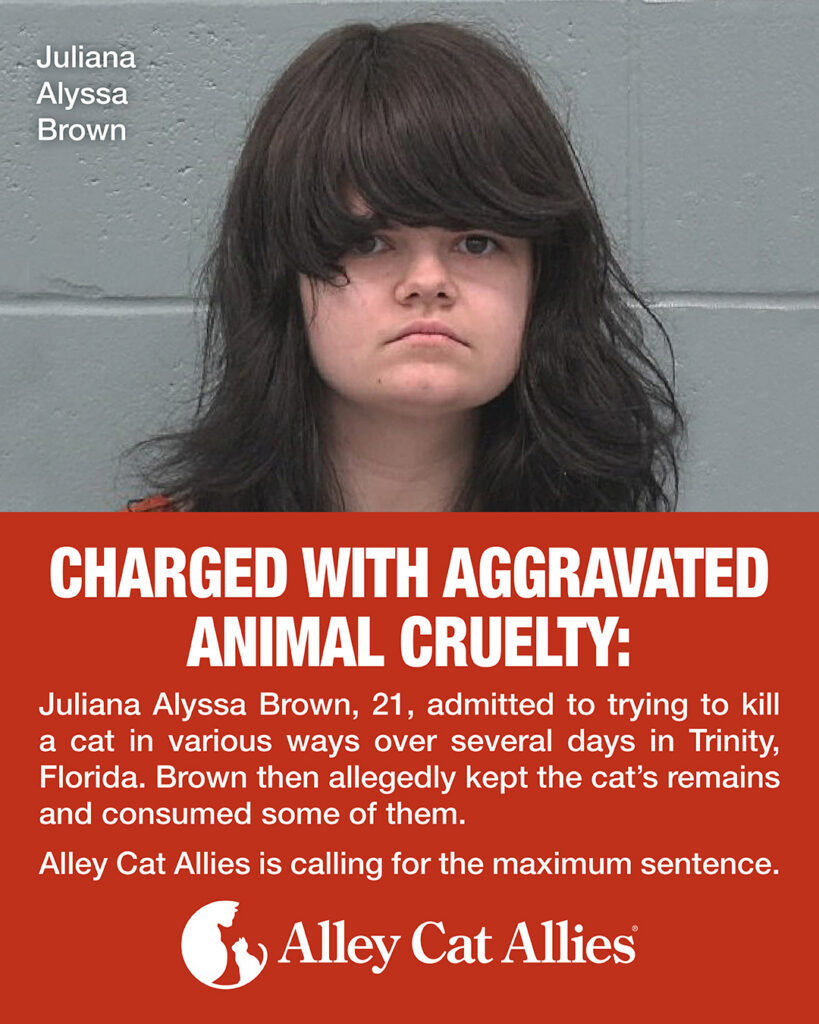
In the case of Juliana Alyssa Brown, the brutality of the alleged offenses—torturing a cat over multiple days, retaining its remains, and consuming parts of them—has shocked the conscience of the public. Alley Cat Allies has stepped forward to offer specialized resources to prosecutors. The objective is twofold: to secure the maximum possible sentence of five years in prison and a $10,000 fine, and to establish a formidable judicial precedent that deters future acts of extreme violence against animals.
Future Outlook
As the calendar moves toward the close of 2026, the trajectory of animal welfare law and community advocacy faces both formidable challenges and inspiring victories. The contrast between Kent, Ohio—where education prevailed—and Ripon, California—where policy was enacted in defiance of public sentiment—demonstrates that the battle for feline rights is intensely localized yet nationally connected.
Moving forward, Alley Cat Allies plans to expand its educational initiatives regarding feeding bans, directing communities toward resources available at alleycat.org/FeedingBan. Furthermore, ongoing investigations, reward distributions in North Carolina, and complex civil litigation in Georgia will serve as litmus tests for how American jurisprudence handles animal cruelty and governmental abuse of power.

The overarching takeaway for advocates and everyday citizens alike is the undeniable impact of collective action. Whether through attending a city council meeting, supporting humane TNR programs, or contributing to legal defense funds, the voice of the community remains the strongest shield protecting vulnerable animals from cruelty and neglect.