
By Sebastian Sindermann
Published February 7, 2020
Executive Overview
For millions of households around the globe, dogs, cats, and other
companion animals are not merely pets—they are cherished, integral members of the family. We meticulously select premium nutrition, invest in the finest bedding, and schedule regular vaccinations to ensure our four-legged companions live long, vibrant lives. Yet, despite these devoted efforts, one of the most critical facets of animal husbandry is routinely overlooked: pet dental health.
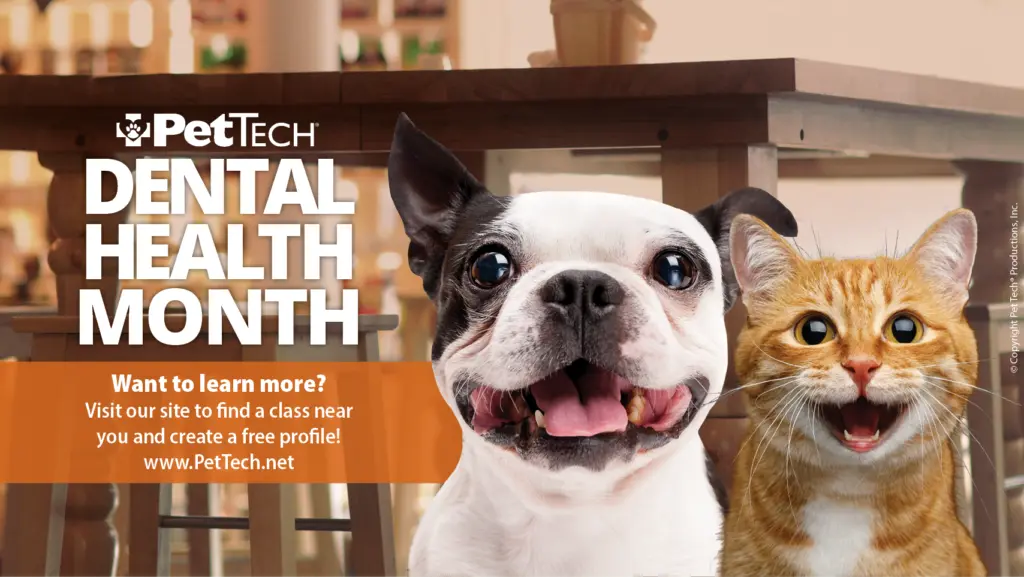
Every February, the veterinary community and animal welfare organizations unite to observe National Pet Dental Health Month. This annual campaign serves as a vital reminder that oral hygiene is not a superficial grooming concern, but rather a foundational pillar of systemic health. Statistics compiled by veterinary authorities reveal a staggering reality: by the tender age of three, a vast majority of dogs and cats already exhibit early, clinical signs of periodontal disease.
When left unchecked, an unhealthy mouth does not merely result in tooth loss or unappealing odors. Bacteria thriving in the oral cavity can infiltrate the bloodstream, launching silent, devastating attacks on vital organs including the heart, kidneys, and liver.
This comprehensive report explores the multifaceted landscape of veterinary dentistry. We will examine the pathophysiology of periodontal disease, analyze the systemic risks associated with neglected oral hygiene, review the primary contributing factors identified by leading veterinary societies, and outline actionable, everyday preventative strategies that empower owners to become true advocates for their pets’ lifelong wellness.
Detailed Chronology: Understanding the Progression of Oral Disease
To fully grasp the importance of pet dental care, one must understand how rapidly and insidiously oral disease develops in companion animals. Unlike humans, who typically brush their teeth twice daily and benefit from routine flossing, companion animals rely almost entirely on their owners and natural chewing habits to manage plaque accumulation.
Phase 1: The Formation of Plaque (Days 1–3)
Within hours of a meal, a thin, colorless film known as a pellicle forms on a pet’s teeth. This film quickly attracts bacteria naturally present in the oral cavity. Combined with saliva and microscopic food particles, these bacteria multiply rapidly to form plaque. At this initial stage, the plaque is soft and easily removable through mechanical action, such as toothbrushing or chewing specialized dental toys.
Phase 2: Mineralization and Tartar Accumulation (Weeks to Months)
If plaque is not removed within a few days, minerals present in the pet’s saliva begin to bind with it. This chemical reaction causes the soft plaque to harden into calculus, commonly referred to as tartar. Unlike plaque, tartar is hard, porous, and firmly adheres to the enamel. Its rough surface provides an ideal breeding ground for even more bacteria, accelerating the decay process and shifting the balance of the oral microbiome toward pathogenic species.
Phase 3: Gingivitis and Soft Tissue Inflammation
As tartar accumulates, it extends downward beneath the gumline. The immune system reacts to this bacterial invasion by sending white blood cells to the area, resulting in inflammation of the gums—a condition known as gingivitis.
- The Healthy Mouth: Characterized by "bubble-gum" pink gums that fit snugly around firm, white teeth, completely devoid of foul odors.
- The Unhealthy Mouth: Characterized by bright red, swollen, or bleeding gums, visible yellowish-brown tartar crusts, and persistent halitosis.
At this stage, gingivitis is still reversible with professional veterinary cleaning and proper home care. However, if ignored, it progresses inexorably to the next phase.
Phase 4: Advanced Periodontal Disease and Systemic Threat
Left untreated, gingivitis advances into true periodontal disease. The supporting structures of the teeth—including the periodontal ligament and the alveolar bone—begin to break down. Gums recede, deep pockets form around the roots, and teeth become loose, painful, and prone to spontaneous loss. More alarmingly, the microscopic barriers of the inflamed gums break down, allowing millions of oral bacteria to enter the bloodstream every single day. This introduces a chronic state of bacteremia that places immense stress on the internal organs.
Supporting Context & Metrics: The Scale of the Crisis
The prevalence of dental disease in domestic pets is not a collection of isolated incidents; it constitutes a widespread veterinary health crisis. According to data published by the American Veterinary Dental Society (AVDS) and supported by companion animal practitioners worldwide:
- Over 80% of dogs show clinical signs of periodontal disease by the time they reach three years of age.
- Over 70% of cats suffer from similar oral pathology within the same developmental timeframe.
- Only a fraction of pet owners systematically implement daily tooth-brushing routines at home, leaving the vast majority of animals vulnerable to preventable systemic complications.
The Myth of "Doggie" and "Kitty" Breath
One of the most persistent misconceptions in pet ownership is the acceptance of foul breath as a normal attribute of companion animals. Phrases like "doggie breath" normalize what is actually a pathological warning sign.
A healthy mouth does not emit offensive odors. Persistent halitosis is the primary clinical indicator of volatile sulfur compounds produced by anaerobic bacteria thriving in decaying food, plaque, and tartar. When an owner dismisses bad breath as a quirky trait, they inadvertently ignore the early warning bell of an escalating internal infection.
Multi-Systemic Complications
The consequences of advanced periodontal disease extend far beyond the oral cavity. Veterinary medicine has firmly established direct correlations between poor oral hygiene and degenerative conditions in major internal organ systems:
- Cardiovascular Disease: Bacteria entering the bloodstream through diseased gums can attach to damaged heart valves, leading to endocarditis—a dangerous inflammation of the inner heart lining. Furthermore, systemic inflammation driven by chronic oral infections contributes to the hardening and narrowing of arteries.
- Kidney (Renal) Compromise: The kidneys act as the body’s filtration system. Constantly filtering high volumes of bacteria and inflammatory byproducts strains renal tissues over time, accelerating chronic kidney disease, particularly in aging pets.
- Hepatic (Liver) Damage: The liver processes toxins absorbed from the gastrointestinal and circulatory systems. Persistent bacterial loads from the oral cavity overwhelm hepatic function, potentially leading to degenerative liver changes.
Official Statements and Veterinary Insights
Leading figures and professional organizations in the veterinary sector continually emphasize that oral health is inseparable from overall vitality.
Dr. Jane Holloway, a prominent veterinary dentist and spokesperson for animal health advocacy groups, notes:
"We routinely see animals brought into clinics exhibiting behavioral changes—lethargy, irritability, or a sudden reluctance to eat hard food. Owners often attribute this to normal aging. However, once we perform a comprehensive dental cleaning and address underlying periodontal disease, the transformation is remarkable. Pets literally feel like they have a new lease on life because they are finally free from constant, low-grade dental pain."
Veterinary associations universally advocate for a two-pronged defense strategy: proactive home care combined with professional veterinary intervention. While daily brushing at home disrupts the plaque lifecycle before it can mineralize into tartar, it cannot reach subgingival bacteria hidden deep beneath the gumline. Therefore, periodic veterinary examinations accompanied by professional ultrasonic scaling—performed under safe general anesthesia—are non-negotiable components of responsible pet guardianship.
Contributing Factors to Pet Dental Disease
Understanding the primary catalysts of oral pathology enables owners to modify their management practices and significantly reduce their pets’ risk profile. Veterinary science identifies three major categories of contributing factors:
1. Age and Overall Health Status
As pets age, the cumulative effects of a lifetime of dietary exposure, immune system shifts, and wear-and-tear on tooth enamel make them inherently more susceptible to periodontal breakdown. Geriatric pets require more frequent monitoring and tailored wellness plans to mitigate these age-related vulnerabilities.
2. Diet, Nutrition, and Treat Selection
The physical texture of a pet’s food plays a direct mechanical role in oral hygiene.
- Soft and Mushy Diets: Canned or wet foods tend to cling to the tooth surfaces and accumulate rapidly along the gumline, promoting accelerated plaque formation and calculus hardening.
- Dry Kibble: While standard kibble shatters easily upon contact and offers only minimal mechanical cleansing, specialized veterinary dental diets are engineered with specific fiber matrices that scrub the tooth surface before the kibble breaks apart, effectively reducing plaque accumulation.
3. Toys and Chewing Habits
Chewing is a natural, instinctual behavior for dogs and cats. Providing appropriate, veterinarian-approved chew toys serves a dual purpose:
- Mental Enrichment: Satisfies psychological needs, reduces anxiety, and prevents destructive chewing behaviors.
- Mechanical Cleansing: Stimulates saliva production (which contains natural antibacterial agents) and physically scrapes soft deposits away from the teeth. (Note: Owners must avoid overly hard items such as real bones, antlers, or hard nylon products that can fracture teeth.)
Future Outlook: Becoming the Ultimate Pet Parent
Achieving optimal dental health for your companion animal does not require a degree in veterinary medicine. It requires commitment, consistency, and a willingness to adopt preventative habits early in the pet’s life.
As we look toward the future of animal care, the integration of preventive dentistry into standard household routines is becoming increasingly sophisticated. From enzymatic toothpastes and water additives to specialized dental chews and advanced veterinary imaging, pet parents have access to more tools than ever before to safeguard their companions’ smiles.
Your Action Plan for Lifelong Oral Wellness:
- Inspect Regularly: Lift your pet’s lips weekly to examine their gums and teeth for redness, swelling, yellow-brown discoloration, or trauma. Never ignore persistent bad breath.
- Initiate Home Brushing: Introduce pet-safe toothpaste (never use human toothpaste, which contains toxic ingredients like fluoride and xylitol) and a soft-bristled brush gradually, turning the session into a positive, rewarding experience.
- Schedule Annual Veterinary Exams: Partner with your veterinarian to establish a baseline dental score and schedule professional cleanings as recommended.
- Expand Your Knowledge Base: True pet advocacy extends beyond basic feeding and walking. Consider enrolling in specialized educational programs, such as courses in Pet CPR, First Aid, and Advanced Care, to equip yourself with the emergency preparedness and wellness insights needed to protect your animal companion throughout every stage of life.
By shifting our focus from reactive treatment to proactive prevention during Pet Dental Health Month and throughout the entire year, we ensure our four-legged family members enjoy not only fresh breath and gleaming smiles, but a robust, pain-free, and remarkably healthy life.