
Executive Overview
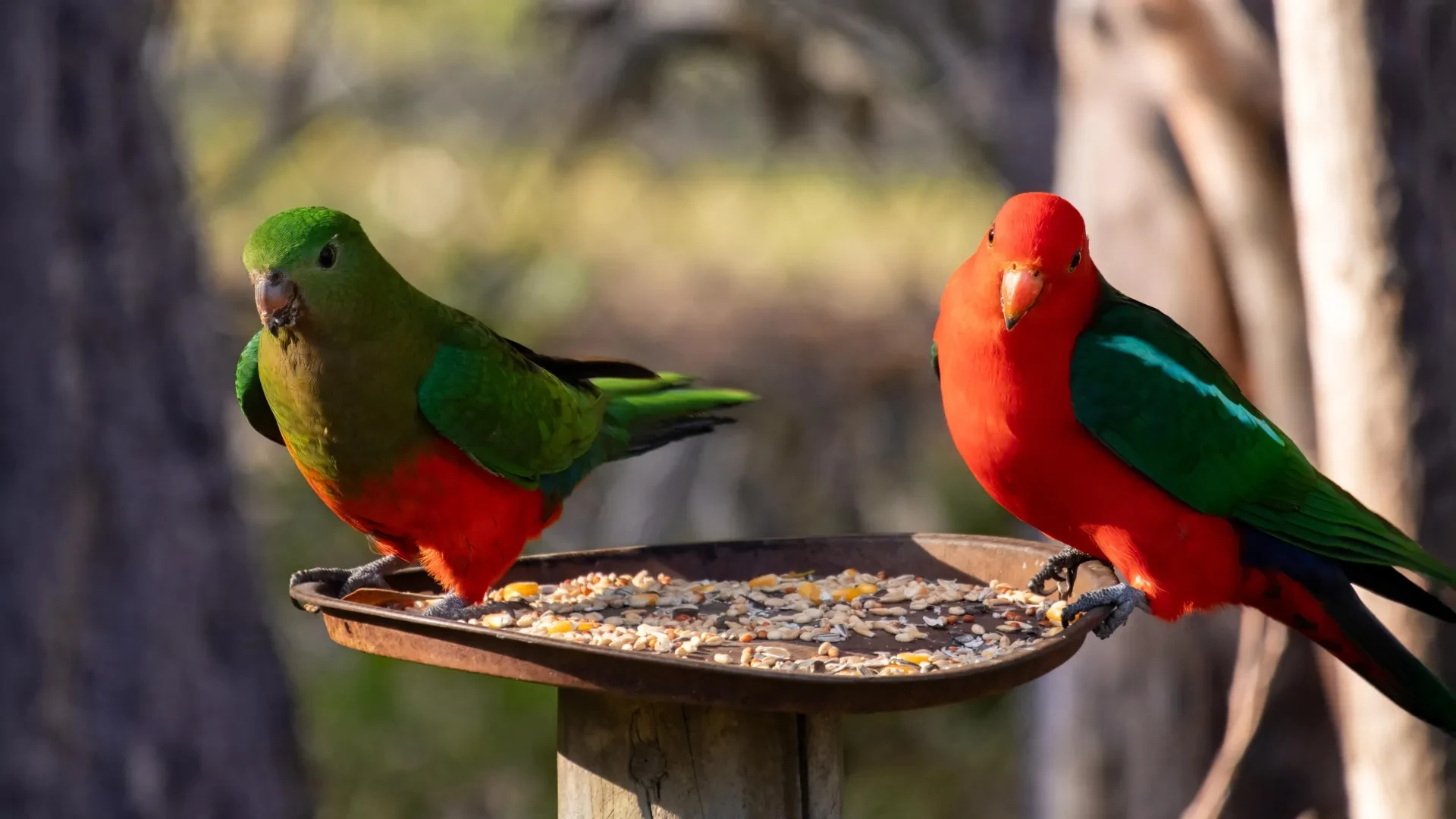
Backyard bird feeding is deeply embedded in the cultural fabric of Australian households. Research indicates that approximately half of all Australian families regularly leave out seeds, scraps, or nectar for visiting wildlife, with a significant percentage doing so on a daily basis. For millions, this practice represents a cherished connection to nature—a quiet moment of domestic communion with colourful parrots, honeyeaters, and other urban wildlife.
However, as the highly pathogenic H5N1 strain of avian influenza sweeps across the globe and entrenches itself within the Australian landscape, conservationists and biosecurity experts are issuing an urgent warning. Backyard feeding stations, long regarded as harmless havens of urban biodiversity, risk functioning as dangerous biological transmission hotspots. By artificially concentrating large numbers of diverse avian species into unnaturally dense gatherings, these feeding sites transform ordinary backyards into potential superspreader events.
Recent mortality events—including the devastating loss of over 1,000 crested terns and the tragic death of a long-nosed fur seal, marking the first confirmed H5N1 detection in a mainland Australian mammal—underscore the gravity of the unfolding crisis. While human infections remain rare and typically manifest with mild symptoms, the ecological stakes for vulnerable and endangered native species are catastrophic.
This investigative report examines the intersection of popular wildlife-feeding practices and biosecurity threats. It explores the mechanics of disease transmission at backyard feeders, analyses the broader ecological ripple effects on scavenger populations and threatened species, and outlines crucial, science-backed protocols for mitigating risks. Ultimately, Australians face a difficult choice: to protect native wildlife and human health, the time has come to fundamentally rethink how—and whether—we feed the birds in our backyards.
Detailed Chronology: The Arrival and Escalation of H5N1 in Australia
To understand why backyard feeding presents such an immediate hazard, one must first trace the rapid and devastating trajectory of the H5N1 virus. For decades, Australia remained an isolated sanctuary, largely spared from the most destructive panzootics of avian influenza that periodically ravaged wildlife populations across Europe, Asia, the Americas, and sub-Saharan Africa. That geographical isolation, however, has proven finite.
Global Precursors and the Threat to Local Biosecurity
The current lineage of H5N1 (specifically clade 2.3.4.4b) has spent recent years rewriting textbooks on wildlife epidemiology. Unlike historical strains of bird flu that primarily targeted domestic poultry and caused localized outbreaks, this modern variant has evolved a sweeping cross-species capability. It has decimated wild seabirds, migratory shorebirds, and apex scavenging mammals, crossing phylogenetic barriers with alarming ease. From Antarctic seals to North American foxes, the virus has demonstrated that no ecosystem is entirely immune.
The Australian Incursion and Mass Mortality Events
As migratory pathways and shifting weather patterns brought infected birds closer to Australian shores, the nation’s pristine biological firewall began to breach. The early waves of the incursion revealed the virus’s lethal potential within vulnerable native populations.
Most notably, biosecurity authorities recorded a catastrophic mortality event involving more than 1,000 crested terns, highlighting how quickly colonial and flocking sea- and shorebirds can succumb to the pathogen. These high-density losses sent shockwaves through the scientific community.
The crisis deepened significantly with the confirmation of H5N1 in a long-nosed fur seal—the first verified detection in a mainland Australian mammal. This milestone shifted the epidemiological narrative from an exclusively avian disease to a multi-taxa wildlife emergency. Mammalian infections confirm that the virus is not only circulating among birds but is actively spilling over into terrestrial and marine carnivores and scavengers that come into contact with sick or dying wildlife.
Supporting Context & Metrics: The Science of Feeding and Transmission
To evaluate the risk of backyard feeding, researchers must examine the behavioural ecology of both urban birds and the viruses they carry. While feeding wildlife is often motivated by altruism and a desire to support urban biodiversity during harsh environmental conditions, empirical science paints a more complex and hazardous picture.
The Myth of Essential Nutrition
A common misconception among wildlife enthusiasts is that backyard feeders provide an essential lifeline for survival. However, extensive ecological research reveals a different reality. Most wild birds that visit residential gardens obtain the vast majority of their daily nutritional requirements from natural sources—such as insects, nectar, seeds, and worms found in the surrounding landscape.
Consequently, the food provided by humans functions primarily as a dietary supplement or a high-calorie snack rather than a vital nutritional necessity. While supplementary feeding surged globally during pandemic lockdowns as people sought solace in nature, ornithologists caution that the ecological costs to the birds often outweigh the psychological benefits to humans.
Creating Transmission Hotspots
In nature, wild birds naturally disperse across wide geographic ranges, foraging in smaller, fluid groups. This natural spacing acts as a biological buffer against rampant disease transmission.
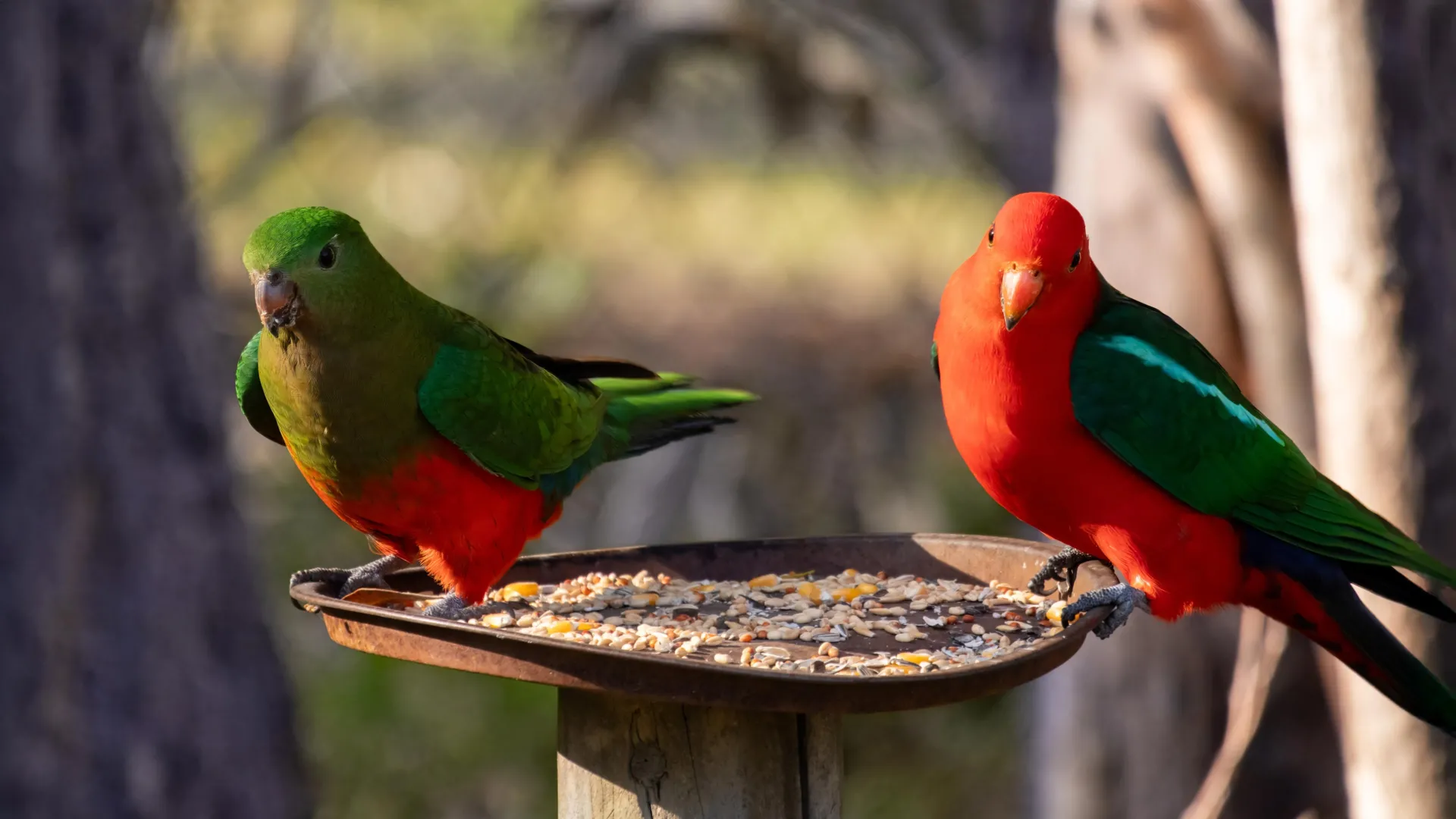
When humans introduce artificial feeding stations loaded with seeds, grains, or meat scraps, the dynamic changes instantly. These sites draw together a high concentration of individuals from multiple species—combinations and population densities that would never occur naturally.
If a single infected bird visits a backyard feeder, the dense congregation of susceptible peers provides an ideal environment for horizontal disease transmission. Birds shed the virus through saliva, nasal secretions, and faeces, contaminating perches, feeding trays, and the food itself. This transforms a quiet suburban deck or patio into an active transmission hotspot capable of accelerating an epidemic.
[Infected Wild Bird]
       │
       ▼
[Backyard Feeding Station (High-Density Congregation)]
       │
       ├──► Cross-Species Transmission (Multiple Avian Species)
       ├──► Contaminated Perches, Seeds & Water Sources
       └──► Spillover to Scavengers (Possums, Foxes, Crows)
The Threat to Endangered Species
The stakes extend far beyond common garden visitors. Australia is home to numerous highly threatened and critically endangered endemic species, such as the orange-bellied parrot (Neophema chrysogaster). These fragile populations possess limited genetic diversity and reduced resilience against novel pathogens.
An outbreak of H5N1 sweeping through localized feeding areas or shared migratory stopovers could push these teetering species past the point of no return, driving decades of dedicated conservation work to sudden ruin.
Multi-Species Spillover: The Scavenger Link
The pathology of H5N1 is not restricted to the avian class. Scavenger animals—including introduced red foxes, native possums, and corvids such as crows and ravens—frequently patrol urban and peri-urban areas looking for easy meals. When these scavengers encounter and devour the carcasses of birds that have succumbed to avian influenza, they are directly exposed to massive viral loads.
This ecological pathway creates a dangerous bridge for the virus to enter mammalian populations, increasing the likelihood of mutations that could enhance mammalian adaptation.
While human infections with H5N1 remain rare and typically present with mild, flu-like symptoms, individuals who maintain close contact with wildlife—such as wildlife carers, veterinary professionals, and enthusiastic backyard bird lovers who engage in hand-feeding—face an elevated, albeit low-probability, risk of zoonotic exposure.
Official Statements and Expert Perspectives
As the H5N1 crisis unfolds across the continent, biosecurity agencies, conservation councils, and veterinary epidemiologists are harmonizing their messaging. The consensus among professionals is clear: ordinary domestic routines must adapt to meet unprecedented ecological threats.
The Biodiversity Council and state departments of agriculture have emphasized that managing biosecurity risks requires active public participation. Experts note that while the public’s emotional attachment to wildlife is a powerful asset for conservation, it can inadvertently become a liability during a severe disease outbreak.
"When we artificially aggregate wild birds through supplemental feeding, we create a false ecology that bypasses natural selection mechanisms and accelerates disease spread. In the face of a globally devastating pathogen like H5N1, we must ask the public to pause and re-evaluate backyard feeding habits to protect both human health and vulnerable native fauna."
— Leading Wildlife Epidemiologist
Furthermore, veterinary authorities stress that biosecurity is no longer just a concern for commercial poultry farms; it is a backyard responsibility. The containment of H5N1 relies heavily on breaking transmission chains at the very lowest level of the ecological pyramid—residential gardens and local parks.
Future Outlook: How to Safely Navigate the H5N1 Era
Given the severity of the threat, how should Australians interact with urban wildlife moving forward? Experts generally agree on a hierarchy of strategies designed to balance human compassion for animals with rigorous disease control.
1. The Most Effective Strategy: Cease Feeding Altogether
Biosecurity specialists maintain that the single most effective measure homeowners can take is to stop feeding wild birds altogether. Without artificial food attractants, birds will disperse naturally across the landscape, reducing artificial congregation and dropping the risk of H5N1 transmission close to zero.
As established by historical research, healthy wild birds do not require human handouts to survive and will readily pivot back to foraging on natural insect and plant resources.
2. Pragmatic Precautions for Those Who Continue Feeding
Recognizing that many households will find it difficult to immediately abandon a long-held daily ritual, experts have outlined three non-negotiable risk-mitigation protocols for anyone who insists on maintaining backyard feeders:
- Offer Less Food: Drastically reduce the volume of seed, grain, or scraps provided. Smaller quantities discourage large, multi-species flocks from congregating simultaneously, effectively enforcing a form of social distancing among avian visitors.
- Strictly Avoid Hand-Feeding: While hand-feeding offers an intimate, rewarding wildlife experience, it represents an unacceptable biosecurity risk during an avian influenza crisis. Direct physical contact eliminates the natural buffer between humans and potential pathogen carriers.
- Maintain Rigorous Sanitation: If feeding equipment is used, it must be cleaned and disinfected regularly using standard domestic bleach solutions. Feeders should be scrubbed and sanitized frequently. Experts emphasize a strict rule: If you are not prepared to maintain rigorous, daily hygiene standards, you should not be feeding wild birds at all.
Conclusion
Australia stands at a critical juncture in its wildlife management history. The arrival of H5N1 serves as a stark reminder of the interconnectedness of human, domestic, and wild animal health. By transforming our backyards from potential superspreader events into biologically safe spaces—either by halting supplemental feeding or strictly enforcing hygiene and physical distancing—Australians can play a pivotal role in curbing the spread of this deadly virus.
Emergency Reporting Protocols
If you encounter sick, distressed, or dead wild birds or marine mammals, do not touch them under any circumstances. Record the precise location, capture photographs from a safe distance, keep domestic pets securely away, and immediately report the sighting to the Emergency Animal Disease Hotline on 1800 675 888 (Australia).