
Executive Overview
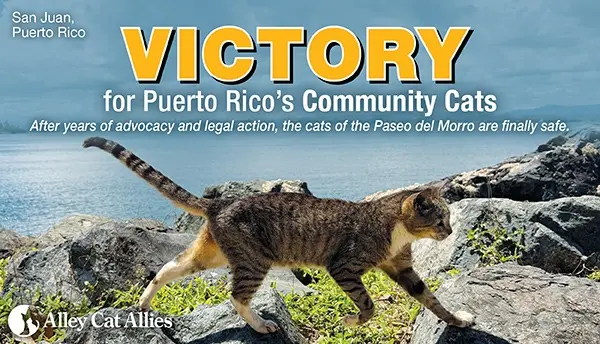
In a landmark triumph for animal welfare, community advocacy, and environmental justice, a multi-year battle to save the iconic community cats of San Juan, Puerto Rico, has reached a successful conclusion. Following intense legal pressure, international public mobilization, and strategic negotiations, the U.S. National Park Service (NPS) officially abandoned its controversial plans for the lethal removal of cats living along the historic Paseo del Morro walkway.
The agreement, finalized in the summer of 2026, ensures that beloved felines such as Bella, Llorin, Naranja, and DF are permanently safe from eradication. More than just a local preservation effort, this outcome establishes a powerful precedent: lethal action against community cats is increasingly incompatible with modern societal values, cultural heritage, and effective wildlife management. Spearheaded by the advocacy organization Alley Cat Allies in close partnership with the local group Save A Gato, the campaign has transformed a looming humanitarian and ecological crisis into a catalyst for progressive, humane animal care across Puerto Rico.
Detailed Chronology of the Crisis and Legal Battle
The Threat Emerges: Late 2023
The conflict began in late 2023 when the U.S. National Park Service announced a sweeping management plan targeting the historic Paseo del Morro—a scenic, pedestrian-only stone walkway leading to the legendary San Felipe del Morro Fortress (El Morro) in Old San Juan. For generations, these coastal fortifications have served as a sanctuary not only for tourists and locals enjoying the Atlantic breezes but also for thriving colonies of community cats.
Buried within the NPS proposal was a provision allowing for the lethal removal of these cats. Conservation and park management rationales cited environmental concerns, but animal advocates immediately recognized the plan for what it was: a lethal eradication scheme that ignored decades of peaceful coexistence between the cats, residents, and visitors.
Legal Action and Grassroots Mobilization: Early 2024
Recognizing the imminent danger—with scheduled removals originally slated to begin as early as October 2024—Alley Cat Allies took swift, decisive action. In early 2024, the organization filed a federal lawsuit against the NPS plan, challenging its legal foundations and environmental review processes.
They were swiftly joined by Save A Gato, a dedicated local rescue and Trap-Neuter-Return (TNR) organization operating on the ground in San Juan. The lawsuit galvanized the local community. San Juan residents, cat caregivers, and cultural preservationists took to the streets in vocal protests. They proudly declared that the cats were not pests, but rather cherished members of the community fabric.
Public Backlash and International Solidarity
When the NPS opened a public comment period to gauge sentiment on its proposal, the agency was met with an overwhelming deluge of opposition. Hundreds of Puerto Ricans submitted impassioned testimonies defending the felines.
"This is our island, and our cats mean the world to us," wrote one resident, encapsulating a sentiment echoed across thousands of submissions.
Simultaneously, international animal lovers mobilized. Social media campaigns amplified the plight of the Paseo cats, transforming local San Juan street cats into global symbols of the fight for humane animal treatment. The pressure proved insurmountable for the federal agency, shifting the dynamic from confrontation to negotiation.
The Breakthrough Agreement: Summer 2026
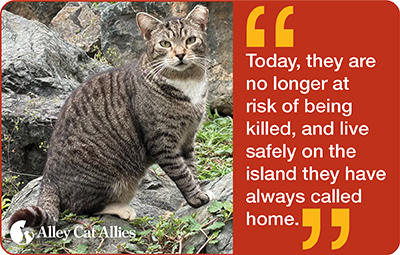
Following months of careful, high-stakes dialogue, Alley Cat Allies finalized a binding agreement with the NPS in the summer of 2026. The pact permanently removed the threat of lethal control, concluding the grueling legal battle. Under the terms of the arrangement, the cats were granted the right to remain in their historic home, protected by a framework of collaborative, humane management.
Supporting Context & Metrics: Culture, Heritage, and Compassion
To understand the intensity of the resistance against the NPS plan, one must look beyond standard wildlife management metrics and examine the deep sociological roots of cats in Puerto Rican society.
Centuries of Intertwined History
The community cats of the Paseo del Morro are not recent interlopers; they are part of a centuries-old ecosystem tied directly to the history of Old San Juan. For generations, these felines have roamed the historic stone ramparts, weathering tropical storms, economic crises, and political shifts alongside the human population. They have become living landmarks, greeted daily by tourists and fed religiously by multigenerational families of local caregivers.
Quantitative Impact and Collaboration
While exact population counts fluctuate, the network of care established during and after the crisis demonstrates the scale of human investment in these animals:
- Global Supporter Base: More than 1.8 million active supporters anchor Alley Cat Allies’ international network, mobilizing resources rapidly for high-profile crises like the one in San Juan.
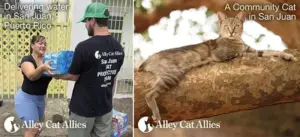
- On-the-Ground Logistics: Alley Cat Allies and Save A Gato successfully orchestrated the strategic relocation and migration of specific feeding stations. This reduced friction points with park infrastructure while guiding cats to safer, more idyllic zones within Old San Juan.
- Veterinary Integration: Dozens of local veterinarians and rescue volunteers have mobilized to provide continuous medical care, vaccinations, and sterilization services, ensuring the long-term health and stability of the colonies.
Today, cats like DF can be found lounging lazily in the tall grass of Old San Juan, miles away from the existential threat they faced just two years prior. Their survival is a testament to quantitative community backing meeting qualitative cultural values.
Official Statements and Local Perspectives
The victory at El Morro drew commentary from high-ranking political figures, grassroots organizers, and everyday residents, highlighting the broad coalition that came together to save the cats.
Congressman Pablo José Hernández, who represents Puerto Rico in Washington, D.C., did not mince words regarding the federal oversight:
"NPS’s plan ignores the cultural and historic importance of the community cats of the Paseo. My constituents have expressed their support for the community cats of the Paseo."
For local residents, the issue was intensely personal. Linda Rodriguez, a lifelong San Juan resident and dedicated cat caregiver, captured the emotional core of the movement:
"Those cats belong here. They are part of the culture, part of our hearts, and we don’t want them to leave."
Miriam Pabón, president of Save A Gato, emphasized the broader implications of the victory for the island’s socio-political landscape:
"Alley Cat Allies’ years of support have made a difference not only for the Paseo cats, but for cats across San Juan. Puerto Rico is facing many challenges, but we take strength in our love for our island and for our cats. And I believe when we improve our policies for them, we improve our home for us all."
Future Outlook: A New Paradigm for Animal Welfare in Puerto Rico
The successful resolution of the Paseo del Morro dispute is not merely an isolated victory; it has served as the catalyst for a much larger, systemic shift in how animal welfare is approached across San Juan and the broader island of Puerto Rico.
Expanding Trap-Neuter-Return (TNR) and Municipal Collaboration
Emboldened by their success, Alley Cat Allies, Save A Gato, and San Juan Animal Services are actively collaborating to institutionalize humane population management policies. Plans are currently underway to scale up Trap-Neuter-Return (TNR) infrastructure across the capital. By stabilizing feral and community cat populations through sterilization rather than lethal eradication, San Juan is positioning itself as a progressive model for municipal animal care in the Caribbean.
Strengthening Essential Resources
In addition to TNR expansion, the coalition is working to secure reliable access to vital resources, including subsidized veterinary care and consistent supplies of cat food for independent caregivers. These initiatives aim to alleviate the financial and logistical burdens placed on local volunteers who shoulder the daily responsibility of feeding and monitoring the colonies.
Setting a National and International Precedent
The legal and public relations victory at El Morro sends a clear message to government agencies, park authorities, and municipal leaders worldwide: lethal control of community cats is an outdated, unacceptable practice that will face immediate, robust, and globally supported pushback.
As Alley Cat Allies looks toward the future, the organization continues to urge animal lovers everywhere to stay vigilant and engaged. The triumph in Puerto Rico proves that when communities unite behind evidence-based, compassionate policies, even the most entrenched bureaucratic threats can be successfully overturned.
For more information on how to support ongoing animal welfare initiatives in Puerto Rico, or to learn more about the broader mission of Alley Cat Allies, please visit alleycat.org/PuertoRico.