
The eternal quest for the ultimate pet travel accessory often resembles a frustrating exercise in compromise. For pet parents who frequently take to the road, organizing canine gear—ranging from emergency medical supplies and grooming equipment to daily rations of treats and waste management tools—requires a specialized type of luggage. Traditional open-top totes, while spacious, leave gear vulnerable to curious snouts, shifting contents, and accidental spills during transit. Diaper bags have historically served as an imperfect substitute, but they rarely match the rugged durability required for outdoor adventures and vehicular travel.
Enter the Acorn Everyday Tote by Alite, a San Francisco-based design firm celebrated for its clever, outdoor-centric gear. For seasoned pet travelers, this bag represents a near-perfect synthesis of form and function. Featuring a secure top-zipper closure, an abundance of exterior pockets, a high-visibility contrasting interior lining, and robust construction, it checks every box on the modern pet owner’s wish list.
However, this discovery comes with a cautionary note familiar to gear enthusiasts: the product appears to be phasing out of the manufacturer’s active catalog. As brands shift their retail strategies and streamline inventories, finding reliable, purpose-built pet travel gear remains an uphill battle. This report explores the anatomy of the ideal dog travel tote, examines the critical design features that separate exceptional gear from standard luggage, assesses the current market availability of the Alite Acorn Everyday Tote, and offers strategic insights for pet parents navigating the volatile landscape of pet travel accessories.
Detailed Chronology: The Evolution of Canine Gear Organization
To understand the significance of finding a reliable dog travel tote, one must examine the historical trajectory of pet gear management over the past decade. In the early days of dedicated pet travel accessories, options were sparse. Owners relied heavily on generic utility bags, canvas grocery carriers, or repurposed gym bags to haul food, collapsible bowls, leashes, and waste bags.
The L.L. Bean Era and the Search for Structure
Years ago, seasoned travelers recognized the utility of structured canvas totes, such as those popularized by L.L. Bean. These bags offered exceptional durability and could be customized with monograms or breed silhouettes. However, they were fundamentally designed for general utility or beach trips, lacking the specific internal and external compartmentalization required for complex pet logistics.
When early adopters began utilizing these dual-purpose totes—one designated as a "home tote" to corral daily supplies near a dog’s crate, and another designated as a "travel tote" packed into larger suitcases for road trips—they quickly ran into manufacturing hurdles. Canine-specific colorways, customized embroidery options, and even standard product lines were frequently subjected to sudden discontinuation. This volatility forced consumers to think laterally, leading many to adopt baby diaper bags as an alternative due to their numerous pockets and wipeable interiors. Yet, diaper bags often lacked the rugged exterior fabrics needed to withstand muddy trailheads, sandy beaches, and rough hotel floors.
The Discovery of the Alite Acorn Everyday Tote
The search for a dedicated, robust solution reached a turning point with the identification of the Acorn Everyday Tote by Alite. Designed primarily as a versatile everyday carryall for urban commuters and outdoor enthusiasts, the bag inadvertently possesses every structural attribute required for optimal canine travel organization.
Upon initial field testing, the tote proved its worth through seamless integration into multi-day road trips and hotel stays. Unfortunately, retail indicators soon signaled trouble. The product disappeared from Alite’s primary online catalog—a classic precursor to a full product line discontinuation. A localized investigation revealed that while online availability dwindled to third-party platforms like Amazon (with fluctuating pricing across color variants), the brand’s brick-and-mortar storefront in San Francisco’s Mission District still maintained a healthy back stock of the bags in assorted colors. This chronological decline underscores the precarious nature of specialized gear: just as consumers identify a flawless tool, market forces often drive it out of production.
Supporting Context & Metrics: The Anatomy of a Perfect Pet Tote
What separates an ordinary bag from an exceptional dog travel tote? Through years of trial, error, and real-world testing with canine companions, specific architectural requirements have emerged as non-negotiable for frequent pet travelers.
+-----------------------------------------------------------------+
                 THE ULTIMATE DOG TRAVEL TOTE
+-----------------------------------------------------------------+
  [Top Zipper Closure] ------> Prevents access to medications/treats
  [Exterior Pockets] --------> Isolates wet/messy items (shampoo, waste bags)
  [Contrasting Lining] ------> Enhances visibility in low-light environments
  [Structural Rigidity] -----> Withstands heavy packing and rough transit
+-----------------------------------------------------------------+
1. The Imperative of a Top Zipper
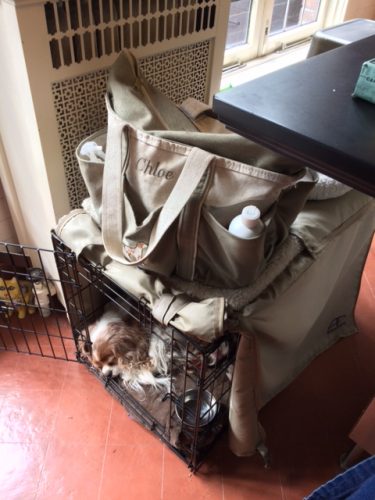
The single most critical feature of any high-performance dog travel tote is a secure, heavy-duty top zipper. Casual observers often underestimate the resourcefulness of domestic animals. A fully open tote resting on a hotel room floor or sitting atop a pet crate is an open invitation for a curious dog to investigate contents that should remain strictly off-limits.
Consider common items regularly housed in a pet travel bag:
- Topical Flea and Tick Treatments: Products like Frontline Plus contain chemical formulations that can be toxic if ingested or improperly handled.
- High-Value Pharmaceutical Rewards: Extra doses of daily medications, joint supplements, or heavily scented training treats can easily tempt a dog to chew through packaging.
- Grooming Accessories: Brushes, nail clippers, and waste bags should remain contained rather than scattered across living spaces.
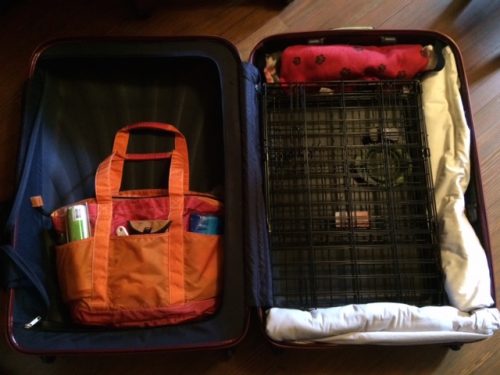
Beyond preventing unauthorized canine browsing, a top zipper provides essential structural integrity. When a tote is packed to maximum capacity—or when it is stowed inside a larger suitcase (such as a primary road trip duffel) or tossed haphazardly into the trunk of a vehicle—a zippered closure ensures that internal contents remain securely inside the bag rather than spilling out into your main luggage.
2. Strategic Exterior Pockets
While internal volume is important, the organization of smaller items dictates the overall efficiency of a travel tote. The Alite Acorn Everyday Tote excels by girdling its exterior with easily accessible pockets.
These outer compartments serve a vital containment function. Items that are prone to leaking, collecting dirt, or requiring instantaneous access—such as bottles of dog shampoo, enzymatic cleaner for accidents, small rolls of paper towels, grooming wipes, and empty collapsible water bottles—belong on the outside of the bag. Storing these items externally keeps them close at hand while eliminating the risk of dampness or chemical odors contaminating clean items, toys, or food stored in the main compartment.
3. Interior Visibility and Hardware
Additional design metrics that elevate a bag from adequate to elite include:
- Contrasting Bright Linings: Rummaging through a dark, cavernous bag in a dimly lit hotel room or a packed car during early morning departures is an exercise in frustration. A bright interior lining illuminates the contents, allowing users to instantly locate waste bags, leashes, or first-aid supplies.
- External Loops and Attachment Points: Robust outer webbing loops enable users to clip accessories—such as portable bowls, waste bag dispensers, or training clickers—using carabiners, keeping frequently used items entirely hands-free.
- Packability and Weight: A travel tote must be lightweight enough to carry alongside a pet crate and luggage, yet durable enough to endure abrasive outdoor surfaces.
Official Statements & Industry Perspectives
While major outdoor and pet accessory manufacturers frequently update their product lines to reflect shifting consumer trends, independent gear reviewers and pet lifestyle experts consistently advocate for functional design over transient aesthetic trends.
Industry analysts note that the intersection of pet travel and outdoor gear is a rapidly expanding market segment. Pet owners are increasingly treating their animals as full family members, demanding gear that matches the technical performance of human-grade outdoor equipment. Brands like Alite, known for quirky yet highly functional camping furniture and accessories, inadvertently captured this market by prioritizing utility, durable fabrics, and playful colorways.
In personal commentary regarding the acquisition of the Acorn Everyday Tote, transparency remains paramount among consumer advocates. True independent evaluations rely on self-funded purchases rather than corporate sponsorships. As noted during the acquisition of the reviewed tote, the bag was purchased at full retail price without manufacturer subsidization or promotional incentives. This editorial independence ensures that product recommendations are driven strictly by performance metrics, durability, and practical utility in the field rather than marketing partnerships.
Future Outlook: Navigating the Discontinuation Cycle in Pet Gear
The looming phase-out of the Alite Acorn Everyday Tote highlights a broader systemic issue within the consumer goods market: the vulnerability of niche-adjacent products. Items designed for specific activities—such as canine travel organization—are frequently classified under broader categories like lifestyle totes or commuter bags. When overall sales in those broader categories shift, exceptional specialized products often become collateral damage in corporate restructurings.
Strategies for the Modern Pet Traveler
As the pet travel ecosystem continues to evolve, consumers seeking reliable gear must adopt proactive sourcing strategies:
- Identify Core Architectural Needs First: Rather than searching specifically for "dog bags," consumers should shop by feature sets. Prioritize bags featuring heavy-duty top zippers, structured canvas or nylon bodies, wipeable synthetic linings, and abundant exterior pockets (such as tactical range bags, professional photography totes, or high-end diaper bags).
- Monitor Brand Lifecycle Indicators: When a favorite product disappears from a manufacturer’s primary online catalog, consumers should immediately check alternative retail channels. Brick-and-mortar flagship stores, regional stockists, and authorized online liquidators often retain significant back stock long after online storefronts have been scrubbed.
- Embrace Multi-Category Cross-Shopping: The best pet gear is rarely marketed exclusively to pets. By looking across industries—outdoor camping, tactical gear, photography, and travel luggage—savvy pet parents can uncover hidden gems that outperform dedicated pet products in durability and smart design.
Ultimately, while corporate product lifecycles remain unpredictable, the demand for intelligent, durable canine travel solutions ensures that innovative designs will continue to emerge. Whether sourcing remaining back stock of discontinued favorites or adapting multi-purpose utility bags for the road, preparation remains the ultimate key to a successful journey with your four-legged companion.