
The landscape of pet travel and canine-inclusive tourism has undergone an unprecedented transformation over the past half-decade. What began as a steady, upward trend in domestic pet relocation and leisure travel has now collided head-on with a historic global public health crisis. For the community surrounding Dog Jaunt—affectionately known as "Dog Jaunt Nation"—the juxtaposition is both stark and ironic. After years of intense logistical planning, cross-country relocations, and cross-continental road expeditions, the community’s driving force has re-emerged just as worldwide travel restrictions bring the tourism sector to an abrupt halt.
This report examines the return of Dog Jaunt, highlighting the resilience of pet owners navigating the COVID-19 pandemic, the logistical triumphs of long-haul canine transit, and the vital importance of digital communities during times of social isolation. Through an analysis of updated airline policies, personal accounts of cross-country migrations, and a retrospective look at the evolution of pet travel, this piece captures a unique moment in the history of human-animal companionship.
Detailed Chronology: The Road to Seattle and Beyond
The recent history of Dog Jaunt is defined by a massive, multi-year logistical undertaking. For the past several years, the publication’s founder was consumed by a monumental task: orchestrating the relocation of elderly family members from their respective homes across the United States to the Pacific Northwest. Moving in-laws and aging parents to Seattle, Washington, required meticulous planning, rigorous coordination, and countless hours on the nation’s highways.
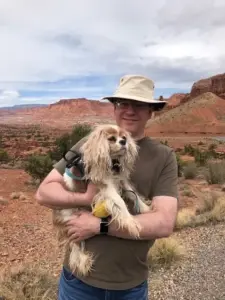
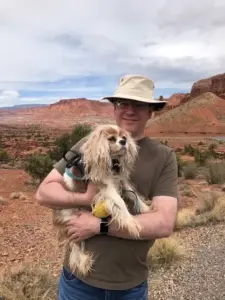
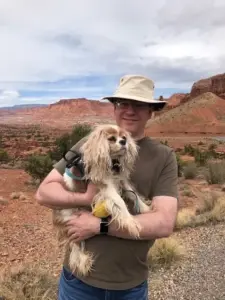
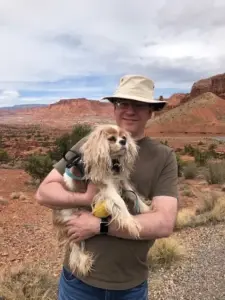
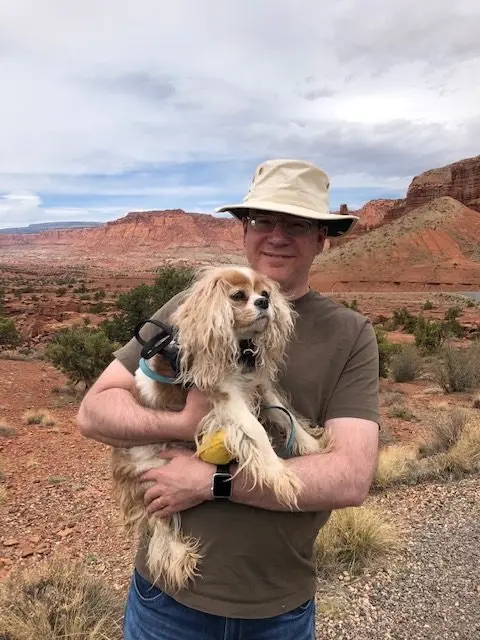
During this exhaustive multi-year period, updates on the blog slowed to a trickle. For the dedicated readership accustomed to regular dispatches on pet-friendly travel, the silence was palpable. However, behind the scenes, these relocation efforts served as a masterclass in long-distance animal logistics. Central to these journeys was Chloe, the resident travel companion and canine ambassador of Dog Jaunt, whose resilience on the road became a testament to the adaptability of well-traveled pets.
Transcontinental Expeditions and Scenic Detours
Navigating the vast expanse of the United States with a canine companion requires an intimate knowledge of America’s highway infrastructure. Over the course of the relocation efforts, the traveler successfully traversed every major east-west route across the country. Yet, it was the final cross-country journey that yielded the most striking discoveries.
Deviating from the well-worn path of historic Route 66—specifically branching off before reaching Gallup, New Mexico—the expedition charted a course northward into the breathtaking landscapes of Utah. The detour proved transformative, offering a masterclass in American scenic beauty.
[East Coast Point of Origin]
       │
       ▼
[Historic Route 66] ──(Diverted Northward pre-Gallup, NM)──► [Moab, Utah]
       │                                                          │
       ▼                                                          ▼
[Interstate Corridors]                                    [Capitol Reef National Park]
       │                                                          │
       └─────────────────────────► [Seattle, Washington Migration] ◄┘
Highlights of this route included immersive experiences in Moab and Capitol Reef National Park. In a nod to the distinct geology of the region, Chloe’s appearance underwent a permanent meteorological branding: her light-colored fur absorbed the fine, rust-colored dust of the desert, turning her coat a shade affectionately dubbed "Capitol Reef Red." Despite the arduous hours in transit, Chloe remained vibrant, energetic, and completely unphased by the changing geography.
The Pandemic Pause and the Great Stasis
Just as the final family members were successfully settled in Seattle, clearing the calendar for a triumphant return to regular travel reporting, the global landscape shifted dramatically. The emergence of the COVID-19 pandemic imposed an immediate, indefinite freeze on both international and domestic travel.
Suddenly, a platform dedicated to movement, exploration, and transit found itself operating in a world where "staying put" was the primary directive. Rather than retreating into inactivity, however, Dog Jaunt has chosen to pivot. Recognizing that the desire to travel—and the deep bonds forged with travel companions—cannot be extinguished by a virus, the platform is reactivating its networks. The goal: to foster a digital sanctuary where pet owners can share memories, prepare for future adventures, and maintain a sense of global community while confined to their living room couches.
Supporting Context & Metrics: Navigating the Regulatory Landscape
While physical travel is currently on hold, the infrastructure governing pet transportation continues to evolve. During this operational downtime, Dog Jaunt has undertaken a comprehensive audit of its foundational resources, specifically updating its exhaustive charts tracking U.S. and international airline pet policies.
The Evolution of Airline Pet Policies
For pet owners, understanding the labyrinthine rules of commercial aviation is the single greatest hurdle to seamless travel. Policies vary wildly between domestic carriers and international airlines, and they are subject to rapid modification based on regulatory updates, safety guidelines, and corporate restructuring.
-
U.S. Airline Pet Policies: Domestic carriers maintain a patchwork of regulations governing in-cabin travel versus cargo hold transport. Key metrics to monitor include:
- Carrier Dimensions: Soft-sided versus hard-sided kennel size restrictions, which vary by fractions of an inch depending on the aircraft type (e.g., Boeing 737 versus Airbus A320).
- Fee Structures: One-way pet transport fees, which have trended upward across major legacy carriers over the past five years.
- Breed Restrictions: Limitations on brachycephalic (short-nosed) breeds, which are frequently barred from cargo holds due to respiratory risks.
- Documentation Requirements: Health certificates, rabies vaccination records, and emerging paperwork standards for emotional support versus fully trained service animals.
-
International Airline Pet Policies: Navigating international skies with an in-cabin pet introduces a layer of geopolitical complexity. Key variables include:
- Destination Country Laws: Rabies-free island nations (e.g., Iceland, Australia, New Zealand) that strictly prohibit in-cabin entry, requiring quarantine or cargo importation under rigid protocols.
- Intra-EU Regulations: Standardized pet passports and microchipping standards governing movement within the European Union.
- Carrier-Specific In-Cabin Weight Limits: While many U.S. airlines focus primarily on kennel dimensions, many international carriers enforce strict combined weight limits for the animal and the carrier (often capping the total at 8 kilograms or roughly 17.6 pounds).
By bringing these reference charts completely up to date, Dog Jaunt provides its community with an authoritative, centralized resource. Even if these guides are currently viewed wistfully from home, they ensure that travelers will be fully informed the moment global corridors reopen.
Official Statements and Community Perspectives
The reopening of communication channels within Dog Jaunt Nation highlights a profound truth about niche digital communities: their value extends far beyond the utility of their subject matter.
The Psychology of Introversion and Digital Community
It is a fascinating paradox that Dog Jaunt—a platform founded and managed by a self-described "textbook introvert"—should become the bedrock of a vibrant, highly engaged social network. Traditional travel writing often emphasizes external destinations, exotic locales, and social immersion. Conversely, pet travel inherently introduces a barrier between the traveler and the general public; dogs act as both social catalysts and protective cocoons, narrowing the traveler’s immediate focus to the well-being of the animal.
Despite this insular dynamic, the community forged around Dog Jaunt developed a rare depth. In an official statement reflecting on the past decade of publication, the platform’s leadership emphasized that the single most valued asset of the enterprise is not the logistical data, but the collective spirit of the readership:
"The thing I valued most about Dog Jaunt — and this is odd, coming from a textbook introvert — was the community we created together. Especially in this anxious time, it’ll be a great source of comfort to be back in touch with Dog Jaunt Nation."
This sentiment resonates deeply within the current socio-cultural climate. As individuals grapple with the anxieties of isolation, reconnecting through shared passions provides an essential psychological anchor.
Channels of Re-Engagement
To facilitate this renewed connection, Dog Jaunt is deploying a multi-pronged communication strategy designed to capture stories, advice, and nostalgia from across the globe:
- Direct Email Correspondence: Readers are actively encouraged to submit their personal travel narratives, photographs, and quarantine updates to the dedicated community inbox at
[email protected]. With explicit permission, these stories will be curated and published to inspire fellow travelers. - The Blog Comment Ecosystem: Highlighting a core philosophical stance on digital architecture, the platform emphasizes the permanence of blog comments over the ephemeral nature of social media feeds. While Facebook posts inevitably scroll away into the digital ether, comments left directly on the blog serve as a permanent archive of the community’s collective history.
- Social Media Activation: The official Dog Jaunt Facebook page is being re-energized to serve as a secondary hub for daily check-ins, quick tips, and real-time community engagement.
Future Outlook: Preparing for the Post-Pandemic Horizon
As the global tourism and aviation sectors look toward recovery, the future of pet travel stands at a critical juncture. The months of confinement have fundamentally altered how humans view their pets; for millions, canine companions served as the primary emotional lifeline during periods of strict lockdown. Consequently, the demand to include pets in post-pandemic travel plans is projected to surge dramatically once restrictions are lifted.
Anticipated Trends in Pet-Inclusive Tourism
- Rise in Domestic Road Trips: Given lingering hesitancy regarding international air travel and cruise ships, the immediate future of tourism will likely be dominated by domestic road trips. National parks, pet-friendly cabin rentals, and rural destinations are expected to see unprecedented demand from pet-owning travelers looking to safely explore the outdoors.
- Stricter Health and Sanitation Protocols: Airlines and hospitality providers will face heightened scrutiny regarding cleanliness. For pet travelers, this will manifest in rigorous sanitization standards for in-cabin pet spaces, as well as clearer guidelines on veterinary check-ups prior to departure.
- The Digital Archive as a Launchpad: Platforms like Dog Jaunt will play a crucial role in the rehabilitation of travel culture. By maintaining up-to-date policy databases and fostering peer-to-peer support networks, these communities ensure that travelers do not have to reinvent the wheel when global mobility returns.
Conclusion
The temporary halt on global movement has not diminished the adventurous spirit of Dog Jaunt Nation. Through years of cross-country migrations, logistical triumphs in the American West, and the unwavering companionship of dogs like Chloe, the community has proven its resilience. As the world prepares to turn the page on a turbulent chapter, Dog Jaunt stands ready—its charts updated, its community mobilized, and its collective gaze fixed firmly on the horizon of a brighter, pet-friendly future.