
EXECUTIVE OVERVIEW
For millennia, the adage "man’s best friend" has transcended mere sentimentality, serving as an empirical truth deeply embedded in the archaeological record. From ancient burial sites where human and canine remains rest side by side in silent testimony, dating back up to 14,000 years, to the intricate pantheons of mythology and folklore across every inhabited continent, dogs have occupied a peerless space in human society. They have guarded hearths, tracked game, managed livestock, carried burdens, and offered companionship through the darkest epochs of human history.
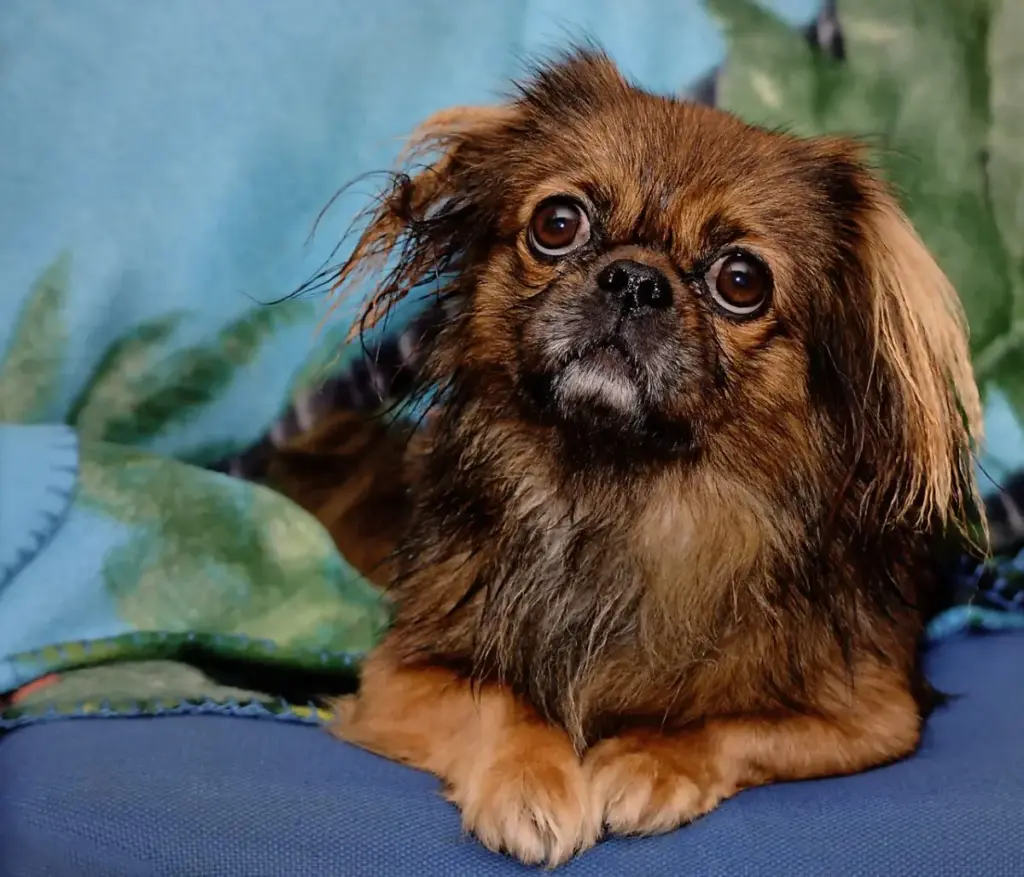
Today, the global canine population eclipses any historical precedent, displaying a morphological diversity that defies natural evolutionary norms. Spanning the anatomical chasm from the pocket-sized Chihuahua to the towering Great Dane, domestic dogs represent a masterpiece of biological plasticity. Yet, how this extraordinary diversity arose over roughly 15,000 years of shared evolutionary trajectory has long remained a subject of intense scientific debate.
In his groundbreaking new volume, First Dogs: Hunter-Gatherers and their Canine Companions from Prehistory to the Present (Routledge), archaeologist Professor Peter Mitchell challenges traditional narratives of domestication. Moving far beyond the conventional view of humans simply subduing wild wolves, Mitchell posits a more nuanced, reciprocal dynamic. According to this model, early humans and proto-dogs may have entered into their historic partnership as relatively equal participants.
This symbiotic relationship was forged primarily within ancient hunter-gatherer communities long before the systematic domestication of other livestock or agricultural plants. As these bonds traversed disparate geographic and climatic zones, dogs underwent rapid, localized adaptation. They acquired specialized morphological, physiological, and behavioral characteristics tailored precisely to the environmental demands, subsistence strategies, and cultural frameworks of the human societies they accompanied.
DETAILED CHRONOLOGY: A GRADUAL CO-EVOLUTIONARY TRAJECTORY
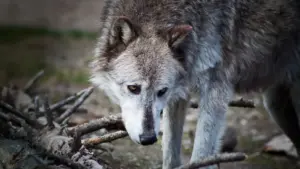
The narrative of canine evolution is not defined by a single, abrupt domestication event. Instead, geneticists and archaeologists increasingly view the transition from grey wolf (Canis lupus) to domestic dog (Canis lupus familiaris) as a protracted, multi-stage process.
Prehistoric Roots and Equal Partnerships
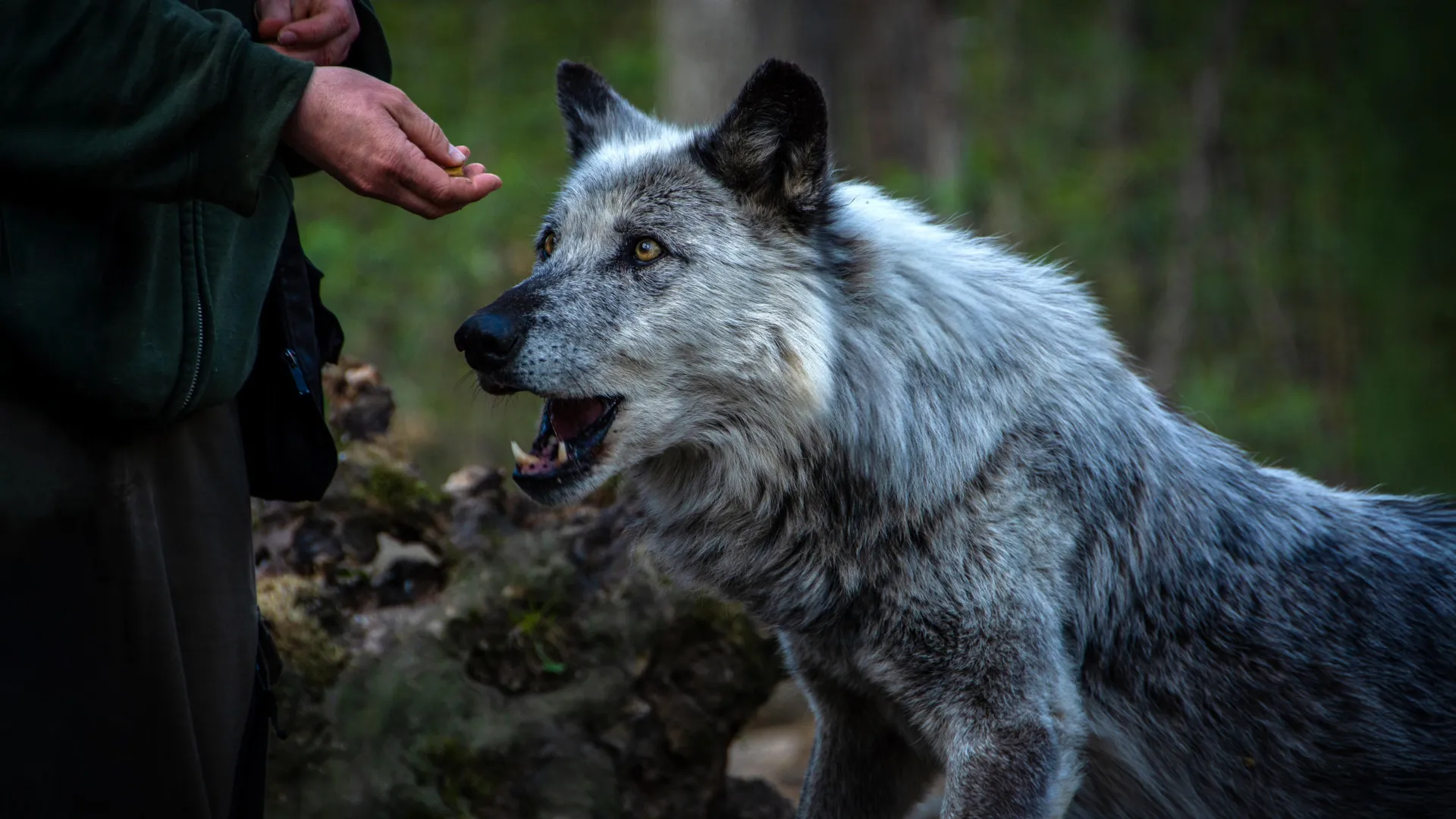
Long before the dawn of agriculture or settled urban civilizations, mobile hunter-gatherer bands encountered adaptable, highly social carnivores. Rather than a top-down subjugation orchestrated by humans, early interactions likely stemmed from mutual opportunism around shared kills and campsite perimeters. Over generations, this behavioral convergence fostered physiological shifts.
As Professor Mitchell observes, the connections binding humans reliant on wild flora and fauna to their canine counterparts are profoundly ancient and diverse. This deep history laid the groundwork for an enduring co-evolutionary loop, where human culture influenced canine biology, and canine presence iteratively altered human hunting efficiency, security, and social structures.
Global Diversification Across Latitudes
As human populations expanded out of ancestral homelands into hyper-diverse ecosystems—ranging from the sub-zero plateaus of the Arctic to the dense, humid canopies of equatorial rainforests—dogs adapted in tandem with their human companions.
- The Arctic Crucible: In the extreme north, Indigenous communities engineered sophisticated cultures inextricably linked to traction transport. Archaeological recovery of ancient Arctic canine skeletal remains reveals distinct biomechanical stress markers. Vertebral wear and robust limb bones bear testimony to the relentless physical strain of pulling heavy sleds across frozen expanses. Stable isotope analyses of ancient bones further demonstrate dietary alignment, with humans and dogs frequently consuming marine-dominated diets in coastal Arctic zones.
- The Tropical Specialist: Conversely, dogs embedded within tropical hunter-gatherer societies followed a divergent pathway. In the rainforests of South America and Southeast Asia, selection favored agility and compactness over raw pulling power. These lighter, more nimble canines excelled at tracking agile prey through dense underbrush. Ethnographic records confirm that Indigenous groups actively managed breeding protocols, frequently selecting for scent-tracking acuity and maneuverability, and occasionally introducing wild canid stock to reinforce specific traits.
- High-Altitude Physiological Convergence: On the Tibetan Plateau, high-elevation adaptations offer one of the most striking examples of parallel evolution between species. Researchers have identified specific genetic variants in Tibetan dogs that facilitate cellular function under severe hypoxic (low-oxygen) conditions. Strikingly, these genetic adaptations mirror those found in indigenous human populations inhabiting the same oxygen-thin plateaus, suggesting a shared evolutionary response to extreme geographical constraints.
SUPPORTING CONTEXT & METRICS: BEYOND CLIMATE AND CULTURE
While environmental pressures and cultural practices heavily sculpted canine phenotypes, external biological constraints also dictated the historical geography of dog populations.
The Vector-Borne Disease Barrier
Environmental adaptation alone cannot account for the distribution of ancient dog populations. Recent epidemiological and archaeological studies emphasize the profound impact of vector-borne pathogens on canine expansion.
In sub-Saharan Africa, devastating endemic diseases such as trypanosomiasis (transmitted by tsetse flies) and ehrlichiosis presented formidable physiological barriers to temperate and Arctic-origin canine lineages. These pathological pressures help elucidate why dogs reached certain tropical and southern latitudes relatively late in prehistory, or maintained lower population densities there compared to temperate zones. Disease acted as a natural filter, dictating not merely where dogs could thrive, but where they were biologically prohibited from establishing permanent footholds.
The Genetic Legacy of Colonial Expansion
The global distribution of dog breeds seen today masks a complex tapestry of ancient lineages. Modern genetic research reveals that many indigenous prehistoric dog populations were largely displaced or genetically absorbed following European colonial expansion, which introduced novel European breeds across the globe.
Nevertheless, resilient genetic signatures of these ancient, regionally adapted dogs persist within modern populations and archaeological strata. These enduring genetic markers provide critical empirical data, illuminating the intricate historical pathways traveled by humans and canines alike.
Beyond utility in transport and hunting, dogs frequently assumed socio-cultural and ritual roles that drove specialized breeding. Along the Northwest Coast of North America, certain Indigenous communities deliberately bred small, woolly-coated dogs explicitly for their hair. This specialized fleece was harvested and woven into ceremonial textiles, assigning these animals a vital role in regional textile economies rather than traditional subsistence activities. Similarly, in various global mythologies and burial practices, dogs served as spiritual guardians, psychopomps, or sacrificial offerings, anchoring their status as active participants in human social architecture.
OFFICIAL STATEMENTS: PERSPECTIVES FROM THE FIELD
The complexity of the human-canine bond continues to provoke profound reflection among contemporary researchers. Summarizing the protracted nature of domestication, Professor Peter Mitchell emphasizes the fluidity of the boundary between wild and domestic:
"The process whereby grey wolves became dogs is ongoing, not one marked by a single threshold event. It was likely both long and drawn out."
Reflecting on the nature of the interspecies alliance, Mitchell underscores the mutualistic foundation of the relationship, despite centuries of shifting human hegemony:
"The relationship thus constructed has been a joint effort, if one where, especially in the West and over recent centuries, humans have increasingly come to dominate in determining its shape and direction. Nevertheless, the way dogs and humans relate—and have related—to each other has value precisely because of their mutual, complex entwinement with each other."
Echoing these sentiments, anthropological geneticists point out that the dog represents a unique mirror of human migration. As human groups crossed oceans, scaled mountain ranges, and settled hyper-arid deserts, their canine companions absorbed these pressures into their very genomes. Every distinct breed today—from the specialized sight-hound engineered for desert running to the heavily insulated sled dog of the sub-Arctic—bears physical witness to this shared history.
FUTURE OUTLOOK: THE UNENDING EVOLUTION OF AN ALLIANCE
As archaeological methodologies advance—incorporating high-throughput ancient DNA sequencing, sophisticated stable isotope profiling, and microscopic bone-stress analysis—our understanding of the canine past will continue to sharpen. Researchers are poised to uncover deeper layers of prehistoric interaction, tracing how ancient human demographic shifts reverberated through canine populations.
Yet, the most profound takeaway from the multi-millennial partnership between humans and dogs is its dynamic, living nature. Domestication was never a finite historical event; it remains an ongoing biological and cultural dialogue. In the modern era, as human societies urbanize and face new ecological realities, our canine companions continue to adapt, serving in medical detection, psychological support, search-and-rescue operations, and as familial anchors in an increasingly digital world.
Ultimately, the story of the dog is inseparable from our own. By studying the bones, genes, and cultural artifacts of our ancient canine companions, humanity gains an unvarnished reflection of its own migration across the globe—a journey forged not in solitude, but side by side, on four paws.