
In the realm of pet ownership, domestic hazards often hide in plain sight. From festive floral arrangements to meticulously curated interior landscaping, homes frequently harbor silent dangers capable of transforming an ordinary afternoon into a veterinary emergency. This reality struck home for renowned animal behaviorist and author Dr. Patricia McConnell, whose dog, Maggie, experienced a terrifying medical crisis after ingesting a popular houseplant: the Zamioculcas zamiifolia, commonly known as the ZZ plant.
What began as a botanical misunderstanding spiraled into an hours-long ordeal involving violent illness, conflicting emergency veterinary advice, communication breakdowns with poison control hotlines, and, weeks later, a harrowing liver health scare that pushed the nearly 13-year-old dog to the brink.
Dr. McConnell’s ordeal highlights critical gaps in public awareness regarding pet toxicology. Terms like "non-toxic" and "mild irritation" are frequently misinterpreted by consumers, leading to dangerous assumptions about household flora. This investigative report chronicles Maggie’s near-fatal encounter, analyzes the systemic challenges of emergency veterinary communication, examines the invaluable, life-saving infrastructure of the ASPCA Animal Poison Control Center (APCC), and provides essential guidance for pet owners navigating the ever-expanding universe of indoor botany.
Detailed Chronology: The Anatomy of a Botanical Crisis
The sequence of events began on a quiet afternoon when Dr. McConnell introduced a new ZZ plant into her home. Unbeknownst to her, the plant’s lush, waxy fronds would soon become the target of an insatiable canine appetite.

The Ingestion and Immediate Aftermath
While Dr. McConnell and her household were away, Maggie consumed prodigious quantities of the ZZ plant. Upon returning, the owners were greeted by a scene of domestic distress: mountains of vomitus splattered across a freshly cleaned oriental carpet, followed by a full evening of absolute misery for the dog.
As a seasoned dog owner, Dr. McConnell initially attempted to rationalize the behavior. Maggie occasionally suffered from mild acid stomach, a condition she typically managed by delicately nibbling a single blade of grass or a tiny fraction of a safe houseplant—never gorging. However, veterinary and behavioral experts later theorized that Maggie had entered a destructive physiological loop. The ZZ plant is heavily laden with insoluble calcium oxalate crystals. As Maggie chewed, these microscopic, needle-like crystals embedded themselves in her oral mucosa, esophagus, and stomach lining, causing an immediate, burning sensation.
Mistakenly equating this internal burning with the common canine impulse to graze for an upset stomach, Maggie ate more of the plant to soothe her discomfort. Consequently, the more she consumed, the worse the burning became, plunging her deeper into agony.
The Emergency Veterinary Maze
Struggling to manage the situation, Dr. McConnell contacted an initial emergency veterinary clinic. The clinic offered qualified reassurance, explaining that the plant was not inherently life-threatening because insoluble oxalates generally cause "temporary irritation and pain" rather than systemic organ failure. They advised that the symptoms would soon resolve on their own.

However, theory failed to match reality. As the hours ticked by, Maggie showed no signs of improvement. By 8:00 PM, she was displaying unmistakable signs of acute distress—a clinical phenomenon Dr. McConnell aptly describes as "breaking an owner’s heart" pain.
Desperate for professional intervention, Dr. McConnell dialed the ASPCA Animal Poison Control Center hotline (888-426-4435). Prepared for a lengthy wait, she settled on the couch with a movie, gently stroking Maggie’s head while keeping a watchful eye on her phone. However, after what felt like an eternity, a glance at the screen revealed a chilling message: "Call failed."
With Maggie in apparent abject agony and communication with the primary lifeline severed, Dr. McConnell pivoted. She contacted a second emergency veterinary clinic. Consulting with the staff, she opted to administer Tramadol sourced from her home canine-care supply rather than subject the frail dog to a stressful car ride to the clinic. Within 20 minutes of receiving the analgesic, Maggie finally drifted off to sleep.
The Long-Tail Health Crisis: The Liver Scare
The ordeal, however, was far from over. Approximately a week after the initial incident, long after Maggie appeared to have fully recovered and bounced back to her usual self, routine blood panels revealed a terrifying development: her liver values had catastrophically crashed.

Diagnostic testing showed worryomely high levels of Alkaline Phosphatase (ALP), Alanine Aminotransferase (ALT), and Total Bilirubin (TBL), though her kidney function remained normal. For ten agonizing days, Dr. McConnell and her veterinary team lived under the shadow of suspicion, fearing that the elderly dog was suffering from terminal oncological disease—the dreaded "C word."
Their sole remaining hope was that the drastic spike in liver enzymes was a delayed systemic reaction to the massive load of calcium oxalates Maggie had ingested weeks prior, and that her liver would eventually regenerate and self-regulate. Fortunately, ten days later, repeat blood work confirmed their hope: Maggie’s liver values had returned to baseline. The crisis had passed, leaving behind a profound appreciation for the fragility of canine health and the vital importance of accurate toxicological data.
Supporting Context & Metrics: Decoding Pet Toxicology
Following the incident, a chance follow-up email from Nicole Martin, Senior Director of Business Development for the ASPCA APCC, transformed a personal scare into a broader educational crusade. A subsequent hour-long phone conversation between Dr. McConnell, Martin, and Dr. Catherine Dzienisiewski—a board-certified veterinary toxicologist—uncovered critical insights regarding how pet owners process toxicological terminology.
The Semantics of "Toxic" vs. "Irritant"
When Dr. McConnell originally purchased the ZZ plant, retail nursery staff assured her that the specimen was "not toxic," though it might cause "mild irritation." In consumer parlance, this phrasing is frequently interpreted as a clean bill of health—implying that the plant poses zero structural or systemic danger to household pets.

This interpretation relies on a colloquial definition of toxicity, which Merriam-Webster defines as "containing or being poisonous material especially when capable of causing death or serious debilitation." Under this strict definition, the ZZ plant is indeed distinct from botanical landmines like the Sago Palm (Cycas revoluta), where the ingestion of a single seed can prove fatal to a dog.
However, Dr. Dzienisiewski emphasized a foundational maxim of toxicology: the dose makes the poison. Virtually any substance—including water—can become lethal if consumed in sufficient quantities.
Furthermore, the word "irritation" dramatically undersells the biological reality of insoluble calcium oxalates. While humans might interpret "irritation" as a minor itch or fleeting annoyance, the ingestion of heavy oxalate loads by a non-herbivorous animal results in microscopic crystals piercing soft tissues. For Maggie, the sensation was not a mild annoyance; it was the biological equivalent of swallowing glass shards and dousing her digestive tract in fire.
The Shifting Landscape of Household Botany
The ASPCA APCC currently tracks an astonishing 415 plant species known to be toxic or harmful to dogs. Because consumer interior design trends constantly evolve—with plants cycling in and out of style—maintaining an updated registry is an ongoing challenge for veterinary scientists.

Historically, ZZ plants were not prominently featured on primary ingestion warning lists. However, due to Maggie’s harrowing ordeal and subsequent documentation by the APCC, the species has received renewed clinical scrutiny, prompting the ASPCA to publish updated educational advisories focusing specifically on insoluble oxalates and their mechanisms of injury.
Official Statements & Institutional Infrastructure
The behind-the-scenes investigation into why Dr. McConnell’s initial call failed revealed operational insights into the ASPCA Animal Poison Control Center, an organization that serves as an unsung pillar of veterinary emergency medicine.
Inside the APCC Operations
Established in 1978, the ASPCA Animal Poison Control Center handles upwards of 400,000 cases annually. Operating 24/7/365, the center functions as the premier animal poison control facility in North America.
When Dr. McConnell’s call was reviewed by the APCC team, telemetry data showed the call lasted 29 minutes on their switchboards, registering internally as a "Call Abandoned" status due to the network handshake dropping right as the user interface displayed "Call failed." This technical glitch underscores the immense pressure under which emergency hotlines operate during peak evening hours when pet owners nationwide face crises.

Despite these hurdles, the APCC maintains an elite infrastructure supported by board-certified veterinary toxicologists. These specialists do not merely triage individual panic-stricken callers; they actively conduct primary research in veterinary toxicology.
Research and Data Contributions
The APCC houses an unprecedented repository of data encompassing more than 5 million documented animal poisoning cases. This vast database has transformed veterinary medicine, directly enabling researchers to identify emerging toxins and establish standardized, life-saving treatment protocols. Key veterinary discoveries pioneered or refined by the APCC include:
- The profound nephrotoxicity of lilies in felines.
- The specific mechanisms of toxicity associated with macadamia nut ingestion in dogs.
- The metabolic hazards of xylitol (artificial sweetener) toxicity.
- The renal risks posed by grapes, raisins, and tartaric acid in canine physiology.
Without the foundational research funded and coordinated by the APCC, contemporary veterinary clinics would lack the diagnostic frameworks necessary to treat countless everyday poisonings.
Future Outlook: Mitigation and Prevention for Pet Owners
Dr. McConnell’s encounter with the ZZ plant and subsequent institutional dialogue with the ASPCA yield critical takeaways for the veterinary community and pet owners alike.

Key Recommendations for Pet-Proofing Homes
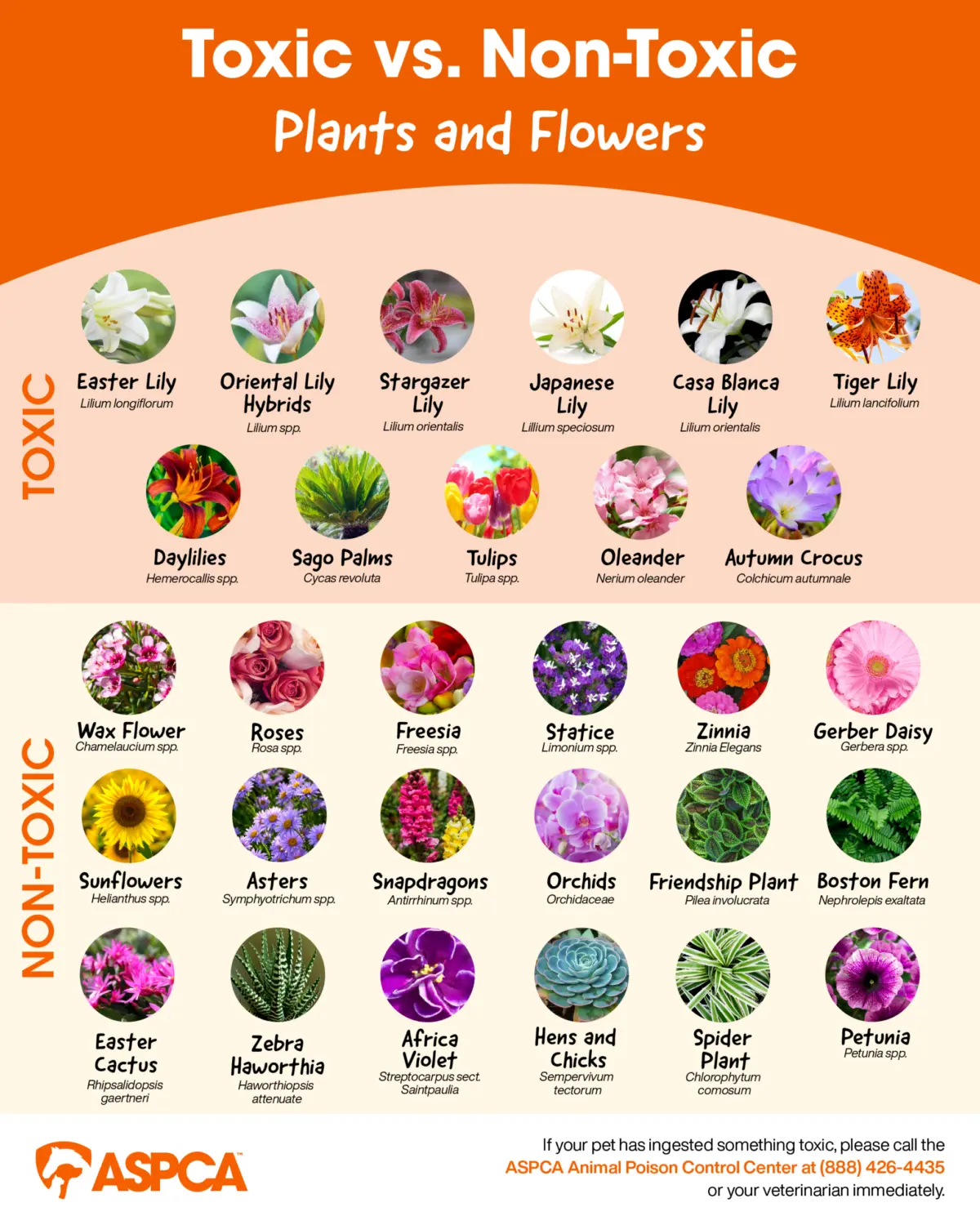
- Look Beyond "Non-Toxic" Labels: Never rely solely on retail plant nursery assurances. Cross-reference all indoor and outdoor flora against authoritative databases, such as the official ASPCA Toxic and Non-Toxic Plant List.
- Understand the Dose-Response Curve: Remember that even plants classified as "mildly irritating" can cause severe systemic distress, secondary organ strain (such as temporary liver enzyme elevation), and severe pain if consumed in large quantities by determined chewers.
- Keep Emergency Resources Accessible: Save vital emergency contact numbers directly into mobile devices. The ASPCA Animal Poison Control Center can be reached at (888) 426-4435. (Note: A consultation fee applies, but the access to board-certified toxicologists is invaluable during critical windows of care).
- Recognize Behavioral Loops: Understand that pets experiencing gastrointestinal burning or nausea from certain plants may enter a destructive feedback loop, consuming more of the offending material in a misguided attempt to self-soothe.
- Maintain Open Lines with Veterinary Teams: When administering home interventions—such as pain management via previously prescribed veterinary medications (e.g., Tramadol)—always ensure dosages and indications align with current clinical guidelines, and keep emergency clinics on standby if symptoms persist.
As pet ownership continues to grow alongside modern interior design trends, bridging the gap between colloquial terminology and rigorous veterinary science remains essential. Through heightened vigilance, institutional support from organizations like the ASPCA APCC, and shared community experiences, pet lovers can better protect their animal companions from the hidden dangers lurking within our living spaces.