
Executive Overview
In the wake of catastrophic flash flooding that swept through the mountainous terrain of McCaysville, Georgia, the human cost of natural disasters is frequently measured in property damage, displaced families, and economic loss. However, the emotional toll of such tragedies often resides in the quiet, agonizing moments of uncertainty concerning family pets. For Billy Paschall, a resident of Fannin County, surviving the midnight deluge was only the prologue to a heart-wrenching ordeal. Trapped on his porch as surging waters swallowed his home, Paschall’s primary anxiety centered not on his material possessions, but on the safety of his seven beloved cats.
During the chaos of a nighttime rescue by local law enforcement via boat, all seven felines vanished into the swirling waters and darkness, leaving Paschall to face total destitution compounded by profound grief. What followed was a multi-day narrative of resilience, expert community advice, and an astonishing stroke of serendipity. While standing amid the ruined skeleton of his waterlogged home for a live television broadcast, Paschall experienced an unexpected twist of fate: the final missing cat, Bounce, emerged from the brush. This miraculous reunion brought closure to a search that had weighed heavier on Paschall than the loss of his home.
This comprehensive report examines the chronology of the McCaysville flash floods, the psychological impact of pet displacement during natural disasters, the tactical recovery measures employed by Paschall under professional guidance, and the broader implications for animal welfare during emergency evacuations in vulnerable Appalachian communities.
Detailed Chronology: From Midnight Terror to Live-Broadcast Joy
The Rising Tide: The Night of the Deluge
The emergency unfolded in the dead of night when relentless, torrential rainfall overwhelmed northern Georgia’s riverbanks and drainage basins, transforming peaceful creeks into raging torrents. In McCaysville, a historic mountain town unaccustomed to such rapid, catastrophic inundation, water levels escalated with terrifying speed. Billy Paschall found himself cornered by the elements inside his residence as water breached the thresholds, eventually peaking at approximately five feet inside the living spaces.
Realizing the structural danger, Paschall retreated to his front porch, where he waited for hours while the dark, freezing floodwaters churned below. Crucially, he was not alone. His seven cats—visibly panicked by the rising tide—had sought refuge alongside him, desperately scrambling atop small outdoor cat houses to keep clear of the currents
.
"They were totally freaking out," Paschall recounted to local media outlets, describing the animals’ visceral aversion to the surrounding water. For hours, man and animals shared a precarious ledge, isolated by the elements and awaiting rescue.
The Midnight Rescue and the Disappearance
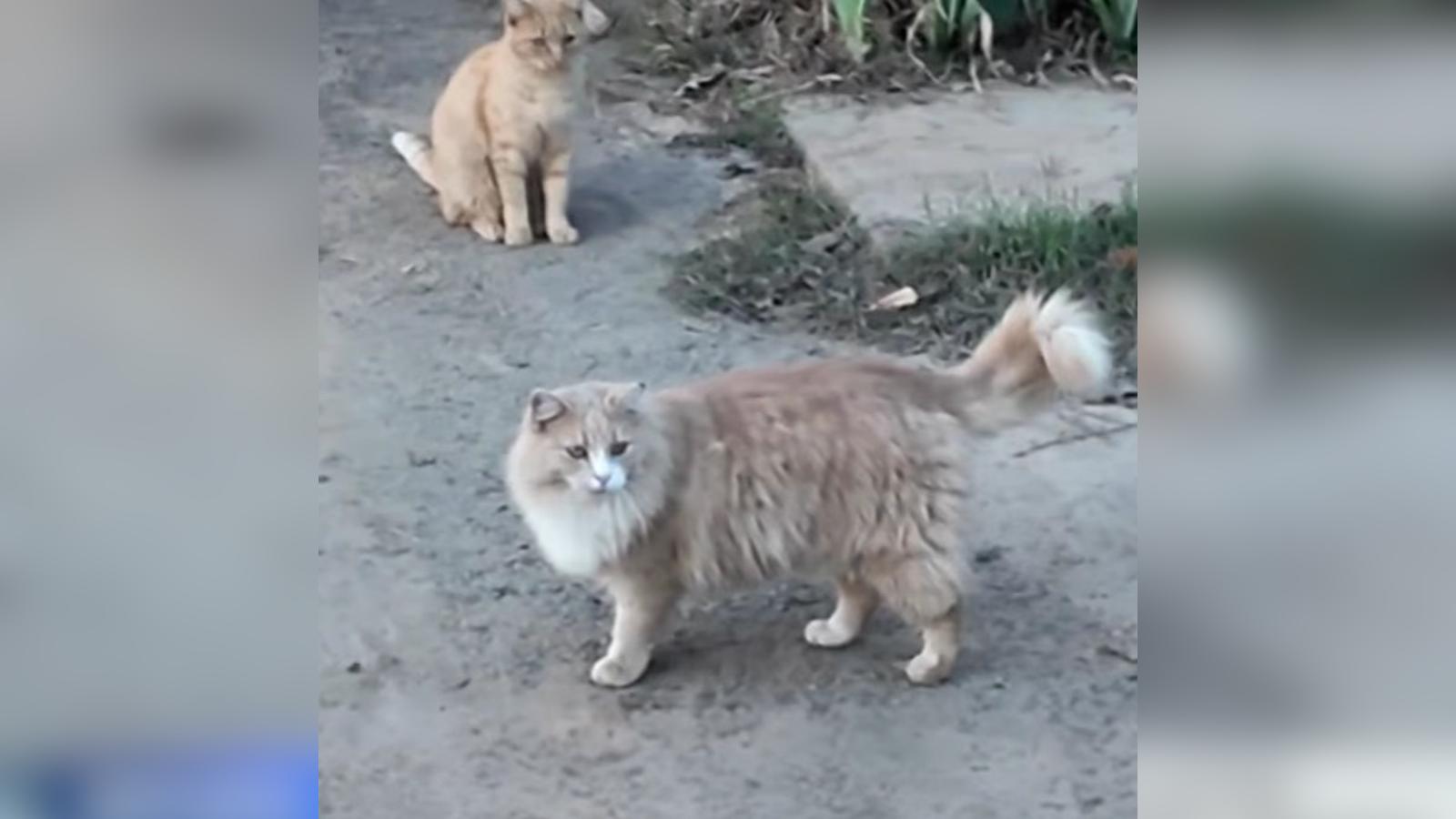
Emergency response protocols were tested to their limits that night. Law enforcement personnel eventually navigated rescue watercraft through submerged residential streets to reach Paschall’s porch. Amid the blinding rain, the roar of rushing water, and the high-stress urgency of the extraction, the rescue team successfully brought Paschall and his panicked pets aboard the boat.
However, the chaotic transition from the porch to the rescue vessel proved disastrous for the cats. Terrified by the engine noise, the rushing water, and the flashing emergency lights, all seven felines scattered into the darkness. While Paschall was safely evacuated to dry land, he was instantly struck by a secondary trauma: his companions had vanished into an alien landscape of mud and submerged debris.
The Return to Devastation
In the days following the flash flood, Paschall returned to his property to assess the wreckage. The scene was apocalyptic. Five feet of standing water had saturated the drywall, warped the flooring, and destroyed virtually every personal item he owned. Appliances, furniture, and sentimental keepsakes were reduced to waterlogged refuse.
"It’s been terrible, man, I lost everything," Paschall reflected, summarizing the stark reality shared by many residents across Fannin County. Yet, amid the staggering loss of property, Paschall’s singular focus remained the recovery of his seven cats. The physical desolation of his home took a backseat to the psychological void left by their absence.
Supporting Context & Metrics: Disaster Animal Welfare and Community Response
The Meteorology and Mechanics of McCaysville’s Flash Floods
The flash flooding that struck Fannin County is part of a broader, concerning pattern of severe weather events impacting the southern Appalachian region. Mountainous topography creates unique hydrological hazards; narrow valleys and steep slopes funnel heavy rainfall rapidly into local waterways, reducing warning times for residents living near riverbanks.
According to regional emergency management metrics, flash floods represent one of the most lethal and unpredictable weather phenomena in the United States. In communities like McCaysville, where historic downtown areas and residential neighborhoods sit in low-lying river basins, water can rise several feet in a matter of minutes. The psychological impact on residents is exacerbated by the suddenness of the event, leaving little to no time to secure pets, transport vehicles, or protect irreplaceable valuables.
The Science of Pet Displacement During Natural Disasters
Animal behaviorists note that domestic animals subjected to sudden natural disasters experience acute panic responses, typically divided into "fight, flight, or freeze" reactions. Cats, being highly sensitive to changes in their acoustic and olfactory environments, are particularly prone to flight when exposed to terrifying stimuli such as roaring floodwaters and flashing lights.
When separated from their owners during an emergency, displaced cats frequently enter a state of feral preservation. Hiding in high, secure places or retreating deep into unfamiliar territory, they often remain motionless for days, paralyzed by fear. This behavior explains why Paschall’s initial searches of the immediate property yielded no results; the cats were likely sequestered in nearby brush, outbuildings, or higher terrain, waiting for the environment to stabilize before venturing out.
The Expert Intervention: Orelon Sidney’s Critical Advice
Recognizing the deep emotional distress of disaster victims, media personnel covering the aftermath often play an unexpected supporting role in community recovery. In this instance, CBS News Atlanta meteorologist Orelon Sidney—a dedicated animal advocate—provided Paschall with a crucial, actionable strategy based on feline behavioral instincts.
Sidney advised Paschall to place a familiar cat box containing scent-laden items on the porch of his damaged home. For displaced cats navigating a radically altered landscape, familiar olfactory cues serve as navigational beacons. Cats possess an extraordinary sense of smell and can detect the scent of their home, bedding, and owners from significant distances, especially when the surrounding visual landmarks have been erased by floodwaters.
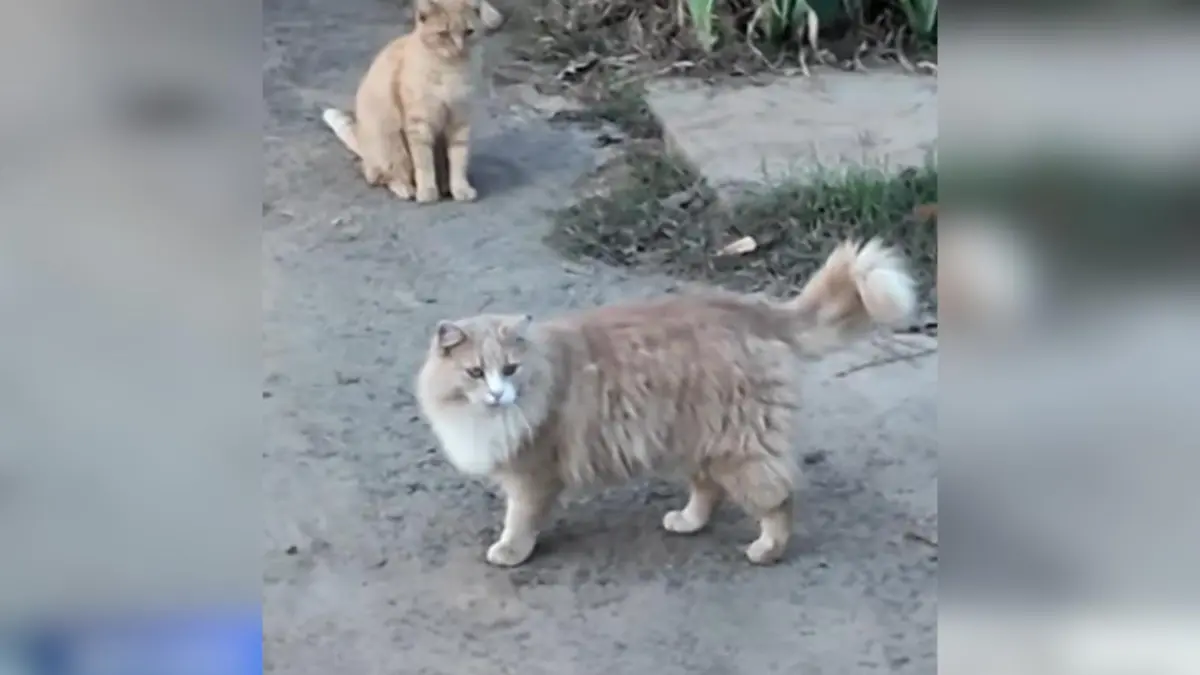
Acting on this expert guidance, Paschall placed the box on his porch. Within days, the strategy bore fruit. One by one, six of the seven cats navigated back to the property, drawn by the scent of home and the security of familiar territory. However, the final cat—affectionately named Bounce—remained unaccounted for, leaving Paschall’s heart heavy as the recovery effort ground on.
Official Statements and Media Coverage
The convergence of journalism and human-interest storytelling frequently creates moments of unscripted emotional resonance. On Monday, CBS News Atlanta reporter Daniel Wilkerson returned to Paschall’s McCaysville property to document the ongoing clean-up operations and the broader community recovery metrics in Fannin County.
As Wilkerson and Paschall stood amidst the ruined drywall of the living room, discussing the bleak prospects of reconstruction, the interview was interrupted by an unexpected participant.
"That’s my Bounce," Paschall exclaimed mid-sentence, his voice shifting instantly from weary resignation to sheer disbelief as a familiar feline silhouette appeared on the threshold.
Realizing the dramatic weight of the unscripted moment, Wilkerson turned his microphone toward the interaction.
"Is that the final missing cat?" the reporter asked.
"I hadn’t seen him ’til right now," Paschall confirmed, marveling at the timing.
The live broadcast captured a profound human-animal bond, transforming a segment about infrastructural devastation into a masterclass in emotional resilience. Emergency management officials noted that such uplifting human-interest stories are vital for community morale, offering a psychological anchor during the grueling early phases of disaster recovery.
Future Outlook: Rebuilding Life and Home in Fannin County
While the miraculous return of Bounce brought profound emotional relief to Billy Paschall, the pragmatic realities of post-flood recovery remain formidable. Fannin County authorities and regional relief organizations continue to evaluate the structural integrity of homes along McCaysville’s flood-prone corridors, distributing aid, coordinating volunteer clean-up crews, and establishing temporary housing resources for displaced families.
For Paschall, the road ahead involves complete structural remediation—stripping water-damaged drywall, replacing ruined subfloors, and rebuilding his life from the foundation up. Yet, the successful recovery of all seven cats alters the psychological calculus of his recovery. No longer burdened by the agonizing unknown of his pets’ fates, Paschall faces the physical labor of rebuilding with renewed hope.
Key Takeaways for Disaster Preparedness Involving Pets
- Evacuation Planning: Emergency response agencies must increasingly integrate pets into evacuation protocols, recognizing that owners will often delay their own safety to rescue animals.
- Olfactory Anchors: As demonstrated by meteorologist Orelon Sidney’s advice, leaving scent-marked items (bedding, litter boxes, worn clothing) on properties is a scientifically proven method to attract displaced cats back to familiar zones.
- Community Resilience: The intersection of media presence, expert advice, and local solidarity plays a critical role in mitigating the psychological trauma of survivors in disaster-stricken Appalachian enclaves.
As Paschall settles back into his gutted home with his reunited feline family, his story stands as a testament to the enduring power of hope amidst devastation—proving that sometimes, even in the darkest moments of loss, the missing pieces have a way of finding their way home.