
An investigative report on widespread heavy metal contamination in commercial cat and dog food, the scientific studies documenting the crisis, and the regulatory loopholes that leave companion animals vulnerable to chronic daily exposure.
Executive Overview: Unmasking the Silent Contamination Crisis
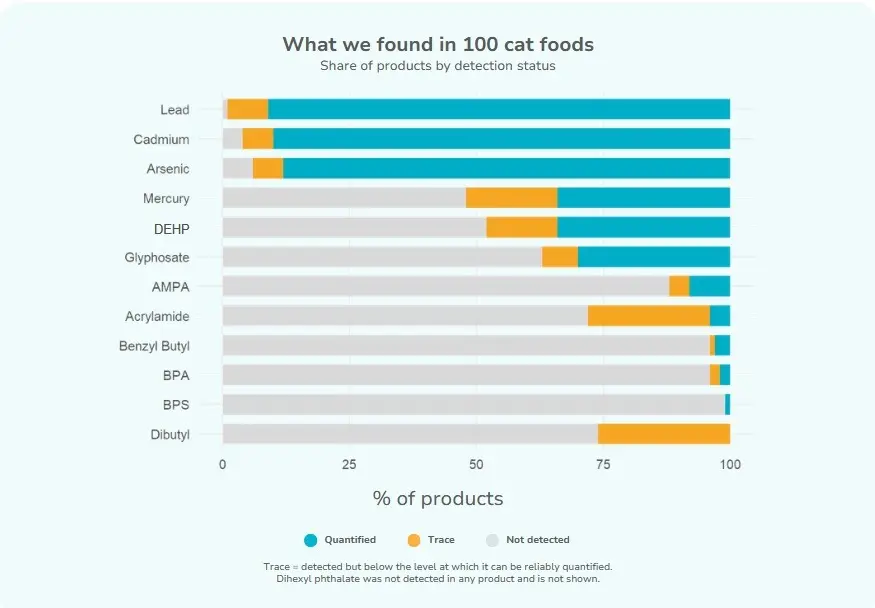
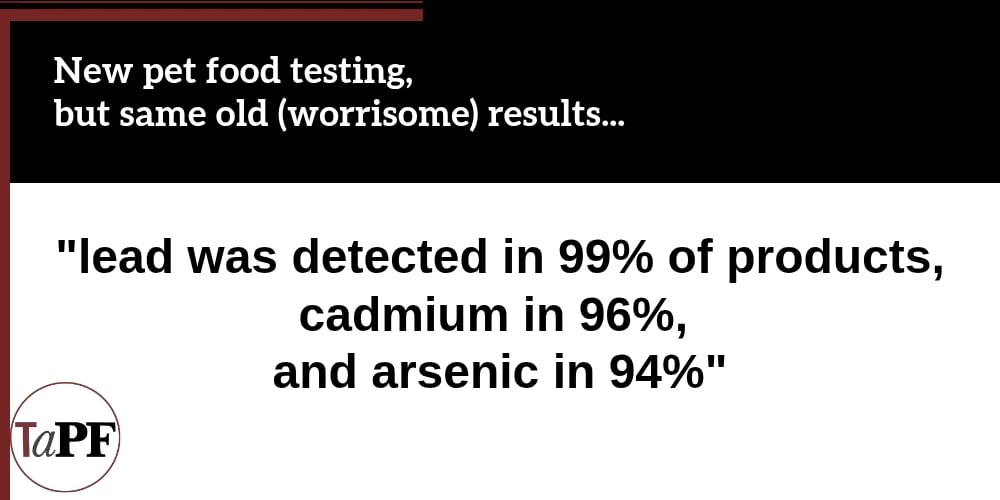
A growing body of independent scientific research has exposed a systemic safety issue within the commercial pet food industry: widespread contamination by toxic heavy metals, including lead, mercury, arsenic, and cadmium. The latest alarming findings come from the Clean Label Project, a non-profit consumer advocacy group, whose comprehensive testing project titled "Heavy Metals Found in Up to 99% of Cat Food Products Tested Across 62 Brands" revealed that virtually all commercial cat foods tested contained detectable levels of hazardous heavy metals.
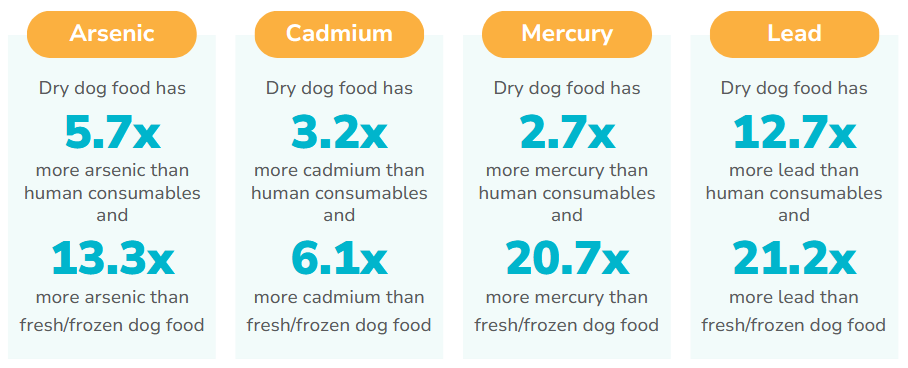
This revelation follows a parallel study released by the group in February 2026, which documented alarming burdens of heavy metals in dry dog food products compared to human-grade fresh and frozen alternatives. Together, these reports build upon more than fifteen years of academic and laboratory research—including multi-decade studies by SPEX CertiPrep and molecular analysis by the University of Nevada, Reno—confirming that heavy metal contamination in pet food is neither isolated nor novel.
Despite these repeated scientific warnings, regulatory oversight remains minimal. The U.S. Food and Drug Administration’s Center for Veterinary Medicine (FDA CVM) currently maintains no formal legal tolerances, action levels, or enforced maximum thresholds for heavy metals in companion animal food. Instead, federal regulators rely on a discretionary "case-by-case" enforcement strategy anchored to standards published by the National Research Council (NRC) and the Association of American Feed Control Officials (AAFCO).
Crucially, consumer advocates and environmental scientists point out that these existing reference values were derived for agricultural livestock raised for slaughter—not for domestic cats and dogs consuming the same commercial diet every day for up to fifteen years or more. As a result, pet food manufacturers operate under permissive guidelines, leaving millions of pets at risk of chronic toxicity, metabolic dysfunction, and organ failure.
Detailed Chronology: A Timeline of Scientific Warnings (2009–2026)
The ongoing exposure of heavy metal contamination in commercial pet food is documented across nearly two decades of peer-reviewed research, independent laboratory assays, and genetic analyses.
+-----------------------------------------------------------------------------------+
| CHRONOLOGY OF HEAVY METAL TESTING IN COMMERCIAL PET FOOD                          |
+-----------------------------------------------------------------------------------+
| 2009 | SPEX CertiPrep conducts baseline heavy metal testing on commercial brands.  |
| 2019 | SPEX CertiPrep follow-up study confirms persistent heavy metal levels.      |
| 2021 | Univ. of Nevada, Reno exposes chronic mercury risks & species substitution.|
| 2026 | Clean Label Project releases Dog Food Study showing extreme kibble toxicity. |
| 2026 | Clean Label Project releases Cat Food Study: 99% of 62 brands contaminated. |
+-----------------------------------------------------------------------------------+
2009–2019: The SPEX CertiPrep Longitudinal Investigations
In 2009, testing firm SPEX CertiPrep performed spectroscopic analysis on commercial pet food products to determine baseline concentrations of toxic elements. A decade later, in 2019, the organization conducted a follow-up investigation titled "Heavy Metals in Pet Food: Changes Over the Past Decade."
The comparison revealed that despite advancements in food processing technology and rising consumer spending on "premium" pet care, heavy metal contamination remained pervasive across market categories. SPEX CertiPrep’s findings indicated that heavy metals such as lead, arsenic, and cadmium were consistently present across popular formulations, demonstrating that supply chain contamination had persisted unabated for over ten years.
2021: The University of Nevada, Reno Investigation
In 2021, researchers at the University of Nevada, Reno (UNR) published a peer-reviewed study evaluating heavy metal contents and ingredient integrity in commercial pet foods. The study reached two alarming conclusions:
- Dangerous Mercury Accumulation: The UNR study detected concentrations of mercury in commercial products that were elevated to levels posing significant risks for chronic, long-term consumption.
- Widespread Ingredient Fraud and Adulteration: Utilizing DNA sequencing techniques, UNR researchers analyzed the actual biological material inside pet food packaging. Every single sample evaluated displayed labeling inaccuracies. High-value proteins (such as salmon, tuna, or novelty meats like venison) were frequently diluted or entirely substituted with cheaper, low-value proteins—primarily low-grade chicken byproducts.
February 2026: Clean Label Project Dog Food White Paper
In early 2026, the Clean Label Project published a white paper titled "Extremely High Levels of Lead, Mercury, Arsenic, and Cadmium Found in Dry Dog Food." The organization evaluated hundreds of dry kibble formulations alongside human food baseline standards and fresh/frozen dog food options.
The metrics demonstrated a stark divergence in product safety: traditional dry kibble formulations contained significantly higher heavy metal concentrations than fresh, frozen, or human-grade alternatives. The report established that ultra-processed dry foods, reliant on low-cost rendered meals and heavily processed agricultural byproducts, were primary drivers of heavy metal accumulation.
Late 2026: Clean Label Project Cat Food Study
Building on its canine study, the Clean Label Project published its landmark cat food investigation: "Heavy Metals Found in Up to 99% of Cat Food Products Tested Across 62 Brands." Screenings spanning 62 major commercial brands revealed that 99% of tested products contained measurable levels of dangerous heavy metals.
The study emphasized that cats—obligate carnivores with sensitive metabolic systems—are uniquely vulnerable to daily, low-dose heavy metal exposure, particularly given their small body mass and long lifespans.
Supporting Context & Metrics: Toxicological Pathways and Manufacturing Vulnerabilities
Understanding why pet foods are persistently contaminated requires examining both the biological impact of heavy metals on small animals and the structural vulnerabilities of the pet food supply chain.
The Heavy Metal Quartet: Biological Impacts on Companion Animals
Heavy metals accumulate in vital tissues over time, disrupting cellular function and damaging internal organs:
- Lead ($Pb$): A potent neurotoxin that accumulates in brain tissue, liver, and bone. In companion animals, chronic low-dose lead exposure can cause gastrointestinal distress, neurological impairment, lethargy, anemia, and irreversible renal damage.
- Mercury ($Hg$): Highly bioaccumulative, particularly in the form of methylmercury found in marine life. Mercury damages the central nervous system, impairs cognitive function, and compromises kidney filtration in feline and canine populations.
- Arsenic ($As$): Ingested via contaminated groundwater, grains, and marine products. Inorganic arsenic is a known carcinogen that causes gastrointestinal lesions, cardiovascular impairment, liver disease, and metabolic failure.
- Cadmium ($Cd$): A heavy metal contaminant linked to industrial runoff, phosphate fertilizers, and animal rendering. Cadmium specifically targets the renal cortex, degrading kidney function over time and causing chronic renal failure—a leading cause of death in older domestic cats.
+------------------------------------------------------------------------------------+
| TOXICOLOGICAL RISK PROFILE IN COMPANION ANIMALS                                    |
+------------------------------------------------------------------------------------+
| Contaminant | Key Sourcing Vectors                | Target Organs / Pathologies    |
+-------------+-------------------------------------+--------------------------------+
| Lead        | Bone meal, rendered scraps, water   | Brain, Kidneys, Bones, Liver   |
| Mercury     | Apex marine fish, low-grade oils    | Central Nervous System, Kidney |
| Arsenic     | Rice fillers, industrial water      | Liver, GI Tract, Cardiovascular|
| Cadmium     | Organ meats, phosphate fertilizers  | Renal Cortex, Bone Density     |
+------------------------------------------------------------------------------------+
Why Ultra-Processed Kibble Fails: Rendering and Sourcing
The structural differences between traditional dry kibble and fresh diets explain the high rate of contamination found in testing:
- Rendered Animal Meals and High Ash Content: Ultra-processed kibble relies heavily on rendered poultry, meat, and fish meals. These ingredients are produced by cooking down animal scraps, carcasses, and bone tissue at intense temperatures. Bone tissue actively sequesters heavy metals like lead and cadmium over an animal’s lifetime. When high-ash bone meal is ground into dry kibble, heavy metal concentrations spike dramatically.
- Agricultural Fillers: Inexpensive agricultural binders—such as rice, corn, wheat, and legume proteins—absorb inorganic arsenic and cadmium from agricultural soil and contaminated runoff.
- Marine Bioaccumulation: Industrial seafood byproducts, often utilized in feline diets for flavor enhancement, bioaccumulate methylmercury and arsenic from ocean ecosystems.
- Economic Protein Substitution: As documented by the University of Nevada, Reno, manufacturers routinely substitute cheap, low-grade animal tissue for premium ingredients. These cheaper inputs often lack rigorous supply-chain quality controls, introducing unmonitored trace contaminants into the finished product.
Official Statements and the Regulatory Void
The contrast between independent scientific findings and regulatory policy highlights a major gap in pet food oversight.
The FDA’s Stance: Case-by-Case Discretion
In response to inquiries regarding heavy metal safety, the FDA’s Center for Veterinary Medicine (CVM) released an official statement outlining its regulatory approach:
"While the FDA CVM has not promulgated guidance, action levels, or tolerances for heavy metal levels in animal food, the FDA has—and uses—the authority to take action on a case-by-case basis where a particular animal food is found through routine or targeted testing to be adulterated. This is accomplished by taking into consideration information provided in the National Research Council of the National Academies Mineral Tolerance of Animals book (NRC) as well as information provided in the Association of American Feed Control Officials Official Publication (AAFCO OP)."
In practice, this means the FDA does not maintain legally binding maximum contaminant levels for lead, arsenic, mercury, or cadmium in pet food. Unless an extreme, acute poisoning event occurs, the agency rarely intervenes.

+------------------------------------------------------------------------------------+
| REGULATORY REALITY VS. PET HEALTH NEEDS                                            |
+------------------------------------------------------------------------------------+
| Regulatory Basis (NRC / AAFCO)             | Biological Reality (Housecats/Dogs)   |
+--------------------------------------------+---------------------------------------+
| - Designed for farm livestock              | - Long-term companion animals         |
| - Targets acute toxicity before slaughter  | - Evaluates chronic lifetime exposure |
| - Prioritizes agricultural economy          | - Requires preventative safety limits |
| - High tolerance thresholds                | - Highly susceptible to kidney/liver  |
|                                            |   failure from daily micro-doses      |
+------------------------------------------------------------------------------------+
The Clean Label Project’s Rebuttal
The Clean Label Project directly criticized this regulatory framework in its cat food white paper, pointing out that existing reference limits are fundamentally unfit for companion animals:
"While human foods can often be compared to third-party regulatory thresholds, few (if any) regulations exist surrounding these contaminants in cat food. The few reference values that do exist for animal feed—maximum tolerable levels published by the National Research Council and the Association of American Feed Control Officials (AAFCO)—were derived to prevent acute poisoning in livestock, not to protect a housecat eating the same food every day for fifteen years. These regulations, heavily influenced by trade, provide false security and a ready-made excuse to reassure consumers about the products’ purported safety."
Advocates Challenge Federal Regulators
Prominent consumer advocate Susan Thixton, founder of TruthaboutPetFood.com and the Association for Truth in Pet Food (ATPF), has leveled a direct challenge against the FDA:
"How many studies evidencing US pet food is frequently contaminated/adulterated is it going to take for FDA to establish maximum allowed levels for heavy metals, pesticides, plastics in pet foods?"
Thixton and other advocates contend that the FDA’s reliance on voluntary AAFCO guidelines creates an unregulated environment where manufacturers can legally sell heavily contaminated pet products, shifting the health burden directly onto consumers and their pets.
Future Outlook: Industry Reform and Consumer Imperatives
The convergence of findings from the Clean Label Project, SPEX CertiPrep, and the University of Nevada, Reno signals a growing crisis of trust in commercial pet food manufacturing. Without comprehensive regulatory reform, addressing this issue will depend on consumer pressure, industry transparency, and policy changes.
Mandatory Structural Reforms Required
To establish a safe supply chain for companion animals, advocates and food safety scientists call for key structural changes:
- Enforceable Maximum Residue Limits (MRLs): The FDA CVM must establish binding federal thresholds for heavy metals (lead, arsenic, cadmium, mercury), microplastics, glyphosate, and synthetic pesticides tailored specifically to companion animals.
- Mandatory Batch Testing and Certificates of Analysis: Manufacturers should be legally required to conduct third-party heavy metal screenings for every raw ingredient batch before processing.
- DNA-Verified Labeling Transparency: Regulators must crack down on species substitution and protein adulteration, enforcing strict penalties for brands that obscure ingredient sourcing.
Navigating the Market: Guidance for Pet Owners
While systemic regulatory reform remains stalled, pet owners can take steps to reduce their animals’ exposure to heavy metals:
- Diversify Protein Sources and Formulations: Avoid feeding a single dry kibble formula exclusively for years. Rotating proteins and incorporating high-quality fresh or frozen human-grade foods can help reduce chronic heavy metal buildup.
- Limit High-Ash and Rendered Ingredients: Seek out diets that emphasize whole, named muscle meats over generic "meat meal," "poultry meal," or high-ash byproducts.
- Be Cautious with Ocean Fish Diets: Limit reliance on tuna, tilefish, and generic marine protein meals, which carry elevated risks of methylmercury accumulation.
- Demand Third-Party Testing Transparency: Support brands that publish comprehensive Certificates of Analysis (COAs) and undergo independent verification from non-profit testing bodies like the Clean Label Project.
- Support Regulatory Advocacy: Organizations like the Association for Truth in Pet Food represent consumer interests at AAFCO and FDA meetings, lobbying for enforceable safety standards and an end to livestock-derived regulatory exemptions.
Conclusion
The evidence compiled across nearly two decades of testing is clear: widespread heavy metal contamination in commercial pet food is a persistent safety issue. As science continues to link chronic trace-contaminant exposure to rising rates of feline kidney disease, canine oncology cases, and organ dysfunction, the regulatory void maintained by federal authorities is increasingly indefensible.
Protecting companion animals requires moving away from outdated livestock standards and establishing a modern, transparent safety framework that treats pet nutrition with the same rigor as human food.