
Executive Overview
In a proactive measure to safeguard domestic animals against a devastating and historically feared parasite, the U.S. Food and Drug Administration (FDA) has issued an Emergency Use Authorization (EUA) for Simparica TRIO (sarolaner, moxidectin, and pyrantel chewable tablets). The authorization specifically sanctions the use of this broad-spectrum parasiticide for the treatment of New World screwworm (NWS) infestations—medically known as myiasis—in dogs and puppies.
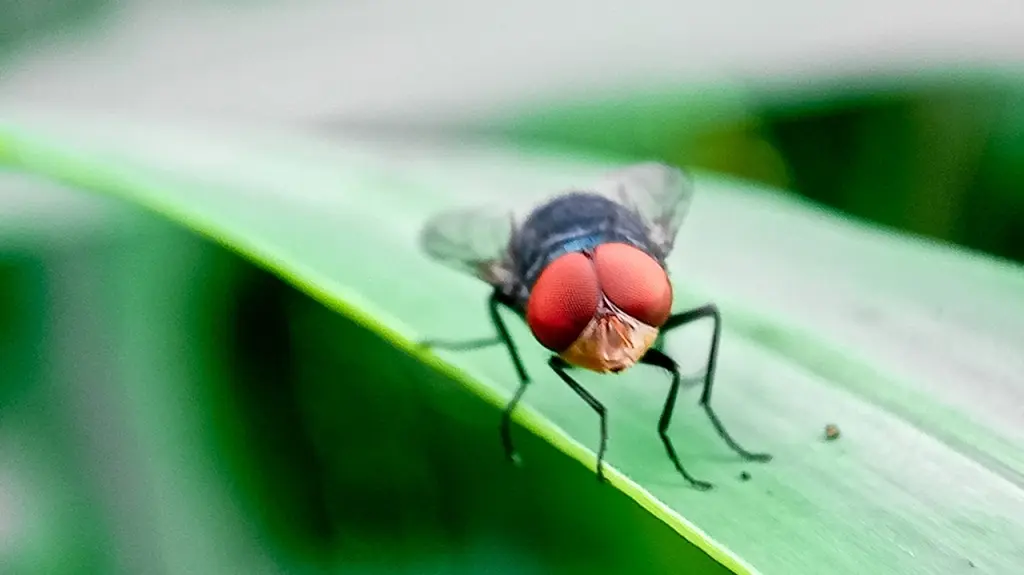
While current geographical data indicates that the vast majority of dogs within the United States face a low exposure risk, active detections of the parasite in localized regions of Texas and New Mexico have prompted federal regulators to expand the pharmacological arsenal available to veterinarians. The New World screwworm is not a typical flea, tick, or intestinal worm; it is the larval stage of the fly Cochliomyia hominivorax, an aggressive, flesh-eating parasite capable of inflicting catastrophic and frequently fatal damage on livestock, companion animals, wildlife, and even humans.
By greenlighting Simparica TRIO under emergency provisions, the FDA aims to ensure that veterinary professionals and pet owners are not caught unawares should localized containment efforts face challenges. Regulators emphasize that the authorization is strictly for treatment, not prevention. Nevertheless, the move highlights the federal government’s vigilance in preemptively addressing biological threats that could jeopardize animal health, public safety, and the agricultural economy.
Detailed Chronology: The Path to Emergency Authorization
The issuance of the EUA for Simparica TRIO does not happen in a vacuum; it is the latest development in a long-standing national strategy to monitor, contain, and eradicate the New World screwworm from North America.
Historical Context and Eradication Milestones
The New World screwworm once wreaked absolute havoc across the southern United States and Latin America, causing billions of dollars in losses to the livestock industry and inflicting immense suffering on animals. In the mid-20th century, a monumental cooperative effort between the United States and international agricultural agencies successfully eradicated NWS from the U.S. through the pioneering "sterile insect technique" (SIT), where millions of sterilized male flies were released to disrupt the reproductive cycle.
For decades, the United States remained largely free of endemic NWS populations, thanks to rigorous surveillance programs maintained by the United States Department of Agriculture (USDA) Animal and Plant Health Inspection Service (APHIS) and a permanent biological barrier zone maintained in Central America. However, occasional re-emergence events or travel-associated cases near the southern border necessitate constant vigilance.
Recent Detections and Regulatory Action
In response to recent confirmations of NWS detections in specific, isolated areas of Texas and New Mexico, federal health and agricultural authorities immediately ramped up surveillance and response protocols. Recognizing that companion animals frequently accompany their owners across state lines or live in proximity to affected agricultural zones, the FDA accelerated its evaluation of existing parasiticides to determine their efficacy against Cochliomyia hominivorax.
Through rigorous scientific review of available pharmacological data, the FDA determined that the active ingredients in Simparica TRIO—specifically the systemic ectoparasiticide sarolaner combined with moxidectin—exhibit sufficient therapeutic potential against NWS larvae embedded in canine tissue. Consequently, the agency executed the Emergency Use Authorization, establishing a legally sanctioned, rapid-response treatment protocol for veterinarians operating in or near affected regions.
Supporting Context & Metrics: Understanding the Threat of Cochliomyia hominivorax
To fully appreciate why the FDA has taken the extraordinary step of issuing an EUA for a common canine parasiticide, one must examine the biology, pathology, and epidemiological impact of the New World screwworm.
Biological Profile and Pathophysiology
Unlike many common blowflies that feed exclusively on decaying organic matter or necrotic tissue, the adult female New World screwworm fly is attracted to warm-blooded animals and seeks out living, healthy tissue.
- The Oviposition Process: A female fly deposits eggs (ranging from 10 to 400 at a time) on the edges of open wounds, scratches, tick bites, or even natural body orifices (such as the mouth, nose, eyes, or genitalia) of a living host.
- Larval Burrowing: Within 12 to 24 hours, the eggs hatch into larvae (maggots). These larvae possess sharp, hook-like mouthparts and secrete proteolytic enzymes that liquefy flesh. They actively burrow deep into healthy, living subcutaneous tissue.
- Severe Pathology: As the larvae feed, they enlarge the wound, creating a deep, pocketed cavity. This process causes agonizing pain, severe tissue destruction, secondary bacterial infections, foul-smelling discharges, and, if left untreated, systemic shock and death.
[Female Fly] ---> Lays Eggs on Open Wound ---> Hatches into Maggots (12-24 hrs)
                                                       |
[Secondary Infections / Death] <--- Deep Tissue Burrowing & Flesh Liquefaction
Risk Assessment and Geographic Distribution
- Current Status: Detections are currently restricted to specific, monitored zones within Texas and New Mexico. APHIS and state veterinarians maintain strict quarantine and inspection protocols around these zones to prevent outward migration.
- Exposure Risk: For the vast majority of U.S. dogs, the risk of encountering an NWS fly remains statistically low. However, dogs living in, traveling through, or returning from regions where NWS has been identified face elevated vulnerability.
- Clinical Presentation: Pet owners and veterinarians must watch for hallmark clinical signs, which include:
- Visible, active maggots within a wound or body opening.
- A distinct, foul odor emanating from an injury or orifice.
- Excessive licking, scratching, or localized pain and swelling.
- Lethargy, fever, or behavioral changes indicative of systemic infection.
Pharmacological Profile of Simparica TRIO
Simparica TRIO is an oral chewable tablet traditionally prescribed for the comprehensive protection of dogs against heartworm disease, ticks, fleas, roundworms, and hookworms. Its core components include:
- Sarolaner: An isoxazoline class parasiticide that targets insect and arachnid nervous systems, causing rapid death of fleas and ticks. Its systemic circulation ensures that feeding parasites ingest the active compound.
- Moxidectin: A macrocyclic lactone that provides prevention against heartworm disease and treats certain internal parasites by disrupting nerve transmission in nematodes.
- Pyrantel: A potent anthelmintic that targets gastrointestinal roundworms and hookworms.
Under the new EUA, scientific evidence demonstrates that the systemic action of these combined compounds can effectively eradicate NWS larvae (myiasis) when administered to an infested dog or puppy. Regulators reiterate, however, that Simparica TRIO does not prevent infestation; it is strictly a therapeutic intervention designed to kill larvae already present in the tissue.
Official Statements from Federal Regulatory Leadership
Federal health officials have moved quickly to frame the emergency authorization in a balanced, informative manner, seeking to provide clinical clarity without inducing panic among pet owners.

Balancing Preparedness and Public Reassurance
Acting FDA Commissioner Kyle Diamantas, J.D., emphasized that the agency’s primary motivation is comprehensive preparedness.
"The FDA continues to authorize products to give veterinarians and pet owners multiple treatment options, in the unlikely event animals under their care become infested with New World screwworm," stated Acting FDA Commissioner Kyle Diamantas, J.D. "To date, the U.S. has been successful in containing the spread of NWS. We are hopeful it will remain that way, and by authorizing products like this, the U.S. will be ready if the need arises."
This sentiment underscores a proactive regulatory philosophy: building a deep safety net of approved interventions before a localized agricultural or veterinary issue escalates into a widespread crisis.
Guidance for Canine Caregivers
Addressing the psychological impact of parasite alerts on pet owners, Dr. Timothy Schell, director of the FDA’s Center for Veterinary Medicine, urged calm, rational vigilance.
"We want dog owners to be informed, not alarmed," noted Dr. Timothy Schell, PhD, director of the FDA’s Center for Veterinary Medicine. "The best thing dog owners can do right now is stay aware of the situation, know the signs of infestation, and have a conversation with their veterinarian if they have concerns."
Dr. Schell’s comments reinforce the critical partnership between veterinary practitioners and animal guardians. Rather than acquiring prophylactic stockpiles—which would be ineffective given the drug’s treatment-only profile—owners are encouraged to maintain routine wellness checks and inspect their pets meticulously following outdoor activities in southern regions.
Future Outlook: Surveillance, Containment, and Veterinary Preparedness
Looking ahead, the long-term containment of the New World screwworm in North America will depend heavily on sustained inter-agency cooperation, rigorous border inspections, and public education.
The Role of USDA-APHIS and State Agencies
The USDA, working in tandem with state departments of agriculture in Texas, New Mexico, and surrounding states, continues to deploy aggressive surveillance strategies. These include:
- Livestock and Pet Inspection Checkpoints: Monitoring animal movements out of quarantine zones.
- Sterile Fly Dispersal Programs: Maintaining readiness to deploy sterile insect technology across vulnerable borders to suppress wild fly populations if population densities rise.
- Veterinary Outreach: Distributing clinical advisories to veterinary clinics nationwide, ensuring that practitioners can rapidly diagnose myiasis and utilize newly authorized tools like Simparica TRIO effectively.
Clinical Implications for Veterinary Practices
For practicing veterinarians, the FDA’s Emergency Use Authorization provides a vital clinical pathway. In the event that a dog presents with suspected NWS myiasis—particularly an animal with a travel history to Texas, New Mexico, or parts of Latin America—clinicians now possess a federally sanctioned, scientifically backed protocol utilizing Simparica TRIO to halt tissue destruction.
However, veterinary associations stress that mechanical removal of larvae, thorough wound debridement, and supportive antibiotic therapy remain cornerstones of comprehensive myiasis management. The pharmaceutical intervention serves as a powerful adjunct to traditional surgical and hygienic wound care.
Conclusion and Recommendations for Pet Owners
As federal agencies maintain their vigilant watch over southern border regions, pet owners are advised to adhere to a few common-sense guidelines:
- Monitor Travel History: Be acutely aware of regional risks if traveling with dogs to or through Texas, New Mexico, or international destinations where NWS is endemic.
- Inspect Wounds Promptly: Check dogs daily for cuts, scrapes, or minor injuries, ensuring that any open wounds are cleaned, disinfected, and protected from flying insects.
- Consult Professionals: Never attempt to treat suspected screwworm infestations with unapproved home remedies. Seek immediate veterinary care for professional diagnosis, larval extraction, and the administration of authorized treatments such as Simparica TRIO under veterinary supervision.
By combining rigorous federal oversight, innovative pharmacological authorizations, and vigilant pet ownership, the veterinary community remains well-equipped to defend domestic animals against the enduring threat of the New World screwworm.