
Executive Overview
As the crisp air of autumn sweeps across regions, ushering in shorter days and cooler evenings, households undergo a subtle yet profound transformation. While humans reach for heavier sweaters, warm teas, and plush throws, domestic felines undergo their own distinct behavioral shifts. For decades, cat owners have affectionately noted how their pets seem to lean into the colder months, transforming ordinary living spaces into sanctuaries of warmth, comfort, and routine.
However, these charming seasonal habits—ranging from frantic sunbeam-chasing and blanket-burrowing to rhythmic kneading and nocturnal pacing—are far more than mere expressions of comfort. Ethologists, feline behaviorists, and veterinarians point to a complex interplay of evolutionary biology, thermoregulation, sensory stimulation, and deep-seated environmental routines. Understanding why cats adopt these cozy behaviors during the fall provides pet parents with a deeper appreciation of their animal companions, bridging the gap between human sentimentality and feline science.
Detailed Chronology: The Seasonal Transition of Feline Behavior
The transition from the languid heat of summer to the brisk chill of autumn triggers a series of evolutionary and physiological adjustments in domestic cats (Felis catus). Because cats are crepuscular hunters whose wild ancestors evolved in arid climates, their thermal comfort zone differs significantly from that of humans. While an average human feels comfortable in indoor temperatures ranging from 68°F to 72°F (20°C to 22°C), a cat’s optimal thermoneutral zone—the temperature range where they do not need to expend extra energy to stay warm—sits noticeably higher, often between 85°F and 100°F (30°C to 38°C).
As indoor ambient temperatures drop during the fall, cats immediately begin seeking out external heat sources to maintain their core body temperature without burning precious metabolic calories. This biological imperative sets off a predictable chronology of behavioral adaptations as autumn progresses.
Phase One: The Thermal Hunt (Early Fall)
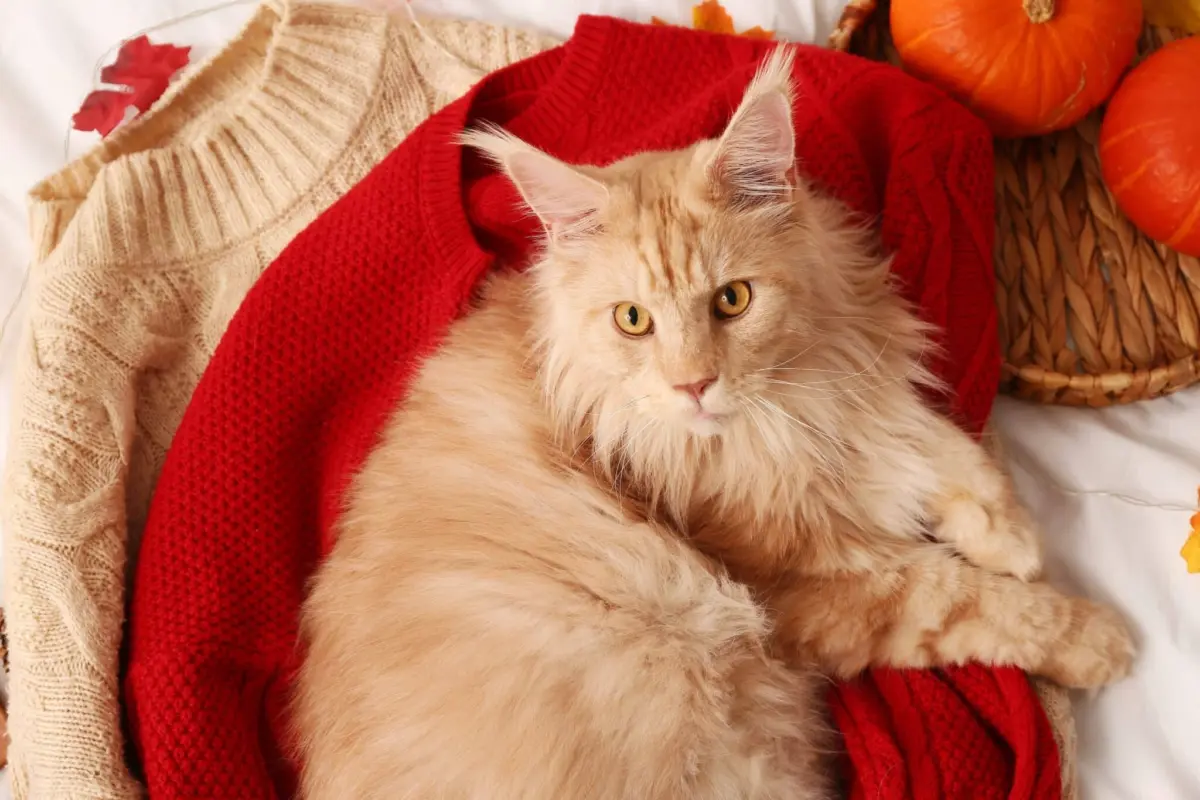
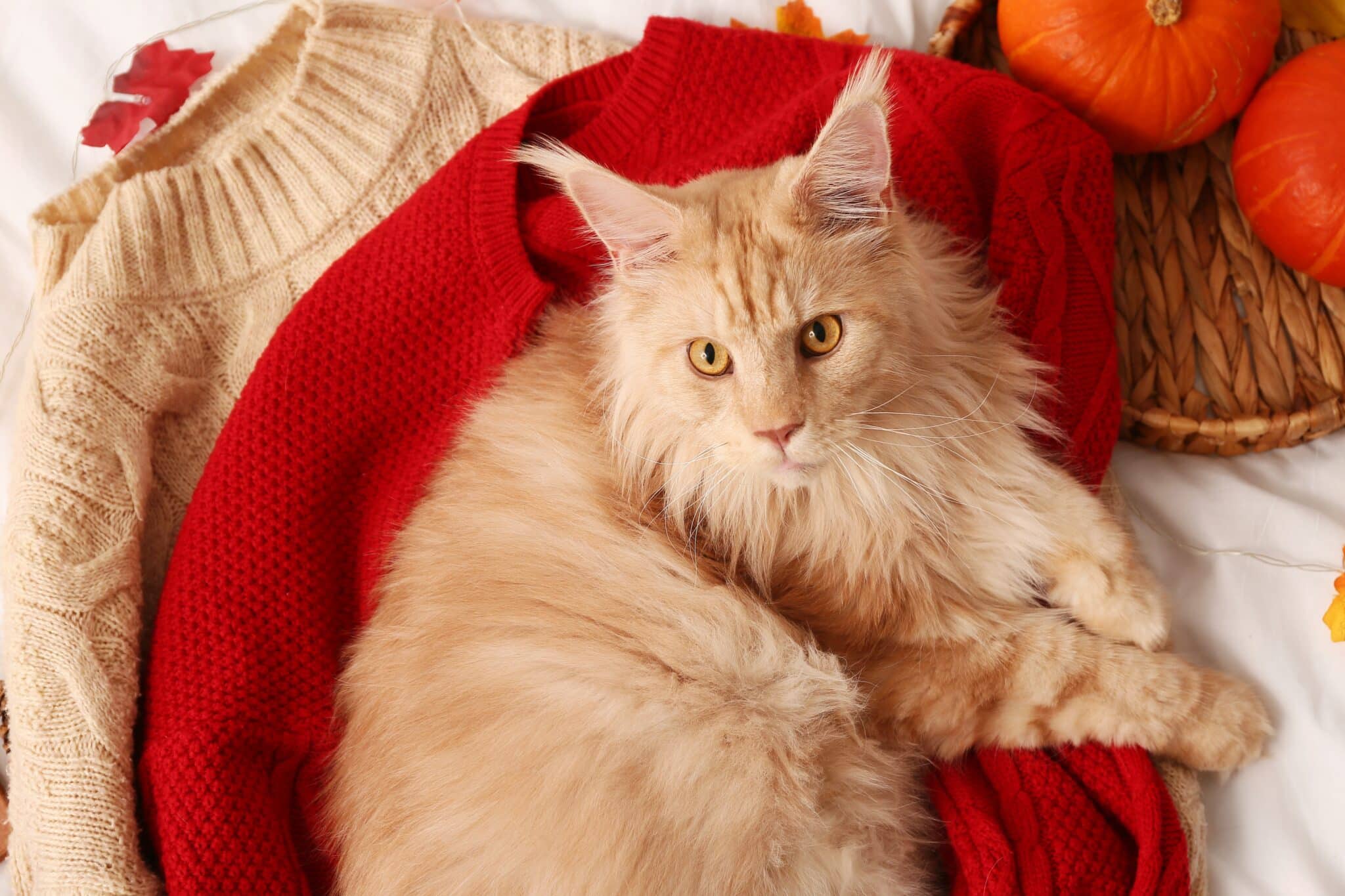
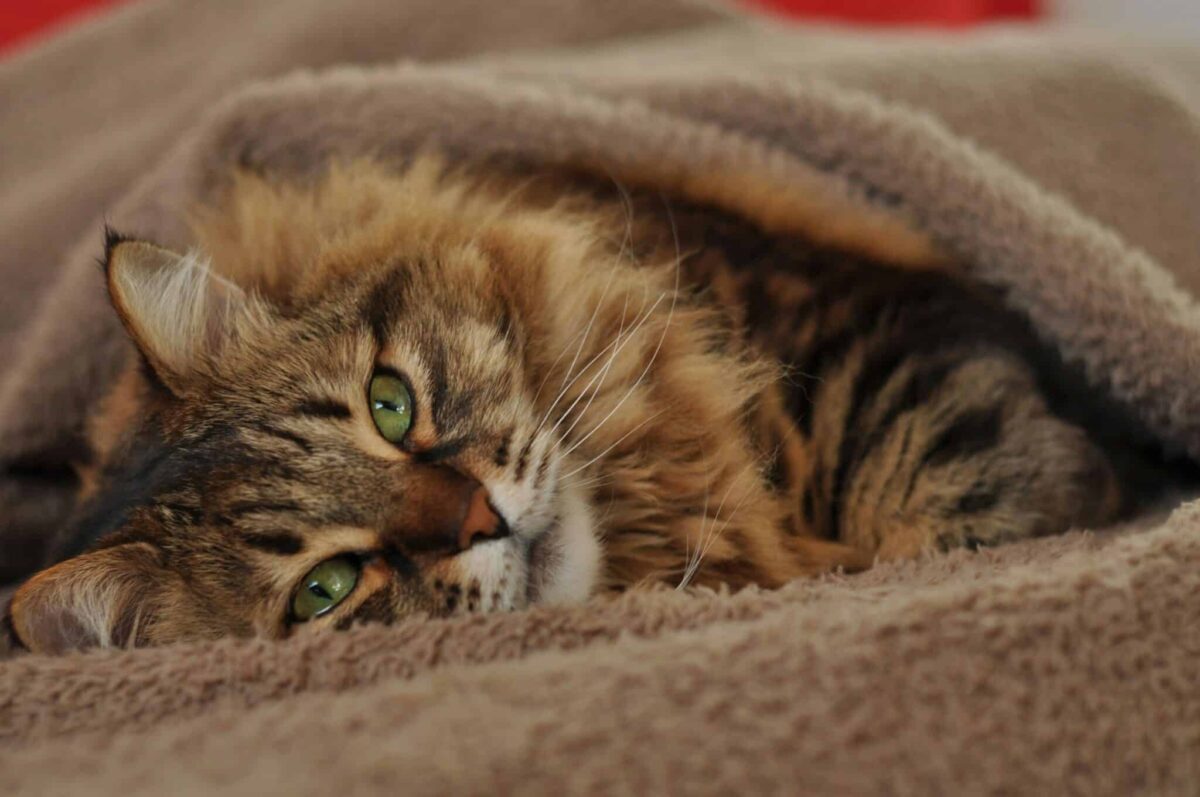
In the initial weeks of autumn, when morning frosts appear but afternoons remain mild, cats begin mapping their environments for micro-climates of heat. This is the period when felines rediscover the shifting geometry of sunlight streaming through windows. As the sun traverses the sky at a lower angle during autumn, it casts elongated beams across hardwood floors and carpets. Cats instinctively track these thermal patches, moving incrementally throughout the day to maximize radiant heat absorption. Concurrently, fuzzy blankets, fleece throws, and woolen jumpers left on sofas are suddenly claimed as prime real estate, offering immediate insulation against cool drafts.
Phase Two: Social Thermoregulation and Proximity (Mid Fall)
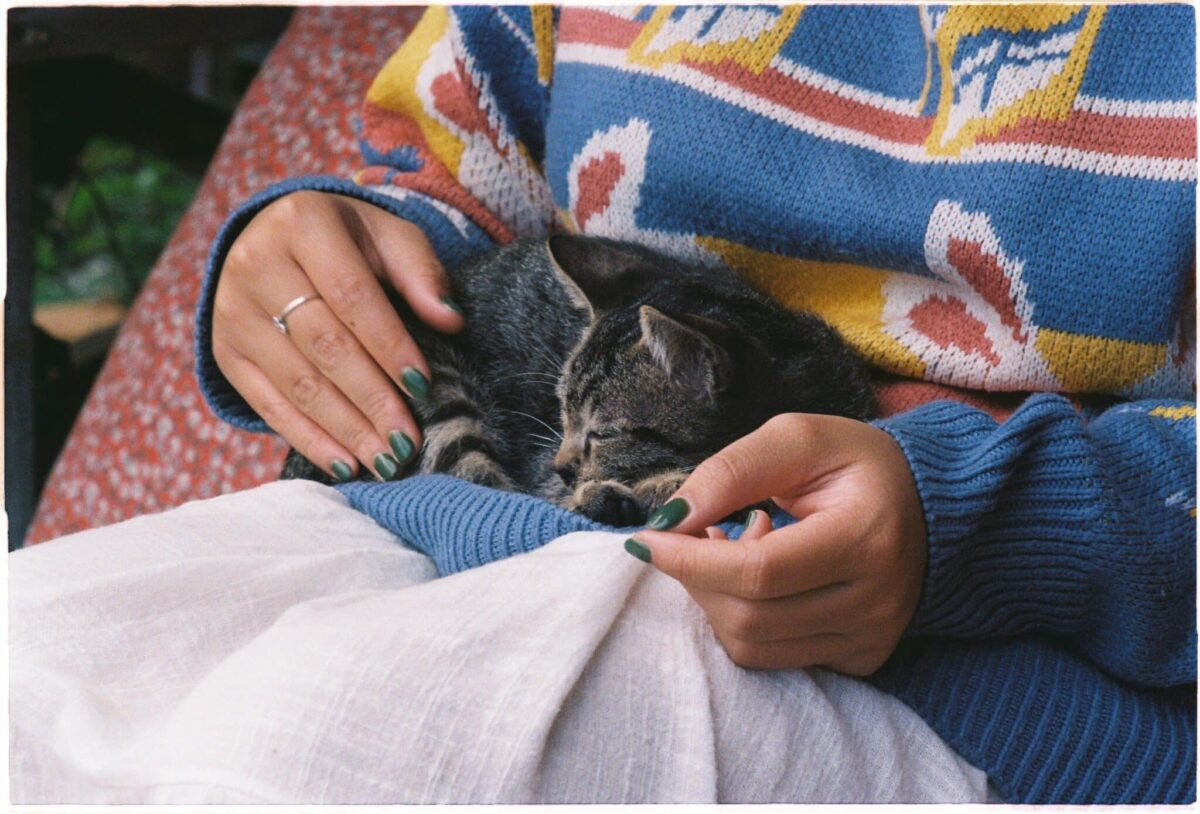
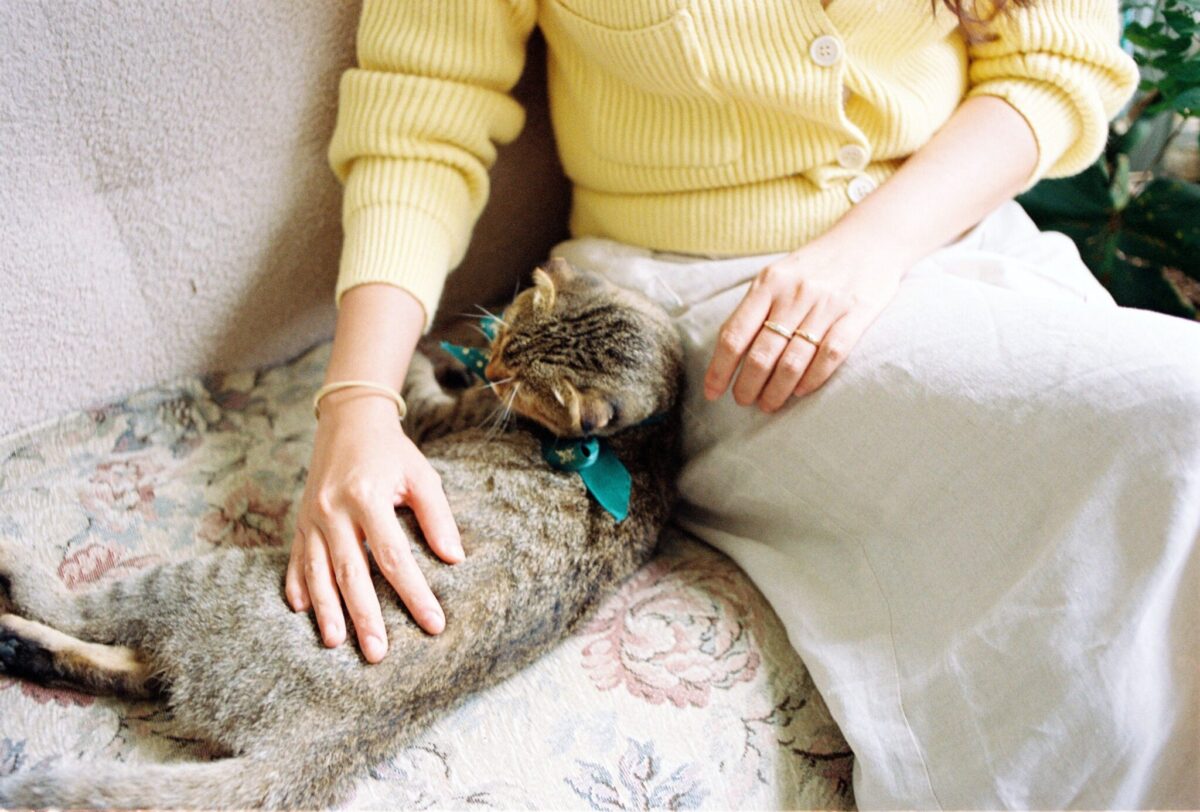
As evenings grow longer and ambient indoor temperatures consistently dip, solitary warmth-seeking evolves into social thermoregulation. Cats that spent lazy summer days sprawled across cool tile floors or independent perches suddenly gravitate toward their human companions. This manifests as lap-sitting, curling up behind human knees in bed, or perching closely on the edge of a couch while their owners read or watch television.
Veterinary behaviorists note that this shift is not purely driven by temperature; it represents a convergence of thermal necessity and social attachment. The human body acts as a reliable, stable heat generator, while familiar scents and rhythmic heartbeats offer a profound sense of security during a period of environmental transition.
Phase Three: Nesting, Ritualization, and Indoor Enrichment (Late Fall)
By late autumn, as winter’s approach becomes tangible, feline routines solidify into predictable winter patterns. Cats increasingly retreat to enclosed spaces—such as covered cat beds, cardboard boxes, and tucked-away corners—to minimize heat loss and maximize privacy. At the same time, the reduction of outdoor stimuli (fewer insects, birds, and ambient outdoor noises) often sparks indoor bursts of energy. Cats compensate for the lack of outdoor exploration by channeling their predatory instincts into chasing toys, batting at shadows, and participating in unpredictable hallway sprints.
Supporting Context & Metrics: The Science of Feline Cozy Habits
To fully appreciate why autumn turns cats into creatures of intense domestic comfort, one must examine the specific behavioral mechanics and physiological metrics that drive these actions.
1. The Physics of Blanket-Burrowing and Kneading
When a cat burrows into a pile of blankets or kneads a soft surface with rhythmic, alternating paw movements, they are engaging in behaviors rooted deep within their evolutionary history.
- Thermal Conservation: Curling into a tight, compact "loaf" or crescent shape minimizes surface area exposed to cool air, significantly reducing convective heat loss.
- The Kneading Reflex: Often referred to as "making biscuits," kneading is a retained juvenile behavior. Kittens knead their mothers’ mammary glands to stimulate milk flow during nursing. In adult cats, the behavior is typically triggered by soft, pliable textures that mimic maternal fur. It is accompanied by a flood of endorphins, serving as a self-soothing mechanism that signifies absolute contentment, relaxation, and preparation for rest.
2. Sleep Architecture and Thermal Demand
Cats are famously prolific sleepers, logging an average of 12 to 16 hours of sleep per day, with senior cats and kittens sometimes sleeping up to 20 hours. Unlike humans, who typically experience monophasic sleep (one long stretch at night), cats are polyphasic sleepers. They cycle rapidly through periods of light dozing and deep rapid eye movement (REM) sleep.
Cooler weather amplifies this tendency. Because metabolic processes slow slightly during sleep—and because deep sleep temporarily lowers core body temperature—cats require exceptionally warm, secure resting environments to prevent chilling. A fleece-lined bed or a sun-drenched windowsill provides the ideal micro-environment for these restorative sleep cycles.
3. Sensory Stimulation and Window Watching
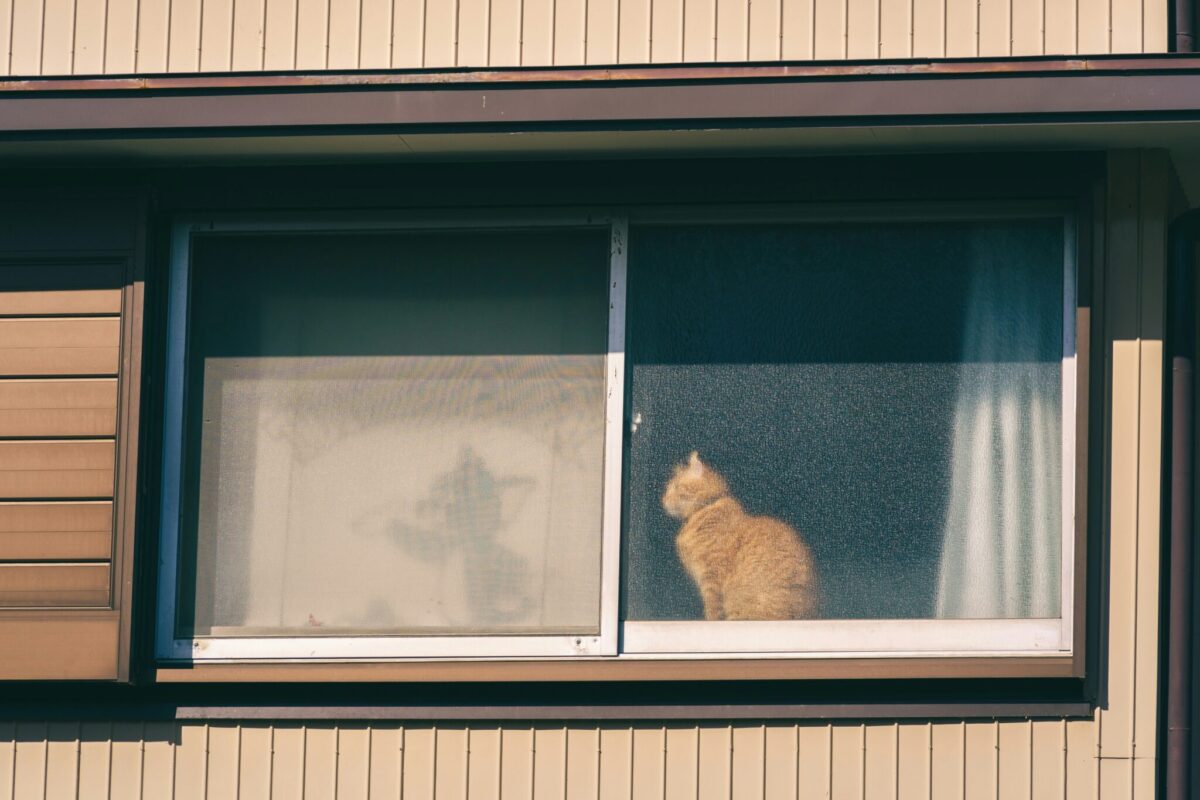
With falling leaves, migrating birds, and changing light patterns, autumn windows offer high-definition visual entertainment for indoor cats. Ethological studies indicate that visual tracking of moving objects provides crucial mental enrichment, preventing boredom-induced stress. The elevated vantage point of a windowsill combines safety, height (an evolutionary security mechanism), and entertainment, making it an irreplaceable component of the autumn feline habitat.
Official Perspectives: Insights from Veterinary Experts and Behaviorists
Feline practitioners and animal behavior specialists emphasize that recognizing normal seasonal shifts is essential for distinguishing between healthy adaptation and underlying medical issues.
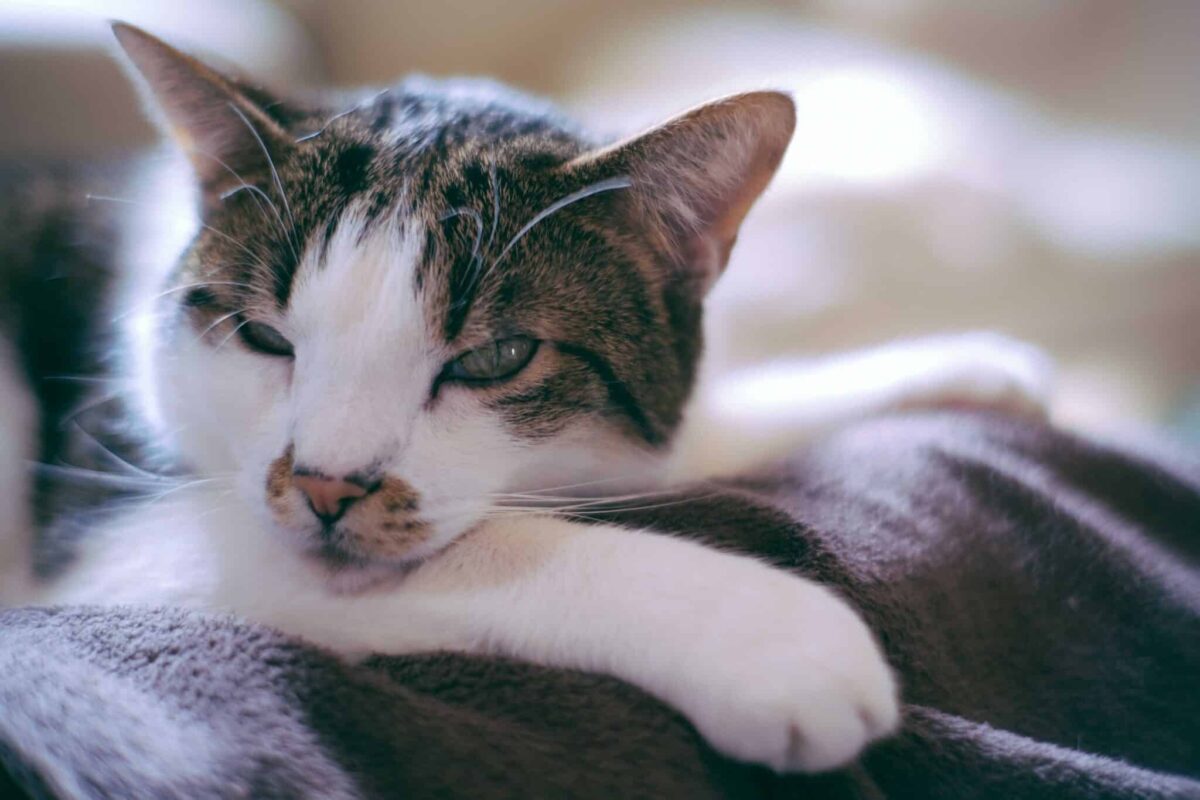
"When the weather turns cool, we often see a dramatic shift in how cats interact with their human families and their environments," notes Dr. Sarah Whitaker, a companion animal veterinarian specializing in feline welfare. "Behavioral changes like increased lap-sitting, seeking out warm blankets, and vocalizing for attention are classic signs of a cat seeking thermal comfort and emotional security. However, owners must pay close attention to context. A cat purring on a warm lap is content; a cat hiding continuously, refusing to eat, or showing signs of stiffness when trying to jump up to a warm spot may be masking pain, such as arthritis, which is often exacerbated by cold, damp weather."
Behaviorists also highlight the importance of routine during seasonal changes. Cats are creatures of habit whose internal clocks are finely tuned to environmental cues. As daylight hours shorten, human schedules—such as lighting candles, turning on central heating, or altering feeding times—shift accordingly.
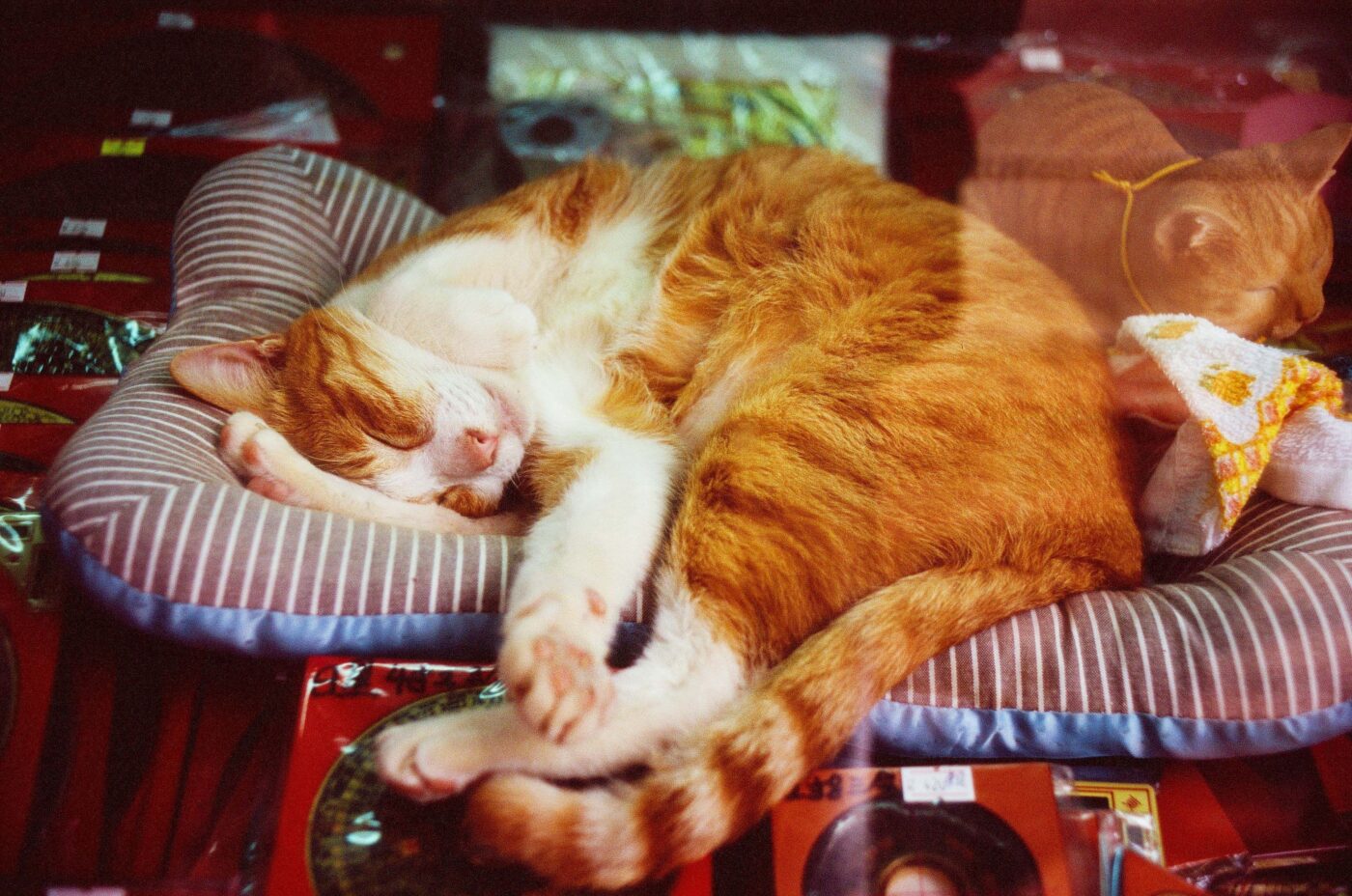
"Cats notice these micro-changes in household rhythm long before we do," explains certified animal behaviorist Marcus Vance. "An autumn evening routine where the household gathers in the living room becomes a powerful predictable cue for the cat. They know that when the television goes on, the blanket comes out, and the humans sit still, it is prime time for social bonding. It looks like affection—and often it is—but it is also a masterclass in behavioral conditioning and routine-seeking."
Future Outlook: Enhancing Indoor Feline Welfare During Colder Months
As climate patterns fluctuate and more cat owners embrace indoor-only lifestyles for the safety and longevity of their pets, understanding seasonal behavioral enrichment is becoming increasingly critical. Looking ahead, the pet care industry and veterinary science are placing greater emphasis on proactive environmental design to support cats through the autumn and winter months.
The Rise of Thermally Optimized Enrichment
Future trends in feline care point toward advanced, energy-efficient environmental enhancements designed specifically for cold-weather adaptation. These include:
- Self-Warming Pet Beds: Utilizing reflective interior layers that capture and bounce a cat’s own body heat back to them without requiring electricity.
- Controlled Thermal Zones: Strategically placing heated pads (specifically designed with low-wattage, chew-proof cords and automatic shut-offs) in designated quiet zones to alleviate joint stiffness in aging felines.
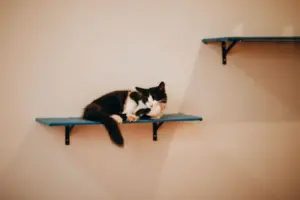
- Dynamic Indoor Play Structures: As outdoor exploration declines in the fall, modern pet architecture increasingly incorporates vertical territory, puzzle feeders, and automated interactive toys to prevent sedentary weight gain—a common risk during months of increased resting.
Strengthening the Human-Animal Bond
Ultimately, autumn serves as a powerful reminder of the symbiotic relationship between humans and felines. By recognizing that the cat curling up on a lap or tracking a sunbeam is executing a sophisticated biological and psychological routine, owners can better cater to their pets’ needs. Providing safe, warm retreats, maintaining consistent daily routines, and offering ample opportunities for both quiet companionship and active play ensure that the transition from summer warmth to winter chill is a season of profound comfort, health, and mutual well-being for cats and their human families alike.