
Executive Overview
Every October, the global landscape undergoes a visual transformation. Public monuments, corporate logos, and consumer goods are bathed in pink to mark Breast Cancer Awareness Month. In recent years, this powerful movement has expanded beyond human apparel into the rapidly growing pet industry. Once considered mere household companions, dogs are now widely recognized as integral members of their owners’ emotional and physical support networks. Consequently, pet owners are increasingly seeking ways to involve their four-legged companions in public displays of solidarity, charity walks, and awareness campaigns.
However, the intersection of pet ownership, consumerism, and health advocacy presents a complex landscape. While "going pink" with canine companions offers profound psychological benefits for patients and survivors, it also raises critical questions regarding consumer transparency, corporate social responsibility, and animal welfare. This investigative report examines the phenomenon of canine-inclusive breast cancer advocacy. It analyzes the commercial market for pink pet products, evaluates the critical distinction between aesthetic solidarity and direct financial charity, and provides actionable, expert-backed guidance for pet owners navigating October’s philanthropic campaigns.

The Chronological Evolution of Pet-Inclusive Cause Marketing
To understand how dogs became active participants in Breast Cancer Awareness Month, it is necessary to examine the historical trajectory of both cause-related marketing and the shifting societal status of companion animals.
+-------------------------------------------------------------------------+
| HISTORICAL TIMELINE OF CANINE-INCLUSIVE ADVOCACY                        |
+-------------------------------------------------------------------------+
| 1992: Introduction of the Pink Ribbon as a global symbol of awareness.  |
|                                                                         |
| Early 2000s: The "Pet Humanization" boom transforms dogs from backyard  |
| pets into core family members.                                          |
|                                                                         |
| 2010s: Grassroots pet participation in charity walks; pet brands        |
| launch dedicated pink aesthetic lines.                                  |
|                                                                         |
| 2020s: The rise of ethical consumerism; pet owners demand verified,     |
| direct-impact philanthropic products over simple pink aesthetics.       |
+-------------------------------------------------------------------------+
Phase 1: The Genesis of the Pink Ribbon (1992)
The pink ribbon was established as the international symbol of breast cancer awareness in the early 1990s, driven by grassroots advocates and corporate partnerships. Initially, awareness campaigns focused strictly on clinical outreach, self-examinations, and human-centric apparel.

Phase 2: The "Pet Humanization" Boom (Early 2000s)
Sociological shifts in the late 1990s and early 2000s redefined the role of domestic dogs. The transition from "pet ownership" to "pet parenting" meant that companion animals were integrated into major life milestones, family portraits, and personal health crises. When a family member faced a cancer diagnosis, the family dog was increasingly viewed as a vital pillar of emotional support.
Phase 3: The Rise of the Canine "Support Squad" (2010s)
By the mid-2010s, major national breast cancer walks and community fundraisers began establishing pet-friendly lanes and dedicated canine participation policies. Brands recognized a market demand for products that allowed dogs to visually match their owners during these events, sparking a wave of pink collars, bandanas, and harnesses.
Phase 4: The Demand for Philanthropic Transparency (Present Day)
Today’s consumer is highly educated and deeply skeptical of "pinkwashing"—the practice of using the pink ribbon logo to drive sales without contributing financially to cancer research or patient support. The modern pet owner demands clear disclosure regarding where their money goes, driving a clear divide between purely decorative pink merchandise and verified charitable products.
Analyzing the Pink Product Ecosystem: Utility, Solidarity, and Corporate Responsibility
For pet owners looking to involve their dogs in Breast Cancer Awareness Month, the marketplace offers an array of options. These products fall into distinct categories, ranging from high-utility walking gear to direct-impact charitable apparel. Below is an analytical breakdown of fifteen notable market finds, evaluated by their utility, message, and philanthropic structure.

Category A: Visual Solidarity and Awareness Apparel
These products are designed to spark conversations, foster community connection, and serve as visual markers of support during public events.
+--------------------------------------------------------------------------+
| PRODUCT EVALUATION: SOLIDARITY & AWARENESS APPAREL                       |
+--------------------------------------------------------------------------+
| 1. Pink Ribbon Dog Collar                                                |
|    - Utility: High (Everyday use, no outfit training required)           |
|    - Impact: High visibility; ideal for low-stress awareness            |
|                                                                          |
| 2. "I Wear Pink for My Mom" Bandana                                      |
|    - Utility: Medium (Requires comfortable tying; light fabric)          |
|    - Impact: Deeply personal; highly effective for family photography    |
|                                                                          |
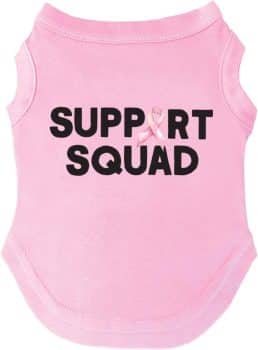
| 3. "Support Squad" Dog Tee Shirt                                         |
|    - Utility: Low to Medium (Requires canine tolerance for clothing)     |
|    - Impact: Excellent photo-prop; clear, unambiguous messaging          |
|                                                                          |
| 4. "Cancer Bites" Dog Bandana                                            |
|    - Utility: Medium (100% Cotton, comfortable fit)                      |
|    - Impact: Bold, humorous tone; appeals to expressive pet owners       |
|                                                                          |
| 5. "In October We Wear Pink" Bandana                                     |
|    - Utility: Medium (Seasonal specific)                                 |
|    - Impact: Directly references the cultural October dress code         |
|                                                                          |
| 6. "My Mommy Fights Like a Girl" T-Shirt                                 |
|    - Utility: Low to Medium (Fitted apparel)                             |
|    - Impact: Deeply personal; honors a mother's active medical battle    |
|                                                                          |
| 7. Classic Cancer Ribbon Dog Bandana                                     |
|    - Utility: Medium (Versatile, simple tie-on)                          |
|    - Impact: Subdued, traditional iconography                            |
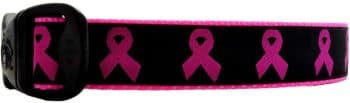
+--------------------------------------------------------------------------+- Pink Ribbon Breast Cancer Awareness Dog Collar: For dogs that resist wearing full outfits, a themed collar offers a subtle, long-term way to show support. It integrates seamlessly into daily walks without causing sensory issues or overheating.
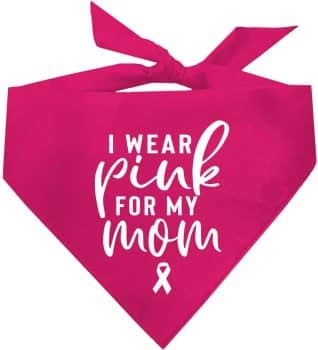
- "I Wear Pink for My Mom" Cancer Ribbon Dog Bandana: This product targets the emotional bond between a patient and her dog. It is a popular choice for family portraits, survivor milestones, and hospital homecoming celebrations.
- Support Squad Dog Tee Shirt: Designed specifically as an "official uniform" for therapy dogs and family pets, this lightweight t-shirt serves as an excellent visual tool for fundraising events.
- "Cancer Bites" Dog Bandana: Utilizing a bold play on words, this 100% cotton bandana appeals to owners who prefer direct, high-attitude messaging over traditional, soft-toned aesthetics.
- "In October We Wear Pink" Dog Bandana: A direct nod to modern pop-culture awareness phrases, this accessory is designed specifically for seasonal social media campaigns and neighborhood advocacy walks.
- "My Mommy Fights Like a Girl" Breast Cancer Awareness Dog T-Shirt: This highly personal garment is tailored for families navigating active treatment plans, transforming the family pet into a visible, cheerful advocate for their owner’s resilience.
- Cancer Ribbon Dog Bandana: A clean, minimalist option featuring repeating ribbon motifs, this bandana is ideal for owners seeking a traditional, widely recognized symbol of solidarity.
Category B: High-Utility Walking Gear
These items serve dual purposes: they fulfill the pink aesthetic requirements of October walks while providing the physical support and control necessary for safe public transit.
- Hands-Free Dog Leash with Zipper Pouch (Pink): Crucial for long charity walks, a hands-free leash redistributes weight to the owner’s waist, allowing them to carry water bottles, signs, or smartphones. The inclusion of a zipper pouch adds practical storage for waste bags and keys.
- BARKBAY Pink Dog Harness: A high-quality, no-pull harness is a prerequisite for crowded charity events. This model features reflective detailing, an ID tag pocket, and front/back leash attachments, ensuring optimal control in high-stimulus environments.
Category C: Interactive and Play-Based Engagement
These products bring the pink theme into the dog’s daily enrichment and play routines, shifting the focus from public display to domestic interaction.
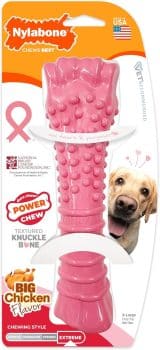
- Nylabone Power Chew Breast Cancer Awareness Femur Bone: A durable, nylon chew toy designed for aggressive chewers. It allows the pet to participate in the theme through safe, self-soothing chewing behavior rather than wearable accessories.
- SHYUJAJIE Pink Dog Tennis Balls (20-Pack): While not officially affiliated with a charity, a bulk pack of pink tennis balls allows owners to host pink-themed play sessions or supply dog-friendly charity events with themed favor bags.
Category D: Human-Centric Companion Apparel
Advocacy is a shared experience. These items allow owners to coordinate with their pets while ensuring their purchases support broader charitable initiatives.

- Pink Ribbon French Bulldog Breast Cancer Awareness T-Shirt: Designed for the human side of the support squad, this shirt combines breed-specific artwork with the pink ribbon, allowing Frenchie owners to display their dual passions.
- iHeartDogs Pink Ribbon Paw Standard Tee (Light Pink): Combining the pink ribbon with a dog paw print, this shirt visually represents the unique role companion animals play in human recovery and mental health.
Category E: High-Transparency, Direct-Impact Philanthropic Merchandise
This category represents the gold standard of cause-related marketing, where a purchase directly triggers a measurable, altruistic benefit.
- Comfort Colors Paws for the Cure Breast Cancer Awareness Premium Sweatshirt: This high-quality, garment-dyed sweatshirt offers dual-layered philanthropy. Beyond displaying the pink ribbon paw motif, every purchase directly funds four meals for shelter dogs through the iHeartDogs rescue network. This model ensures that while supporting human breast cancer awareness, the consumer is also actively combating canine hunger in shelters nationwide.
Supporting Context, Psychological Metrics, and Economic Data
To fully comprehend the significance of this movement, it is essential to look at the statistical intersection of breast cancer, pet ownership, and the psychology of animal companionship.
The Scale of the Medical Challenge
According to the American Cancer Society, breast cancer is the most common cancer diagnosed among women in the United States, second only to skin cancers.
+--------------------------------------------------------------------------+
| KEY STATISTICAL INSIGHTS                                                 |
+--------------------------------------------------------------------------+
| - 1 in 8: Lifetime probability of a U.S. woman developing invasive       |
|   breast cancer.                                                         |
|                                                                          |
| - 310,720: Estimated new cases of invasive breast cancer diagnosed       |
|   annually in U.S. women.                                                |
|                                                                          |
| - 85%: Percentage of dog owners who report that their pet provided       |
|   significant emotional support during a major health crisis.            |
|                                                                          |
| - 60%: Reduction in self-reported loneliness among cancer patients       |
|   who interact regularly with a companion animal.                        |
+--------------------------------------------------------------------------+
The Psychosocial Impact of Dogs on Cancer Patients
Clinical research consistently demonstrates that the presence of a companion animal significantly mitigates the psychological toll of cancer treatment.
- Cortisol Reduction and Oxytocin Release: Interacting with a dog has been shown to lower physiological markers of stress (cortisol) while boosting hormones associated with bonding and well-being (oxytocin).
- The "Social Lubricant" Effect: During public walks, a dog wearing a pink bandana acts as a conversational bridge. This reduces the isolation often felt by cancer patients, facilitating supportive interactions with strangers and fellow survivors.
- Routine and Behavioral Activation: The daily necessity of feeding, walking, and grooming a dog provides patients with a structured routine, encouraging light physical activity even during exhausting chemotherapy cycles.
Best Practices for Canine Participation in Public Advocacy
While bringing a dog to a Breast Cancer Awareness Walk is a powerful way to show support, it requires meticulous planning to ensure the animal’s safety and well-being.
                     +--------------------------+
                     |  CANINE WALK READINESS?  |
                     +--------------------------+
                                   |
                  +----------------+----------------+
                  |                                 |
         [YES, fit & social]               [NO, anxious or elderly]
                  |                                 |
       +----------+----------+             +--------+--------+
       |   PREPARE THE GEAR  |             |   SUPPORT FROM  |
       |  - Pink harness     |             |     THE HOME    |
       |  - Booties (heat)   |             |  - Pink collar  |
       |  - Portable water   |             |  - Couch cuddles|
       +---------------------+             +-----------------+
1. Pre-Event Verification
- Confirm Pet Policies: Never assume an outdoor charity walk is pet-friendly. Many major events restrict animals due to liability, municipal park regulations, or crowd density. Always check the official event FAQ or contact the organizer directly.
- Evaluate Your Dog’s Temperament: A crowded walk with megaphones, clapping, costumes, and hundreds of unfamiliar dogs can be terrifying for an anxious or reactive pet. If your dog shows signs of stress in busy environments, they will show solidarity much more comfortably from home.
2. Environmental and Physical Safety
- Pavement Temperature Check: October weather can be highly unpredictable. If the walk takes place on asphalt on a warm day, the ground can easily burn sensitive paw pads. Use the "five-second rule" (if the pavement is too hot for your bare hand for five seconds, it is too hot for your dog’s paws) or equip them with protective dog booties.
- Hydration Management: Public water bowls at charity events can be breeding grounds for transmissible illnesses like kennel cough or Giardia. Always carry a dedicated water bottle and a collapsible bowl for your dog.
- Fit and Comfort Over Fashion: If your dog is wearing a pink tee, hoodie, or bandana, ensure it does not restrict their breathing, vision, or natural movement. Avoid items with small, chewable plastic parts (like faux rhinestones or loose ribbons) that could present a choking hazard.
Official Statements and Regulatory Guidance
On Consumer Ethics and "Pinkwashing"
The Better Business Bureau’s (BBB) Wise Giving Alliance offers clear guidelines for consumers purchasing cause-related marketing items:

"Consumers should look for clear disclosures on the packaging or product page. A reputable promotion will specify the exact portion of the purchase price that goes to the charity (e.g., ‘10% of the net purchase price’), the name of the receiving organization, and the duration of the campaign. Vague phrases like ‘proceeds support cancer research’ should be approached with caution."
On Veterinary Safety During Public Advocacy
Dr. Evelyn Ramirez, DVM, a veterinary behaviorist, emphasizes the importance of reading canine body language at public events:

"When we bring our dogs into high-stimulus environments like charity walks, we must remember that they do not understand the noble cause we are celebrating. They only experience the sensory input. If your dog is tucking their tail, yawning excessively, licking their lips, or pulling back on their leash, they are asking to go home. True advocacy means prioritizing your dog’s mental health over a photo opportunity."
Future Outlook: The Evolution of Philanthropic Pet Care
The future of pet-inclusive cause marketing lies in radical transparency and localized direct support. As consumers become increasingly wary of corporate campaigns that yield minimal charitable return, pet brands are shifting toward direct-impact models.

We are beginning to see the rise of "micro-philanthropy" within the pet sector. For example, instead of donating to massive, generalized research funds, modern campaigns are focusing on immediate, tangible help for cancer patients who own pets. Future initiatives are projected to include:
- Subsidized Veterinary Oncology Care: Helping families cover the costs of cancer treatments for their pets, as oncology is one of the most expensive fields in veterinary medicine.
- Treatment-Day Pet Sitting Networks: Organized volunteer networks that walk, feed, and care for dogs on the specific days their owners are undergoing chemotherapy or radiation.
- Coordinated Direct-Donation Models: Pet food companies directly matching purchases by donating specialized prescription diets to shelters and low-income cancer patients.
By aligning the health of pets with the healing of humans, the "pink pawprint" movement is evolving from a seasonal fashion trend into a sustainable, highly impactful network of mutual support.

Frequently Asked Questions (FAQ)
When is Breast Cancer Awareness Month?
Breast Cancer Awareness Month takes place annually from October 1st through October 31st.
Why is pink the chosen color for breast cancer awareness?
Pink was selected in the early 1990s as a symbol of health, vitality, and empowerment. The pink ribbon has since become a globally recognized emblem representing solidarity with survivors, remembrance of those lost, and dedication to finding a cure.

Does buying a pink pet product guarantee that a donation is made to cancer research?
No. Simply being pink or featuring a ribbon design does not obligate a manufacturer to donate money. To ensure your purchase supports a charity, look for a specific disclosure on the label or product description stating the exact charity partner and the percentage or dollar amount being donated.
How can I help a friend with breast cancer manage their pet during treatment?
The most valuable gift is practical assistance. Offer to walk their dog at specific times, transport the pet to veterinary or grooming appointments, clean the litter box or backyard, or host the pet for a weekend when your friend is recovering from treatment.

What are the signs that my dog is too stressed to continue at a charity walk?
Watch for subtle signs of stress: frequent yawning (when not tired), lip licking, avoiding eye contact, panting when it is not hot, keeping the ears pinned back, holding the tail low or tucked, and resisting forward movement on the leash. If you observe these behaviors, find a quiet area away from the crowd or head home.