For thousands of years, domestic felines have transitioned from sacred protectors of ancient granaries to cherished, highly influential members of the modern household. From the majestic monuments of ancient Egypt to high-rise urban apartments, cats have captured the human imagination, offering companionship, emotional support, and a unique window into the animal kingdom. However, bringing a feline companion into a home is a decision that requires careful consideration. With dozens of recognized purebred varieties—each possessing distinct temperaments, grooming requirements, and predispositions to specific health conditions—the selection process can easily overwhelm prospective owners.
This comprehensive report examines the 15 most common cat breeds found in households today. By analyzing their distinct genetic backgrounds, physical traits, behavioral profiles, and specific care requirements, this guide aims to provide prospective cat owners with the authoritative insights necessary to make an informed decision. Furthermore, this analysis explores the critical logistical factors every owner must weigh, including lifestyle compatibility, long-term health management, and grooming commitments.
Detailed Chronology: The Evolution of Domestic Cat Breeds
The domestic cat (Felis catus) shares a remarkably deep history alongside human civilization, but the concept of formal "breeds" is a relatively modern phenomenon. Understanding how these distinct types emerged provides vital context for anyone looking to welcome a purebred cat into their home.
Pre-History to Ancient Civilizations: Felines naturally domesticated themselves by gravitating toward early human agricultural settlements in the Near East, where they hunted rodents. By the time of Ancient Egypt, cats were fully integrated into human society, revered as divine protectors and companion animals.
The Age of Exploration and Working Cats (16th–19th Century): As ships traversed the globe, cats were brought aboard to control pest populations. Hardy working cats, such as the ancestors of the American Shorthair and the Maine Coon, survived harsh maritime conditions and rugged frontier environments, developing robust physiques and independent, resilient temperaments.
The Birth of the Fancy (Late 19th Century): Organized cat breeding and formal cat shows began in earnest during the Victorian era. The first official cat exhibition took place at the Crystal Palace in London in 1871. Early enthusiasts began selectively breeding cats for specific aesthetic traits, establishing foundational standards for breeds like the Persian and Siamese.
The Mid-to-Late 20th Century Explosion: Following World War II, cat fancy organizations—such as the Cat Fanciers’ Association (CFA)—expanded rapidly. Breeders began intentionally crossing domestic cats with wild species or stabilizing naturally occurring genetic mutations. This era gave rise to engineered or newly recognized breeds, including the Bengal, the Sphynx, and the Scottish Fold.
The Modern Era: Today, cat breeding balances aesthetic preservation with a strong, scientifically backed emphasis on genetic health, temperament testing, and ethical breeding practices, ensuring that modern household cats are well-adjusted and suited for domestic life.
The 15 Most Common Cat Breeds Explored
1. Maine Coon
Hailing from the rugged environment of New England, the Maine Coon is officially recognized as the state cat of Maine. Characterized by its large frame, heavy-boned structure, and shaggy, water-resistant coat, this gentle giant is hard to miss. Many Maine Coons exhibit polydactylism—possessing extra toes that act naturally as snowshoes to help them traverse deep winter snow. Officially recognized by the CFA in the late 1970s, they are renowned for their dog-like loyalty, intelligence, and sociable demeanor, making them exceptionally well-suited for families with children.
2. Bengal
The Bengal captures the mesmerizing aesthetic of a wild jungle cat while maintaining a fully domesticated temperament. Developed through the crossbreeding of domestic cats with the Asian leopard cat, Bengals feature striking coats adorned with spots, rosettes, and a distinctive luminescent sheen known as "glitter." Highly intelligent, athletic, and vocal, Bengals require substantial physical and mental stimulation. They thrive in active households where their boundless energy and curiosity can be properly channeled.
3. Siamese
Originating in Thailand (formerly Siam), the Siamese is one of the oldest and most influential oriental breeds, serving as the genetic foundation for lines such as the Oriental Shorthair, Sphynx, and Himalayan. Instantly recognizable by their striking "pointed" coloration (darker pigment on the face, ears, paws, and tail) and brilliant blue eyes, Siamese cats are exceptionally intelligent and deeply social. They are famous for their vocal abilities, using a wide range of melodic yowls and chirps to converse with their human companions.
4. Persian
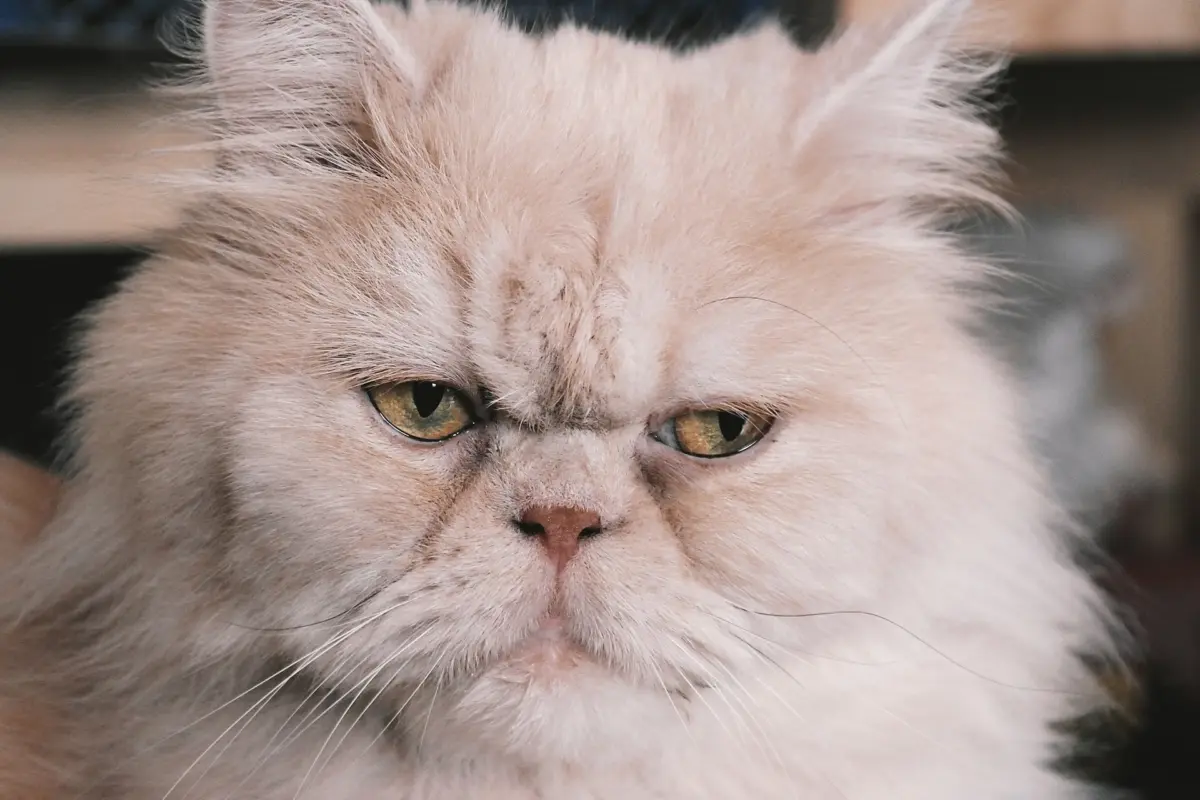
Often referred to as the Iranian or Shiraz cat, the Persian is distinguished by its luxurious, long fur coat and characteristic flat, "smushed" facial profile. Persians are the embodiment of tranquility and grace, preferring a quiet, predictable indoor environment over high-flying acrobatics. While their stunning coats come in virtually every color imaginable, they demand rigorous daily grooming to prevent painful matting. Due to their brachycephalic facial structure, prospective owners must monitor them for specific respiratory and renal sensitivities.
5. Ragdoll
Named for their endearing habit of going completely limp and relaxed when picked up, Ragdolls are the quintessential lap cats. Possessing large frames, striking blue eyes, and semi-long coats with pointed color patterns, they combine the visual elegance of the Siamese with a profoundly docile temperament. Ragdolls exhibit a distinctly dog-like devotion, frequently greeting their owners at the door and following them from room to room. They thrive in environments where they receive abundant human companionship.
6. British Shorthair
Boasting a rich history that traces back to the working cats of ancient Rome and Britain, the British Shorthair is a sturdy, plush-coated cat with a robust "cobby" body. Known for their moderate activity levels and placid, easy-going personalities, they adapt effortlessly to various living spaces, including compact urban apartments. While not overly clingy, they form deep, quiet attachments to their human families and generally get along harmoniously with children and other household pets.
7. Abyssinian
Believed to have originated in the region formerly known as Abyssinia (modern-day Ethiopia), the Abyssinian is an exceptionally striking breed defined by its warm, ruddy agouti coat, which features ticked bands of color that shimmer in the light. With large, alert ears and a slender, athletic build, Abyssinians are natural explorers. Their playful, endlessly curious, and energetic personalities make them wonderful companions for families seeking an interactive, highly engaging pet.
8. Russian Blue
The Russian Blue is celebrated for its striking, plush double coat of bright blue-gray tipped with silver, giving the fur a distinct, luminous sheen. Complementing this coat are vivid, emerald-green eyes that mature from kittenhood. Intelligent, gentle, and somewhat reserved, Russian Blues form intense bonds with their chosen humans while maintaining a polite distance from strangers or chaotic environments. They prefer calm, predictable households where they can observe family life in peace.
9. American Shorthair
A true American heritage breed, the American Shorthair traces its lineage back to the European working cats brought over on the Mayflower to protect cargo and provisions from rodents. Officially recognized in 1966, this breed is prized for its hardy constitution, muscular build, and placid, adaptable temperament. They form loving bonds with every member of the household and maintain a balanced disposition that handles the hustle and bustle of family life with ease.
10. Oriental Shorthair
As a close relative within the broader Siamese lineage, the Oriental Shorthair shares the sleek, elegant physique and wedge-shaped head of its ancestors but displays a wide kaleidoscope of solid colors, patterns, and coat shades. Orientals are intensely social animals that suffer emotionally if left isolated for extended periods. They possess a communicative, highly vocal nature, using their distinctive voices to express excitement, demand attention, or participate actively in household conversations.
11. Devon Rex
Easily identifiable by its pixie-like appearance, the Devon Rex features an oversized head, enormous low-set ears, expressive eyes, and a uniquely soft, short, rippled wave coat. Discovered in England during the late 1960s, this breed is exceptionally playful, mischievous, and affectionate. Often described as "cat-dogs" due to their love of playing fetch and seeking out human shoulders to perch upon, Devon Rex cats bring continuous entertainment and warmth to any domestic setting.
12. Sphynx
The Sphynx stands out immediately due to its hairless appearance, prominent wrinkled skin, large lemon-shaped eyes, and oversized ears. Despite lacking a traditional fur coat, their skin has a suede-like texture and radiates significant warmth to the touch. Sphynxs are famously extroverted, demanding attention, cuddling under blankets for warmth, and performing acrobatic antics to amuse their owners. Because they lack fur to absorb natural body oils, they require regular bathing regimens to keep their skin healthy.
13. Scottish Fold
Characterized by their unique, forward-folded ears—the result of a spontaneous cartilage mutation—the Scottish Fold has a distinctly owl-like, sweet facial expression. While visually charming, this genetic mutation is linked to skeletal conditions like osteochondrodysplasia, requiring responsible breeders to outcross Folds with British Shorthairs to protect genetic health. Temperamentally, Scottish Folds are exceptionally sweet-natured, affectionate, and adaptable, integrating smoothly into multi-pet households.
14. Burmese
Originating from a single foundational cat brought from Burma to the West in the 1930s, the Burmese is a compact, surprisingly heavy cat with a sleek, satin-like coat and expressive golden eyes. Burmese cats are exceptionally energetic, clever, and people-oriented. Their high intelligence allows them to learn complex tricks, such as playing fetch, walking on a leash, and opening doors. They thrive on constant interaction and dislike being left alone for long stretches.
15. Birman
Known in legend as the "Sacred Cat of Burma," the Birman is a semi-longhaired beauty featuring deep blue eyes, dark facial points, and distinctive, pristine white "gloves" on all four paws. Lacking an insulating undercoat, their silky fur is remarkably easy to maintain compared to other longhaired breeds. Birmans possess a gentle, quiet, and sociable disposition, offering an ideal balance of playful curiosity and serene lap-cat affection.
Supporting Context & Metrics: Evaluating the Ideal Match
Choosing a cat breed involves balancing aesthetic preferences with practical logistical realities. Based on behavioral surveys and veterinary data, prospective owners must evaluate four core metrics:
Energy and Activity Levels: Breeds like the Bengal, Abyssinian, and Burmese rank high on the activity scale, requiring active play sessions and environmental enrichment. Conversely, Persian and British Shorthair breeds lean toward sedentary lifestyles, making them ideal for apartment living.
Grooming Demands: Longhaired breeds, such as Persians and Maine Coons, require daily intervention to prevent matting, translating to higher investments of time and grooming tool expenses. Shorthair options, like the American Shorthair or Russian Blue, require minimal brushing.
Social Dependency: Highly social cats (Siamese, Oriental Shorthairs, Sphynx) are prone to separation anxiety if left alone for standard 8-to-5 workdays. Independent breeds (Russian Blue, British Shorthair) manage solitude with greater ease.
Health Vulnerability: Brachycephalic breeds (Persians, Scottish Folds) carry higher statistical probabilities of structural and hereditary health complications, whereas landrace shorthairs often enjoy broader genetic robustness.
Official Statements and Expert Perspectives
Veterinarians and animal welfare organizations emphasize that breed selection should be driven by lifestyle alignment rather than purely visual appeal.
Dr. Sarah Linwood, a prominent feline practitioner and feline behavior consultant, notes:
"Many owners choose cats based entirely on a photograph or a trendy aesthetic. However, bringing home a high-energy breed like a Bengal without understanding its environmental needs often leads to behavioral friction. Conversely, pairing a quiet, sensitive cat with a loud, chaotic household can severely compromise the animal’s welfare. Researching the specific evolutionary drives of a breed is just as important as choosing the right dog breed for a specific lifestyle."
Furthermore, rescue organizations stress that while purebreds offer predictable traits, individual personalities can vary significantly, underlining the importance of observing individual cat temperaments prior to adoption or purchase.
Future Outlook: Trends in Feline Ownership and Breeding
As veterinary medicine and genetic science continue to advance, the landscape of cat breeding and ownership is undergoing a profound transformation. Several key trends are shaping the future of the feline fancy:
Ethical Breeding and Genetic Screening: Modern breeding associations and genetic laboratories are placing unprecedented emphasis on eliminating hereditary disorders. DNA testing for conditions like hypertrophic cardiomyopathy (HCM) and polycystic kidney disease (PKD) is becoming standard practice among reputable breeders.
Urbanization and Compact Living: With growing populations moving into urban centers and high-rise apartments, demand is rising for adaptable, quiet, and moderate-energy cat breeds that thrive strictly indoors, such as the British Shorthair and the Ragdoll.
Holistic Feline Enrichment: Owners are increasingly recognizing the mental health needs of indoor cats. The future of cat care emphasizes interactive puzzle feeders, cat-safe vertical spaces, and harness training to ensure that high-energy breeds receive adequate stimulation.
By carefully considering the diverse traits, health requirements, and behavioral profiles of these 15 common breeds, prospective owners can build a harmonious, lifelong relationship with their new feline companion.