
Executive Overview
For generations, the bustling streets, quiet provincial roads, and vibrant neighborhoods of the Philippines have been home to a resilient, highly adaptable, and profoundly misunderstood canine: the Askal. Also affectionately known as the Aspin—a portmanteau derived from asong pinoy (Filipino dog)—this indigenous mixed-breed canine has long been woven into the cultural fabric of Southeast Asian daily life.
Traditionally dismissed as mere street scavengers, Askals are undergoing a profound global and domestic rehabilitation. Animal welfare advocates, geneticists, and international pet enthusiasts are beginning to recognize what local communities have known for decades: the Askal is a triumph of natural selection, boasting exceptional intelligence, robust health, a gentle and affectionate disposition, and a surprisingly high capacity for domestic companionship.
Far from being inferior to purebred lineages, the Askal represents the pinnacle of genetic diversity. Shaped by centuries of free-roaming survival, these dogs possess a unique combination of street-smart independence and unwavering loyalty to human companions. As interest in the breed spreads beyond the Philippine archipelago—reaching as far as the United States and Europe—the narrative surrounding the Askal is shifting from one of urban nuisance to one of cultural pride and canine excellence. This report provides an authoritative examination of the Askal’s origins, physical characteristics, temperament, training capabilities, health profile, and its burgeoning presence on the international stage.
Detailed Chronology: From Street Scavenger to Cultural Icon
To truly understand the Askal, one must trace its evolution through the history of the Philippine islands, a timeline marked by colonization, urbanization, and a modern paradigm shift in animal welfare.
Pre-Colonial Era and Natural Selection
Long before Spanish or American influences reshaped the Philippine landscape, native dogs roamed the islands alongside indigenous populations. These early canines were utilized for hunting, guarding, and companionship. Over centuries, as various traders, colonizers, and immigrants brought foreign dogs to the islands, these animals interbred freely with the native stock.
Without human intervention dictating selective breeding practices, Darwinian natural selection took the helm. Only the smartest, hardiest, and most adaptable dogs survived the tropical climate, food scarcity, and urban environments. This unmonitored, natural breeding process created the ultimate genetic melting pot, forging a distinct phenotype adapted specifically to the Philippine ecosystem.
Linguistic Evolution: The Birth of "Askal" and "Aspin"
For decades, free-roaming dogs in the Philippines were colloquially referred to as asong kalye, a Tagalog phrase translating literally to "street dog." Over time, locals compacted this phrase into the portmanteau "Askal."

However, as the socioeconomic status of these dogs began to change in the late 20th and early 21st centuries, animal welfare organizations and proud owners sought a term with more positive connotations. This led to the popularization of "Aspin" (asong Pinoy, meaning "Filipino dog"). This linguistic shift was more than semantic; it was a deliberate cultural reclaiming that reframed the street dog as a national treasure rather than an unwanted stray.
The Modern Animal Welfare Revolution
The turn of the 21st century marked a critical turning point for the Askal. Grassroots animal rescue organizations in the Philippines—such as the Philippine Animal Welfare Society (PAWS) and Animal Kingdom Foundation—began championing the Askal, proving through rescue and rehabilitation programs that these dogs matched, and often exceeded, the loyalty and trainability of expensive imported purebreds.
Today, Askal rescue dogs regularly serve as therapy animals, search-and-rescue candidates, and beloved family pets in households across the globe.
Supporting Context & Metrics: Genetics, Health, and Appearance
The Askal defies traditional kennel club definitions. It is not recognized by major international registry bodies like the American Kennel Club (AKC) as a standardized purebred, precisely because it is a landrace—a domesticated animal population shaped by natural and environmental pressures rather than human-engineered breeding standards.
Genetic Diversity and Hybrid Vigor
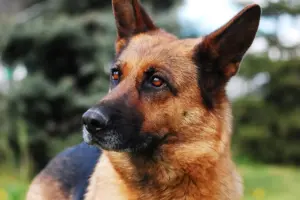
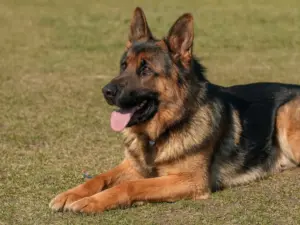
One of the most remarkable metrics associated with the Askal is its superior health profile, directly attributed to hybrid vigor (heterosis). Because Askals breed naturally without human interference, the gene pool remains expansive. This drastically reduces the likelihood of the congenital disorders, respiratory issues, and skeletal malformations frequently plaguing heavily inbred purebreds (such as English Bulldogs or German Shepherds).
- Life Expectancy: Healthy Askals typically enjoy a lifespan ranging from 12 to 15 years, occasionally longer with proper veterinary care, nutrition, and a safe home environment.
- Health Predispositions: They exhibit very few breed-specific hereditary illnesses. Routine veterinary care, annual vaccinations, and parasite prevention are generally sufficient to keep an Askal in peak physical condition.
- Grooming Metrics: Featuring a short, single or double coat, Askals require minimal grooming. Moderate shedding occurs seasonally (typically during spring or weather shifts), but weekly brushing and occasional baths are more than adequate for maintenance.
Physical Morphology
Because of their diverse genetic background, there is no single "blueprint" for how an Askal looks, though several distinct phenotypic markers consistently appear across the population:
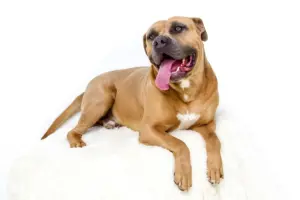
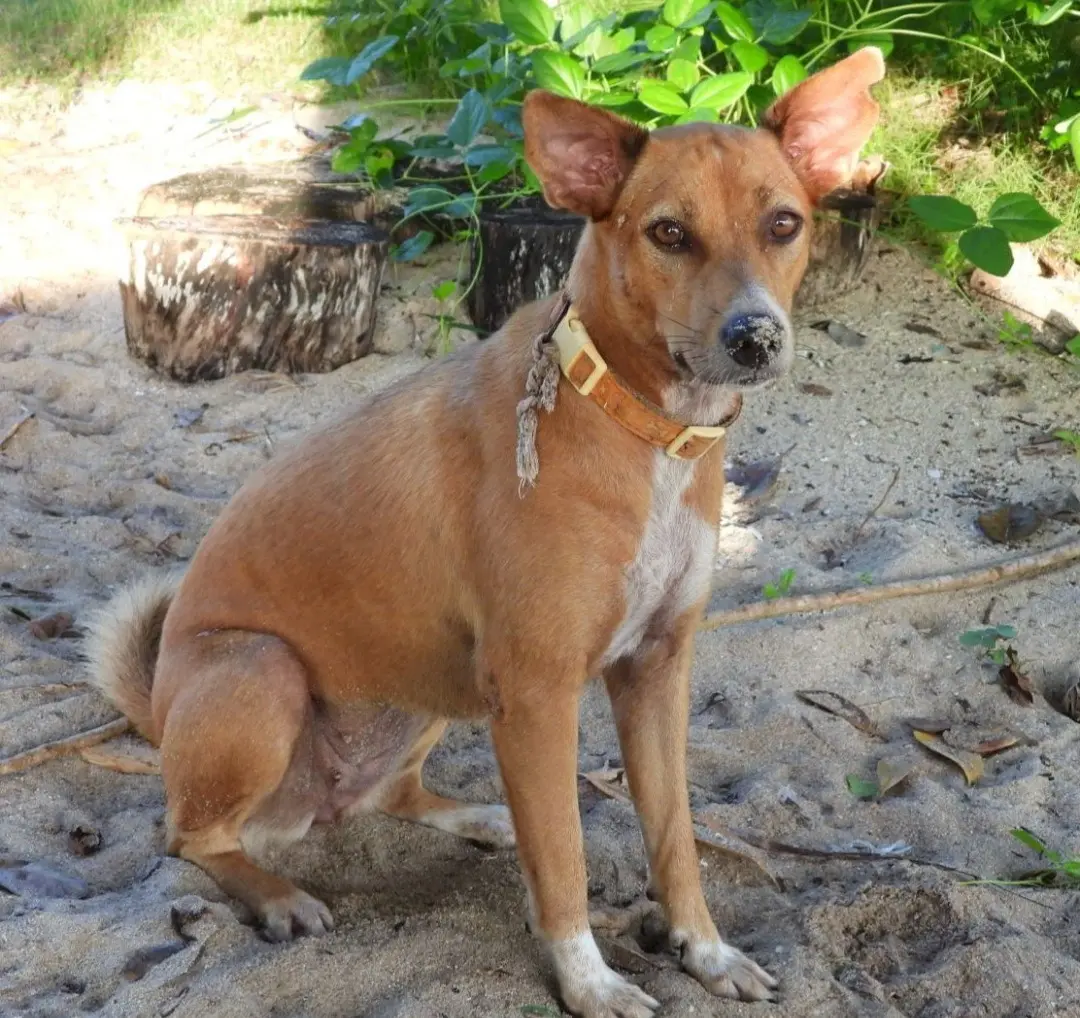
- Size: They are predominantly medium-sized canines, striking a balance between agility and sturdiness.
- Coat & Color: Coats are short and weather-resistant, displaying a vast array of colors including black, white, brown, brindle, fawn, and striking multi-colored patterns or patches.
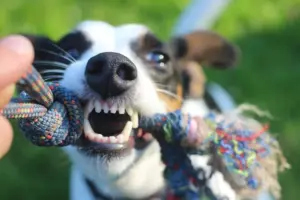
- Facial and Body Structure: Snouts generally span a medium to long length, preventing the respiratory distress seen in brachycephalic breeds. Ears can vary widely—some individuals sport alert, upright ears, while others feature charmingly folded or floppy ears. Tails are typically long and expressive.
Official Statements and Expert Perspectives
Animal behaviorists, veterinarians, and rescue coordinators consistently emphasize the unique psychological and cognitive profile of the Askal. Far from being simple or primitive, these dogs possess sophisticated problem-solving skills honed by generations of navigating complex urban environments.

"The Askal is living proof that nature is the best breeder," notes Dr. Elena Ramirez, a Manila-based veterinarian specializing in canine rescue rehabilitation. "They possess an emotional intelligence and spatial awareness that you rarely find in dogs bred solely for aesthetics. They understand human micro-expressions, they read rooms exceptionally well, and they adapt to their environment with astonishing grace."
Animal welfare advocates also highlight the dog’s gentle disposition toward children, debunking persistent myths that street-born dogs are inherently aggressive. While a newly rescued Askal may exhibit initial warfulness due to past trauma or street survival instincts, behavioral specialists emphasize that patience and positive reinforcement unlock an exceptionally affectionate companion.
- Temperament Overview:
- Affectionate and Peaceful: Highly devoted to their human families, seeking out physical touch and affection.
- Child-Friendly: Known for a patient, gentle demeanor that makes them exceptional companions for children.
- Independent Yet Loyal: While they relish human company, they retain a healthy sense of autonomy, perfectly content to quietly supervise a yard or rest nearby without demanding constant, high-maintenance attention.
- Sharp Intellect: Demonstrating a trainability that rivals popular working breeds like Huskies and German Shepherds, Askals excel in obedience, agility, and task execution when provided with consistent, positive guidance.
Future Outlook: The Global Trajectory of the Askal
The future of the Askal points toward increasing international visibility and borderless appreciation. As global pet adoption trends shift away from commercial puppy mills and toward rescue and mixed-breed adoption, the Askal is uniquely positioned to capture the hearts of owners worldwide.
Sourcing and Adoption in the United States and Beyond
While Askals are natively abundant in the Philippines, finding one in Western nations like the United States requires intentional effort. Because they are not a commercially bred commodity, they are not typically found in traditional pet stores. Instead, they are imported by dedicated rescue organizations or brought over by expatriates and Filipino-Americans wishing to honor their heritage.
Navigating the international acquisition of an Askal involves strict regulatory compliance:
- CDC and Import Regulations: Anyone wishing to import an Askal into the United States must strictly adhere to the documentation requirements set forth by the Centers for Disease Control and Prevention (CDC) and state agricultural departments.
- Health and Vaccination Records: Owners must present verifiable proof of up-to-date vaccinations—most notably rabies titers and certificates of good health issued by accredited veterinarians prior to boarding international flights.
- Legal Status: It is fully legal to own, transfer, or adopt an Askal within the United States. There are no legislative restrictions prohibiting their ownership; the primary barrier remains logistical sourcing.
Conclusion: A Legacy Worth Preserving
The journey of the Askal—from the alleyways of Manila to suburban living rooms across the globe—is a testament to resilience, adaptability, and the enduring bond between humans and canines. By moving past outdated biases regarding street dogs, modern society is waking up to the extraordinary value of the Aspin. With their robust health, sharp intellect, and boundless capacity for love, these remarkable dogs are no longer just a fixture of Philippine street life; they are global ambassadors of canine perfection.