
Executive Overview
Halloween brings an annual transformation to neighborhoods worldwide, replacing everyday routines with illuminated jack-o’-lanterns, rustling synthetic foliage, elaborate costumes, and a relentless stream of visitors at the front door. While human family members often find excitement in these seasonal festivities, domestic cats frequently experience the holiday as a profound disruption of their physical and psychological environment.
Veterinary behaviorists, feline welfare organizations, and animal protection agencies emphasize that cats are creatures of habit whose sense of security is deeply anchored in predictability, stable territories, and recognizable sensory cues. The introduction of unfamiliar sights, alien scents, intrusive auditory stimuli, and frequent breaches of home boundaries can trigger significant physiological stress responses in felines.
This comprehensive report examines the multifaceted challenges Halloween presents to domestic cats. By analyzing feline behavioral science, environmental psychology, and veterinary toxicology, this article provides pet guardians with authoritative guidelines to protect their animals. The following sections explore territorial disruption, sensory overload, escape risks, nutritional hazards, and actionable strategies to ensure a safe, stress-free holiday for feline companions.
Detailed Chronology: How Halloween Unfolds for a Domestic Cat
To fully understand the impact of Halloween, it is necessary to examine how the holiday progresses from a cat’s perspective. Feline perception relies heavily on routine, scent-marking, and environmental stability. When the holiday calendar turns, the domestic landscape shifts in a specific, compounding sequence.
Phase One: The Introduction of Spooky Decor
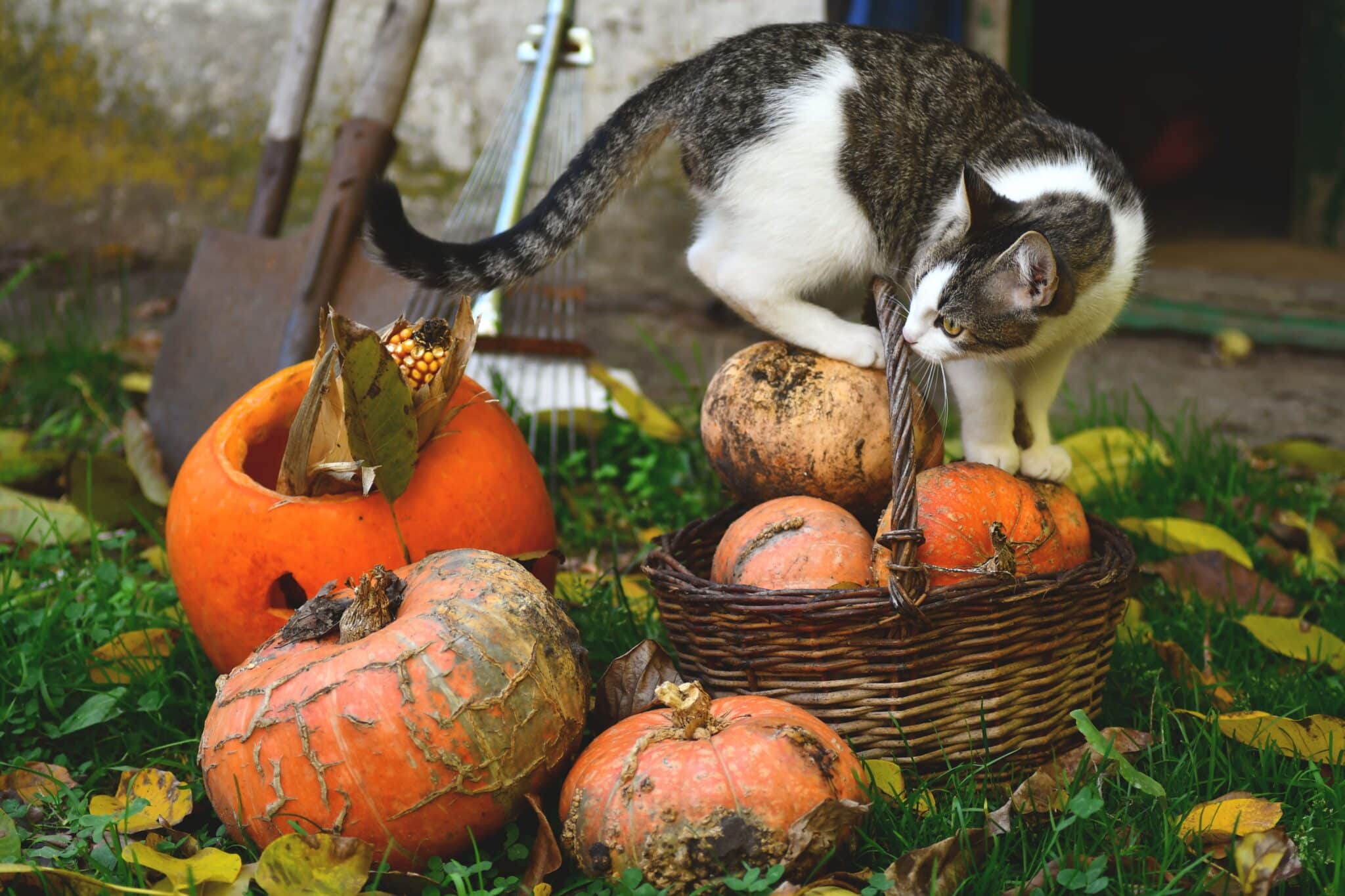
Days or even weeks before October 31st, homes undergo visual and olfactory transformations. Plastic skeletons, faux cobwebs, animated props, and inflatable yard figures appear in living spaces. To a cat, these objects represent foreign elements intruding upon established territory. Because cats rely on facial scent-marking—rubbing their cheeks against furniture to deposit pheromones—unfamiliar objects that lack these familiar markers can induce caution, suspicion, or avoidance. While bold cats may investigate these items, more sensitive individuals often retreat or show subtle signs of behavioral displacement.
Phase Two: The Costume Transformation
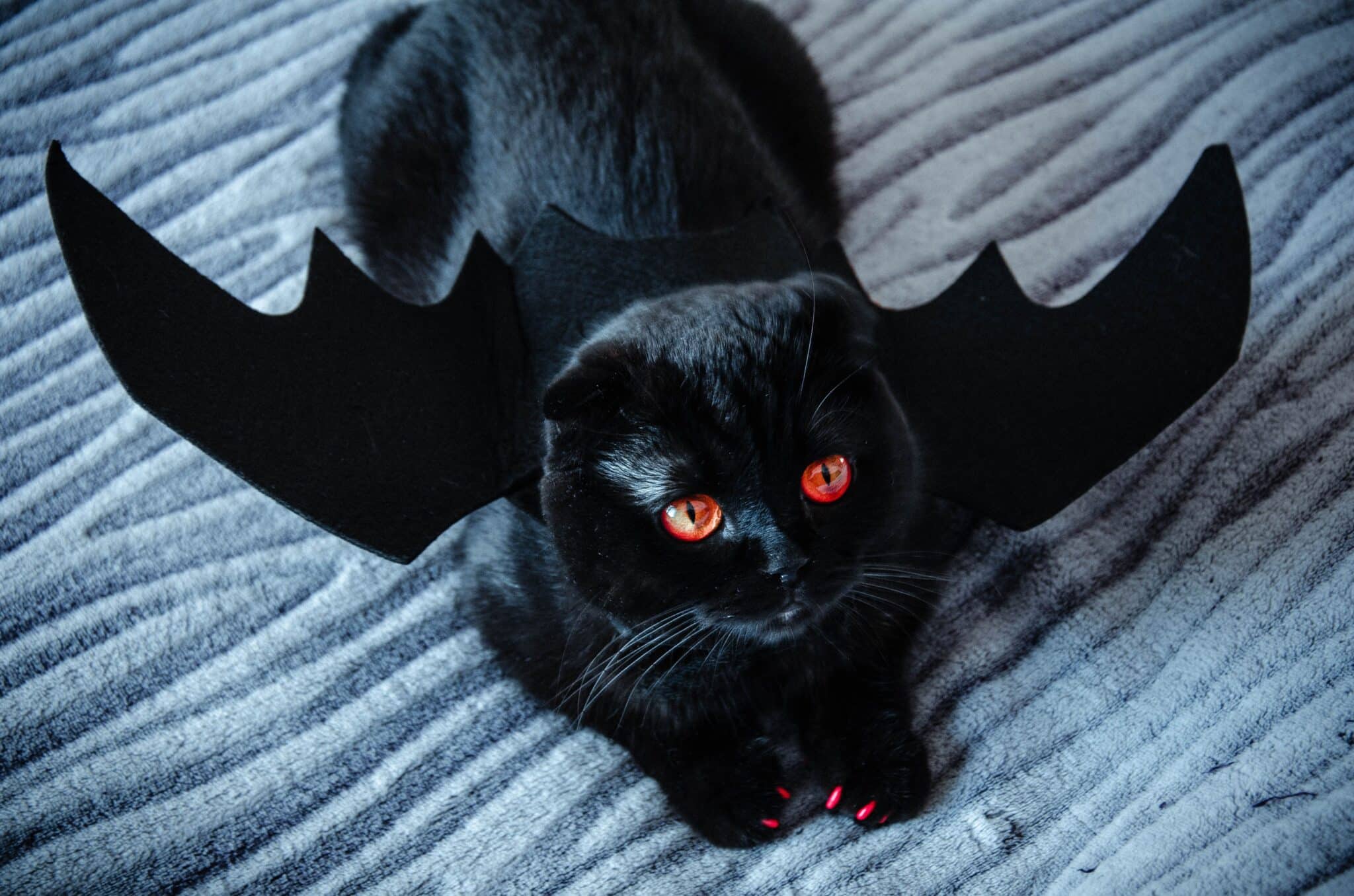
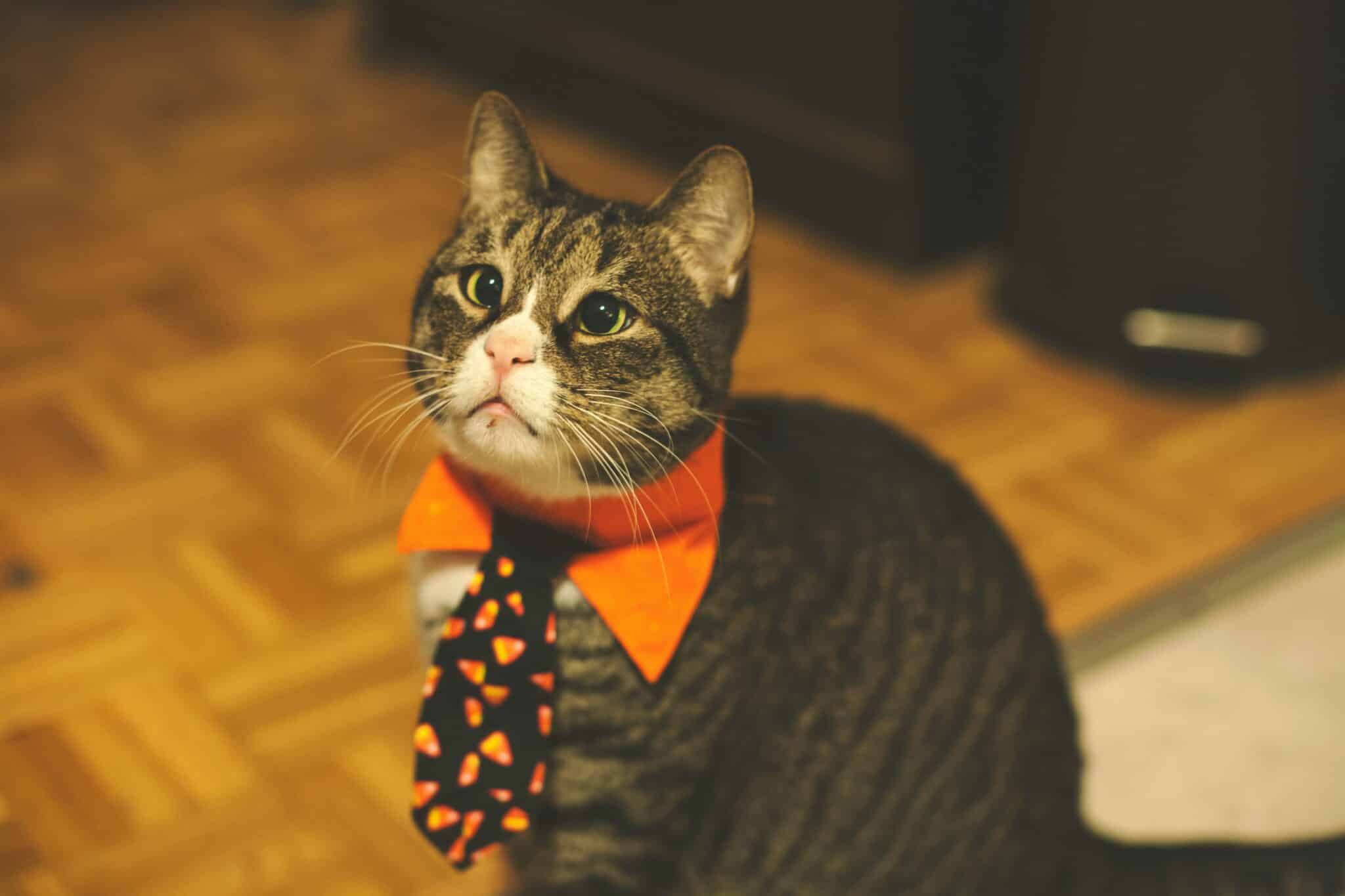
As evening approaches on Halloween night, human family members transform their appearances. Masks, wigs, theatrical makeup, oversized garments, and hats radically alter the visual silhouette, voice projection, and movement patterns of trusted companions. Cats do not recognize humans purely by face; they utilize a complex synthesis of visual recognition, vocal pitch, routine, and, crucially, scent. A dramatic costume can momentarily turn a beloved owner into an unrecognizable entity, prompting defensive postures, hiding, or distress vocalizations. Furthermore, forcing a cat into a costume introduces severe physical restriction and psychological discomfort, violating fundamental animal welfare principles.
Phase Three: The Doorbell and Commotion Peak
As twilight falls, the frequency of front-door activity escalates. Repeated doorbell chimes, sharp knocks, and the sound of excited, unfamiliar voices outside the door signal continuous breaches of territorial boundaries. Cats possess acute hearing capabilities, detecting high-frequency sounds far beyond human capacity. Each ring of the bell acts as an unpredictable auditory stressor, keeping the cat’s nervous system in a state of hyper-arousal. Concurrently, the constant opening and closing of the front door creates an unprecedented window for accidental escape, transforming a routine exit into a high-risk security hazard.
Phase Four: The Nighttime Resolution and Recovery
As trick-or-treating concludes and household visitors depart, the immediate crisis subsides, but the physiological aftershocks of adrenaline and cortisol can linger within the cat’s system for hours. Without a designated quiet retreat, recovering from an evening of sensory bombardment can take a significant toll, leading to disrupted sleep, altered feeding habits, and lingering wariness toward human interactions. Recognizing this chronological arc allows guardians to implement proactive interventions at each stage of the holiday.
Supporting Context & Metrics: Feline Sensory Physiology and Holiday Risks
To comprehend why Halloween represents a high-stress event, one must examine the biological and environmental factors that govern feline behavior.
The Science of Feline Hearing and Scent
Cats operate in a sensory world vastly different from our own. While human hearing typically ranges from 20 to 20,000 Hertz, feline hearing spans an impressive 45 to 64,000 Hertz. This evolutionary adaptation allows them to detect high-frequency rodent rustling, but it turns modern holiday elements—such as booming party music, shrieking sound-effects boxes, electronic doorbells, and shouting crowds—into intensely painful or terrifying sonic assaults.
Similarly, the feline vomeronasal organ (Jacobson’s organ) and olfactory receptors process environmental scents with extreme precision. The introduction of synthetic materials, aerosolized fog machines, scented candles, and the chemical odors of plastic decorations can overwhelm a cat’s olfactory landscape, eroding the comforting scent-profile of their home territory.
Statistical Risks: Escapes and Toxicity
Animal welfare organizations and emergency veterinary hospitals consistently report elevated caseloads during the Halloween period. Key areas of concern include:
- Accidental Egress: Shelter intake databases indicate that Halloween ranks among the highest-risk nights for indoor cats slipping outdoors through opened entryways, driven by startled adrenaline or curiosity. Disoriented cats navigating nighttime darkness face severe risks from vehicular traffic, predators, and unfamiliar urban hazards.
- Ingestion Emergencies: Emergency veterinary clinics note a spike in foreign body obstructions and toxic ingestions on October 31st. Linear foreign bodies—such as dangling ribbons, artificial cobwebs, and tinsel strands—pose life-threatening surgical risks if swallowed, as they can cause linear bunching and laceration of the intestines. Additionally, chocolate toxicity (specifically methylxanthines like theobromine and caffeine) and xylitol poisoning from sugar-free candies account for a significant percentage of emergency consultations.
Official Statements and Expert Guidance
Leading veterinary authorities and animal welfare organizations have established clear guidelines for managing feline welfare during high-stress holidays.
The American Society for the Prevention of Cruelty to Animals (ASPCA) regularly issues seasonal advisories highlighting the dangers of unattended candy bowls, toxic confectionery ingredients, and the necessity of indoor containment. ASPCA veterinary toxicologists stress that pet owners must treat all human candy—especially dark chocolate, baking chocolate, and sugar-free products containing xylitol—as hazardous contraband that must be stored securely out of paw’s reach.
The International Society of Feline Medicine (ISFM) and the American Association of Feline Practitioners (AAFP) emphasize the critical importance of environmental enrichment paired with safe retreats. According to feline behavior specialists, providing a "safe haven"—a quiet, enclosed room equipped with vertical space, familiar bedding, fresh water, and a litter box—is the single most effective intervention for mitigating anxiety. Experts advise against forcing social interactions or attempting to soothe frightened cats by pulling them out from hiding spots, as this exacerbates the animal’s sense of helplessness and fear.
Furthermore, veterinary behaviorists advocate for pre-emptive identification measures. Ensuring that indoor cats wear breakaway collars with current contact tags and possess a registered, up-to-date microchip acts as an essential safety net against the catastrophic possibility of accidental outdoor escape.
Future Outlook: Modernizing Holiday Pet Care and Safety Standards
As public awareness regarding animal welfare continues to evolve, the cultural approach to celebrating holidays with pets is undergoing a positive transformation. The future of holiday pet safety relies on proactive education, technological innovation, and compassionate domestic management.
Technological Solutions for Modern Pet Guardians
Modern smart-home technology offers practical tools to mitigate Halloween stress. Smart doorbells can be temporarily adjusted to play gentle chimes or set to silent mode, with notifications sent directly to a mobile device, eliminating the startling acoustic triggers of traditional buzzers. Automated pet feeders can be programmed to dispense regular meals precisely on schedule, ensuring that household disruptions do not interfere with vital nutritional routines. Furthermore, GPS-enabled microchips and smart collars provide enhanced peace of mind for indoor-outdoor or escape-prone cats.
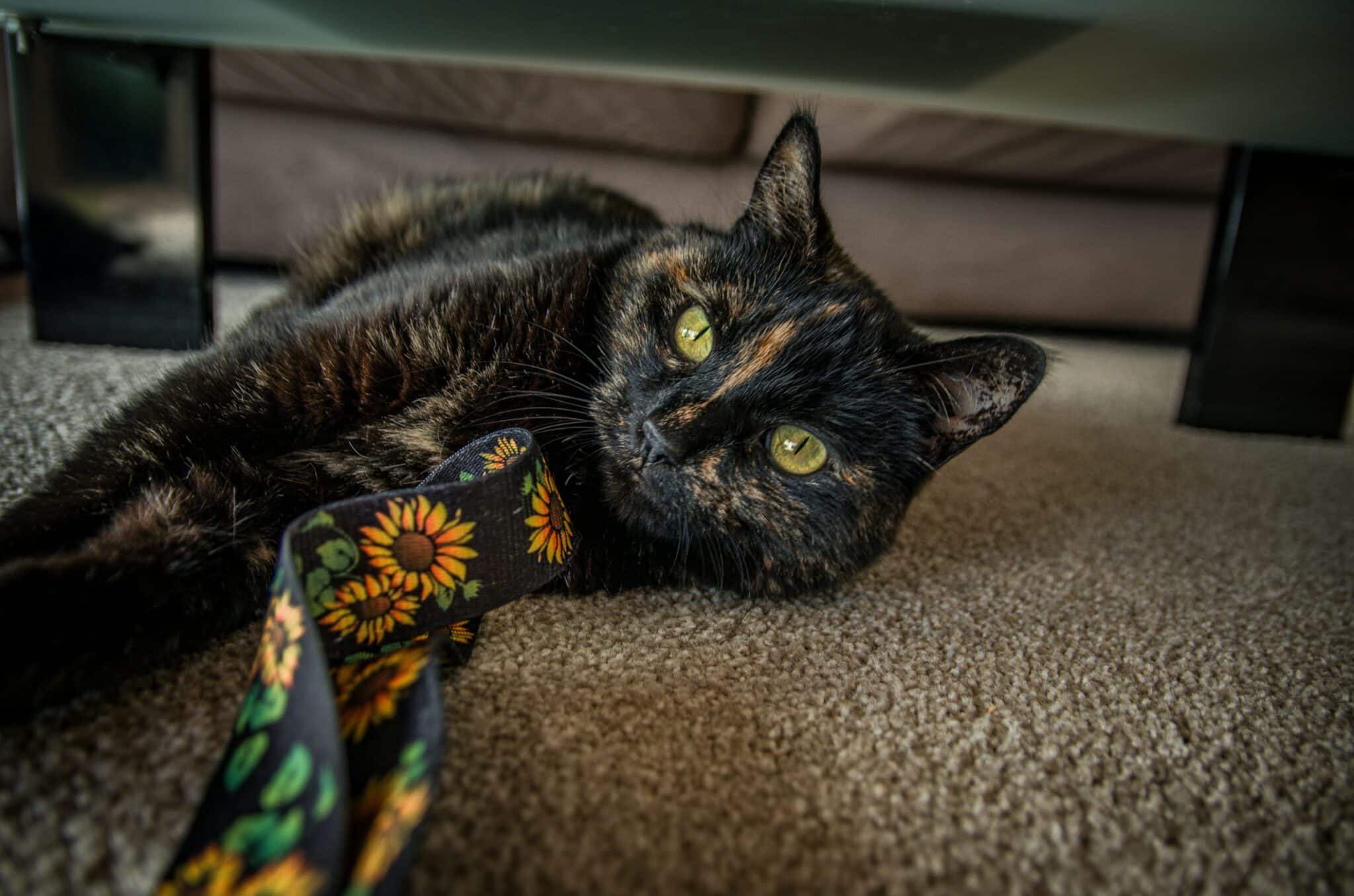
Shifting Cultural Norms: Inclusivity vs. Comfort
A progressive understanding of animal sentience has led pet guardians to recognize that forcing cats to participate in human-centric celebrations—such as dressing them in costumes or introducing them to noisy parties—is antithetical to their well-being. The emerging standard prioritizes feline autonomy: allowing cats to voluntarily choose their level of engagement, retreat to secure spaces, and experience holidays on their own terms.
By integrating these evidence-based practices into seasonal planning, cat owners can bridge the gap between human festivity and feline security. Ultimately, a successful Halloween is one where the human family enjoys the festivities while the feline members remain safe, serene, and stress-free within the sanctuary of a secure home.