Air travel is universally recognized as a crucible of modern frustration. Delayed departures, missed connections, and interminable terminal queues routinely test the patience of even the most seasoned flyers. For Virgil Wiebe, a traveler from Minnesota transiting through Chicago’s O’Hare International Airport, what initially promised to be a thoroughly exasperating day transformed into a profound narrative of rescue, quick-thinking logistics, and serendipitous companionship.
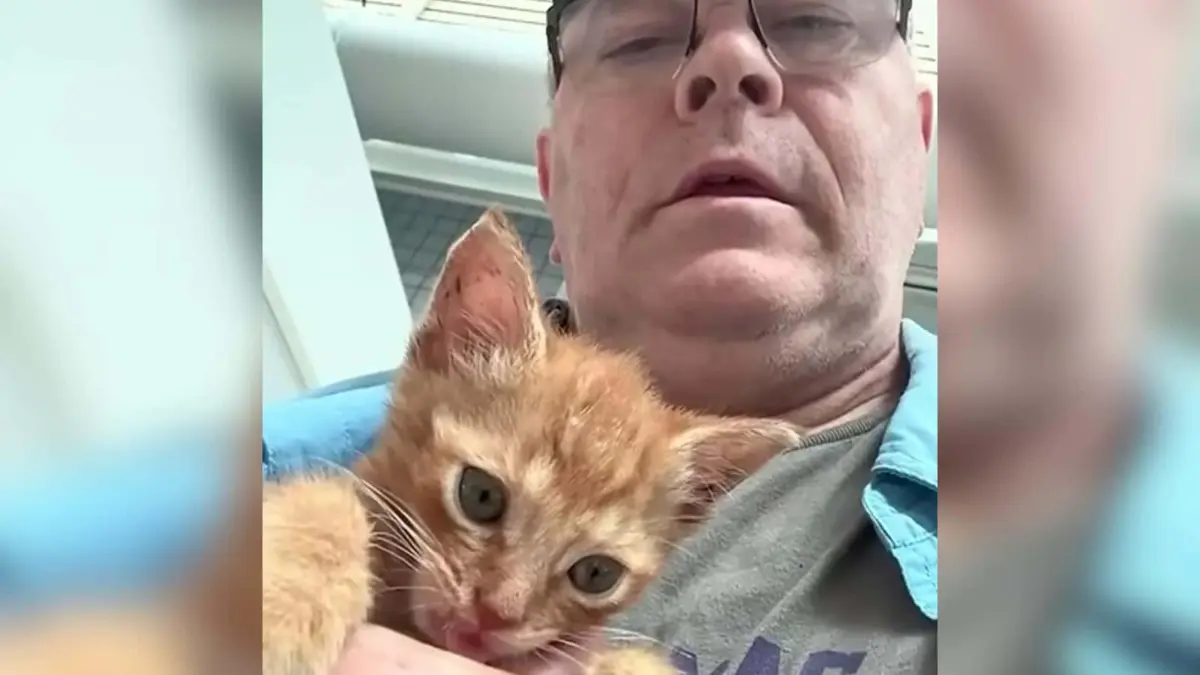
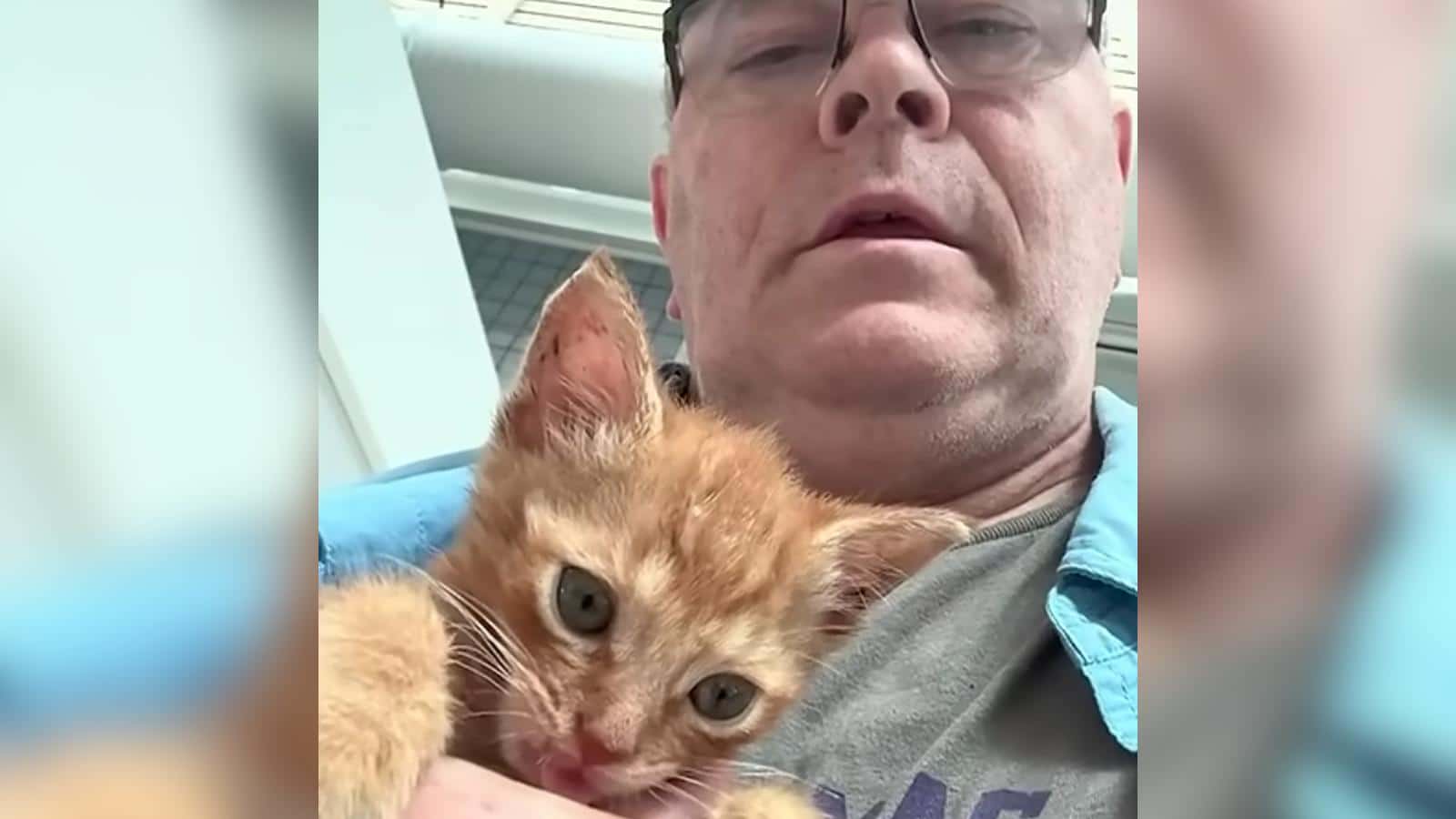
While stepping outside Terminal 1 during an unexpected layover to decompress, Wiebe was approached by a vulnerable, three-week-old orange tabby kitten. Lacking a mother or any visible littermates, the infant feline wandered out of the surrounding landscaping and directly into Wiebe’s life. What ensued was an extraordinary logistical race against the clock: navigating the unfamiliar terrain of airport security protocols for stray animals, orchestrating an emergency DoorDash delivery for pet supplies to a bustling international tarmac, and securing a last-minute pet reservation with United Airlines.
This in-depth investigative report chronicles the extraordinary journey of the kitten now affectionately named Macanudo O’Hare—or "Harry" for short. Beyond a heartwarming human-animal interest story, this event provides a unique window into the complexities of impromptu animal rescue within highly regulated aviation environments, the surprising versatility of modern delivery infrastructure in emergency scenarios, and the unpredictable nature of compassion when faced with vulnerability.
Detailed Chronology: A Day of Unforeseen Intersections
The Layover and the Locus of Discovery
The sequence of events began with an itinerary disruption familiar to millions of commercial airline passengers. Virgil Wiebe, en route back to Minnesota, learned that his connecting flight out of Chicago’s O’Hare International Airport—one of the busiest and most complex aviation hubs in the world—had been missed. Facing an extended, unplanned delay, Wiebe sought a temporary reprieve from the indoor bustle of the concourse. He made his way past security checkpoints and stepped outside the perimeter of Terminal 1 to enjoy a cigar near a modest patch of parkland adjacent to the roadway.
It was during this quiet interlude that the narrative pivoted sharply away from mundane travel grievances. Out from the nearby shrubbery emerged a tiny, dust-covered blur of orange fur.
"He sort of appeared out of nowhere," Wiebe recounted in an interview with NBC Chicago. "I already missed one flight, and I figured, well, I might be missing another one."
Assessing the Vulnerability of a Neonatal Stray
At approximately three weeks of age, a kitten is profoundly vulnerable. In optimal biological conditions, neonatal felines at this developmental milestone are entirely dependent on maternal nutrition, warmth, and protection. They have only recently opened their eyes, their motor skills are clumsy, and their capacity to regulate body temperature is severely limited.
Recognizing the gravity of the situation, Wiebe initiated a thorough, albeit brief, search of the immediate landscape. He combed through the surrounding bushes and landscaped perimeters near Terminal 1, looking for a queen (mother cat) or other kittens that might indicate a feral colony living on airport grounds. The search yielded no results. The tiny orange kitten was entirely alone in an environment dominated by roaring jet engines, diesel exhaust, and relentless vehicular and pedestrian traffic.
Faced with a stark moral choice—leave the animal to certain peril against the elements and airport infrastructure, or intervene—Wiebe made the decisive choice to scoop the neonate up and carry him inside the terminal building.
Navigating the Bureaucracy of the Concourse
Bringing a rescued wildlife or stray animal into a high-security international airport immediately introduces complex administrative and regulatory hurdles. Once inside Terminal 1, Wiebe sought guidance from Transportation Security Administration (TSA) personnel, recognizing that unauthorized animals cannot simply be smuggled past security checkpoints or onto commercial aircraft cabins.
The interaction underscored the rarity of the event. According to Wiebe, the frontline TSA agents were momentarily nonplussed, noting that they had never previously encountered a passenger attempting to board with an airport stray. While cooperative and sympathetic to the rescue effort, federal security regulations dictated strict parameters: if the animal was to fly, it required a proper, approved carrier.
Furthermore, Wiebe’s replacement flight was rapidly approaching final boarding call. Leaving the secure perimeter of O’Hare to source a pet carrier and specialized feline milk replacer from a brick-and-mortar pet supply store miles away would guarantee the forfeiture of his second flight, compounding travel delays and escalating costs.
The Modern Logistics Solution: DoorDash on the Tarmac
Faced with an urgent logistical bottleneck, Wiebe leveraged contemporary on-demand retail technology. Utilizing the DoorDash application while stationed inside the O’Hare terminal, he orchestrated a hyper-local supply chain miracle.
Wiebe placed an emergency order for a secure pet travel kennel and essential kitten formula, setting the delivery destination directly to his coordinates at the Chicago airport. Within a remarkably short window, a local courier successfully navigated O’Hare’s notorious traffic maze, rendezvoused with Wiebe, and handed over the vital supplies. This innovative use of gig-economy delivery infrastructure effectively bridged the gap between raw emergency rescue and compliant aviation transport.
Securing Passage Aboard United Airlines
With a compliant travel kennel secured and the neonatal kitten properly provisioned, the final hurdle remained: the airline. Wiebe approached the United Airlines customer service and gate agents to amend his travel reservation, declaring his unexpected carry-on passenger.
Commercial aviation policy regarding live animals in the cabin typically requires advance booking, health documentation, and a pet fee. United Airlines representatives, displaying commendable pragmatism and empathy, accommodated the impromptu addition. Wiebe was assessed a standard $150 pet-in-cabin fee—a nominal price for an unbudgeted passenger—and officially cleared the kitten for flight.
Securely tucked inside his new carrier, little Harry boarded the aircraft alongside Wiebe, leaving the sprawling infrastructure of O’Hare behind as they winged their way toward Minnesota.
Supporting Context & Metrics: The Scale of O’Hare and Neonatal Rescue
To fully appreciate the improbability of Virgil Wiebe and Harry’s encounter, one must examine the operational scale of Chicago O’Hare International Airport alongside the realities of urban stray cat populations.
O’Hare International Airport: A Concrete Ecosystem
As one of the world’s premier aviation gateways, O’Hare spans over 7,600 acres, accommodating hundreds of thousands of daily passengers, workers, and aircraft movements. Its vast perimeter includes pockets of manicured landscaping, storm water management basins, and subterranean infrastructure that frequently serve as unintended habitats for urban wildlife, including feral cat colonies.
Passenger Volume: O’Hare routinely handles upwards of 70 to 80 million passengers annually.
Operational Footprint: The complex features multiple terminal buildings sprawling over vast acreage, creating countless micro-environments where resilient animals can slip past perimeter security fences or live undetected within industrial zones.
Stray Animal Dynamics: Feral cat populations in major metropolitan areas often utilize large, industrial, or transportation-adjacent zones due to the abundance of shelter and discarded food sources. However, neonatal kittens dropped or abandoned in active tarmac-adjacent zones face extreme mortality rates due to jet blast, vehicular traffic, and avian predators.
Neonatal Kitten Care: The Three-Week Milestone
Rescuing a three-week-old kitten requires specialized knowledge and immediate intervention. At this crucial developmental stage:
Dietary Needs: Kittens cannot consume solid food and require specialized feline milk replacer (KMR) fed via a specialized bottle every three to four hours.
Thermal Regulation: Unable to maintain their own body temperature, they require external heat sources, such as heating pads or sustained physical contact, to prevent hypothermia.
Elimination Support: Neonates at three weeks often require physical stimulation to induce urination and defecation, mimicking the grooming behavior of a mother cat.
Wiebe’s impromptu decision to order kitten formula via DoorDash was not merely a convenience; it was a critical medical intervention that likely saved the animal from rapid dehydration and metabolic collapse during the multi-hour transit to Minnesota.
Official Statements and Perspectives
The heartwarming nature of the rescue generated significant regional media attention, prompting reflections from both the rescuer and observers on the profound nature of serendipity.
Reflecting on the strange sequence of events that brought them together, Virgil Wiebe emphasized the sheer improbability of the encounter during his interview with NBC Chicago:
"He sort of appeared out of nowhere. I already missed one flight, and I figured, well, I might be missing another one… Who knows where Harry came from, but now he’s ours."
Describing the temperament and impact of his new feline family member upon arriving safely in Minnesota, Wiebe noted:
"He’s just a joyful little thing, and it’s so coincidental how it all happened."
Airport security and airline personnel, while maintaining strict adherence to standard operating procedures, demonstrated a human-centric flexibility that allowed a rigid bureaucratic system to accommodate an extraordinary act of mercy. While no formal corporate press release was issued by United Airlines regarding the specific incident, the company’s frontline accommodation reflects an industry-wide discretion often deployed when animal welfare intersects with compassionate human initiative.
Future Outlook: A Permanent Home in Minnesota
What began as an irritating delay characterized by missed connections and cigar smoke on an asphalt apron ultimately crystallized into a permanent domestic partnership.
The Etymology of a Rescue: Macanudo O’Hare
To commemorate the unique geography and circumstances of their meeting, Wiebe bestowed upon the kitten a name rich with personal and situational history. The cat was formally registered as Macanudo O’Hare:
"Macanudo" honors the specific brand of cigar Wiebe was smoking when the tiny orange animal emerged from the foliage.
"O’Hare" permanently marks the aviation hub where their paths crossed against all statistical odds.
"Harry" serves as the affectionate, colloquial moniker for daily domestic life.
Integration into Family Life
Upon arrival in Minnesota, Harry transitioned rapidly from an airport refugee to a pampered household pet. Thanks to the immediate procurement of formula and a secure carrier during the layover, the kitten arrived in good health, displaying the resilient spirit characteristic of resilient orange tabbies. Veterinary checkups post-arrival confirmed that despite his early ordeal on the fringes of Terminal 1, Harry suffered no long-term trauma and quickly bonded with his human savior.
Broader Lessons in Everyday Compassion
The story of Virgil Wiebe and Macanudo O’Hare serves as a timely reminder of the capacity for empathy amidst the impersonal mechanics of modern mass transit. In environments dominated by schedules, security checkpoints, and economic efficiency, human initiative can still disrupt the status quo in favor of vulnerability and kindness.
As Wiebe noted, a missed flight—an annoyance that routinely induces traveler wrath—was transformed by pure coincidence into the precise temporal window required to save a life. Harry’s journey from an anonymous patch of O’Hare grass to a permanent hearth in Minnesota stands as a testament to the fact that sometimes, the most important destination is the one you never knew you were heading toward.