
Executive Overview
For cats trapped within the deteriorating ecosystem of overcrowded southern animal shelters, the greatest terror of the autumn season is not the folklore of Halloween ghosts or the sudden bumps in the night. Instead, it is the quiet, crushing uncertainty of another day spent waiting in a cage, constrained by limited square footage, dwindling municipal resources, and an endless influx of abandoned animals.
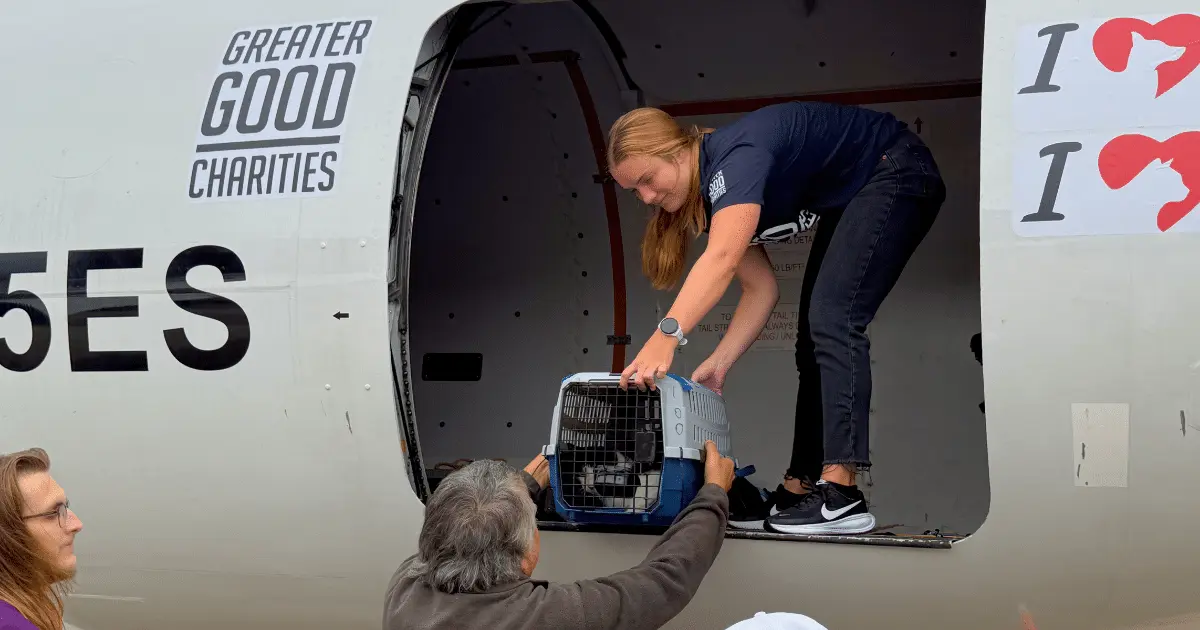
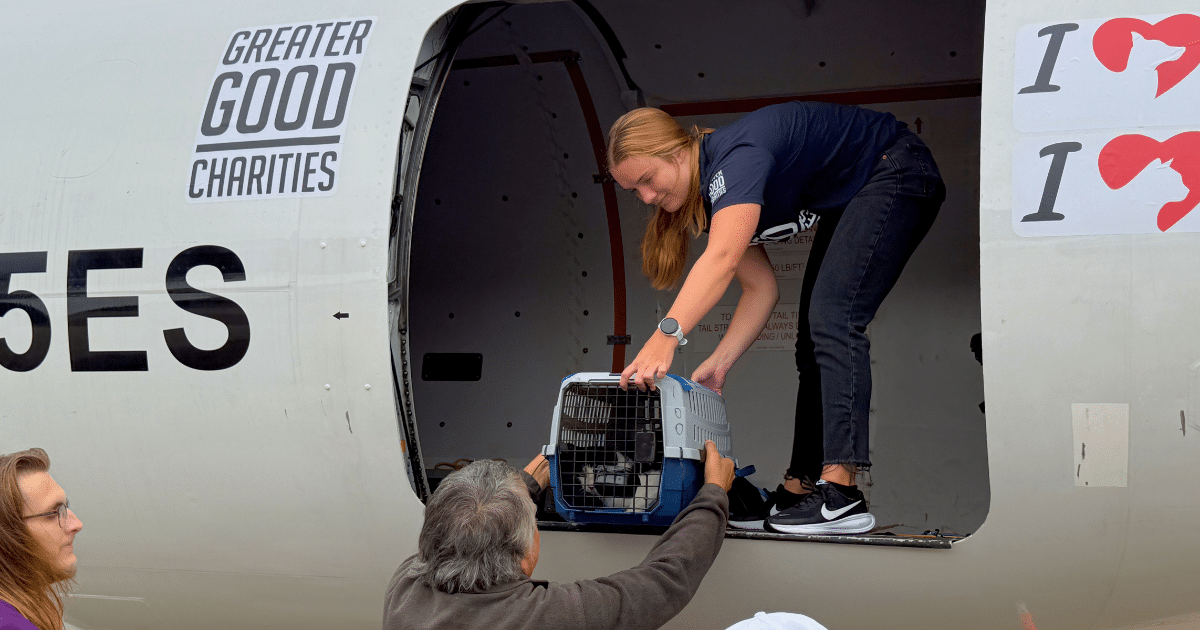
On October 13, 2026, a coalition of animal welfare organizations intervened to rewrite that grim narrative for 36 vulnerable felines. Funded largely by the steadfast generosity of the iHeartCats Hero VIP Club and executed in strategic partnership with Greater Good Charities, a specialized transport mission dubbed the "Escape on the 13th Rescue Flight" successfully evacuated at-risk shelter pets from Louisiana. These animals were flown to New Jersey, a region with robust adoption infrastructure and expansive resources, placing them directly on the path toward loving, permanent homes.
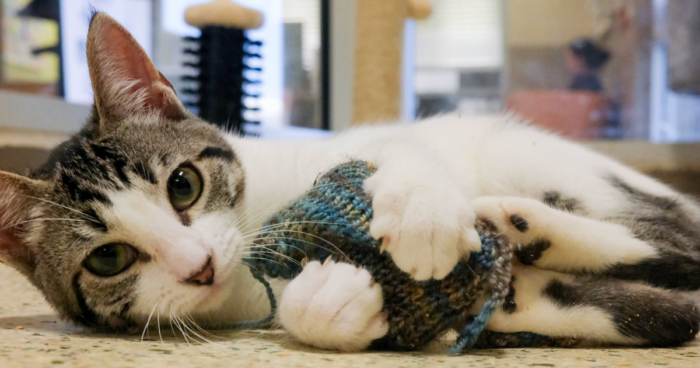
Among the passengers was Nugget, an outgoing five-month-old white-and-gray tabby whose outsized personality quickly made him the ambassador of the flight. Beyond offering individual lifesavers like Nugget a second chance, this sophisticated multi-state airlift achieved a vital logistical objective: it instantly relieved the staggering pressure on overburdened Louisiana shelters. By clearing physical cage space, the mission empowered local rescue teams to keep their doors open for other incoming animals in desperate need of emergency intervention.
Detailed Chronology: The Journey of the "Escape on the 13th"
The logistics of moving 36 live animals across state lines require precision, timing, and deep collaboration between source shelters and receiving sanctuaries. The operation that culminated on October 13, 2026, was months in the planning, designed to target regions facing critical overcrowding spikes.
Ground Zero: The Crisis in Louisiana
In the weeks leading up to mid-October, animal welfare facilities across Louisiana—including the Jefferson Protection and Animal Welfare Society (JPAWS) and regional institutions like the Iberville Parish Animal Shelter—reached absolute maximum capacity. Cat rooms were filled to the brim, and hallways often doubled as temporary holding areas for incoming strays, surrenders, and medical cases.
Despite the heroic efforts of local shelter staff and volunteers, physical constraints made it impossible to provide optimal individual enrichment for every animal. Euthanasia rates loom dangerously high in regions experiencing persistent overpopulation, making emergency transport not merely an act of kindness, but a critical intervention strategy.
Boarding and Takeoff
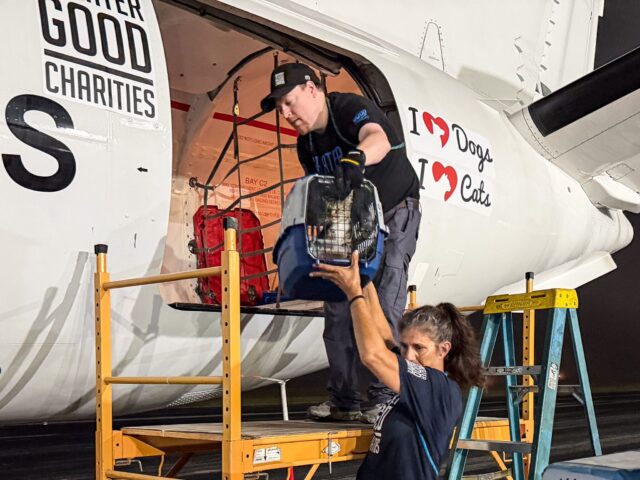
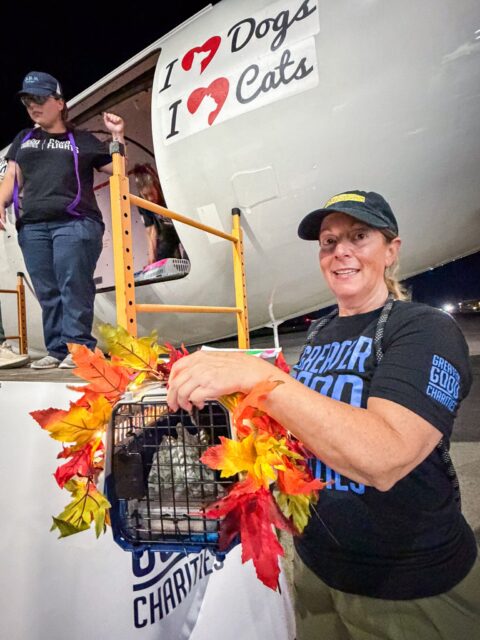
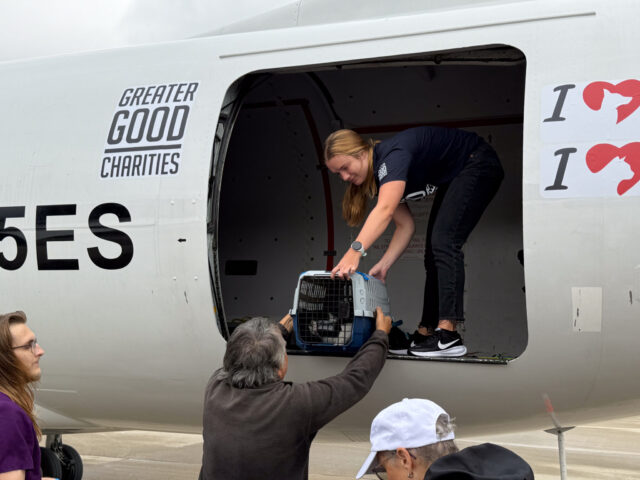
On the morning of October 13, veterinary checks were finalized, travel crates were secured, and the feline passengers were loaded onto the specialized rescue transport. Among them was Nugget, a five-month-old kitten hailing from JPAWS. While many shelter animals experience severe travel anxiety, Nugget approached the journey with characteristic fearlessness, greeting handlers with vocal demands for attention and an insatiable curiosity.
The aircraft lifted off from Louisiana, charting a course northeast toward the Mid-Atlantic and Northeast corridors, where demand for adoptable kittens and cats remains high and shelter systems operate with greater capacity.
Touchdown and Hand-Off in New Jersey
Upon landing, the cats were immediately transferred to the receiving facility: St. Hubert’s Animal Welfare Center in New Jersey. Here, veterinary evaluation teams and adoption coordinators processed the arrivals, transitioning them from travel crates into clean, enriched habitats designed to ease their transition.
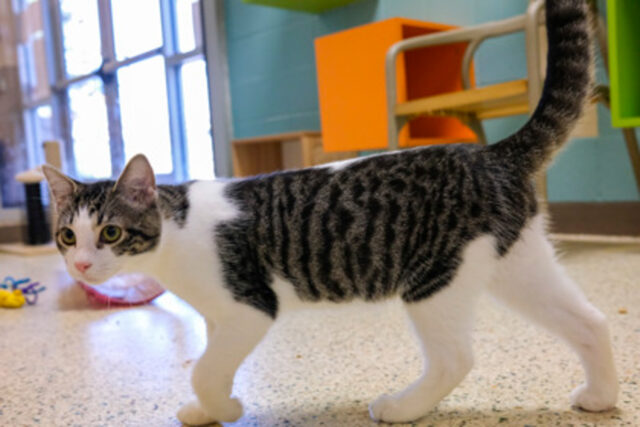
For Nugget and his 35 feline companions, stepping off the tarmac in New Jersey marked the official end of their shelter crisis and the beginning of their public-facing adoption journeys. For the originating shelters in Louisiana, the departure of 36 cats meant something equally profound: 36 newly emptied enclosures ready to receive the next wave of vulnerable animals in distress.
Supporting Context & Metrics: The Mechanics of Shelter Overcrowding and Feline Rescue
To fully understand the significance of the Escape on the 13th Rescue Flight, one must examine the broader metrics governing animal sheltering in the American South. Regional disparities in spay-neuter access, economic pressures, and high stray populations create an ongoing crisis of supply and demand within the rescue community.
The Mathematics of Regional Disparities
While shelters in certain northern and northeastern states frequently experience a deficit of available adoptable pets—particularly kittens—during peak seasons, southern shelters face the opposite reality. States like Louisiana often produce a year-round surplus of homeless animals due to milder winters that extend the breeding season.
- Capacity Thresholds: When a shelter operates above 100% capacity, stress levels among animals skyrocket, leading to compromised immune systems, upper respiratory infections, and behavioral deterioration.
- The Spillover Effect: Overcrowding forces facilities to make heart-wrenching triage decisions. By airlifting 36 cats out of the state, the iHeartCats and Greater Good Charities partnership prevented a cascade of system failures at the local level.
- Resource Redistribution: Transport pipelines act as an equalizer, moving healthy, adoptable pets from areas of high saturation to areas of high demand, thereby optimizing the national sheltering network.
Meet the Ambassador: Nugget’s Profile
No single passenger better encapsulated the resilience and spirit of the October 13 flight than Nugget. Evaluating his journey provides a window into the exact demographic of pets saved by these operations:
- Age & Breed: 5-month-old white-and-gray tabby.
- Origin: Jefferson Protection and Animal Welfare Society (JPAWS), Louisiana.
- Destination: St. Hubert’s Animal Welfare Center, New Jersey.
- Behavioral Profile: Exceptionally confident, highly socialized with humans and other felines, seeking constant interaction and environmental engagement.
- Significance: Despite possessing all the traits of an instantly adoptable companion, Nugget was swept up in the broader statistical wave of southern overpopulation. His rescue proves that systemic crises often trap highly desirable animals simply due to a lack of physical real estate.
Official Statements and Stakeholder Insights
The success of the Escape on the 13th Rescue Flight underscores the power of collaborative philanthropy and coordinated animal welfare logistics.
The Role of Greater Good Charities
Greater Good Charities, a perennial leader in executing high-impact disaster relief and animal rescue flights, emphasized that logistics are the backbone of modern animal welfare. By bridging the geographical gap between overburdened municipal shelters and well-resourced adoption centers, the organization ensures that geography does not dictate a healthy animal’s fate.
iHeartCats and the Hero VIP Club Community
Behind the fuel, the veterinary clearances, and the flight logistics sits a dedicated community of donors. The iHeartCats Hero VIP Club—a membership network of compassionate animal lovers—serves as the financial engine driving these frequent-flyer rescue missions.
In statements released following the flight, representatives underscored that the true power of the VIP community lies in its collective consistency. Funding a cross-country animal transport requires substantial capital, from aviation fuel to specialized climate-controlled cargo holds and pre-flight veterinary certifications. Without the recurring support of these members, emergency airlifts of this scale would remain financially out of reach for regional shelters.
Future Outlook: The Ongoing Mission and November’s Second Chance Flight
While the celebration surrounding the October 13 mission is well-deserved, the realities of animal rescue leave little time for complacency. The machinery of pet overpopulation operates daily, and shelters across the country are already bracing for upcoming seasonal pressures.
Looking Ahead to November
Recognizing that the demand for rescue transport is ceaseless, iHeartCats and its partners have already initiated preparations for the November Second Chance Flight.
- Expanding the Scope: Organizers aim to surpass previous passenger manifests, targeting even deeper rural pockets where shelter intake numbers outpace community adoption rates.
- Sustaining Financial Pipelines: Because each flight depends entirely on philanthropic contributions, organizers are actively rallying the public and expanding the Hero VIP Club roster to secure the necessary capital for upcoming aviation logistics.
- Infrastructure Growth: Beyond immediate transports, ongoing support directly feeds back into community outreach, spay-neuter initiatives, and resource distribution designed to stem the tide of homelessness at its source.
A Call to Action for Animal Lovers
The success of the October airlift proves that collective compassion can dismantle seemingly insurmountable logistical barriers. However, the path forward requires sustained engagement.
Animal advocates looking to make a direct impact on future missions are encouraged to consider several avenues of involvement:
- Join the Hero VIP Club: By committing to ongoing monthly support, members provide the predictable funding required to secure aircraft chartering and emergency supplies.
- Support Upcoming Transports: Donations directed toward the November Second Chance Flight directly offset the costs of fuel, crate leasing, and cross-country veterinary care.
- Adopt, Foster, and Volunteer: Supporting local shelters—whether in high-intake southern regions or receiving northern facilities—remains the bedrock of the national animal welfare movement.
As the leaves turn and the holiday season approaches, the story of Nugget and his 35 fellow travelers stands as a testament to what is possible when a community refuses to look away from overcrowding. Through organized flight paths and dedicated human hearts, the uncertainty of shelter life is continually being replaced by the promise of a permanent home.