
Executive Overview
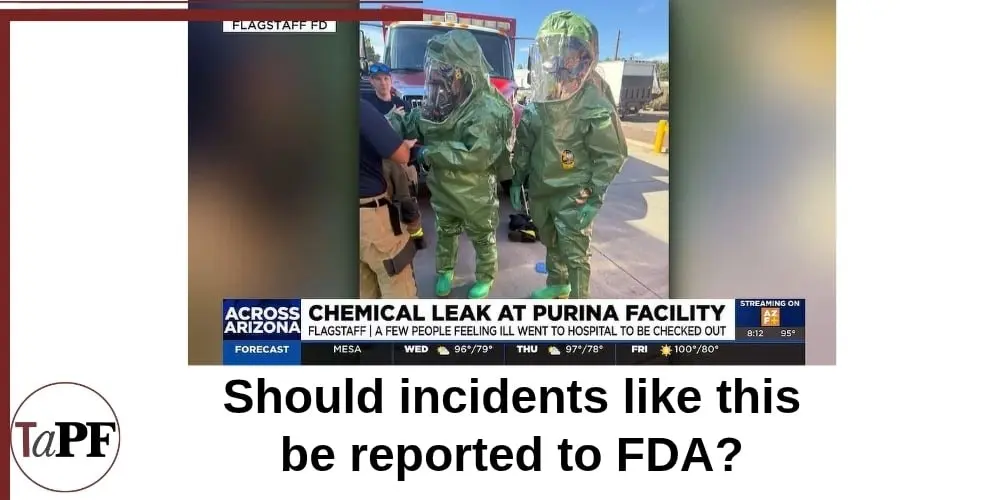
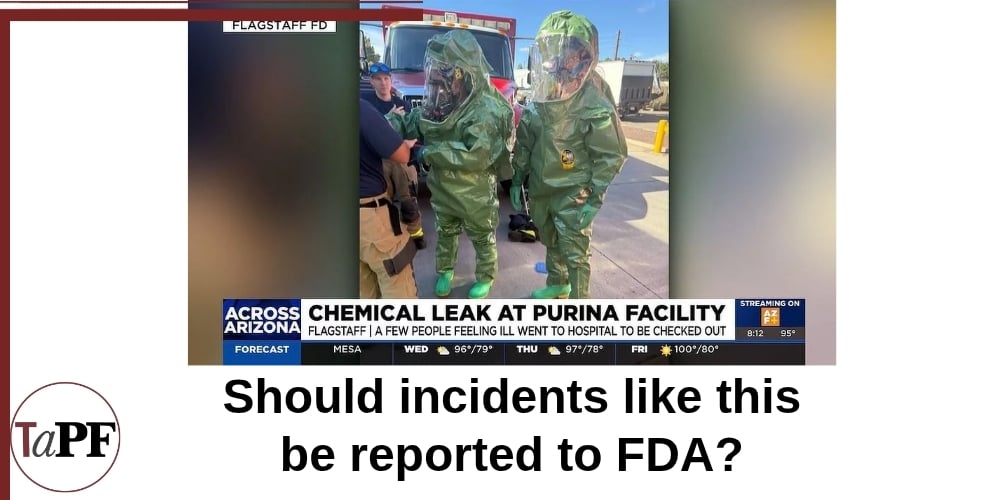
On September 22, 2026, an industrial chemical incident at the Nestlé Purina PetCare manufacturing facility in Flagstaff, Arizona, led to an emergency hazmat response and the hospitalization of three facility workers. The event, triggered by an unintended mixing of incompatible chemicals that corroded a distribution line, forced an immediate evacuation of the plant’s boiler room. Although initial fire department assessments cleared the facility for re-entry and facility representatives described the spill as localized, the incident has renewed critical inquiries regarding transparency, industrial risk management, and food safety oversight within the pet food manufacturing sector.
The Flagstaff facility serves as a major manufacturing hub for some of the most widely distributed pet food brands in North America, including Dog Chow, Beneful, Nestlé Purina ONE, Alpo, and Purina Pro Plan. While corporate communications emphasized that the chemical release occurred away from primary food production areas, consumer advocates and industry observers point to a systemic regulatory oversight gap: local emergency responders and federal workplace safety agencies evaluate industrial accidents solely through the lens of human safety, leaving potential product contamination risks unmonitored by feed safety authorities.
This investigative report details the timeline of the Flagstaff incident, examines the structural operational hazards inherent to high-volume kibble manufacturing, analyzes the silence surrounding chemical disclosures, and explores the urgent policy arguments for mandatory cross-agency reporting between workplace safety regulators and agricultural inspectors.
Detailed Chronology of the Flagstaff Incident
 September 22, 2026: Incident Timeline
 ┌──────────────────────────────────────────┐
 │ Incompatible chemicals mix in line       │
 └────────────────────┬─────────────────────┘
                      │
                      ▼
 ┌──────────────────────────────────────────┐
 │ Line corrosion causes 10-gallon spill    │
 └────────────────────┬─────────────────────┘
                      │
                      ▼
 ┌──────────────────────────────────────────┐
 │ Boiler room evacuated; 3 workers hurt    │
 └────────────────────┬─────────────────────┘
                      │
                      ▼
 ┌──────────────────────────────────────────┐
 │ Hazmat & Fire Dept clear building        │
 └──────────────────────────────────────────┘
The incident unfolded on the morning of September 22, 2026, at Nestlé Purina’s expansive production complex in Flagstaff, Arizona. According to preliminary emergency response logs and subsequent investigations by local hazardous materials units, an equipment malfunction within a chemical distribution system led to the accidental blending of two incompatible chemical agents.
Chemical Interaction and Pipe Corrosion
The unexpected combination of the two chemical agents initiated a rapid corrosive reaction within the internal piping network. The resulting degradation compromised the structural integrity of a distribution line, leading to a localized rupture and the release of liquid chemistry and associated gaseous vapors.
Immediate Evacuation and Emergency Response
The leak occurred inside the plant’s boiler room—a critical utility hub responsible for generating steam and thermal energy for facility-wide operations. Recognizing the immediate health hazard posed by off-gassing, plant supervisors initiated an emergency evacuation of the boiler room and surrounding service corridors.
Units from the Flagstaff Fire Department, accompanied by specialized Hazmat crews, arrived shortly after to contain the scene and conduct atmospheric testing. Emergency responders deployed sensors throughout the affected quadrant to check for persistent toxic gas concentrations, volatile organic compounds (VOCs), or airborne irritants.
Worker Exposure and Medical Evaluation
During the initial leak and subsequent evacuation, three plant employees suffered acute exposure symptoms requiring medical intervention. On-site paramedics evaluated the workers before transporting them to a local hospital for further diagnosis and treatment.
According to official statements from Purina, none of the three associates required inpatient admission. Following routine medical evaluation and decontamination procedures, all three employees were discharged and returned to the facility later the same day.
Facility Clearance
After completing ambient air sampling and confirming that chemical gas levels had attenuated below hazardous thresholds, the Flagstaff Fire Department issued an "all-clear" signal, permitting facility personnel to re-enter the boiler room and resume plant operations.
Supporting Context & Metrics
Industrial pet food manufacturing facilities operate at an intersection of agricultural handling, high-temperature thermal processing, and complex chemical utilities. While consumers typically view pet food plants through the lens of nutrition and agriculture, these facilities function as heavy manufacturing sites subjected to operational stresses and environmental hazards.
+-----------------------------------------------------------------------+
|                 Key Metrics: Purina Flagstaff Incident                |
+-----------------------------------+-----------------------------------+
| Metric                            | Details                           |
+-----------------------------------+-----------------------------------+
| Date of Incident                  | September 22, 2026                |
| Facility Location                 | Flagstaff, Arizona                |
| Primary Impacted Zone             | Facility Boiler Room              |
| Chemical Volume Released          | ~10 Gallons                       |
| Hospitalizations                  | 3 Employees (Treated & Released)  |
| Key Brands Produced at Site       | Dog Chow, Beneful, Purina ONE,    |
|                                   | Alpo, Purina Pro Plan             |
+-----------------------------------+-----------------------------------+
Operational Vulnerabilities in Kibble Manufacturing
Dry pet food manufacturing relies on industrial extruders, massive mechanical drying ovens, steam boilers, and automated bulk-conveying networks. These operational components introduce continuous physical and chemical hazards:
- Combustible Dust Hazards: Processing vast quantities of corn, wheat, soybean meal, and meat-and-bone meal generates significant airborne organic dust. When suspended in closed spaces, combustible agricultural dust presents a ongoing flash-fire and explosion risk if ignited by static electricity, overheated bearings, or electrical faults.
- Thermal and Boiler Systems: Generating steam for cooking extruders requires continuous boiler operation. Water treatment chemicals—including corrosion inhibitors, scale control agents, oxygen scavengers, and pH balancers (such as cyclohexylamine, morpholine, or concentrated sodium hydroxide)—are regularly used in these systems. Leakages of these fluids can produce toxic airborne vapors.
- Chemical Sanitization Networks: Industrial facilities utilize automated Clean-in-Place (CIP) systems that pump concentrated acids (e.g., phosphoric or nitric acid) and alkalis (e.g., sodium hypochlorite or caustic soda) through lines to sterilize equipment. Inadvertent cross-mixing of acid and bleach solutions, for example, rapidly liberates hazardous chlorine or chloramine gas.
   Typical Kibble Manufacturing Facilities: Hazards Overview
   ┌─────────────────────────────────────────────────────────┐
   │ High-Heat Extruders & Ovens ──► Thermal/Fire Hazards    │
   ├─────────────────────────────────────────────────────────┤
   │ Bulk Grain Handling         ──► Combustible Dust Risks  │
   ├─────────────────────────────────────────────────────────┤
   │ Boiler & CIP Utility Lines  ──► Chemical Exposure Risks │
   └─────────────────────────────────────────────────────────┘
Frequency of Industrial Incidents
Emergency calls to municipal fire departments from industrial kibble facilities occur with greater frequency than public records typically highlight. Small-scale thermal flare-ups within drying units, localized electrical fires, and minor chemical transport leaks are frequently managed by local fire districts without triggering broader public notification or regulatory review past immediate workplace safety protocols.
Official Statements & Transparency Gaps
Following the September 22 incident, contrasting narratives emerged between corporate spokespersons, municipal emergency responders, and pet food consumer advocates.

The Corporate and Municipal Narrative
In an official statement addressing the event, a spokesperson for Nestlé Purina characterized the leak as a minor, swiftly contained utility issue:
"The Flagstaff factory encountered a small, 10-gallon chemical spill that caused an immediate evacuation of the boiler room, which is not connected to pet food production. The Flagstaff Fire Department was called to evaluate the situation. Upon arrival, the Fire Department detected no trace of a dangerous gas and gave the all-clear to re-enter the building. Three associates visited a nearby hospital yet none were admitted and all returned to work later in the day."
The Flagstaff Fire Department corroborated that ambient air monitoring yielded no actionable levels of hazardous fumes upon their arrival, leading to the rapid clearance of the structure.
       Purina Statement                     Advocate Queries
 ┌───────────────────────────┐        ┌───────────────────────────┐
 │ • 10-gallon localized spill│        │ • What specific chemicals │
 │ • Boiler room isolated    │ VS     │   were involved?          │
 │ • No dangerous gas found  │        │ • Did vapors enter HVAC or│
 │ • Staff returned to shift │        │   ingredient storage?     │
 └───────────────────────────┘        └───────────────────────────┘
The Advocacy Perspective: Unanswered Questions
Despite corporate assurances, consumer safety organizations—led by Susan Thixton of TruthaboutPetFood.com and the Association for Truth in Pet Food—pointed out critical information omissions in the official reporting:
- Unidentified Chemical Compounds: Neither Purina nor public safety reports disclosed the specific identity of the "two chemicals" that were inadvertently mixed. Without knowing the exact compounds, independent safety experts cannot assess the vapor pressure, toxicity profile, or persistence of the resulting gaseous reaction.
- HVAC and Air Handling Concerns: While the boiler room may be physically distinct from primary processing lines, modern manufacturing facilities frequently utilize interconnected forced-air heating, ventilation, and air conditioning (HVAC) systems. Advocates questioned whether airborne vapors could have migrated into adjacent raw ingredient warehouses, packaging lines, or finished goods storage areas prior to evacuation.
- Lack of Independent Product Verification: No public documentation has confirmed whether state agricultural inspectors or independent third-party auditors evaluated ingredient bins or finished lots of Dog Chow, Beneful, Purina ONE, Alpo, or Pro Plan produced during or immediately following the chemical release.
Regulatory Analysis & Jurisdictional Silos
The Flagstaff chemical leak illustrates a structural challenge in modern industrial oversight: the compartmentalization of regulatory authority between human worker safety and animal food safety.
               THE JURISDICTIONAL SILO PROBLEM

    ┌─────────────────────────┐     ┌─────────────────────────┐
    │     OSHA / LOCAL FD     │     │      FDA / AAFCO        │
    ├─────────────────────────┤     ├─────────────────────────┤
    │ • Human worker health   │     │ • Product safety        │
    │ • Structural safety     │     │ • Ingredient integrity  │
    │ • Immediate life safety │     │ • Contamination risks   │
    └────────────┬────────────┘     └────────────┬────────────┘
                 │                               │
                 └─────────── NO ────────────────┘
                      AUTOMATIC CROSS-REPORTING
                              MANDATE
The Regulatory Divide: OSHA vs. FDA
When an industrial accident—such as a fire, chemical spill, or structural collapse—occurs at a pet food plant, regulatory responses are divided strictly along jurisdictional mandates:
- The Occupational Safety and Health Administration (OSHA) and local emergency units focus exclusively on human life safety, worker exposure limits, structural integrity, and containment. OSHA does not possess the statutory mandate or expertise to inspect animal feed for chemical cross-contamination, smoke damage, or toxic residues.
- The U.S. Food and Drug Administration (FDA) and state Feed Control Officials (operating under AAFCO guidelines) oversee product safety, adulteration, and labeling. However, current federal statutes do not automatically mandate that local emergency services or OSHA notify FDA regulators when an industrial hazmat leak or fire occurs inside a food manufacturing facility.
Historical Precedent: The 2020 Midwestern Pet Foods Case
This inter-agency disconnect is not unprecedented. During the 2020 Midwestern Pet Foods toxic crisis, where high levels of fatal aflatoxins in corn led to hundreds of pet illnesses and deaths, consumer advocates submitted formal inquiries asking whether the FDA had alerted OSHA regarding workplace exposure hazards.
Aflatoxin-contaminated grain dust poses severe respiratory and toxicological risks to mill personnel who inhale airborne dust during unloading and batch mixing.
The FDA formally responded that it had not notified OSHA regarding the workplace hazard, explicitly citing that employee health and safety fell outside its statutory jurisdiction. Conversely, OSHA rarely notifies food inspectors when responding to plant fires where chemical fire suppressants, water damage, or smoke may have compromised raw ingredients.
   Regulatory Mandates Compared
   ┌──────────────────────────────────────────────────────────┐
   │ Agency   │ Primary Mandate     │ Triggers FDA Notice?    │
   ├──────────┼─────────────────────┼─────────────────────────┤
   │ OSHA     │ Worker Safety       │ No (Jurisdictional)     │
   │ Local FD │ Scene Containment   │ No (Local/Municipal)    │
   │ FDA/State│ Feed Safety         │ N/A (Requires Notice)   │
   └──────────────────────────────────────────────────────────┘
Future Outlook & Policy Recommendations
The event at the Purina Flagstaff facility highlights the need for policy reforms that bridge the gap between industrial safety management and finished product integrity.
Proposed Legislative Reforms
Consumer advocates and food safety specialists recommend legislative adjustments to unify oversight protocols:
- Mandatory Inter-Agency Notification Protocols: Establish a federal statutory requirement obligating local emergency management agencies and OSHA inspectors to issue an automated notification to FDA Center for Veterinary Medicine (CVM) and state agriculture departments whenever a hazmat event, structural fire, or toxic gas leak occurs at a feed facility.
- Full Chemical Disclosure Requirements: Require manufacturing facilities that experience hazardous leaks to publicly declare the specific chemical compounds involved in the incident to eliminate consumer uncertainty regarding potential residue risks.
- Post-Incident Product Auditing: Mandate independent sampling and testing of raw materials and finished products stored within a facility during an airborne chemical event or major fire prior to authorizing commercial distribution.
  Proposed Reform Framework
  ┌────────────────────────────────────────────────────────────┐
  │ 1. Mandatory Inter-Agency Alerts (OSHA ──► FDA Notification)│
  ├────────────────────────────────────────────────────────────┤
  │ 2. Public Chemical Identification Laws                     │
  ├────────────────────────────────────────────────────────────┤
  │ 3. Independent Post-Incident Product Auditing              │
  └────────────────────────────────────────────────────────────┘
Industry Best Practices for Manufacturers
To maintain consumer trust and protect supply chain integrity, pet food manufacturers can adopt proactive measures beyond current minimum legal compliance:
- Transparent Public Relations: Disclosing exact technical parameters during incidents, including chemical names, air monitoring data, and secondary containment verifications.
- Isolated Environmental Controls: Equipping boiler facilities, chemical storage areas, and utility rooms with dedicated, isolated air-handling systems that prevent localized fumes from circulating into production bays or storage warehouses.
- Voluntary State Inspections: Inviting state feed control officials to inspect facilities following any major utility disruption or emergency response before clearing finished products for transport.
Conclusion
The September 22, 2026 chemical leak at Purina’s Flagstaff facility was resolved without long-term injury to personnel or structural damage. However, it underscores the persistent blind spots created by regulatory silos.
Ensuring the safety of the pet food supply chain requires transparency that extends beyond human worker protection to guarantee that every aspect of the production environment is monitored, verified, and clear of unseen hazards.