
Date: October 27, 2026
Organization: Alley Cat Allies
Executive Overview
On October 27, 2026, animal welfare organizations, advocates, and cat lovers worldwide united to observe National Black Cat Day. This annual event serves a dual purpose: celebrating the undeniable charm, mystery, and beauty of black cats while actively combating the persistent, harmful superstitions and myths that continue to place them at a disadvantage in shelters and communities.
For Alley Cat Allies—a leading global advocate for the protection and humane treatment of all felines since 1990—this year’s observance is marked by a profound sense of achievement. Backed by a growing network of more than 1.8 million supporters, the organization used National Black Cat Day 2026 to spotlight a series of remarkable, real-life rescue stories. From severe facial trauma and neonatal vulnerability to critical oncology care and historic advocacy milestones in Puerto Rico, these narratives demonstrate the tangible impact of accessible veterinary medicine, community-driven Trap-Neuter-Return (TNR) initiatives, and unwavering donor support.
This comprehensive report details the lifesaving interventions achieved throughout 2026, examines the broader socioeconomic and cultural contexts surrounding community cat protection, highlights key institutional responses, and outlines the future outlook for feline advocacy worldwide.
Detailed Chronology: Triumphs in Feline Rescue and Rehabilitation
The journey of animal rescue is rarely straightforward. It requires immediate crisis response, specialized surgical interventions, sustained post-operative care, and, ultimately, the provision of safe environments where cats can thrive. Over the course of 2026, Alley Cat Allies’ intervention teams responded to numerous critical situations involving black cats and community felines, each highlighting a unique dimension of modern animal welfare.
1. Neo’s Unbreakable Spirit: Healing Severe Facial Trauma
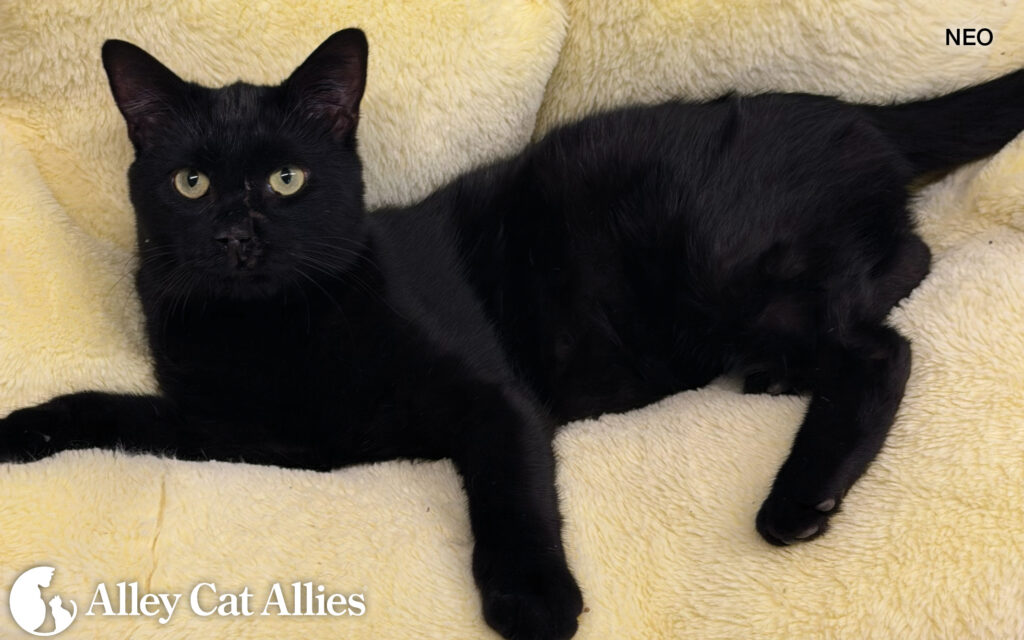
Early in 2026, rescue teams encountered Neo, a black cat bearing the physical evidence of severe environmental trauma. A deep, extensive wound spanned much of his face, particularly across his nose—injuries that would have proven fatal or resulted in chronic, agonizing infection without intervention.
Through the generous support of donors, Neo received advanced surgical repair and comprehensive medical treatment. What distinguishes Neo’s recovery is not merely the physical healing of his wounds, but his psychological resilience. Following his recovery, Neo was integrated into a community of other cats who welcomed him into their shared space. Today, his story stands as a testament to the fact that access to high-quality veterinary care can completely alter a vulnerable animal’s trajectory, replacing pain and isolation with comfort and companionship.
2. Emergency Rescue in Granite Shoals: Saving Neonatal Kittens on a Freezing Texas Day
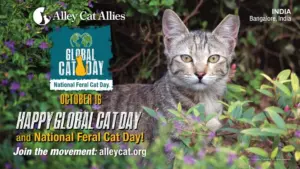
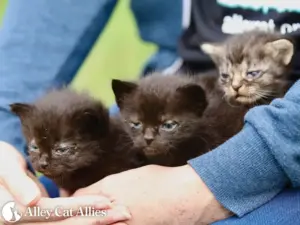
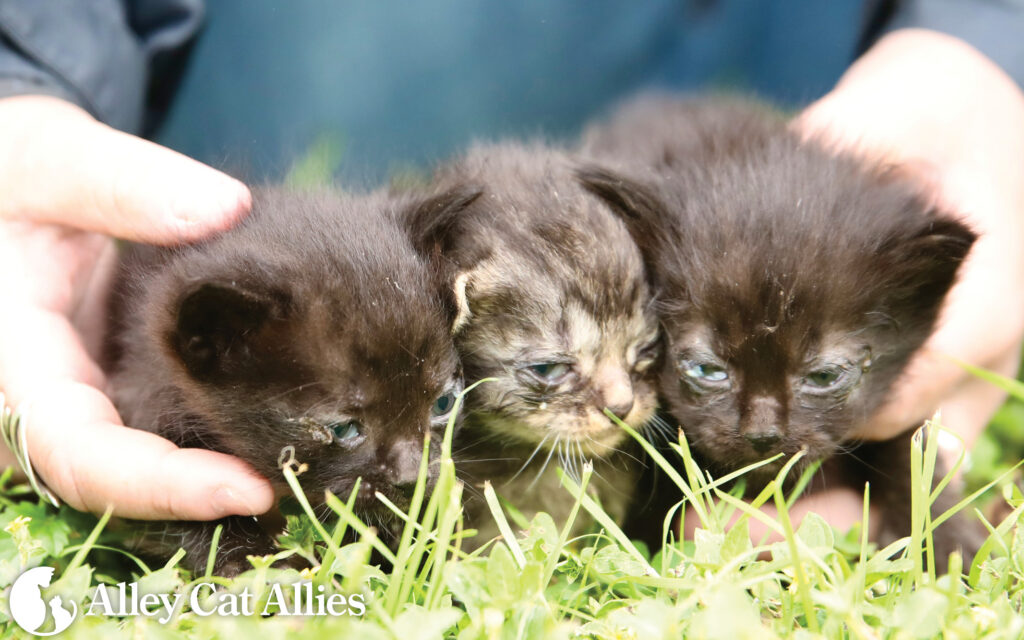
The vulnerability of neonatal kittens was starkly underscored during Alley Cat Allies’ Global Cat Day celebrations on October 16, 2026. While conducting a targeted Trap-Neuter-Return (TNR) field clinic in Granite Shoals, Texas, rescue personnel stumbled upon three tiny kittens—two black and one tabby—at a local property.
The discovery occurred during an unseasonably cold October day in Texas. The kittens were suffering from advanced upper respiratory infections (URIs) and were at immediate risk of hypothermia and mortality. Fortunately, because the field clinic and veterinary resources were stationed just five minutes away as part of the Global Cat Day action plan, response time was minimal.
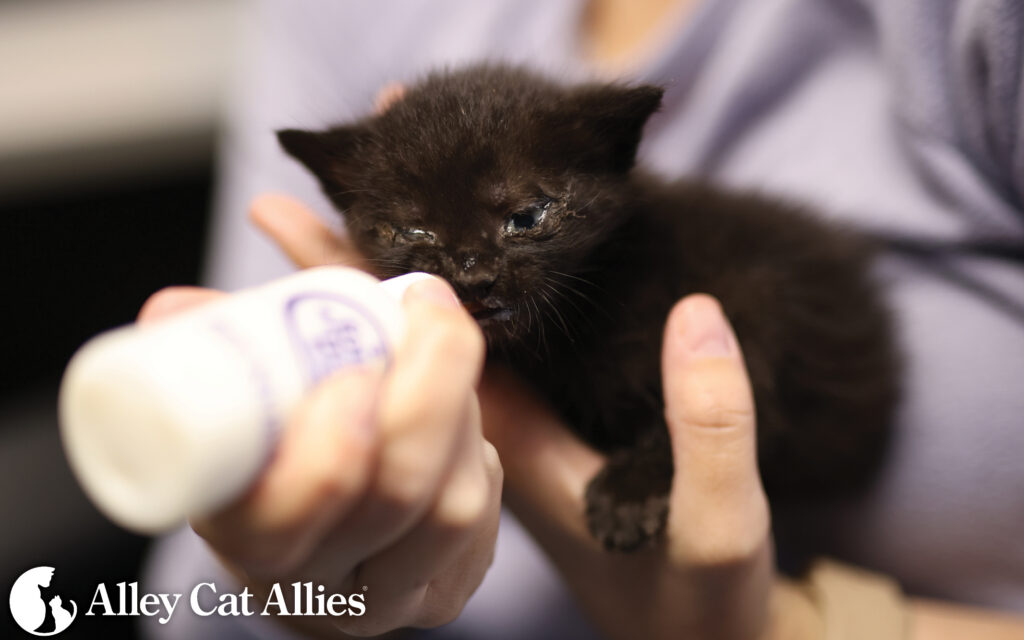
Rescuers immediately retrieved the kittens, administered emergency warming protocols, provided specialized bottle-feeding, and initiated eye evaluations and treatments. All three kittens stabilized rapidly and healed from their URIs. Furthermore, the wet food and supplies brought for the mission were successfully distributed to local caregivers, ensuring that other community cats in the area remained fortified against the seasonal drop in temperature.
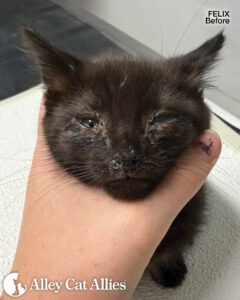
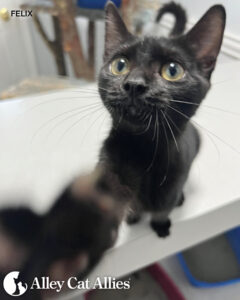
3. Felix’s Transformation: From Vulnerability to Playful Resilience
Few stories capture the essence of community cat rehabilitation quite like that of Felix. When first encountered by rescue workers, Felix was facing severe health deficits, struggling to survive in an unpredictable outdoor environment.
With the backing of supporters—who not only funded his medical care but also chose his fitting moniker, "Felix," meaning happy, fortunate, and lucky—the young cat underwent a complete physical and behavioral transformation. Once fearful and medically fragile, Felix now exhibits a joyful, spirited personality. Field reports note his characteristic habit of playfully batting at camera lenses when caregivers attempt to document his progress. His journey exemplifies how targeted medical intervention unlocks a cat’s natural capacity for joy and interaction.
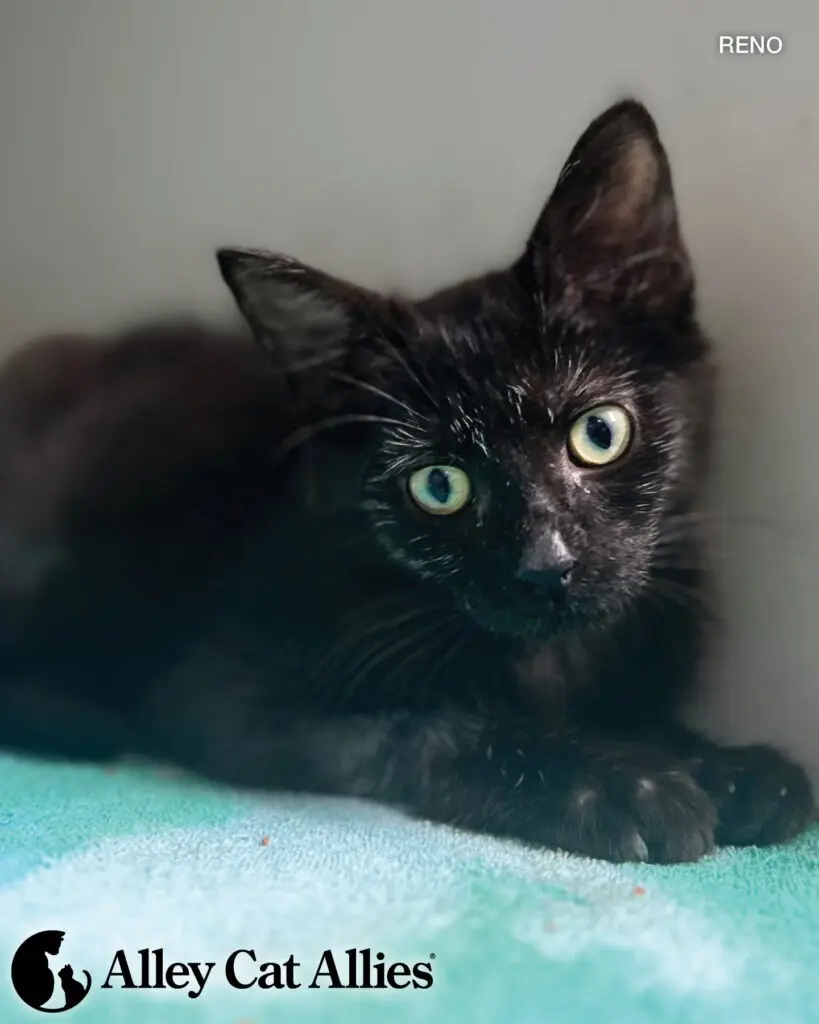
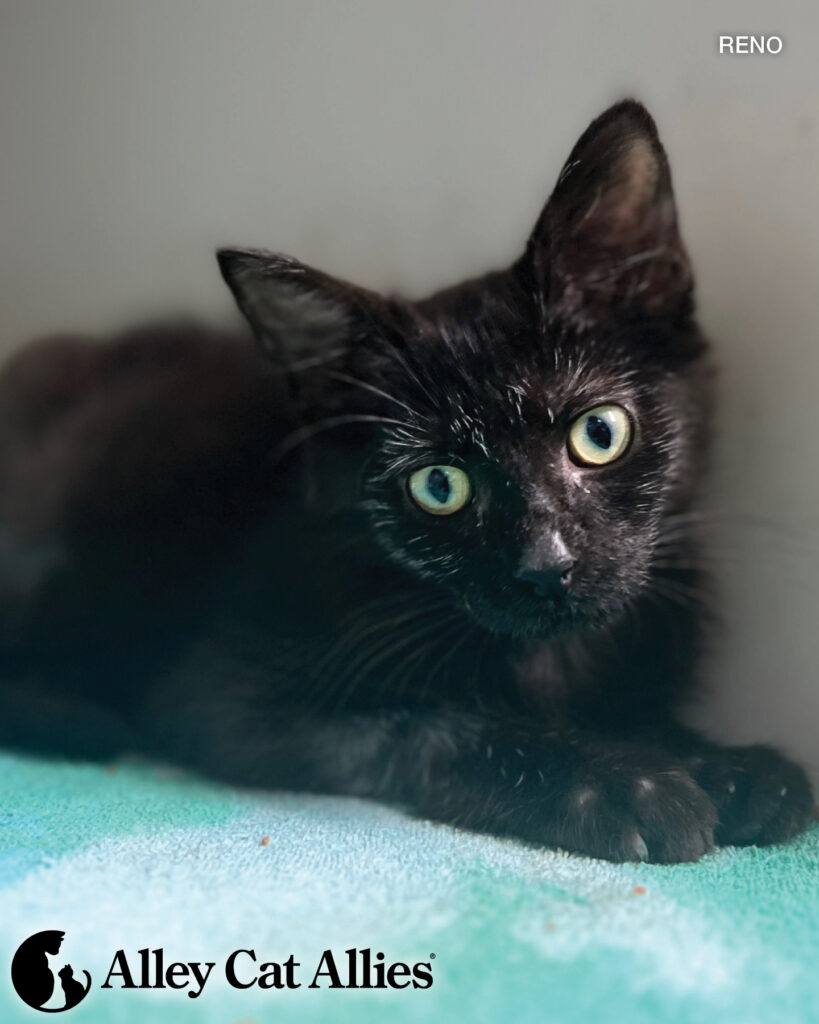
4. Reno’s Journey: From Critical Care Patient to Clinic Greeter
Reno’s entry into the rescue pipeline was marked by a razor-thin margin between life and death. Arriving at the veterinary clinic as a young kitten with a massive, severe infection spanning his lower abdomen and backside, Reno was barely clinging to life. Veterinary staff worked through tense, uncertain hours unsure if he would survive the night.
However, Reno’s fighting spirit matched the dedication of his medical team. Day by day, through rigorous wound management and supportive care, he healed. Today, Reno has transitioned from a critical patient into an unofficial fixture and official greeter at the very veterinary clinic that saved his life. He spends his days conducting rounds, interacting with incoming animals, rubbing against visitors’ legs, and hopping into waiting room laps, bringing levity and comfort to humans and animals alike.
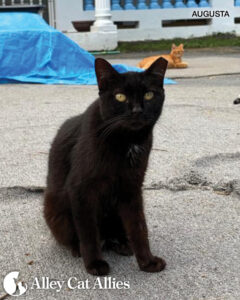
5. Sally and Augusta: Securing Outdoor Freedom in Puerto Rico
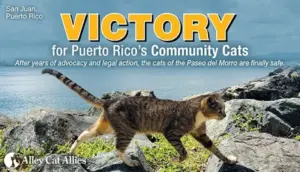
While medical rescue is vital, defending the right of community cats to live safely in their natural outdoor habitats is a core pillar of Alley Cat Allies’ mission. For years, the organization has fought tirelessly in Puerto Rico to protect the community cats of Paseo del Morro from a National Park Service (NPS) proposal centered on removal and lethal control.
Following prolonged negotiations and intensive advocacy, Alley Cat Allies secured a landmark agreement with the NPS in the summer of 2026, successfully removing the threat of lethal removal for the Paseo del Morro feline population. Today, cats like Sally—who enjoys climbing trees and surveying her territory—and Augusta—who prefers cozying up in cardboard boxes for afternoon catnaps—continue to live carefree, protected lives in their natural environment, backed by comprehensive ongoing care provided by Alley Cat Allies.
6. Snowball’s Oncological Victory: Surviving Ocular Trauma and Cancer
Snowball’s case highlights the intersection of trauma care and advanced veterinary oncology. Following severe injury to his eye, Snowball was at high risk for developing Feline Ocular Post-Traumatic Sarcoma, a rare and aggressive form of cancer triggered by historical eye trauma.
To save his life, veterinary specialists performed a complex enucleation (surgical removal of the eye). Post-operative evaluations confirmed that the surgery was an unmitigated success: Snowball not only cleared the oncological threat completely but has also healed flawlessly and gained healthy body weight. While he continues to adapt to his new field of vision, his milestone recoveries and successful integration with other cats serve as a vital clinical reminder: caretakers and veterinarians must closely monitor felines with histories of eye trauma to catch aggressive post-traumatic sarcomas in their earliest, most treatable stages.
7. Sabrina: Celebrating 16 Years of Outdoor Feline Vitality
Challenging preconceived notions about the lifespans of community cats, Sabrina stands as a living legend among outdoor felines. At an astonishing 16 years of age, Sabrina remains spry, healthy, and fiercely independent. Having spent her life thriving in an outdoor home, she possesses zero interest in indoor domestic life, preferring instead to greet human visitors on her own terms. Sabrina’s longevity underscores a foundational tenet of modern animal advocacy: with stable food sources, TNR programs, and basic veterinary oversight, community cats can and do live long, vibrant lives outdoors.
Supporting Context & Metrics: The Scale of Modern Feline Advocacy
The individual stories of Neo, Felix, Reno, Snowball, Sabrina, and others are part of a massive, coordinated national and international movement. Founded in 1990, Alley Cat Allies has grown into an organization backed by over 1.8 million supporters.
The Importance of Black Cats in Welfare Metrics
Despite growing awareness, black cats continue to face systemic challenges within the animal shelter system. Commonly referred to as "Black Cat Syndrome," statistical analyses across shelters nationwide consistently indicate that black cats experience longer average lengths of stay and lower adoption rates compared to cats of other coat colors. These disparities are driven largely by persistent cultural superstitions, historical myths, and difficulties in photographing black cats effectively in low-light shelter environments.
Alley Cat Allies utilizes events like National Black Cat Day to challenge these biases head-on. By funding specialized medical treatments, disseminating educational resources, and highlighting the unique personalities of black cats, the organization works to dismantle the prejudices that threaten their well-being.
Evidence-Based Programs: The Power of TNR
At the core of Alley Cat Allies’ operational strategy is Trap-Neuter-Return (TNR). Unlike outdated, ineffective catch-and-kill policies implemented by some municipalities, TNR is a humane, science-based approach that stabilizes community cat populations, improves individual cat health, and eliminates nuisance behaviors associated with unneutered cats (such as spraying and yowling). The integration of field clinics—such as the operation in Granite Shoals, Texas—demonstrates how mobile, highly responsive veterinary infrastructure can deliver emergency care, vaccinations, and sterilization directly to the communities where they are needed most.
Official Statements and Institutional Perspectives
Leadership within the animal welfare community emphasizes that the successes of 2026 are deeply rooted in collaborative public support and evidence-based policy reform.
"We all have our scars," noted an Alley Cat Allies field representative during the release of Neo’s recovery update. "But a cat’s scars don’t just speak to what they’ve been through; they speak to the power of access to care, and to the compassion and generosity that make it possible. Black cats deserve no less than the protection and love we provide to cats of all coat colors."
Regarding international advocacy and regulatory negotiations, the organization’s legal and policy teams emphasize that wildlife management agencies must transition away from lethal removal strategies. The successful defense of the Paseo del Morro cats in Puerto Rico in partnership with the National Park Service serves as a national benchmark for cooperative, humane wildlife and community cat management.
Furthermore, veterinary oncologists collaborating with rescue networks stress the necessity of proactive medical screening: "If you know a cat has a history of eye trauma, talk with your veterinarian immediately to ensure they are closely monitored for signs of Feline Ocular Post-Traumatic Sarcoma. Catching the signs early, or taking preventative action, makes all the difference between life and death."
Future Outlook
As the animal welfare sector looks toward the remainder of 2026 and into 2027, the roadmap for feline protection is clear, requiring sustained investment in education, veterinary infrastructure, and legislative advocacy.
- Expanding TNR Infrastructure: Scaling up mobile veterinary clinics to reach remote or underserved rural and urban areas, ensuring neonatal kittens and injured adult cats receive rapid, localized triage.
- Combating Superstition Through Education: Intensifying public awareness campaigns around National Black Cat Day and throughout the year to debunk myths regarding black cats, thereby increasing adoption rates and community support.
- Defending Outdoor Access: Building upon the precedent set in Puerto Rico to challenge restrictive, lethal wildlife policies across federal, state, and local park systems, ensuring outdoor community cats retain their right to safe, managed habitats.
- Advancing Veterinary Access: Increasing donor-backed medical funds to ensure that severe trauma cases—such as Neo’s facial wounds, Reno’s infections, and Snowball’s oncological surgeries—never go untreated due to financial constraints.
Through the dedication of 1.8 million supporters and the tireless efforts of field operatives, Alley Cat Allies continues to build a world where every cat—regardless of coat color, age, or background—is valued, protected, and provided with the resources needed to live a long, healthy life.