
By the Editorial Staff
Based on clinical insights and expert commentary by Kendra Freeman, DVM, MS, DACVS (Large and Small Animal)
Executive Overview
In modern veterinary medicine, the relationship between practitioner and pet owner has entered a fundamentally new era. Today’s clients have unprecedented access to a vast, boundless expanse of information. Armed with internet search engines, peer-to-peer social media groups, and increasingly sophisticated artificial intelligence tools, pet owners frequently arrive at veterinary clinics—and specialist consultations—already equipped with a preliminary diagnosis or a list of potential treatment modalities. While an informed clientele can lead to deeper, more engaging discussions, it also introduces a distinct clinical challenge: the proliferation of misinformation, unrealistic expectations, and a profound misunderstanding of surgical intricacies.
For veterinary surgeons, navigating this landscape requires more than technical skill in the operating room. It demands refined communication strategies, thorough physical examinations, and an unwavering commitment to bridging the gap between digital noise and biological reality. From evaluating complex, multi-system orthopedic conditions to managing anesthetic risks and enforcing rigorous postoperative recovery protocols, setting accurate client expectations remains one of the most critical determinants of successful surgical outcomes. This comprehensive report explores the multifaceted responsibilities of veterinary practitioners in diagnosis, surgical planning, anesthesia management, and recovery oversight, highlighting how proactive communication transforms pet owners from anxious observers into active, compliant partners in their animals’ healing processes.
Detailed Chronology: The Lifecycle of a Surgical Case
To understand where client expectations most frequently diverge from clinical reality, it is helpful to trace the chronological progression of a veterinary surgical patient—from initial presentation and digital research to definitive treatment and long-term rehabilitation.
Phase 1: Pre-Consultation Research and the Digital Age
The modern veterinary experience often begins long before a patient crosses the threshold of a primary care clinic or a specialty referral hospital. When a pet exhibits signs of discomfort, lameness, or illness, owners routinely turn to online resources. By the time a primary care veterinarian (PCV) makes a referral to a board-certified surgeon, the client has frequently spent hours scouring forums, reading veterinary blogs, or prompting AI models for insights.
In elective cases, this creates an interim window. While some clients use this time to educate themselves constructively, others absorb incomplete or skewed information. Dr. Kendra Freeman, a dual-certified large and small animal surgeon practicing in Albuquerque, New Mexico, notes that when clients rely on less reliable digital sources, their understanding of a diagnosis and its associated treatment recommendations can become severely skewed. Consequently, the initial consultation must serve as both a medical evaluation and an educational reset, realigning the client’s perspective with the physical evidence presented by the patient.
Phase 2: Diagnostic Nuance and Comprehensive Evaluation
A cornerstone of successful veterinary surgery is accurate diagnosis, yet clinical presentations are rarely textbook. While some surgical indications are straightforward—such as a single, isolated cystolith requiring a routine cystotomy—many common conditions mask underlying complexities.
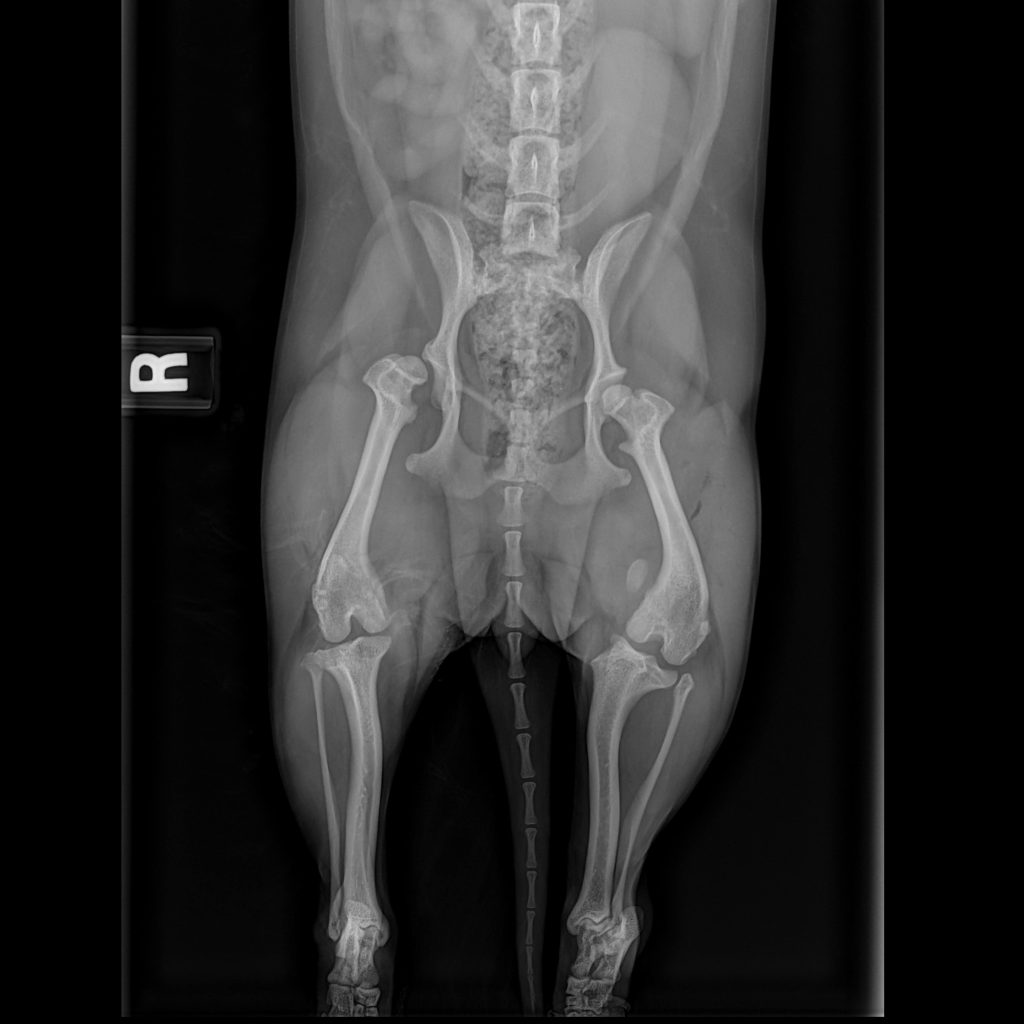
Take, for example, a cranial cruciate ligament (CCL) injury, one of the most prevalent orthopedic conditions evaluated in referral practices. A complete, acute rupture in a young, otherwise healthy dog may present a relatively direct path to diagnosis and surgical intervention. However, partial tears, chronic degenerative changes, and concurrent systemic or orthopedic abnormalities complicate the picture entirely.
Consider two contrasting clinical profiles:
- Patient A: A five-year-old Labrador Retriever presenting with a recent, acute, partial CCL tear and otherwise pristine joint health.
- Patient B: A 10-year-old Labrador Retriever presenting with bilateral chronic cruciate ligament failures, severe muscle atrophy, and advanced radiographic evidence of osteoarthritis.
While both patients share a primary diagnosis of cruciate ligament disease, their prognoses, surgical requirements, and rehabilitation trajectories are worlds apart. Recognizing these concurrent conditions is vital. These are the intricacies and clinical nuances that cannot be condensed into a weekend continuing education course, a wet lab, or a standard lecture. They require a meticulous patient history, a comprehensive physical examination, and an avoidance of diagnostic "tunnel vision."
[Client Digital Research / AI Queries]
              ↓
[Primary Care Vet Initial Assessment & Referral]
              ↓
[Specialist Consultation & Comprehensive Physical Exam]
              ↓
[Diagnostic Stratification: Accounting for Comorbidities & Frailty]
              ↓
[Tailored Surgical Planning & Explicit Risk/Benefit Discussion]
Supporting Context & Metrics: Anesthesia, Frailty, and Recovery
Once a surgical plan is established, practitioners must confront two areas that consistently generate high anxiety among pet owners: general anesthesia and the postoperative recovery timeline.
De-Mystifying Anesthetic Risks and Patient Frailty
General anesthesia remains a primary source of apprehension for pet owners, often fueled by past negative experiences or a pet’s underlying health conditions. Statistically, overall complication rates associated with veterinary anesthesia hover between 10 and 12 percent in dogs and cats, while catastrophic anesthetic-related mortality rates remain low, reported at less than 1 percent. However, these averages shift dramatically when evaluating high-risk populations. Brachycephalic breeds, for instance, experience perianesthetic complications in up to 49 percent of cases due to their compromised upper airway anatomies.
To mitigate these risks, veterinary teams must tailor anesthetic protocols to the individual patient and maintain rigorous perioperative monitoring. Furthermore, clinicians must reframe how they evaluate older patients. Relying solely on chronological age is an outdated clinical habit; "age is not a disease, but a consideration."
Instead, veterinary professionals are increasingly evaluating patient frailty—a physiological state characterized by limited functional reserves and heightened vulnerability to external stressors. Frailty is assessed clinically by examining:
- Activity tolerance and endurance
- Body condition scoring (BCS)
- Overall mobility and gait patterns
- Muscle mass and sarcopenia markers
A geriatric patient that maintains a healthy weight, solid mobility, and minimal organ comorbidities is often an excellent candidate for major orthopedic or soft tissue surgery. Conversely, an older patient exhibiting recent unintentional weight loss, severe muscle wasting, and low baseline energy requires a different conversation with the client. This does not mean the frail patient is barred from surgery; rather, it dictates that the veterinary team must incorporate advanced diagnostics, customized medication regimens, and intensive perioperative supportive care to ensure a successful outcome.
Setting Expectations for Postoperative Recovery
Client communication cannot stop in the operating room; it must extend seamlessly into the recovery phase. Pet owners frequently ask predictable questions regarding immediate postoperative status:
- When will my dog be able to walk unassisted?
- When should I expect their normal appetite to return?
- How many days post-surgery should I expect the first bowel movement?
Addressing these milestones prior to surgery prevents panic during recovery. Furthermore, clinicians must establish hard parameters regarding physical rehabilitation. For instance, following a tibial plateau leveling osteotomy (TPLO), standard protocols often mandate up to eight weeks of strict activity restriction, with controlled leash walks introduced gradually around week two.
Despite thorough discharge paperwork and verbal warnings, non-compliance remains a persistent hurdle. It is not uncommon for a client to call the clinic just 48 hours post-TPLO, joyfully reporting that their dog is acting like a puppy again and asking if they can allow the animal free, unmonitored access to the house and yard. Anticipating these behavioral traps and addressing them during the initial consultation is essential to safeguarding the surgical site.
Official Statements and Clinical Insights
Dr. Kendra Freeman emphasizes that the success of a surgical intervention is inextricably linked to the strength of the veterinarian-client-patient relationship (VCPR). Reflecting on her caseload—which spans advanced orthopedics, general soft tissue surgery, sports medicine, and large-animal lameness—she stresses the importance of transparency when presenting surgical options.
"When a client has researched a diagnosis and/or treatment prior to a consultation, this can allow for a more comprehensive discussion, as the client already has some knowledge about the condition. However, if the client has obtained information from less reliable sources, their understanding of the diagnosis and treatment recommendations may be unrealistic."
— Dr. Kendra Freeman, DVM, MS, DACVS
When presenting surgical options—whether discussing traditional ovariohysterectomy versus ovariectomy and ovarian-sparing spays in general practice, or comparing extracapsular stabilization to TPLO and tibial tuberosity advancement (TTA) in orthopedic cases—veterinarians must provide an unbiased overview of advantages, disadvantages, limitations, cost profiles, and logistical constraints.
Dr. Freeman strongly advises against making assumptions about client preferences:
"I urge everyone not to pass judgment or make assumptions about which surgical option a client will select. I’m often surprised by which clients are interested in a total hip arthroplasty for hip dysplasia and which clients elect femoral head and neck excision. Again, with options reasonably explained, the clients will ultimately make the decision that best fits their family."
Managing Incisional Complications and Compliance
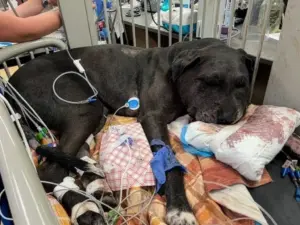
Even the most flawlessly executed surgical procedure can be compromised during the healing phase. Incisional complications remain a primary source of postoperative morbidity and client distress.
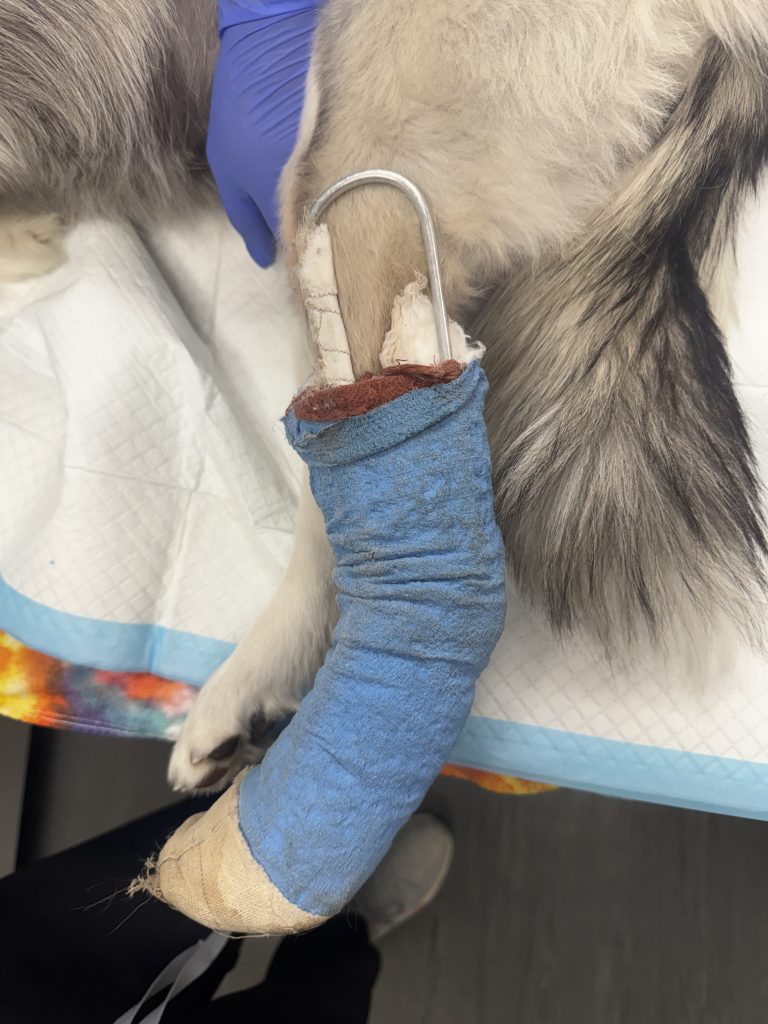
Common Incisional Pathologies
Healing complications typically manifest as:
- Localized inflammation and tissue reactivity
- Surgical site infections (SSI)
- Seroma formation (fluid accumulation beneath the skin)
- Dehiscence (separation of wound edges)
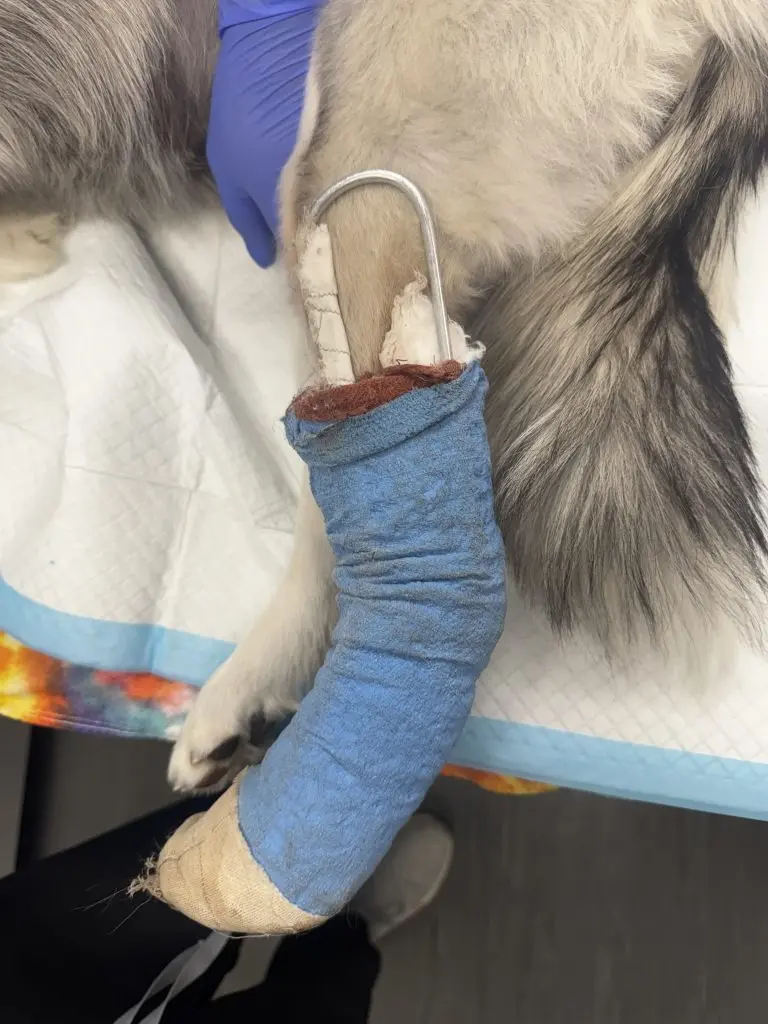
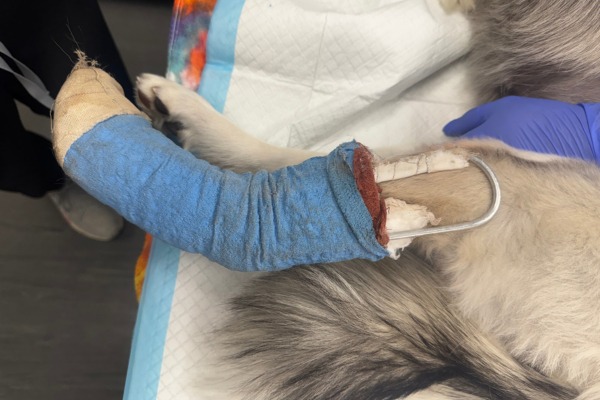
While veterinary surgeons control intraoperative variables—such as incisional placement in healthy tissue, gentle tissue handling, and meticulous suture selection—the client bears significant responsibility for postoperative wound management. Incisions must be actively protected from two primary threats: environmental contamination (requiring bandages or wraps) and self-trauma (licking, chewing, and scratching).
Enhancing Compliance Through Alternative Devices
For decades, the rigid plastic Elizabethan collar (E-collar) has been the gold standard for preventing self-trauma. However, low client and patient compliance has driven the adoption of alternative barrier devices. In modern clinical practice, offering at-home alternatives—such as full-body surgical recovery suits and comfortable inflatable collars—has drastically improved compliance rates. When clients are given options that align with their pet’s comfort and temperament, they are far more likely to maintain uninterrupted barrier protection throughout the entire healing window.
Future Outlook: The Evolving Role of the Veterinary Surgeon
As veterinary medicine continues to evolve alongside digital technology, artificial intelligence, and advanced surgical modalities, the role of the practitioner is shifting from a mere provider of medical services to a trusted curator of health information.
Looking forward, the integration of digital tools into veterinary practices will likely expand. AI-driven diagnostic assistants and client communication apps will become standard across primary and specialty care. While these technologies will continue to empower pet owners with rapid access to medical data, they also threaten to amplify misinformation if not properly contextualized by licensed professionals.
To maintain clinical integrity and optimize patient outcomes, the veterinary community must embrace proactive communication strategies. By setting aside dedicated time for thorough physical examinations, transparently reviewing diagnostic findings, and addressing client inquiries with patience and authority, practitioners can build enduring trust. Ultimately, when veterinary teams and well-informed clients share a unified understanding of diagnoses, surgical options, anesthetic protocols, and recovery constraints, the result is a collaborative healthcare environment where pets receive the highest standard of care and achieve the best possible long-term outcomes.
References & Further Reading
- Brodbelt, D. C., et al. (2008). The Risk of Death: The Confidential Enquiry into Perioperative Small Animal Fatalities (CEPSAF). Veterinary Anaesthesia and Analgesia, 35(5), 365-373.
- O’Neill, D. G., et al. (2015). Unlocking the role of breed in veterinary science: Brachycephalic health and anesthetic considerations. Canine Medicine and Genetics, 2(3), 1-12.
- Withrow, S. J., Vail, D. M., & Page, R. L. (2019). Withrow & MacEwen’s Small Animal Clinical Oncology (6th ed.). Elsevier.