
Executive Overview
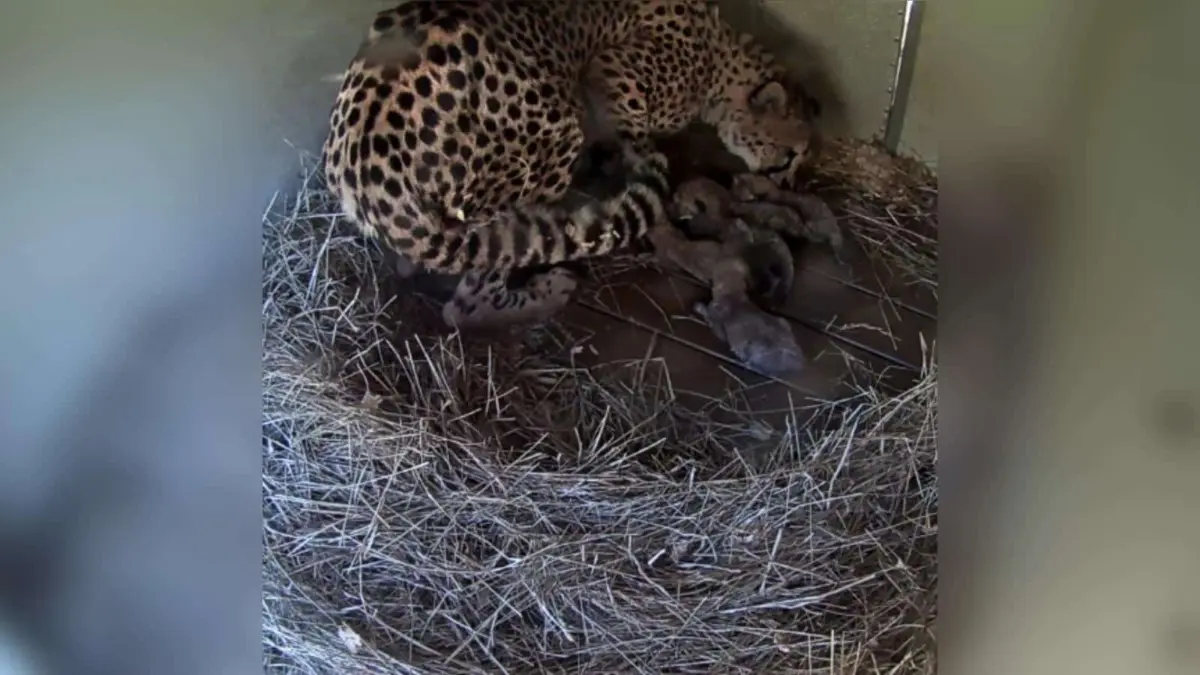
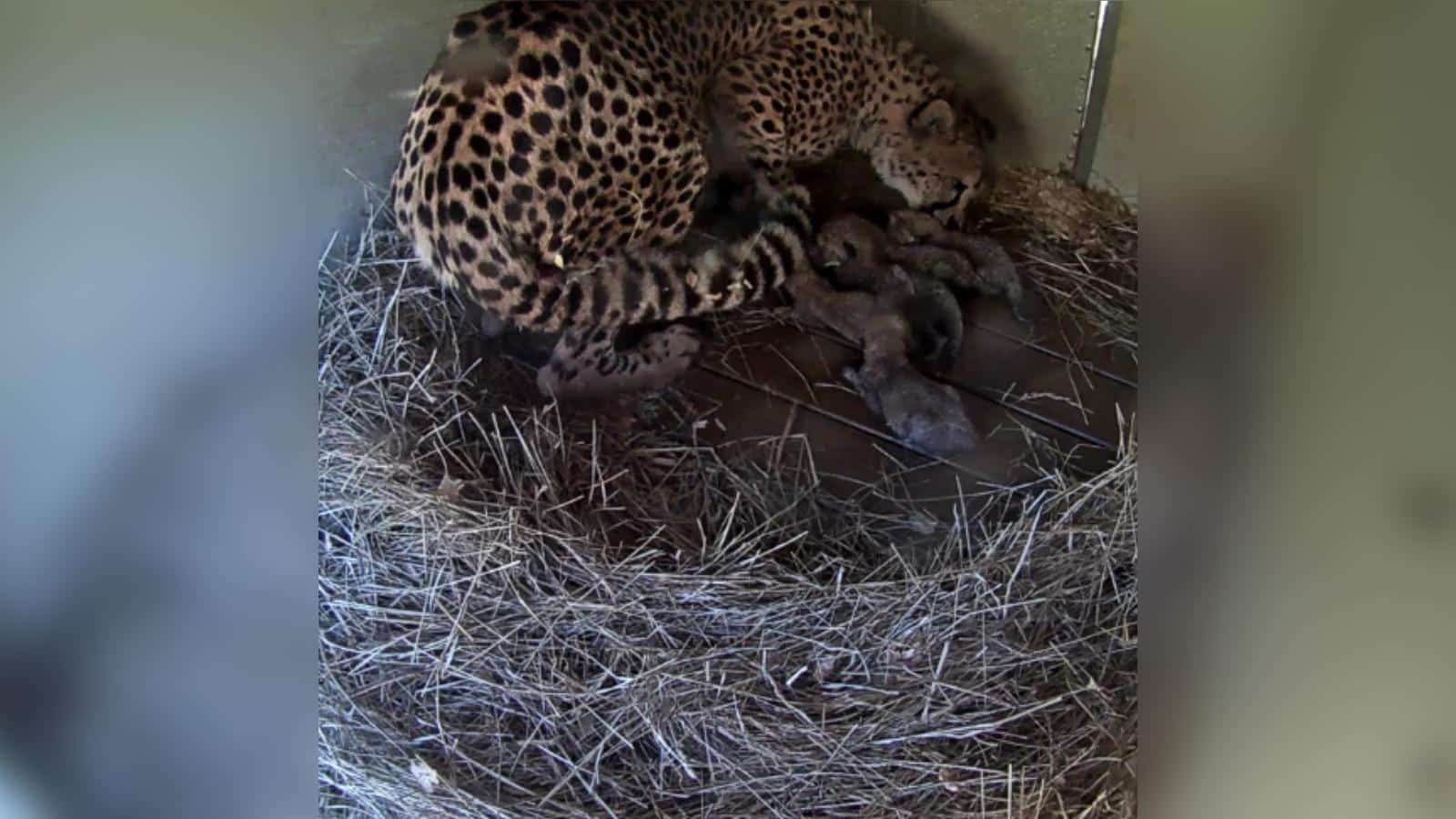
In the quiet, secure confines of a private maternity den at the Smithsonian Conservation Biology Institute (SCBI) in Front Royal, Virginia, a fragile and magnificent milestone of wildlife conservation has quietly unfolded. On October 5, 2026, a five-year-old cheetah named Zura gave birth to a litter of five healthy cubs. This new generation not only represents a triumph for captive-breeding methodologies but also anchors an extraordinary biological achievement: the SCBI currently houses four living generations of the same cheetah family line.
While millions of wildlife enthusiasts worldwide marvel at the species for its unrivaled sprinting capabilities across the open plains of Africa, the reality facing the world’s fastest land mammal is grim. With fewer than 7,000 individuals estimated to remain in their natural habitats, the cheetah (Acinonyx jubatus) is classified as vulnerable to extinction. Habitat fragmentation, human-wildlife conflict, climate change, and dwindling prey have compressed the species into a mere 9% of its historical range.
Compounding these environmental threats are inherent reproductive challenges within the species itself—most notably a severe lack of genetic diversity and notoriously low captive breeding success rates. Against this high-stakes backdrop, the arrival of Zura’s quintuplets provides a much-needed beacon of hope. Thanks to the institute’s specialized "Cheetah Cub Cam," animal lovers, researchers, and conservationists around the globe are granted an unprecedented, non-invasive window into the earliest, most critical days of these cubs’ lives. This initiative balances public engagement with cutting-edge animal husbandry, ensuring that Zura and her babies receive the undisturbed sanctuary they need to thrive.
Detailed Chronology: The First Days of Life
The story of Zura’s litter began long before their October 5 debut, rooted deeply in the meticulous, multi-generational breeding strategies managed by the animal care team at SCBI. Zura herself was born at the facility, making her part of an established lineage that has adapted successfully to the specialized environment of the Front Royal campus.
The Birth and Immediate Postnatal Period
When Zura went into labor on October 5, 2026, the SCBI carnivore care team maintained a respectful, hands-off approach. In the wild, cheetah mothers must leave their newborns hidden in dense vegetation while they hunt, exposing the vulnerable cubs to predators. In a managed care setting, the primary objective is to replicate the psychological security of a hidden den while eliminating external threats.
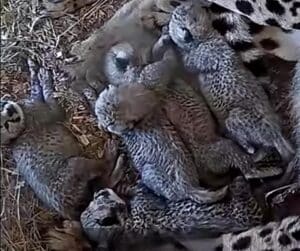
Within the first 24 to 48 hours, the quintuplets spent their time huddled against their mother, nursing and regulating their body temperatures. Newborn cheetah cubs are born with a thick, woolly coat of hair along their backs known as a "mantle." Evolutionary biologists believe this mantle acts as camouflage, mimicking the appearance of a honey badger—a notoriously fierce animal that potential predators prefer to avoid—while also protecting the cubs from harsh sun and rain in the wild.
The Milestones of Infancy
As the weeks have progressed, the daily routine inside the private den has evolved rapidly:
- Weeks 1–2: The cubs’ eyes remain closed during their earliest days. Their existence is defined entirely by nursing, sleeping, and quiet vocalizations (such as purring and high-pitched chirps) used to maintain contact with Zura.
- Weeks 3–4: Eyes begin to open, and the cubs transition from uncoordinated crawling to stumbling steps. Motor skills improve noticeably as they begin to interact with one another, initiating the early stages of social play.
- Weeks 5 and Beyond: The cubs start exploring the boundaries of the den, practicing clumsy pounces, gentle grooming behaviors, and vocal sparring that will eventually translate into essential survival skills.
Throughout these developmental phases, the Cheetah Cub Cam has served as an essential operational tool. By monitoring the animals remotely, animal care specialists can observe critical maternal behaviors—such as nursing frequency, grooming attentiveness, and resting postures—without introducing the stress of human scent or physical presence into the den.
Supporting Context & Metrics: The Crisis Facing the Cheetah
To fully understand the significance of Zura’s litter, one must examine the broader ecological and physiological pressures facing cheetah populations globally and within managed breeding programs.
The Wild Status: A Shrinking Kingdom
Cheetahs are among the most imperiled big cat species in Africa, with historically small populations also lingering in the remnants of an Asiatic cheetah subspecies in Iran. Current estimates place the total wild population at fewer than 7,000 mature individuals. Their rapid decline is driven by several compounding factors:
- Habitat Loss & Fragmentation: Agricultural expansion and infrastructure development have partitioned ecosystems, isolating cheetah populations and preventing genetic exchange.
- Human-Wildlife Conflict: Farmers frequently shoot or trap cheetahs to protect livestock, viewing the predators as an existential threat to their livelihoods.
- Prey Depletion: Overhunting and habitat degradation reduce the availability of natural ungulate prey, forcing cheetahs to look elsewhere for food.
The Genetic Bottleneck
Compounding these external pressures is an internal biological hurdle. Thousands of years ago, cheetahs survived a severe population bottleneck—likely an Ice Age event—that drastically reduced their numbers and resulted in extreme inbreeding. Today, cheetahs exhibit remarkably low genetic diversity; skin grafts can often be successfully transplanted between unrelated cheetahs because their immune systems fail to recognize the tissue as foreign.
This genetic uniformity manifests in physiological challenges, including:
- High rates of abnormal sperm morphology in males.
- Increased susceptibility to infectious diseases due to compromised immune functions.
- Low overall reproductive efficiency in both wild and captive settings.
The Role of Managed Breeding Coalitions
Because natural breeding is fraught with failure, institutional collaboration is vital. SCBI is a core participant in the Cheetah Breeding Coalition, an alliance of ten accredited facilities across the United States dedicated to sustaining a healthy, genetically diverse, and demographically stable North American cheetah population.
Statistically, breeding cheetahs in human care is notoriously difficult; historical data indicates that only about half of all breeding introductions result in successful pregnancies. Furthermore, infant mortality rates in the wild can exceed 70% due to predation and environmental exposure. In contrast, facilities like SCBI leverage advanced veterinary medicine, nutritional science, and behavioral monitoring to maximize cub survival rates, transforming every successful litter into a vital demographic injection for the species.
Official Statements and Expert Insights
The arrival of the four-generation family lineage at SCBI has drawn praise from leading conservation scientists and animal welfare experts who view the milestone as a testament to decades of refined husbandry techniques.
Adrienne Crosier, the carnivore curator at the Smithsonian Conservation Biology Institute, emphasized the profound significance of the birth during a press statement highlighting the facility’s long-term conservation goals.
"Having four generations of the same cheetah family living here at the institute is an extraordinary reflection of the dedication, expertise, and high level of care provided by our entire animal care team," Crosier noted. "Each successful birth, particularly from lineage lines we have studied and nurtured for decades, deepens our understanding of cheetah biology and gives us renewed optimism for the future of the species."
Crosier and her colleagues have long advocated for the integration of behavioral research with reproductive physiology. By studying how lineage, environmental enrichment, and low-stress management practices impact fertility, researchers are steadily dismantling the barriers that have historically stymied captive cheetah reproduction.
Furthermore, ongoing scientific inquiries at institutions like SCBI are exploring complex physiological frontiers, such as the relationship between the gut microbiome and reproductive health, sperm quality, and infant survival. Insights gained from these studies not only benefit cats within the Cheetah Breeding Coalition but also offer potential frameworks for assisting wild populations facing rapid environmental degradation.
Future Outlook: The Road Ahead for Zura’s Litter
As the five tiny cubs grow stronger by the day inside their Front Royal den, their immediate future remains blissfully uncomplicated. Their world is defined by the warmth of their mother, the comfort of the den, and the instinctive drive to nurse and play. However, their long-term trajectory carries weight that extends far beyond the borders of Virginia.
Transitioning to Independence
In the coming months, as the cubs reach developmental milestones such as weaning and transitioning to a solid meat diet, the animal care team will gradually introduce them to larger outdoor yards. Here, they will begin the transition from the private maternity den to spaces where they can build muscle, test their burgeoning speed, and learn the complex social dynamics of being a cheetah.
While cheetahs at the Smithsonian’s National Zoo in Washington, D.C., are frequently ambassadors for the species viewed by millions of public visitors, the Front Royal facility will continue to function primarily as a specialized breeding and research sanctuary. This distinction ensures that animals like Zura and her offspring experience minimal disruption, maintaining the calm behavioral baseline essential for successful reproduction.
The Broader Conservation Mission
Ultimately, the survival of the cheetah relies on a dual strategy: protecting wild habitats and maintaining a robust, genetically healthy "insurance population" in managed care. While captive breeding cannot replace lost ecosystems, it provides a critical safety net against extinction while generating invaluable scientific data that can inform anti-poaching, habitat restoration, and wildlife management policies in Africa.
For now, the global audience watching via the Smithsonian’s Cheetah Cub Cam is treated to a rare, intimate look at the quiet foundations of a species fighting for its future. Through every clumsy pounce, shared grooming session, and sleepy huddle, Zura’s five cubs are writing the next chapter in a multi-generational conservation success story—reminding the world of what is worth saving.