
MANILA, Philippines — In a decisive strategic pivot aimed at bolstering national food security and insulating the domestic economy from volatile global supply chains, the Philippine Department of Agriculture (DA) has initiated a vigorous push for expanded legislative and financial backing.
At the center of this agricultural overhaul is a concerted effort to scale up domestic palm oil production. Currently, the Philippines imports a staggering 90% of its palm oil requirements to satisfy heavy demand across the food manufacturing, consumer goods, and industrial sectors.
Agriculture Secretary Francisco P. Tiu Laurel Jr., speaking during recent congressional budget hearings, underscored the urgency of transforming the country’s palm oil sector from an import-dependent market into a thriving domestic powerhouse. To achieve this, the DA is aggressively pursuing immediate capital infusions, multi-year financial commitments, structural reforms within regulatory bodies, and high-level executive backing for a dedicated Palm Oil Bill.
This comprehensive report examines the economic rationale, institutional hurdles, financial strategies, and long-term outlook surrounding the Philippines’ ambitious campaign to conquer its palm oil deficit.
Executive Overview
The Philippine agricultural landscape stands at a critical crossroads. For decades, the nation has relied heavily on international imports to meet domestic demands for vegetable oils, leaving its manufacturing and consumer goods sectors vulnerable to external price shocks, geopolitical tensions, and global supply chain disruptions. Palm oil—ubiquitous in everything from cooking oils and processed foods to soaps, cosmetics, and industrial lubricants—represents one of the nation’s most glaring supply vulnerabilities.
Recognizing that local farmers have already proven the crop’s profitability and that a robust, ready-made domestic market exists, the DA is championing a nationwide expansion roadmap. The initiative aims to harness underutilized lands, stimulate rural economies, and generate sustainable agricultural employment.
However, realizing this vision requires unprecedented capital commitment. The DA is requesting at least PHP 300 million (approximately US$4.8 million) in stopgap funding for 2027, alongside a monumental, five-year funding commitment of up to PHP 1 billion (US$15.94 million) annually. By pairing these fiscal measures with administrative restructuring—specifically within the Philippine Coconut Authority (PCA)—and pushing for the swift passage of the Palm Oil Bill, the Marcos administration hopes to lay the legal and operational groundwork for long-term agricultural sovereignty.
Detailed Chronology: How the Palm Oil Push Gained Momentum
The momentum behind the DA’s renewed focus on palm oil development did not happen overnight; rather, it is the culmination of mounting macroeconomic pressures and post-pandemic supply chain realizations.
1. The Realization of Supply Vulnerabilities
In the wake of successive global crises—including pandemic-era shipping bottlenecks, geopolitical conflicts affecting agricultural commodity exports, and regional weather anomalies—policymakers in Manila increasingly turned their attention to import substitution. While staples like rice and corn received primary policy attention, industrial inputs such as palm oil quietly drained billions of pesos in foreign exchange reserves. Internal assessments within the DA revealed that nearly 90% of the palm oil consumed in the country was sourced from abroad, predominantly from neighboring Southeast Asian powerhouses like Malaysia and Indonesia.
2. Congressional Budget Hearings and the 2027 Funding Request
The strategic shift crystalized during recent national budget deliberations. Agriculture Secretary Francisco P. Tiu Laurel Jr. openly addressed the glaring discrepancy between domestic consumption and local production capacity. Noting that the urgency of the situation had only fully crystallized in recent months—explaining why the initiative was not initially scaled within the National Expenditure Program—Tiu Laurel formally requested an initial allocation of PHP 300 million for the 2027 fiscal year specifically earmarked for palm oil development.
3. Formulation of the Five-Year Strategic Roadmap
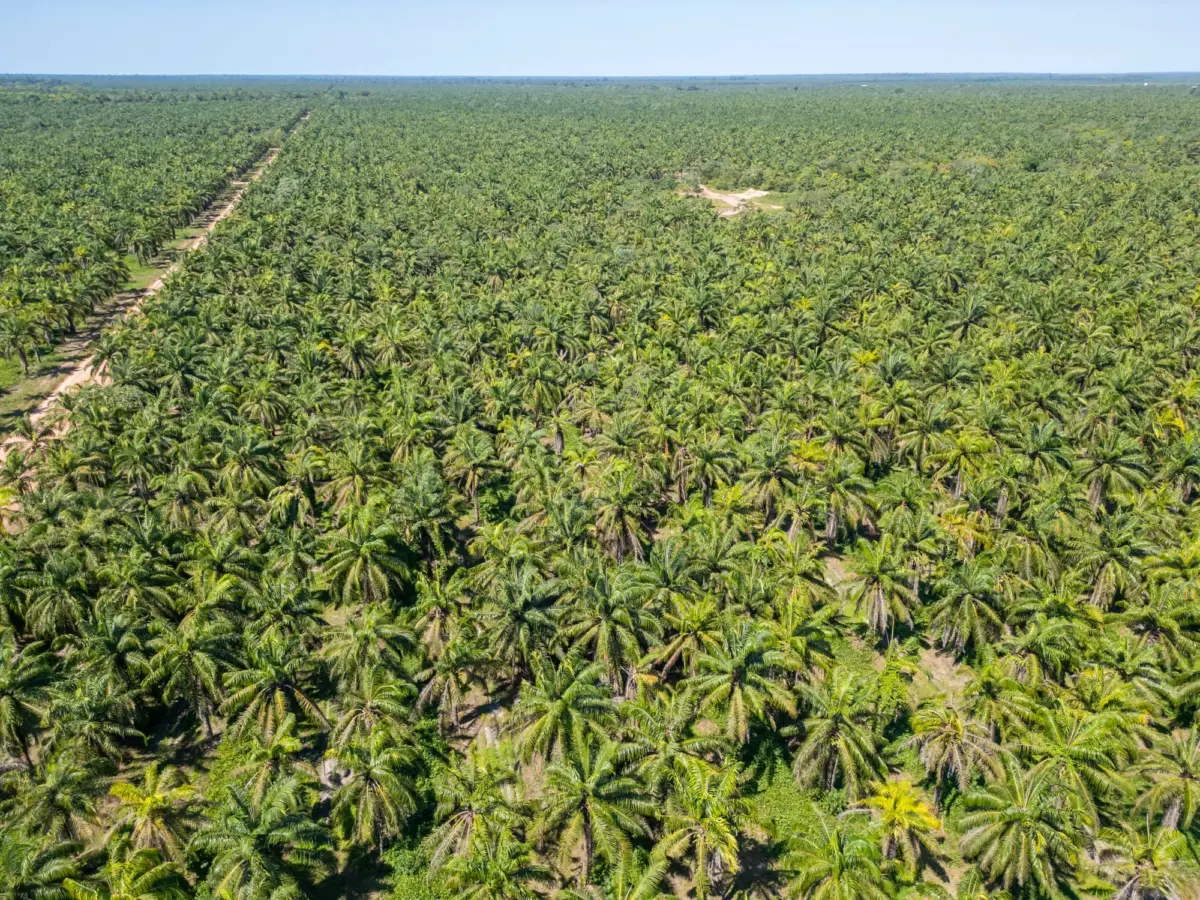
Building upon the immediate budgetary request, the DA leadership formulated a more aggressive, long-term capital framework. Recognizing that perennial tree crops like oil palm require consistent, multi-year investment before reaching optimal commercial yields, Tiu Laurel proposed a statutory funding commitment of up to PHP 1 billion annually for five consecutive years. This financial backing anchors a broader DA roadmap designed to map, develop, and integrate up to 300,000 hectares of sustainable palm oil plantations nationwide.
4. Institutional Reform and Legislative Push
As funding discussions progressed, the DA recognized that existing bureaucratic structures were ill-equipped to handle a massive expansion of the palm oil sector. The department began drafting institutional reforms, proposing that the Philippine Coconut Authority (PCA) expand its mandate to officially encompass palm oil.
Furthermore, to cement these changes into law, the DA announced its intention to formally recommend that President Ferdinand R. Marcos Jr. certify the proposed Palm Oil Bill as an urgent legislative priority, clearing a fast-track pathway through Congress.
Supporting Context & Metrics: The Economics of Philippine Palm Oil
To fully appreciate the gravity of the DA’s proposals, one must examine the baseline metrics and structural dynamics governing the Philippine vegetable oil market.
Import Dependency and Market Dynamics
- 90% Import Reliance: The Philippines currently imports the vast majority of its palm oil. This leaves local food processors and industrial manufacturers entirely at the mercy of international pricing benchmarks set by major global exporters.
- Widespread Industrial Application: Palm oil is not merely a cooking medium; it is a foundational ingredient in the country’s manufacturing base. It is utilized heavily in instant noodles, margarine, confectionery items, detergents, personal care products, and increasingly as a feedstock for bio-energy initiatives.
- Established Domestic Market: Unlike nascent agricultural sectors that require expensive market-creation campaigns, palm oil enjoys an immediate, voracious domestic market. Processors are eager to secure stable, locally produced feedstock to lower logistics costs and hedge against foreign exchange fluctuations.
Land Expansion Targets and Milestones
- The 300,000-Hectare Roadmap: The DA’s comprehensive master plan envisions an ultimate footprint of up to 300,000 hectares of dedicated palm oil plantations distributed across suitable agro-climatic zones nationwide, particularly in regions like Mindanao and parts of Palawan.
- The 2028 Milestone: Department planners have set an interim target of bringing 100,000 hectares under productive palm oil cultivation by 2028. Achieving this milestone requires synchronized coordination between national agencies, local government units (LGUs), and private investor syndicates.
Official Statements and Policy Directures
The policy direction of the DA has been articulated clearly by its leadership, emphasizing profitability, inter-agency collaboration, and administrative pragmatism.
Agriculture Secretary Francisco P. Tiu Laurel Jr. on Industry Viability
Secretary Tiu Laurel has repeatedly stressed that government intervention in the palm oil sector is not an attempt to prop up a failing market, but rather an investment in an already proven, highly profitable enterprise:
"Definitely, palm oil is an industry that needs support from both the national government and local government units (LGUs) where palm oil industries and stakeholders are located, because our palm oil producers and farmers are profitable and there is already a market for their products."
Highlighting the delayed realization of the sector’s immense potential within the national budget framework, Tiu Laurel noted that the urgency to scale support became glaringly apparent only in recent months, prompting proactive budget adjustments and multi-year planning.
Structural Overhaul of the Philippine Coconut Authority (PCA)
Recognizing that administrative fragmentation can derail agricultural initiatives, Secretary Tiu Laurel outlined a structural reorganization plan. Rather than creating an entirely new bureaucracy from scratch, the DA plans to leverage the institutional framework of the Philippine Coconut Authority (PCA), expanding its purview to oversee the sister oilseed industry:
"What is important is that we can build an agency or organise the PCA not just as a coconut authority, but to have a deputy administrator specifically for palm oil and coconut so they have their own teams."
This specialized dual-track structure aims to ensure that palm oil development receives dedicated technical expertise, research and development support, and extension services without diluting the historic focus on the coconut industry.
Presidential Intervention and Legislative Urgency
To ensure that policy intentions translate into binding legal frameworks, the DA is taking legislative matters directly to Malacañang. The department plans to officially request that President Ferdinand R. Marcos Jr. certify the Palm Oil Bill as urgent. Such certification would bypass standard legislative bottlenecks, allowing both houses of Congress to fast-track the bill’s passage and establish a permanent, secure statutory framework for sector financing, land tenure security, and environmental compliance guidelines.
Future Outlook: Challenges, Opportunities, and Sustainability
As the Philippines embarks on this ambitious journey to reclaim its agricultural independence in vegetable oils, the road ahead presents both extraordinary opportunities and complex challenges.
Rural Economic Transformation
The successful expansion of palm oil cultivation to 300,000 hectares holds transformative potential for rural economies, particularly in regions with high agricultural potential but lagging industrial infrastructure. Smallholder farmers integrated into the palm oil value chain can secure reliable, year-round incomes through outgrower schemes partnered with commercial milling operations. This grassroots economic activity directly aligns with broader national poverty reduction and countryside development goals.
Overcoming Environmental and Land-Use Hurdles
While the economic benefits are clear, modern agricultural expansion—particularly involving palm oil—must navigate strict environmental scrutiny. Global markets and domestic environmental groups closely monitor land-use conversions to ensure that plantation expansion does not occur at the expense of primary forests, high-biodiversity areas, or indigenous ancestral domains.
The DA’s roadmap must incorporate rigorous sustainability standards, promoting the rehabilitation of degraded or underutilized agricultural lands rather than incentivizing deforestation. Adhering to international certification standards, such as the Roundtable on Sustainable Palm Oil (RSPO) or equivalent national benchmarks, will be essential should the Philippines eventually pivot from import substitution to regional exporting.
Beyond Food: Industrial and Energy Horizons
While the immediate strategic focus of the DA remains strictly anchored in import substitution—securing adequate supplies for local food manufacturing and consumer goods—Secretary Tiu Laurel has hinted at broader horizons. Increased domestic palm oil yields could eventually serve as a multi-functional industrial feedstock, powering expanded oleochemical industries and feeding into national renewable energy frameworks, including cleaner biofuels and green transport initiatives.
Conclusion
The Philippines Department of Agriculture’s aggressive push for palm oil funding represents a vital step toward genuine economic resilience and agricultural self-sufficiency. By requesting immediate stopgap allocations of PHP 300 million for 2027, advocating for a five-year PHP 1 billion annual commitment, restructuring the PCA, and seeking urgent presidential backing for the Palm Oil Bill, the government is demonstrating a serious commitment to closing the 90% import gap.
If executed with careful attention to smallholder empowerment, environmental sustainability, and institutional efficiency, the national palm oil roadmap could fundamentally reshape the Philippine agricultural economy, turning a historical vulnerability into a pillar of long-term prosperity.