
Executive Overview
WISCONSIN — At a critical crossroads for North America’s disappearing ecosystems, the National Audubon Society has officially certified seven Wisconsin farms and ranches as Audubon Certified Bird-Friendly Land. This distinction, earned through Audubon’s flagship Conservation Ranching program, represents a vital bridge between modern agricultural productivity and wildlife conservation.
The newly certified operations—Bouressa Family Farm (New London), Prairie Pastured Beef (Rudolph), Kerstiens Family Farm (Stitzer), Kieckhoefer Family Farm (New Richmond), Willow Creek Ranch (Coon Valley), Riemer Family Farm (Brodhead), and Sedge Wood Farms (Cornell)—join a burgeoning national network. Together, these producers are proving that working lands can simultaneously sustain rural economies and reverse catastrophic declines in grassland bird populations.
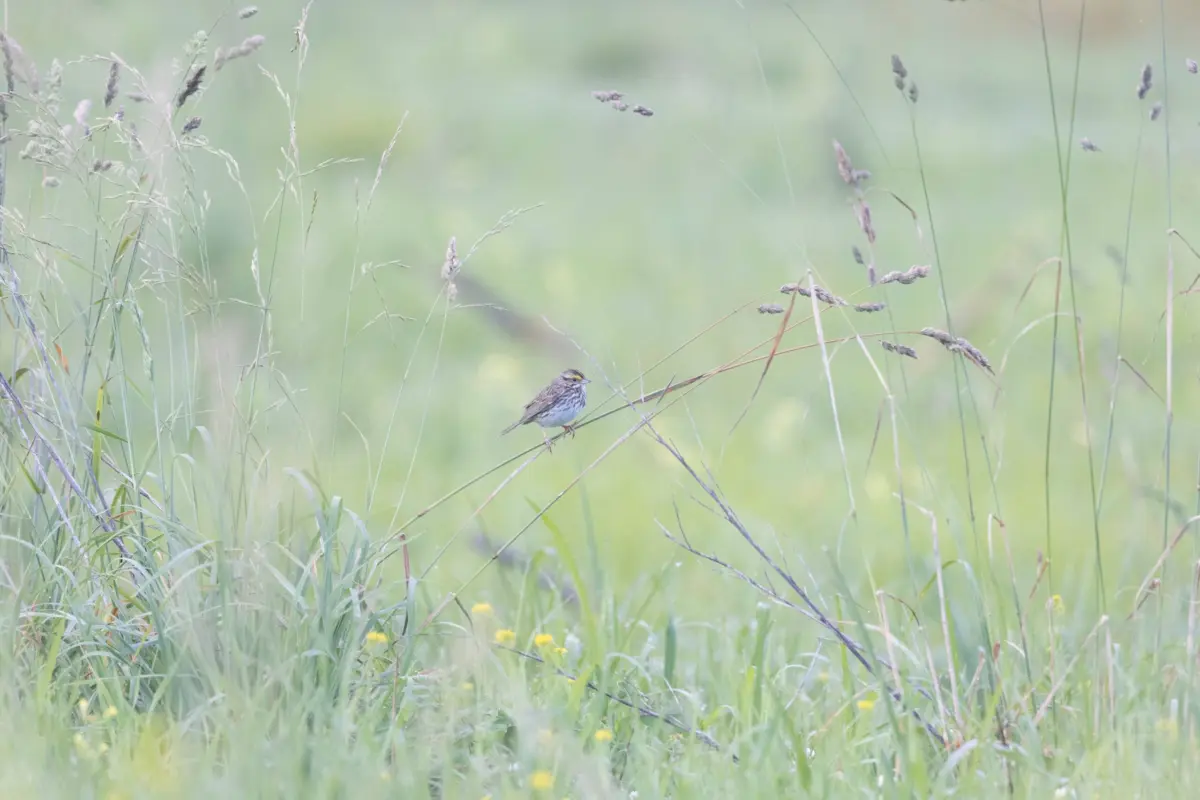
North America’s grassland birds have faced steeper population drops than any other terrestrial bird group since 1970, driven primarily by intensive habitat loss, agricultural fragmentation, and ecological degradation. By implementing customized Habitat Management Plans and undergoing rigorous third-party audits, these seven Wisconsin producers are managing their lands to rebuild biodiversity. Beyond the farm gate, the program offers a tangible market connection: qualifying beef products can now bear the Audubon Certified Bird-Friendly Land seal, empowering everyday consumers to support regenerative agriculture with their grocery purchases.
Detailed Chronology: From Pilot Launch to Statewide Milestone
The road to this statewide milestone began in earnest with Audubon’s formal launch of the Conservation Ranching program in Wisconsin in 2024. For years, conservationists recognized the urgency of halting grassland degradation, but finding a scalable, economically viable model for private landowners proved challenging. The Audubon initiative bypassed traditional top-down regulatory approaches in favor of a producer-led, science-backed framework.
The Phased Evolution of Wisconsin’s Bird-Friendly Landscapes
- The 2024 Inception: Audubon officially introduced its Conservation Ranching initiative to Wisconsin, initiating dialogues with progressive livestock producers, pasture managers, and conservation organizations across the state’s diverse agricultural zones.
- The Diagnostic Phase (2024–2025): Prospective farms underwent rigorous ecological baselines. Audubon ecologists partnered with landowners to conduct exhaustive bird surveys, soil health assessments, and hydrological reviews.
- Implementation and Adaptive Management (2025–2026): Selected ranches developed tailored Habitat Management Plans. This period involved shifting traditional grazing schemes toward intensive rotational systems, managing woody plant encroachment, and implementing targeted practices like bird-friendly haying and prescribed fire.
- The Third-Party Audit (Mid-2026): Operations seeking certification submitted to independent, third-party audits evaluating animal health, environmental sustainability, and habitat criteria.
- The August 19, 2026 Recognition: Audubon formally announced the certification of seven foundational Wisconsin operations, securing millions of acres of cooperative stewardship nationwide and establishing Wisconsin as a vital hub for the national conservation ranching movement.
Supporting Context & Metrics: The Crisis and the Solution
The Scale of the Decline
The ecological necessity of this program cannot be overstated. Since 1970, North America has lost nearly 3 billion birds, with grassland species bearing the brunt of the crisis. Habitat conversion to row-crop agriculture, urban sprawl, and the suppression of natural ecological disturbances—such as fire and grazing by native megafauna—have left grasslands fragmented and degraded.
National and Statewide Footprint
- National Reach: Today, 157 Audubon Certified Bird-Friendly farms and ranches are actively managing 4.5 million acres across the United States.
- The Core Mechanism: Rotational grazing serves as the cornerstone of the management model. By mimicking the historic movements of bison herds, livestock are used to create a "mosaic" of habitat structures—interspersing short, grazed vegetation with tall, undisturbed patches. This diversity meets the complex lifecycle needs of ground-nesting birds, which require varying heights of cover for nesting, foraging, and evading predators.
- Comprehensive Toolkits: In addition to rotational grazing, participating farms utilize specialized techniques, including:
- Bird-friendly haying schedules that avoid peak nesting seasons.
- Mechanical and chemical management of woody vegetation encroachment (such as eastern red cedar).
- Prescribed burns to stimulate native warm-season grasses.
- Wetland and oak savanna restorations.
- Riparian buffer protections to safeguard sensitive streams and aquatic life.
Deep Dive: The Seven Certified Wisconsin Operations
The diversity of Wisconsin’s landscapes—from the rolling hills of the Driftless Area to the central sand plains and northern forests—is reflected in the varied approaches of the newly certified farms.
1. Bouressa Family Farm — New London
- The Steward: Rachel Bouressa
- Acreage: 365 acres
- Operation Type: Grass-finished cattle and cow-calf production
- Ecological Profile: Rachel Bouressa transitioned her family’s former dairy farm into a diverse, grass-based cattle ranch. The property now provides vital nesting and foraging grounds for species such as the Eastern Meadowlark, Bobolink, Grasshopper Sparrow, and Dickcissel. Beyond rotational grazing, Bouressa is actively reconnecting grasslands that were previously fragmented by linear tree rows and restoring drained wetlands to enhance overall landscape heterogeneity.
2. Kerstiens Family Farm — Stitzer
- The Steward: Casey Kerstiens
- Acreage & Location: Situated within Wisconsin’s ecologically distinct Driftless Area.
- Ecological Profile: Characterized by steep topography, permanent winding streams, and remnant oak savannas, Casey Kerstiens’ farm utilizes a grazing strategy specifically tailored to avian lifecycles. Cattle utilize home pastures for spring calving before rotating to outlying pastures, allowing native grasses to recover undisturbed for the remainder of the growing season. This creates the structural diversity required by Upland Sandpipers, Bobolinks, and Grasshopper Sparrows. Management efforts also focus on controlling invasive eastern red cedar and multiflora rose, protecting riparian zones, and deploying prescribed fire.
3. Prairie Pastured Beef — Rudolph
- The Steward: Carl Flaig
- Acreage: Approximately 500 acres
- Location: Central Wisconsin Grassland Conservation Area
- Ecological Profile: Operating within one of the state’s premier priority bird landscapes, Carl Flaig’s property sits adjacent to historic Greater Prairie-Chicken leks (miring grounds), with an active lek located directly across the county road. Flaig collaborates directly with the Wisconsin Department of Natural Resources (DNR), utilizing his cattle to manage adjacent public grasslands for Greater Prairie-Chickens. His management strategy emphasizes maintaining complex grassland structures, suppressing woody brush, and fostering an environment capable of supporting Greater Prairie-Chickens, Short-eared Owls, Upland Sandpipers, Bobolinks, and Grasshopper Sparrows.
4. Kieckhoefer Family Farm — New Richmond
- The Steward: David Kieckhoefer
- Acreage: 385 acres
- Location: Western Prairie Habitat Restoration Area
- Ecological Profile: As a fourth-generation rancher, David Kieckhoefer manages land that acts as a vital private buffer to a broader public network of state-managed wetlands and grasslands. Baseline bird surveys conducted by Audubon have already recorded high populations of priority grassland species here. Kieckhoefer is expanding on this success through advanced rotational grazing, bird-friendly haying modifications, woody plant control, and ongoing initiatives to restore oak savannas and establish native warm-season grasses.
5. Willow Creek Ranch — Coon Valley
- The Steward: Rod Ofte
- Acreage: 168 acres
- Location: Coon Creek Watershed (Driftless Area)
- Ecological Profile: Willow Creek Ranch features a pristine cold-water trout stream meandering through a topography that shifts dynamically from open pasture to remnant oak savanna and hardwood forest. Rod Ofte employs targeted rotational grazing to generate diverse vegetative cover for Bobolinks, Eastern Meadowlarks, Grasshopper Sparrows, and Savannah Sparrows. Furthermore, Ofte is utilizing mechanical thinning and prescribed fire to restore critical oak savanna habitat specifically targeted at supporting the Red-headed Woodpecker.
6. Riemer Family Farm — Brodhead
- The Stewards: Bryce and Jen Riemer and family
- Acreage: 160 acres of pasture integrated with ~300 acres of organic row crops
- Location: Southern Wisconsin
- Ecological Profile: The Riemers balance a diversified organic crop and grass-finished livestock operation. Their rotational grazing system is engineered to provide the juxtaposition of short- and tall-grass habitats required by Upland Sandpipers, Bobolinks, and Grasshopper Sparrows. Notably, the farm participates in an innovative nutrient-reduction partnership with the City of Brodhead, pairing delayed hay and pasture cutting schedules with watershed-scale water quality protections.
7. Sedge Wood Farms — Cornell
- The Steward: Ashly Steinke (Audubon Grassland Ecologist)
- Ecological Profile: Managed by Ashly Steinke and her family, Sedge Wood Farms serves not only as a certified bird-friendly working ranch but also as a physical demonstration site for the state program. The farm exemplifies how intensive, thoughtful grazing management can simultaneously optimize cattle performance, botanical diversity, and avian habitat security in northern Wisconsin’s transitional landscape.
Official Statements and Collaborative Partnerships
The success of the Wisconsin rollout underscores a broad coalition of agricultural, conservation, and governmental agencies working in tandem. The state program is supported by the Driftless Area Land Conservancy, Golden Sands Resource Conservation & Development, GrassWorks/Grassland 2.0, the National Fish and Wildlife Foundation, the Natural Resources Conservation Service (NRCS), the Natural Resources Foundation of Wisconsin, the Sand County Foundation, the U.S. Fish and Wildlife Service, and the Wisconsin Department of Natural Resources.
"Certification recognizes what these farmers and ranchers are accomplishing on the ground, but it’s also the beginning of a long-term partnership," said Ashly Steinke, Audubon Grassland Ecologist in Wisconsin and owner of Sedge Wood Farms. "Every one of these farms is different, and that’s the strength of working directly with producers to find ways that good grazing management can create the variety of habitat grassland birds need. Healthy grasslands can support birds, cattle, and the people who make their living from the land."
Bridging the Consumer-Conservation Gap
A central challenge in modern environmentalism is reconnecting urban and suburban consumers with the landscapes that sustain them. Research consistently demonstrates that many Americans feel disconnected from grassland ecologies.
By introducing the Audubon Certified Bird-Friendly Land seal onto beef and agricultural products, the program transforms everyday consumers into active conservationists. When shoppers purchase certified goods, their economic choices send a clear market signal: land stewardship that protects biodiversity and soil health is valued, financially viable, and essential for the future of rural communities.
Future Outlook
The addition of these seven Wisconsin operations marks a maturation phase for Audubon’s Conservation Ranching program in the Upper Midwest. As climate pressures mount, soil degradation threatens agricultural yields, and grassland bird populations hover near historic lows, the intersection of regenerative agriculture and rigorous ecological science offers a clear path forward.
Moving ahead, Audubon and its multi-agency partners intend to use Sedge Wood Farms and the newly certified properties as educational hubs. By demonstrating that profitability and ecological health are not mutually exclusive, the program aims to inspire neighboring landowners to adopt bird-friendly rotational grazing models.
Ultimately, the initiative proves that the fate of America’s grasslands does not rest solely on public preserves and national parks. Instead, the true vanguard of conservation is operating quietly across America’s working fences—where farmers, ranchers, and ecologists are proving that the land can feed a nation while keeping the skies alive with song.