
Executive Overview
Every year, millions of free-roaming, feral, and community cats navigate a complex world shared with human populations. Amidst the challenges of urban wildlife coexistence, animal cruelty, and systemic policy gaps, a unified international movement stands as a beacon of hope: Global Cat Day (celebrated annually on October 16, encompassing National Feral Cat Day).
This pivotal observance is far more than a symbolic date on the calendar; it is a global rallying cry designed to shift cultural paradigms, enact compassionate legislation, and implement lifesaving, science-backed programs that protect cats everywhere. At its core, the movement embraces a fundamental truth: cats are community.
As urbanization encroaches on natural habitats and animal shelters face persistent overcrowding, the welfare of community cats has emerged as a critical test of societal empathy and municipal effectiveness. Global Cat Day challenges governments, local authorities, and everyday citizens to move away from outdated, inhumane eradication methods—such as catch-and-kill policies—and embrace progressive frameworks. These modern frameworks prioritize Trap-Neuter-Return (TNR), expanded access to veterinary care, harmonious wildlife coexistence, and rigorous anti-cruelty protections.
This comprehensive report explores the multifaceted initiatives surrounding Global Cat Day. It examines the operational strategies that grassroots advocates and national organizations—such as Alley Cat Allies—deploy to effect real change. From legislative reform and community education to grassroots activism and specialized gear, we outline the exact steps advocates can take before, during, and long after October 16 to secure a safer, more humane future for cats worldwide.
Detailed Chronology: The Evolution and Momentum of Global Cat Day
To understand the profound impact of Global Cat Day today, one must trace its journey from a localized awareness campaign into a synchronized international movement.
The Origins of National Feral Cat Day
In the late 20th century, feral and stray cats faced a grim reality. Municipal shelters routinely euthanized outdoor cats en masse, operating under the false assumption that this was the only way to manage populations. Recognizing the cruelty and sheer inefficiency of these lethal practices, animal advocates began championing Trap-Neuter-Return (TNR) as a humane, effective alternative.
To amplify this message, October 16 was originally designated as National Feral Cat Day. The goal was simple yet revolutionary: shatter the myths surrounding outdoor cats, educate the public on the efficacy of TNR, and unite disparate local rescue efforts under a single banner of national advocacy.
Scaling to the Global Stage
As the movement matured, advocates realized that the plight of community cats transcends national borders. Feral and stray cats face universal challenges—ranging from harsh weather and lack of veterinary access to regressive municipal policies—across every continent. Consequently, National Feral Cat Day evolved into Global Cat Day, expanding its reach while retaining its core focus on community-level action.

Today, the timeline leading up to October 16 is structured as a high-intensity period of mobilization:
- Early Autumn (September): Organizations release updated toolkits, educational resources, and campaign videos. Advocates begin mapping out community projects, contacting local officials, and scheduling TNR workshops.
- The Weeks Preceding October 16: Communities ramp up digital campaigns using hashtags like
#GlobalCatDayand#NationalFeralCatDay. Merchandise and educational collateral—ranging from informational brochures to specialized field gear—are distributed to activists on the front lines. - October 16 (The Day of Action): Thousands of individuals and organizations worldwide execute hands-on projects. These initiatives include constructing winter shelters, sterilizing feral colonies, hosting educational seminars, and lobbying local governments for protective ordinances.
- Post-October 16 (Sustained Advocacy): The momentum does not fade when the calendar turns to October 17. Advocates leverage the visibility gained during the campaign to sustain year-long legislative pushes, public awareness campaigns, and continuous colony maintenance.
Supporting Context & Metrics: The Science and Sociology of Community Cats
To appreciate the urgency of Global Cat Day, one must examine the socio-ecological data surrounding community cats, the mechanics of TNR, and the systemic policy failures that continue to threaten feline welfare.
Defining "Community Cats"
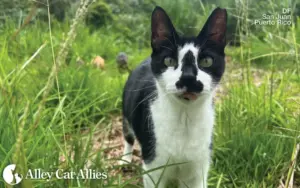
"Community cats" is an inclusive term that refers to unowned domestic cats (Felis catus) who live outdoors. This category includes:
- Feral cats: Cats who are unsocialized to humans and typically live in groups called colonies.
- Stray cats: Lost or abandoned pet cats who have varying degrees of socialization.
- Barn cats or working cats: Outdoor cats utilized for rodent control in agricultural or commercial settings.
Because these cats are not traditional indoor pets, traditional animal control models—which rely on impoundment and subsequent euthanasia—have proven catastrophic. Not only are these methods inhumane, but they are also scientifically ineffective due to a phenomenon known as the "vacuum effect." When cats are removed from a specific territory, surviving or migrating cats quickly move in to take advantage of available food sources, rapidly restoring the population to its original carrying capacity.

The Efficacy of Trap-Neuter-Return (TNR)
Trap-Neuter-Return is internationally recognized by leading animal welfare organizations as the single most effective, humane method of managing community cat populations. The process is straightforward:
- Trap: Cats are humanely captured using box traps.
- Neuter (or Spay): The cats are transported to a veterinary clinic where they are sterilized, vaccinated against rabies, and typically "ear-tipped" (the surgical removal of the very tip of the left or right ear while the cat is under anesthesia, serving as the universal, visible sign that an outdoor cat has been spayed or neutered and vaccinated).
- Return: After a brief recovery period, the cats are returned to their original outdoor home where they can live out their lives naturally without contributing to population growth.
Key Metrics and Benefits of TNR:
- Population Stabilization: TNR immediately halts the breeding cycle, leading to a natural, gradual decline in colony size over time.
- Elimination of Nuisance Behaviors: Spaying and neutering drastically reduce behaviors associated with un-sterilized cats, such as roaming, loud yowling, fighting, and urine-marking.
- Shelter Relief: By keeping community cats out of municipal intake systems, TNR drastically reduces shelter overcrowding and frees up resources for adoptable indoor pets.
Wildlife Coexistence and Policy Gaps
Critics of outdoor cats often raise concerns regarding local wildlife, particularly birds and small mammals. However, comprehensive ecological studies demonstrate that habitat destruction, climate change, and human-made hazards pose far greater threats to wildlife than community cats. Moreover, TNR programs stabilize cat populations and eliminate the hunting pressure associated with exponential population growth.
Despite these facts, policy gaps persist. In many jurisdictions, outdated animal control laws criminalize the feeding of community cats or classify caregivers as owners, subjecting them to fines or forcing them to surrender cats to high-kill facilities. Global Cat Day serves as the primary vehicle to challenge these archaic laws and advocate for progressive municipal policies that officially recognize and protect community cats.

Official Statements and Advocacy Frameworks
Leading animal welfare organizations, most notably Alley Cat Allies, provide the structural backbone for Global Cat Day. Their strategic frameworks emphasize three primary pillars: policy reform, community education, and direct action.
The Vision of Alley Cat Allies
Advocacy leaders stress that protecting community cats requires a cultural shift in how society views animals outside the traditional household paradigm. In official communications leading up to October 16, representatives emphasize:
"Global Cat Day is a day to embrace the global truth that cats are community. So, let’s protect them like community the world over. Through actions big and small, we can create laws and policies that recognize cats’ coexistence with wildlife, expand access to care, and ensure strong action against animal cruelty."
This statement encapsulates the holistic nature of modern animal advocacy. It connects grassroots actions—such as building a backyard winter shelter—with macro-level legal transformations, such as passing ordinances that legally protect TNR practitioners and prohibit cruel eradication methods.

Core Pillars of Action
To operationalize this vision, advocacy frameworks urge participants to focus on three distinct areas of engagement:
- Legislative and Policy Change: Advocates are encouraged to engage with local city councils, county commissioners, and state legislators. The objective is to replace catch-and-kill mandates with official "Shelter-Neuter-Return" (SNR) or TNR policies, while simultaneously strengthening anti-cruelty statutes that penalize animal abusers with appropriate severity.
- Veterinary Infrastructure and Care Access: Expanding access to affordable, high-quality, high-volume spay/neuter (HQHVSN) clinics is vital. Without accessible veterinary services, TNR operations stall, leaving communities vulnerable to population surges.
- Public Education and Myth-Busting: Combating misinformation is half the battle. Educational resources must be deployed to neighborhoods, schools, and civic associations to explain the benign nature of feral cats, the necessity of TNR, and the value of coexistence.
Future Outlook: The Path Forward for Global Cat Advocacy
As we look toward the future, the momentum generated by Global Cat Day points toward a progressively more humane world for felines, though significant challenges remain.
Emerging Trends in Feline Welfare
- Mainstreaming of Shelter-Neuter-Return (SNR): Progressive municipal shelters across the globe are increasingly adopting SNR programs. Instead of intake and euthanasia, healthy community cats brought to shelters are sterilized, vaccinated, and returned to the exact location where they were found.
- Technological Integration in Colony Management: Advocates are utilizing digital mapping tools, database software, and social media networks to track colony health, coordinate caregiver shifts, and manage veterinary appointments with unprecedented efficiency.
- Corporate and Community Partnerships: More businesses are opening their properties to working cat programs, recognizing the dual benefits of natural rodent control and corporate social responsibility in animal welfare.
How You Can Participate: A Step-by-Step Guide
Translating the ideals of Global Cat Day into tangible results requires active participation at every level of society. Whether you are a seasoned rescue worker or a concerned citizen looking to make your first impact, consider the following actionable steps:
- Plan a Local Action: On October 16—or anytime throughout the year—execute a project tailored to your community’s needs. This could range from organizing a TNR trapping session and constructing insulated winter shelters to hosting an educational seminar for local neighborhood associations. Share your efforts globally using the hashtags #GlobalCatDay and #NationalFeralCatDay.
- Utilize Official Resources and Gear: Equip yourself with the right tools. Organizations like Alley Cat Allies offer specialized gear—including t-shirts, tote bags, and water bottles—designed for field advocates engaging in TNR or community outreach. Furthermore, downloading and distributing their latest lifesaving educational materials can amplify your reach within your neighborhood.
- Engage Your Local Officials: Write letters, attend town hall meetings, and petition your local government to adopt humane, non-lethal policies for community cats. Educate lawmakers on the scientific failure of catch-and-kill policies and the proven success of TNR.
- Stay Informed: Continuously monitor updates from trusted organizations via alleycat.org and globalcatday.org. Sign up for advocacy alerts to respond swiftly when local or national legislation affecting cats is brought to the floor.
Conclusion
Global Cat Day is a powerful reminder that compassion knows no boundaries. By recognizing that cats are an integral part of our shared communities, we elevate our society’s standard of empathy, justice, and responsibility. Through sustained education, courageous legislative reform, and hands-on dedication on October 16 and every day thereafter, we can build a world where every cat is valued, protected, and allowed to live a safe, healthy life.