
Executive Overview
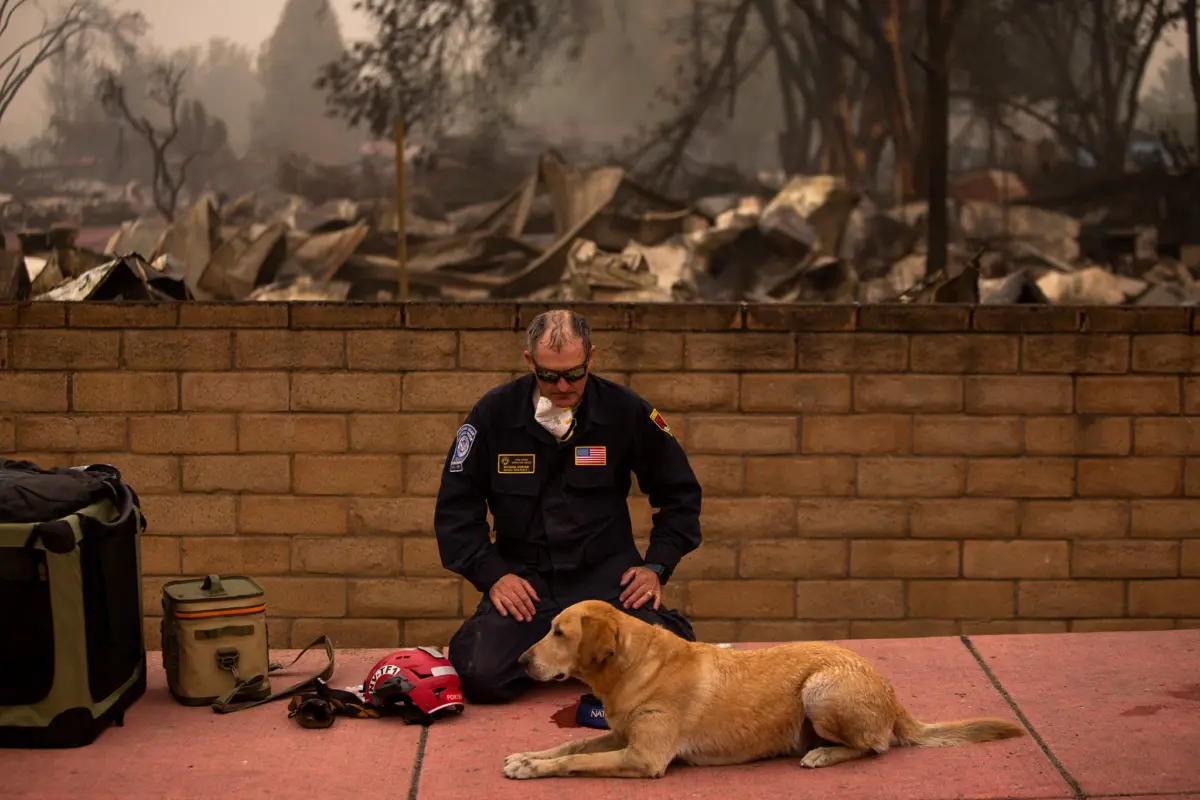
As the frequency and intensity of catastrophic wildfires escalate globally due to shifting climatic patterns, human populations are increasingly educated on the acute and lingering dangers of toxic smoke and ash. Public health advisories regularly broadcast warnings regarding fine particulate matter ($PM_2.5$), volatile organic compounds, and polycyclic aromatic hydrocarbons. Yet, while human residents seal their windows, monitor real-time Air Quality Indexes (AQI), and don specialized respirators, a vulnerable segment of the household population is frequently overlooked: our domestic pets.
Recent veterinary research and clinical consensus confirm that if ambient air is hazardous to human lungs, it poses an equally severe, and in some cases exacerbated, threat to dogs, cats, and other companion animals. Dr. Lisa Lippman, director of virtual medicine for Bond Vet Clinic, summarizes the biological reality with stark simplicity: "As long as they have lungs—so dogs, cats, people—it’s going to be somewhat similar."
Despite this biological parity, pets often lack the agency to alter their environments or express their distress until physiological compromise has reached advanced stages. The airborne particulates generated by burning forests, residential structures, and agricultural lands penetrate deep into the lower respiratory tracts of animals, triggering inflammatory cascades, exacerbating chronic disease, and compromising cardiovascular function.
This comprehensive investigative report explores the physiological mechanics of smoke inhalation in companion animals, identifies high-risk breeds and demographics, details clinical symptomatology that caregivers must monitor, and outlines authoritative, expert-backed mitigation strategies. Drawing upon the insights of veterinary specialists with decades of collective clinical experience, this article serves as an essential manual for pet owners navigating the increasingly perilous reality of modern wildfire seasons.
Detailed Chronology: The Lifecycle of a Smoke Crisis and Its Impact on Pets
To effectively safeguard animals from the hazards of wildfire smoke, caregivers must understand the temporal dynamics of air pollution events—from the initial atmospheric intrusion to the insidious, often underestimated post-clearing phase.
[Phase 1: Pre-Incident & Atmospheric Onset]
  └── Micro-particulates infiltrate living spaces; initial sensory irritation in pets.
[Phase 2: Acute Exposure Peak]
  └── Maximum PM2.5 concentration; systemic inflammation, respiratory distress, and lethargy.
[Phase 3: Post-Clearing Residual Risk]
  └── Settled ash and reactive compounds reactivate via foot traffic; delayed cardiovascular strain.
Phase 1: The Atmospheric Onset and Indoor Infiltration
The crisis typically begins days before a fire physically approaches a community. High-altitude atmospheric winds transport dense plumes of smoke hundreds, and sometimes thousands, of miles away from the ignition source. During this initial phase, pet owners often notice a hazy sky or a distinct burning odor.
As outdoor air quality degrades, micro-particulates ($PM_2.5$—particles smaller than 2.5 micrometers, roughly 1/30th the width of a human hair) rapidly infiltrate homes through standard ventilation systems, open windows, and door frames. Pets, possessing a heightened sense of smell and lower resting respiratory rates relative to their body surface area, often display behavioral changes before human instrumentation registers hazardous AQI levels. Animals may begin pacing, seeking dark or enclosed spaces, or exhibiting unexplained restlessness as their olfactory mucosa reacts to airborne toxins.
Phase 2: The Acute Exposure Peak
As the smoke plume settles over a region, the AQI enters "Unhealthy," "Very Unhealthy," or "Hazardous" territories. This is the period of acute exposure. During this phase, pets permitted outdoors—even for routine elimination walks—experience immediate mucosal irritation.
The fine particulates bypass the upper respiratory tract’s natural filtration systems (nasal hairs and turbinates) and settle deep within the alveoli. Here, they cross the blood-air barrier, triggering systemic oxidative stress and systemic inflammation. Clinically, this manifests as sudden coughing, paroxysms of sneezing, and acute respiratory distress. Animals drastically alter their behavior, minimizing voluntary movement to preserve oxygen for vital organ perfusion.
Phase 3: The Insidious Post-Clearing Phase
Perhaps the most dangerous misconception regarding wildfire smoke is that the threat dissipates the moment the sky clears and the local AQI returns to green or yellow levels. As contemporary environmental research demonstrates, the risk lingers long after the visible smoke has cleared.
Toxic ash and heavy metal residues settle onto lawns, sidewalks, and outdoor surfaces. For dogs and cats, this creates a dual threat: secondary inhalation of resuspended particulates during normal household activity, and direct ingestion via grooming behaviors. Cats, which meticulously groom their fur several times a day, ingest significant quantities of toxic ash deposited on their coats during brief exposures or through open windows. Furthermore, the cardiovascular strain induced by days of continuous low-grade inflammation can precipitate delayed cardiac events up to a week after atmospheric conditions normalize.
Supporting Context & Metrics: The Biological Vulnerability of Companion Animals
To comprehend why pets suffer disproportionately during smoke crises, one must examine the intersection of veterinary physiology, behavioral patterns, and environmental interaction.
The Physics of Respiration and Particulate Deposition
Dogs and cats possess metabolic rates and respiratory dynamics that frequently differ from humans. Many canine breeds exhibit higher resting respiratory rates than humans, inhaling a greater volume of air relative to their body mass over a given timeframe. When that air is saturated with $PM_2.5$, carbon monoxide, acrolein, and formaldehyde—common byproducts of burning modern building materials and vegetation—the toxic load per kilogram of body weight accumulates rapidly.
Furthermore, dogs often engage in panting behavior to thermoregulate. Panting forces large volumes of unfiltered air past the nasal passages, bypassing the primary mucosal defense mechanisms and drawing pollutants directly into the delicate structures of the lower bronchial tree.
Demographic Risk Stratification
Not all pets face identical hazards during an air-quality crisis. Veterinary epidemiologists categorize animals into several distinct vulnerability tiers:
-
Brachycephalic Breeds (Flat-Faced Animals):
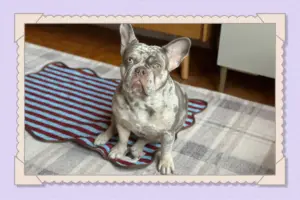
According to Dr. Kim Van Beuren, a medical director at Bond Vet Clinic, anatomical predisposition plays a massive role in respiratory resilience. "Bulldogs, pugs, Himalayan cats—breeds that have a flat face—have breathing problems in general," notes Dr. Van Beuren. These animals suffer from Brachycephalic Obstructive Airway Syndrome (BOAS), characterized by elongated soft palates, stenotic nares, and hypoplastic tracheas. When exposed to particulate-heavy air, their already compromised airways swell rapidly, turning minor irritation into a life-threatening obstruction. -
Pre-Existing Respiratory Patients:
Animals suffering from chronic feline asthma, canine chronic bronchitis, collapsing tracheas, or infectious tracheobronchitis (kennel cough) experience immediate exacerbations. The particulate matter stimulates mucus hypersecretion and bronchoconstriction, converting a stable chronic patient into an emergency veterinary case. -
Pediatric and Geriatric Populations:
Puppies and kittens possess immature immune and respiratory systems, lacking the physiological reserves to combat systemic inflammation. Conversely, senior pets frequently harbor undiagnosed subclinical cardiac or renal conditions that are pushed past their tipping point by the hypoxemic stress of smoke inhalation.
Official Statements and Veterinary Guidelines
Gathering actionable guidance during a climate-induced disaster requires synthesizing decades of clinical expertise. We consulted veterinary professionals possessing over 90 years of collective experience to establish an authoritative framework for pet protection during air-quality emergencies.
Core Principle: The Human-Pet Parity Rule
The foundational tenet established by our panel of veterinary experts is elegantly straightforward: If the air is unsafe for you, it is unsafe for your pet.
While commercial marketing occasionally promotes specialized canine filtration masks, veterinary consensus advises against relying on these devices for everyday use. Most dogs find masks distressing, and improper fitting can restrict panting—the dog’s primary cooling mechanism—thereby risking heatstroke, which can be equally or more fatal than smoke inhalation. Instead, protection must focus on environmental control.
Clinical Symptomatology: Recognizing Distress in Non-Verbal Patients
Because animals cannot articulate chest tightness or throat irritation, caregivers must maintain hyper-vigilance for behavioral and physical indicators of smoke toxicity:
- Ocular and Nasal Manifestations: Persistent blinking, conjunctivitis (red, bloodshot eyes), excessive clear or mucoid ocular discharge, and frequent nasal discharge.
- Respiratory Alterations: Frequent coughing, persistent sneezing, wheezing, and abnormal or accelerated breathing rates.
- Behavioral Shifts: Lethargy, reluctance to engage in play, exercise intolerance, and an unnatural posture where the animal stretches its neck forward to ease airflow.
- The "Gulping" Red Flag: If an animal’s breathing transitions into a distressed, gulp-like pattern where the neck extends and the abdomen heaves dramatically, immediate veterinary intervention is mandatory. According to our clinical experts, this presentation frequently signals concurrent acute heart strain or congestive heart failure triggered by hypoxia.
Future Outlook: Preparing for the New Normal of Extended Wildfire Seasons
As global temperatures continue to rise and prolonged droughts alter ecological landscapes, wildfire seasons are no longer brief, isolated anomalies; they represent an entrenched, recurring public health crisis. Protecting domestic animals in this "new normal" requires a paradigm shift in pet care and disaster preparedness.
Proactive Indoor Environmental Engineering
Pet owners residing in fire-prone regions must invest in residential infrastructure capable of maintaining clean indoor air sanctuaries. Key measures include:
- High-Efficiency Particulate Air (HEPA) Filtration: Deploying medical-grade HEPA air purifiers in the specific rooms where pets spend the majority of their time. Units must be properly sized for the square footage of the space.
- HVAC Optimization: Upgrading home heating, ventilation, and air conditioning systems to MERV 13 (or higher) rated filters, and running the system continuously on the "fan-on" setting to ensure constant air scrubbing.
- Sealing the Envelope: Weather-stripping doors and windows to minimize the infiltration of fugitive smoke during peak outdoor pollution events.
Modification of Care Routines
During active smoke advisories, traditional routines must be strictly adapted:
- Truncated Eliminations: Outdoor access for dogs should be strictly limited to rapid, leash-controlled bathroom breaks. Eliminate all long walks, jogs, and outdoor playtime until the AQI stabilizes.
- Indoor Enrichment: Substitute physical outdoor exercise with indoor mental stimulation, such as puzzle feeders, training sessions, and interactive indoor games, to prevent behavioral frustration without compromising respiratory health.
- Litter Box and Coat Management for Felines: Increase indoor air filtration near cat litter boxes, and gently wipe down indoor-access cats with a damp microfiber cloth upon returning indoors to remove settled particulate matter before grooming behaviors ingest them.
Disaster Kits and Veterinary Partnerships
Every pet household should maintain an emergency go-bag that includes a minimum two-week supply of any prescription medications utilized for chronic respiratory or cardiac conditions. Establishing a proactive dialogue with a primary care veterinarian before a crisis strikes ensures that emergency protocols—such as pre-authorizing emergency bronchodilator dosages—are securely in place.
Conclusion
The escalating frequency of wildfire smoke crises represents a multi-faceted challenge to public health, encompassing both human and veterinary medicine. Because companion animals share our indoor ecosystems yet possess heightened biological susceptibilities, they depend entirely upon human stewardship for their survival during atmospheric emergencies. By recognizing the subtle physiological signs of smoke distress, understanding high-risk demographic factors, and implementing rigorous indoor air-quality controls, pet owners can successfully safeguard their animal companions against the invisible, lingering dangers of the modern climate crisis.