
Executive Overview
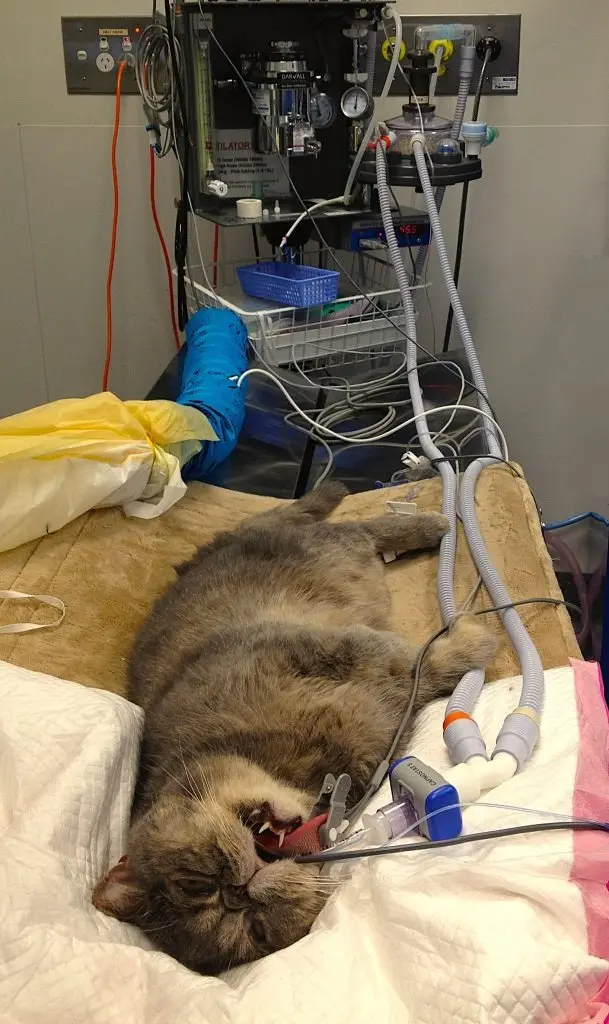
For decades, perioperative hypothermia has been accepted as an almost inevitable consequence of veterinary anesthesia. In busy clinical environments, temperature management has traditionally operated on a reactionary model: veterinary teams monitor a patient’s temperature as it drifts downward during surgery, only intervening with active warming devices once clinical hypothermia has already set in.
However, a fundamental shift is underway in veterinary anesthesiology. Authored by veterinary experts Dr. Colin Dunlop, BVSc, DACVAA, and Dr. Norm Jorgensen, DVM, emerging clinical insights emphasize that waiting for a patient to become cold is a flawed strategy. Instead, progressive veterinary practices are adopting proactive thermal management protocols centered on pre-warming. By elevating a patient’s skin and peripheral tissue temperatures before anesthesia or sedation even begins, clinics can create a physiological "thermal buffer." This buffer drastically mitigates the rapid core-to-peripheral heat redistribution that typically occurs immediately following induction.
This comprehensive report examines the physiological mechanisms behind anesthetic-induced hypothermia, the critical vulnerabilities during the recovery phase, the operational benefits of pre-warming, and an objective comparison of modern warming equipment—ranging from disposable versus reusable blankets to advanced heated breathing circuits. By redefining temperature management as a preventative measure rather than an afterthought, veterinary medicine can significantly enhance patient safety, streamline recovery times, and optimize clinical workflow.
Detailed Chronology: The Lifecycle of Anesthetic Heat Loss
To understand why proactive interventions are necessary, it is vital to trace the timeline of thermal decline in veterinary patients. Hypothermia during anesthesia is not a gradual drift; it is a rapid, multi-staged physiological event that begins the moment premedication is administered.
Phase 1: Premedication and the Onset of Redistribution (T-Minus 30 to 0 Minutes)
Even before an animal is induced, the administration of sedatives and tranquilizers initiates mild thermal suppression. Once induction agents take full effect, the body’s central thermoregulatory controls are heavily blunted.
Anesthetics induce profound peripheral vasodilation. Warm blood from the body’s metabolic core rushes toward the cooler extremities (the skin, muscles, and peripheral tissues), where environmental heat dissipation rapidly robs the body of thermal energy. Research indicates that dogs and cats can lose several degrees of core body temperature within the first 15 to 30 minutes following induction alone. Smaller companion animals—due to their inherently high surface-area-to-volume ratio—are uniquely vulnerable, losing heat at an exponentially faster rate than larger breeds.
Phase 2: Intraoperative Thermal Stabilization (The Surgical Window)
During surgery, patients are exposed to multiple compounding risk factors for heat loss:
- Inhalation of cold, dry gases: Traditional breathing circuits deliver unconditioned, room-temperature gases that chill the respiratory tract with every breath.
- Open body cavities: Surgical exposure of the abdominal or thoracic cavities accelerates radiant and evaporative heat loss.
- Cold operating room environments: Standard clinical HVAC systems are optimized for human comfort, not the thermal requirements of clipped, anesthetized animals lying on stainless steel tables.
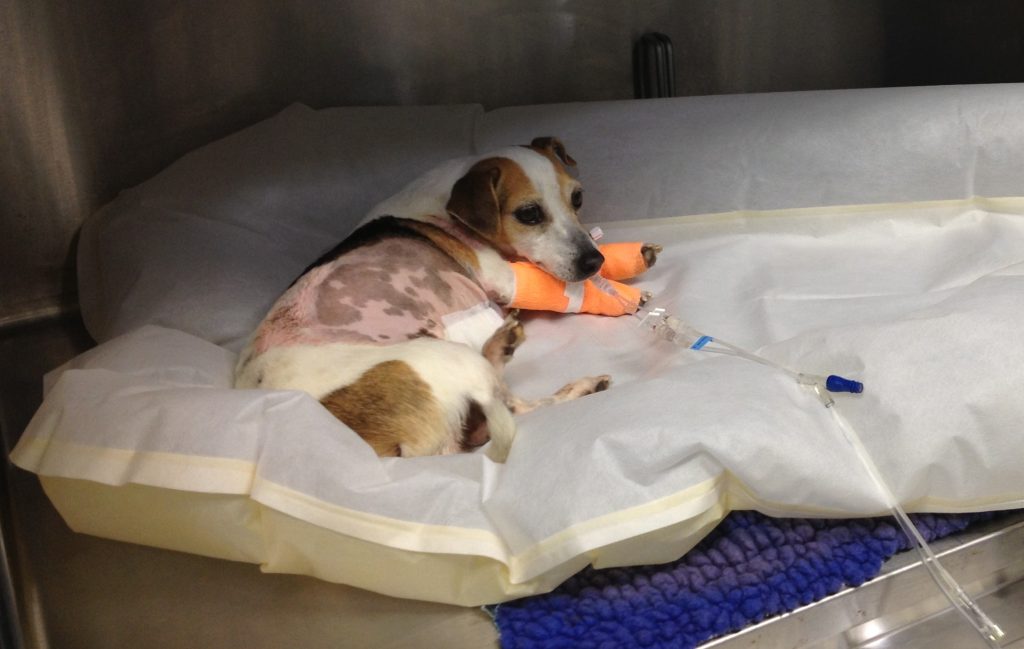
Traditionally, veterinary teams relied on intraoperative warming devices—such as circulating water blankets, electric heating pads, or forced-air systems—applied after the temperature drop had already occurred. While these tools are essential, they are fighting an uphill battle against established hypothermia.
Phase 3: Recovery and the Vulnerable Post-Anesthetic Window
The perioperative timeline culminates in recovery—statistically the most dangerous period for an anesthetized patient. Approximately 1 in 500 animals experience mortality during anesthesia or sedation, and roughly half of those fatalities occur during the recovery phase.
Hypothermic patients experience delayed drug metabolism, depressed respiration, and reduced heart rates. As consciousness returns, these patients often suffer from prolonged recovery times, severe disorientation, and violent shivering. Shivering is not merely uncomfortable; it exponentially increases oxygen consumption, places intense mechanical stress on fresh surgical incisions, and exacerbates post-operative pain. Ensuring a smooth, normothermic recovery is therefore paramount to reducing morbidity and mortality rates.
Supporting Context & Metrics: The Clinical Toll of Hypothermia
The prevalence and impact of peri-anesthetic hypothermia are well-documented in veterinary literature. Data underscores the urgency of systemic protocol changes across general and specialty practices alike:
- High Prevalence: Clinical studies reveal that up to 80 percent of anesthetized dogs and cats experience some degree of hypothermia during routine surgical procedures.
- The Mathematical Reality of Pre-Warming: Implementing a mere 30- to 40-minute pre-warming period raises peripheral tissue temperatures by several degrees. This localized thermal storage neutralizes the initial temperature plunge caused by anesthetic-induced vasodilation.
- Mortality Statistics: With an overall anesthetic mortality rate sitting at approximately 1 in 500, and 50% of those deaths clustered in recovery, eliminating temperature-related complications is one of the most direct avenues for improving surgical safety margins.
- Workflow Efficiency: Clinics that transition to pre-warming protocols frequently note a dramatic boost in staff efficiency. Warming multiple patients prior to their scheduled procedures requires significantly less labor and continuous monitoring than attempting to re-warm a severely hypothermic patient during high-stakes post-operative recovery. In practical terms, veterinary teams report that they can successfully pre-warm several incoming patients in the time it takes to rescue one cold patient from recovery.
Official Perspectives: Expert Insights on Proactive Care
Drs. Colin Dunlop and Norm Jorgensen, industry pioneers in veterinary anesthesiology and equipment innovation, emphasize that modern practice must move past legacy assumptions about thermal care.
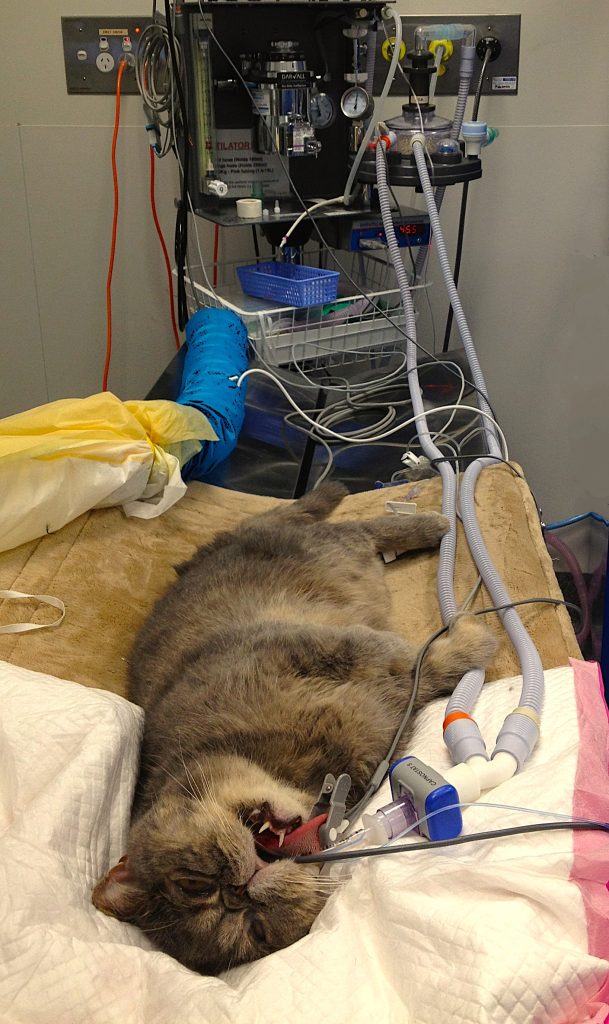
"Keeping animals warm during anesthesia has long been recognized as an important step in ensuring patient safety. Yet in many practices, temperature management is still treated as a reactionary approach, beginning only after a patient’s body temperature has already begun to fall," note the authors.
By shifting to a preventative mindset, clinicians acknowledge a simple physical truth: it is exponentially easier to keep an animal warm than it is to re-warm an animal that has already slipped into hypothermia.
Reassessing Equipment: Reusable vs. Disposable Blankets
As practices modernize their thermal protocols, the physical tools used to deliver warmth are also under scrutiny. For years, reusable cloth or fabric warming blankets were treated as the default standard due to perceived long-term value and sustainability. However, everyday clinical realities complicate this assumption.
- Wear and Tear: In busy surgical wards, reusable blankets are subjected to heavy use. Patients frequently chew or claw at them, and aggressive industrial laundering breaks down internal fabric structures.
- Loss of Porosity and Efficiency: Studies show that reusable blankets can lose a significant portion of their thermal efficiency after just one wash. As the material degrades, porosity increases. Instead of inflating internal air pockets to distribute heat evenly across the patient, warm air escapes prematurely, resulting in uneven hot and cold spots.
- Economic and Maintenance Realities: While reusable blankets carry a high initial capital investment (averaging around $150 per unit), ongoing operational costs—including water, electricity, chemical detergents, labor, repairs, and premature replacement—accumulate rapidly. Conversely, high-quality disposable blankets (averaging approximately $12) maintain structural integrity, deliver consistent forced-air airflow, require zero laundering, and can often be repurposed across multiple patients over several days before disposal.
- Versatility of Design: Modern veterinary-specific disposable blankets are engineered with geometry tailored to both kennel runs and surgical tables, allowing continuous, uninterrupted thermal support from pre-op staging through intraoperative positioning and post-op recovery.
Furthermore, innovations such as heated breathing circuits (which warm and humidify inhaled gases directly at the patient interface) provide an internal line of defense, reducing respiratory heat loss from the very first breath.
Future Outlook: The Evolution of Standardized Veterinary Care
The widespread adoption of pre-warming protocols marks a philosophical evolution in veterinary medicine. Hypothermia is no longer viewed as an unavoidable byproduct of veterinary surgery; it is correctly categorized as a completely preventable anesthetic risk factor.
As continuous temperature-monitoring tools, advanced forced-air warming systems, heated breathing circuits, and optimized pre-warming workflows become standard operating procedure, the veterinary industry is poised to achieve unprecedented benchmarks in patient safety. By intercepting heat loss before it begins, clinics not only safeguard vulnerable physiological systems and accelerate recoveries, but they also elevate the standard of compassionate, cutting-edge care that pet owners rightfully expect.
References
- Clinical studies on peri-anesthetic hypothermia prevalence in canine and feline patients.
- Research data on core-to-peripheral temperature redistribution within the first 15–30 minutes of anesthetic induction.
- Evaluations of post-operative recovery metrics, shivering-induced stress, and surgical wound tension.
- Veterinary anesthetic mortality and morbidity audits tracking recovery-phase complications.
- Comparative workflow and operational efficiency metrics in proactive versus reactive veterinary thermal management.