
Executive Overview
For decades, the standard response to a pet’s graying muzzle, slowing gait, or declining vitality has been met with a sympathetic, albeit dismissive, clinic cliché: "Awww, she’s getting old." While well-intentioned, this casual observation often marks the quiet beginning of a highly vulnerable chapter in a companion animal’s healthcare journey.
As pets cross the threshold into their senior and geriatric years, they frequently slip through the cracks of regular veterinary surveillance. Pet owners, often overwhelmed by a complex web of financial, logistical, and emotional barriers, may mistakenly attribute critical signs of disease—such as shifting mobility, altered sleep patterns, changing appetites, and subtle behavioral shifts—to the inevitable degradation of aging. Consequently, preventive visits are postponed, diagnostic recommendations are declined out of fear, and veterinary teams are too often reintroduced to the patient only when a catastrophic crisis, such as acute respiratory distress, severe pain, or total collapse, forces an emergency intervention.
This systemic gap in veterinary medicine is the focus of a vital movement championed by professionals like Dr. Chelsea McGivney, DVM, MBA, executive director of operations at Caring Pathways. By reframing aging from a disease state or an inevitable decline into a distinct, manageable life stage, veterinary practices can interrupt this reactive cycle.
Developing a thoughtful, structured senior pet program—one that prioritizes early identification, tailored diagnostics, empathetic communication, and proactive advanced planning—transforms the veterinary clinic from a place of dread into an enduring partner in the animal’s longevity and quality of life. This comprehensive report explores the multifaceted barriers to senior pet care, examines the operational blueprints required to re-engage missing patients, and outlines how the veterinary industry is modernizing its approach to aging, palliative support, and end-of-life planning.
Detailed Chronology: The Evolution of Senior Pet Care
To understand how the veterinary industry arrived at its current approach to geriatric medicine, it is helpful to examine the historical trajectory of pet healthcare and the milestones that have shaped modern guidelines.
Phase I: The Reactive Paradigm (Late 20th Century)
Historically, veterinary medicine was largely structured around acute care and basic infectious disease prevention (vaccinations). Senior pets were treated much like adult pets, with care escalating only when explicit symptoms of organ failure or trauma manifested. If an older dog limped, it was given a prescription for a basic NSAID; if a cat lost weight, it was tested for hyperthyroidism. Little emphasis was placed on early screening, cognitive dysfunction, or the complex psychosocial burden placed on the pet’s human caregivers. Aging was accepted as an untreatable medical terminus.
Phase II: The Rise of Preventative Gerontology (Early 2000s)
As veterinary medical technology advanced, diagnostics such as blood chemistry panels, advanced imaging, and blood pressure monitoring became more accessible to general practice. Practitioners began to notice that early detection of chronic conditions—such as chronic kidney disease or osteoarthritis—significantly extended both the lifespan and healthspan of dogs and cats. Clinics began offering "senior wellness packages," typically bundling discounted blood work with physical examinations. However, these packages often remained rigid, failing to account for individual breed variations or client-specific economic and logistical challenges.
Phase III: The Comprehensive Guidelines Era (2020–Present)
Recognizing the limitations of bundled, one-size-fits-all senior packages, veterinary associations began releasing modern, consensus-driven guidelines. A major milestone arrived with the publication of the 2023 American Animal Hospital Association (AAHA) Senior Care Guidelines, which emphasized that chronological age alone is an inadequate metric for determining a pet’s health status.
Simultaneously, organizations like the Feline Veterinary Medical Association (FelineVMA) updated their senior care recommendations to incorporate stress-free handling, home-environment assessments, and the indispensable role of the caregiver. Today, progressive practices are moving away from disconnected diagnostic packages and toward continuous, highly individualized care pathways that integrate pain management, behavioral health, and proactive end-of-life planning.
Supporting Context & Metrics: Breaking Down Barriers to Care
Access to veterinary care is not merely a matter of a client’s willingness to spend money; it is a complex socio-economic and logistical puzzle. According to a 2024 scoping review examining barriers to veterinary utilization, obstacles are multi-dimensional, encompassing financial constraints, geographic limitations, personnel and equipment shortages, communication breakdowns, and transportation hurdles.
The Logistics of Aging
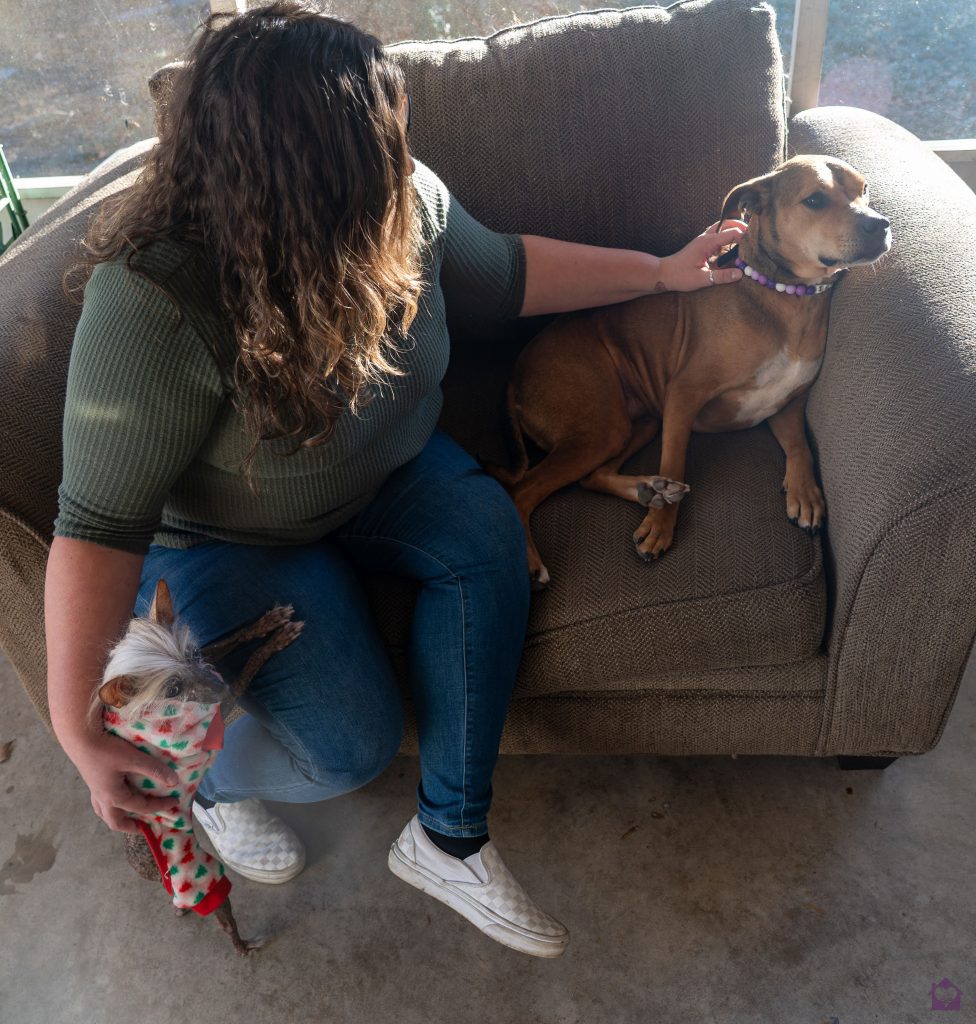
For many pet owners, simply getting a senior animal to the clinic is a logistical nightmare. Consider a household with a 120-pound Labrador Retriever suffering from severe hip dysplasia. The dog can no longer jump into the back of an SUV, and the owner—who may be managing their own physical disabilities or chronic pain—cannot lift the animal. Conversely, feline patients present a different set of challenges: cats that only leave the house once a year for an annual checkup often experience profound, debilitating terror during transport and handling, causing owners to avoid future visits altogether.
The Psychology of Avoidance
Emotional barriers can be equally powerful. Many clients avoid the veterinarian out of anticipatory grief. They worry that every routine senior checkup will result in an avalanche of unaffordable diagnostic recommendations or, worse, persistent pressure to make a premature end-of-life decision. When clinics lead with alarmist messaging ("At his age, we are worried about organ failure"), vulnerable clients pull away, choosing the comfort of denial over the anxiety of the examination room.
Redefining the Outreach Strategy
To bridge this gap, progressive veterinary practices are overhauling how they communicate with clients whose senior pets have dropped off the active patient roster. Instead of automated, impersonal overdue notices ("Your pet is past due for vaccines!"), teams are deploying empathetic, supportive outreach:
- "We haven’t seen Bella recently, and we would love to help you plan for her changing needs as she enters her senior years."
- "We know bringing an older pet into the clinic can sometimes be complicated. Let’s discuss what we can do to make this visit comfortable for both of you."
By explicitly asking open-ended questions like, "What would make this visit easier for you and for Bella?", veterinary teams can uncover hidden roadblocks—whether they involve pre-visit anxiety medications for a nervous cat, curbside assistance for a heavy dog, or a phased diagnostic plan that spreads costs out over time.
Official Statements and Industry Insights
Experts in veterinary operations and palliative care emphasize that building a successful senior program requires a fundamental shift in practice culture and communication strategies.
"Aging is not a failure of treatment, nor is it synonymous with terminal illness. It is a distinct life stage that deserves an individualized health plan," explains Dr. Chelsea McGivney, DVM, MBA.
Dr. McGivney stresses that the vocabulary used by veterinary professionals sets the psychological tone for the client relationship. When a veterinary team transitions from a disease-focused mindset to a life-stage framework, the dynamic shifts from authoritative prescription to collaborative partnership.
Furthermore, industry guidelines underscore the necessity of team-based care. While veterinarians maintain exclusive domain over clinical diagnosis and medical decision-making, credentialed veterinary technicians and support staff play an essential role in execution. Technicians can lead detailed history-gathering sessions, conduct preliminary mobility and quality-of-life evaluations, and manage follow-up communications.
However, consistency is paramount. If a receptionist or technician casually dismisses a client’s concern by saying, "Well, he’s just getting old," while a veterinarian treats the same symptoms as manageable osteoarthritis, the client experiences cognitive dissonance. Establishing a shared, practice-wide lexicon regarding pain assessment, cognitive decline, caregiver burden, and palliative support ensures that every client interaction reinforces a message of compassionate competence.
Designing the Modern Senior Visit: From Environment to Execution
Adapting a veterinary practice for senior and geriatric patients requires a multi-layered overhaul of physical spaces, diagnostic protocols, and appointment structures.
1. The Pre-Visit Assessment
A standard 15-minute appointment slot is wholly inadequate for a multi-morbid senior pet. Modern senior programs utilize comprehensive pre-visit questionnaires that prompt owners to evaluate nuanced metrics at home: appetite, water consumption, elimination habits, sleep cycles, mobility, play, grooming routines, and cognitive shifts.
Additionally, clients are encouraged to submit short video clips of their pets walking, climbing stairs, navigating the yard, or using the litter box. These real-world observations capture functional impairments that are frequently masked by the adrenaline rush a pet experiences upon entering a brightly lit, unfamiliar veterinary exam room.
2. Environmental Accommodations
Physical comfort in the clinic must be intentionally engineered. Practices implementing senior care pathways utilize:
- Nonslip flooring or yoga mats placed over slick tile surfaces to prevent insecure footing.
- Plush, pressure-relieving bedding positioned directly on the exam room floor.
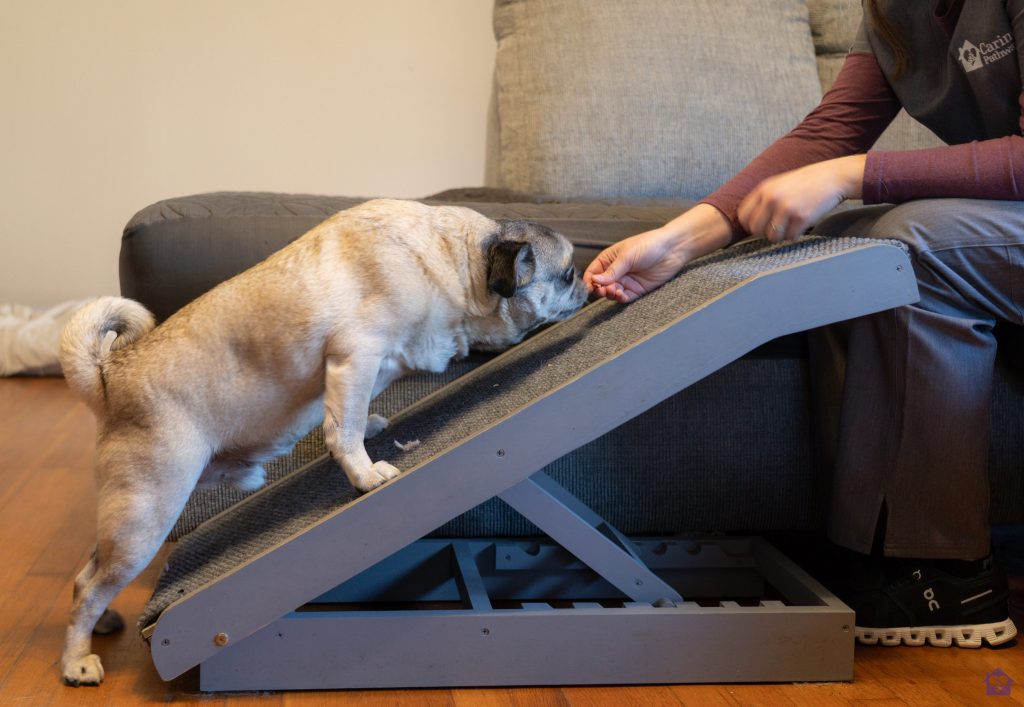
- Low-profile scales and accessible ramps for pets with compromised joints.
- Feline-only quiet hours or designated waiting areas that minimize sensory overload for aging cats.
3. Tiered Medical and Financial Pathways
When ideal diagnostic workups—such as comprehensive panels, ultrasounds, and radiographs—are financially out of reach for a family, the veterinary conversation must not grind to a halt. Instead of presenting an inflexible, all-or-nothing estimate, clinics should offer a tiered, staged spectrum of care.
For instance, a veterinarian might prioritize treating immediate pain or nausea first, schedule baseline blood work for a subsequent visit, and utilize a veterinary technician follow-up phone call to evaluate the patient’s initial response. The objective is never to compromise medical standards, but rather to preserve the therapeutic relationship, honor the family’s financial boundaries, and secure the best achievable next step for the animal.
Proactive Planning: Navigating the Horizon Before a Crisis
One of the most profound responsibilities of a comprehensive senior pet program is guiding families through the emotional terrain of advanced planning. Too often, end-of-life discussions occur in the chaotic, high-stress environment of an emergency veterinary hospital at 2:00 AM, forcing grieving families to make irrevocable decisions in a state of panic.
Proactive preplanning normalizes these conversations well before a crisis erupts. During stable senior wellness visits, veterinary teams can introduce quality-of-life frameworks and establish functional baselines. Discussions can gently explore:
- What activities bring the pet the greatest joy, and how can we preserve them?
- What specific clinical signs or changes in behavior should prompt an after-hours call?
- What medical interventions align with the family’s personal philosophy and goals, and which boundaries should not be crossed?
- If and when the time comes, what are the family’s preferences regarding palliative care, hospice, or peaceful in-home euthanasia?
Utilizing objective tracking tools, such as shared daily calendars or symptom logs, helps families recognize gradual trends in their pet’s condition—trends that are often obscured when caregiving is continuous and emotionally taxing. Far from signaling a lack of hope, introducing these conversations early demonstrates an unwavering commitment to dignity, comfort, and comprehensive support.
Future Outlook: Measuring Success and the Road Ahead
As the pet population continues to age alongside their human companions—driven by advancements in veterinary therapeutics, specialized nutrition, and heightened owner awareness—the demand for structured senior and geriatric care programs will accelerate exponentially.
To ensure these programs deliver meaningful value, progressive veterinary practices must re-evaluate how they measure success. Relying solely on enrollment numbers or gross revenue generated from senior packages paints an incomplete picture. Instead, clinics should track operational and clinical metrics such as:
- The total volume of overdue senior patients successfully re-engaged in preventative care.
- The frequency and consistency of completed follow-up assessments.
- The earlier identification of degenerative joint disease, cognitive dysfunction syndrome, and endocrinopathies.
- The percentage of enrolled patients with documented mobility, pain, and quality-of-life baselines.
Ultimately, the true triumphs of a well-designed senior care pathway defy easy summarization on a corporate spreadsheet. They are measured in the quiet confidence of a client who knows precisely who to call when their aging cat slows down; in the physical relief of an older dog navigating a ramp with newfound ease; and in a family spared the trauma of an unmanaged emergency.
By building a visible, compassionate pathway through aging, veterinary medicine offers pet owners something invaluable: the reassurance that they do not have to navigate the twilight of their companion’s life alone. Armed with a clear plan for today, a realistic understanding of tomorrow, and compassionate support for every decision along the way, practices can ensure that a pet’s senior years are defined not by decline, but by comfort, dignity, and enduring connection.