
Executive Overview
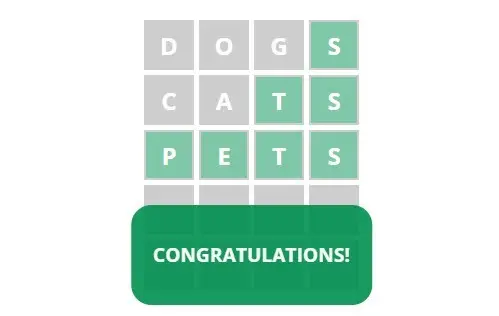
In the high-stakes, emotionally taxing world of veterinary medicine, professionals are constantly seeking innovative outlets for cognitive decompression. Enter WordRX, a specialized, Wordle-inspired lexical puzzle game engineered specifically for the veterinary community. Ranging from everyday clinic terminology to obscure anatomical curiosities learned in the deepest recesses of veterinary school, this daily digital pastime has swiftly transitioned from a niche diversion into a widespread cultural phenomenon within clinics, hospitals, and academic institutions globally.
Far from being a mere trivial distraction, WordRX occupies a unique intersection between professional continuing education, cognitive agility training, and community building. As burnout rates across the veterinary sector remain historically high, interactive micro-engagements like WordRX offer a much-needed mental reset. This report provides an exhaustive investigation into the mechanics, psychological underpinnings, and industry-wide adoption of WordRX. We will explore how a simple word game became an essential digital toolkit for veterinary professionals, examining its design architecture, the cognitive science supporting its utility, and its broader implications for professional wellness in modern veterinary practice.
Detailed Chronology: From Concept to Clinical Phenomenon
To understand the current ubiquity of WordRX, one must trace its development from an experimental concept to an established daily ritual within the veterinary sector.
Phase I: The Incubation Period (Pre-Launch & Concept Design)
The genesis of WordRX lay in the recognition of a distinct gap in the digital entertainment market. While general-audience word games such as Wordle captured the global imagination, they rarely engaged the specialized lexicon of medical and veterinary practitioners. Early conceptualization began when a multidisciplinary team of veterinary educators, clinical practitioners, and digital developers identified that veterinary professionals frequently possessed a distinct, highly technical vocabulary that remained dormant outside clinical settings.
Initial prototypes focused heavily on difficulty scaling. Early playtests revealed that standard medical terms were either too easy for seasoned specialists or completely impenetrable for veterinary technicians and front-of-house staff. The development team pivoted toward a tiered vocabulary database—drawing terms from pharmacology, parasitology, internal medicine, surgery, and rare veterinary pathologies—to create an inclusive yet challenging experience.
Phase II: The Soft Launch and Grassroots Adoption
WordRX made its quiet debut across niche veterinary forums, veterinary student Discord servers, and professional social media groups. Initially treated as an inside joke among practitioners sharing esoteric diagnoses, the game quickly gained traction through organic word-of-mouth promotion.
- Week 1–4: Early adopters began sharing their daily score grids (using specialized veterinary emoji iconography) across professional networks.
- Month 2–3: Veterinary colleges integrated the game into informal study groups, using it as a low-stakes mechanism for board exam preparation (such as the North American Veterinary Licensing Examination, or NAVLE).
- Month 6: The platform underwent its first major infrastructure update to handle surging daily active users, introducing streak counters, archive modes, and specialized weekend challenge categories.
Phase III: Institutional Integration and Modern Status
Today, WordRX is no longer viewed merely as a game, but as a recognized micro-cultural touchstone within the veterinary industry. Clinics across North America and Europe report staff gathering in breakrooms to compare their daily attempts. It has effectively bridged generational divides in the workplace, allowing veteran practitioners with decades of clinical experience to collaborate—and occasionally stumble—alongside recent graduates navigating the same lexical labyrinth.
Supporting Context & Metrics: The Anatomy of Veterinary Vocabulary and Burnout
To fully appreciate the impact of WordRX, one must examine the unique linguistic demands placed upon veterinary professionals, alongside the psychological landscape of the modern clinic.
The Complexity of Veterinary Lexicon
Unlike many human healthcare domains where specialization isolates medical terminology within specific departments (e.g., cardiology, oncology), veterinary professionals are notoriously generalist by necessity. A single practitioner in a mixed-animal or small-animal practice might transition within the span of a single morning from discussing fibrosarcomas in felines to managing colic in equines, diagnosing leptospirosis in canines, and prescribing specialized anthelmintics.
WordRX capitalizes on this vast linguistic terrain. The game’s database draws from several core domains:
- Pharmacology: Brand and generic names of veterinary pharmaceuticals, ranging from common NSAIDs to specialized anesthetic agents.
- Anatomy & Physiology: Precise anatomical markers across multiple species (avian, feline, canine, bovine, equine).
- Pathology & Parasitology: Organisms, vectors, and disease states unique to or crossing over into veterinary medicine.
- Clinical Instruments & Procedures: Specialized surgical tools and diagnostic techniques.
The Psychology of Micro-Diverting in High-Stress Environments
The veterinary profession faces a well-documented mental health crisis. Studies consistently highlight elevated rates of compassion fatigue, depression, and occupational burnout driven by high-stress clinical environments, difficult client interactions, and the heavy emotional toll of euthanasia and critical care management.
WordRX addresses a specific psychological need: low-stakes cognitive engagement. Unlike high-acuity clinical decision-making—where an error can have fatal consequences—WordRX offers a controlled environment of challenge and reward. Completing the puzzle triggers a mild dopamine response, providing a psychological palate cleanser between grueling patient cases. This form of cognitive reframing allows veterinary staff to step away from emotional labor and engage analytical problem-solving skills in a purely recreational context.
Official Statements and Industry Perspectives
The reception of WordRX among veterinary associations, educators, and practicing clinicians underscores its unique value proposition.
"When you spend your entire day managing life-and-death decisions, monitoring anesthesia, and delivering difficult news to clients, your brain is operating in a state of perpetual hyper-vigilance. Having a tool like WordRX that speaks our language—literally—without carrying any clinical weight is remarkably refreshing. It’s become a staple of our morning huddle."
— Dr. Sarah Jenkins, DVM, Small Animal Practitioner and Clinical Director
Educational institutions have similarly embraced the cultural shift. Faculty members note that gamified learning tools reduce the intimidation factor associated with dense veterinary nomenclature.
"Veterinary school requires mastering thousands of complex terms in a very short window. Tools that gamify vocabulary retention without feeling like a textbook quiz change how students interact with foundational knowledge. WordRX proves that professional education and play are not mutually exclusive."
— Dr. Marcus Vance, Professor of Veterinary Anatomy and Curriculum Developer
Industry analysts point out that digital engagement tools fostering community among veterinary professionals are critical for talent retention. Practices that encourage team-building activities centered around shared interests—even as simple as a daily word puzzle—demonstrate higher morale and lower staff turnover rates.
Future Outlook: Where Does WordRX Go Next?
As WordRX continues to expand its user base, developers and industry stakeholders are looking toward the future of specialized professional gaming.
Planned Enhancements and Features
- Multiplayer and Clinic Leaderboards: Upcoming iterations are slated to introduce team-based modes, allowing entire clinic staffs to pool their scores or compete in weekly leagues against other veterinary hospitals globally.
- Specialized Module Expansions: Future updates will likely introduce modular gameplay tracks, enabling users to focus exclusively on equine medicine, exotic pets, zoological pathology, or veterinary nursing.
- Educational Partnerships: Discussions are underway with major veterinary medical associations to explore how anonymized gameplay data might inform educational gaps in terminology retention among students and early-career professionals.
Conclusion: A Linguistic Anchor for Modern Veterinary Professionals
WordRX transcends the boundaries of standard digital entertainment. By honoring the rich, complex, and often overlooked vocabulary of veterinary medicine, it has created a digital sanctuary where professionals can connect, decompress, and celebrate the shared language of their calling.
Whether used as a morning brain-teaser over a cup of pre-shift coffee, a collaborative team challenge during a lunch break, or a nostalgic throwback to vet school terminology, WordRX has secured its place as an indispensable companion for those dedicated to the health and well-being of animals worldwide. As the veterinary landscape continues to evolve under the pressures of modern practice, such ingenious intersections of education, community, and play will remain vital to sustaining the human spirit behind the veterinary shield.