
Date: August 11, 2026
Source Feature: Alley Cat Action® 2026 Summer Newsletter
Original Documentation: Read the full summer edition here
Executive Overview
When natural disasters strike, the most vulnerable among us—both human and animal—often bear the brunt of the catastrophe. In the wake of Hawaiʻi’s most severe flooding event in two decades, the Hawaiian island of Oahu was left grappling with widespread infrastructure damage, displaced residents, and submerged neighborhoods. Amid the chaos, emergency services worked tirelessly to secure human lives, but a critical question remained: What would happen to the community cats and outdoor feline populations stranded in the disaster zones?
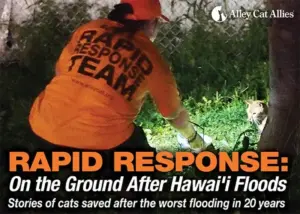
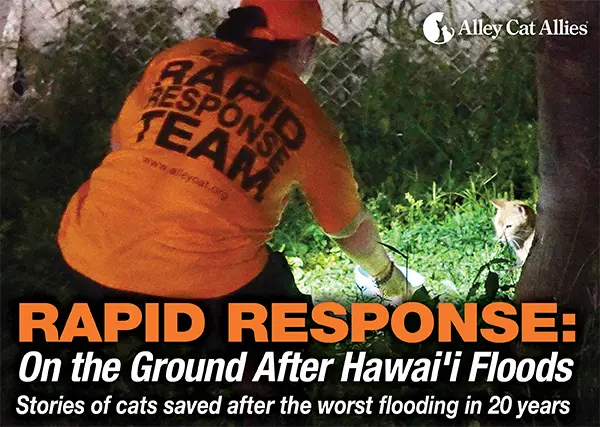
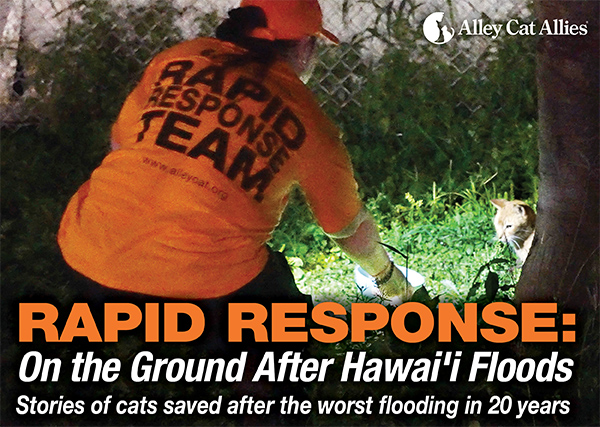
Enter the Alley Cat Allies Rapid Response Team. Mobilizing with military precision, the team hit the ground running, deploying personnel directly into Oahu’s hard-hit North Shore. Operating around the clock, these animal rescue specialists transformed a chaotic crisis zone into a lifeline for feline residents and their human caregivers. Beyond delivering emergency rations of food and fresh water, Alley Cat Allies instituted a comprehensive medical underwriting program, covering 100 percent of emergency veterinary costs for cats rescued from the floodwaters.
This report details the heroic rescue operations executed on the ground in Oahu, profiles resilient feline survivors like Lieutenant Dan and Pumpkin, examines the broader implications of disaster response for community cats, and outlines vital preparedness strategies for animal advocates worldwide.
Detailed Chronology: The Oahu Crisis and the Mobilization of the Rapid Response Team
The Deluge: Oahu’s Worst Flooding in 20 Years
In the summer of 2026, a relentless atmospheric system stalled over the Hawaiian Islands, unleashing torrential downpours onto the island of Oahu. Rivers overflowed their banks, mudslides blocked vital mountain passes, and low-lying coastal and valley communities found themselves rapidly submerged under feet of murky, debris-filled water. For the residents of Oahu’s North Shore—a region celebrated for its natural beauty but vulnerable to severe weather—the flooding was catastrophic. Homes were inundated, power grids failed, and daily life ground to a halt.
As emergency management agencies coordinated evacuations and human rescue operations, local animal advocates immediately recognized the peril facing outdoor cats and managed colonies. Unsheltered animals faced immediate drowning hazards, rapid hypothermia, and deadly waterborne pathogens carried in the flood runoff.
Hitting the Ground Running: On-the-Ground Operations
Recognizing the urgency, the Alley Cat Allies Rapid Response Team mobilized instantly, deploying logistics experts and animal rescue specialists to Oahu. Upon arrival, the team did not wait for infrastructure to clear; they immediately established localized distribution points throughout the severely impacted North Shore.
Working through grueling, multi-day shifts at all hours of the day and night, field operatives navigated treacherous roads and debris fields to locate stranded cats. Recognizing that human caregivers were often struggling just as much as their animal companions, the team made it a priority to support both. They distributed critical supplies of high-quality cat food and clean drinking water to ensure that caregivers could continue feeding their colonies even as they mucked out their own flooded homes.
Bridging the Gap: Emergency Veterinary Care Underwritten
Providing food and water was only the first step. Many cats rescued from the active flood zones had suffered physical trauma—ranging from lacerations caused by submerged debris to severe shock and infections. To eliminate any financial barrier to care, Alley Cat Allies enacted an emergency underwriting protocol, partnering directly with local veterinary clinics across Oahu.
Under this initiative, any cat brought in from the disaster zones received immediate, uncompromised medical attention, with Alley Cat Allies covering all costs associated with examinations, wound care, medications, and hospitalization. This financial safety net empowered local veterinarians to save lives without hesitation, transforming community clinics into bustling hubs of hope and healing.
Profiles in Resilience: Lieutenant Dan and Pumpkin
The true measure of a disaster response operation is found in the individual lives saved. Among the many cats who passed through the emergency veterinary network, two distinct stories captured the hearts of the rescue teams and highlighted the profound bond between Oahu’s cats and their communities.
+-------------------------------------------------------------------------+
|                  SURVIVOR SPOTLIGHT: LIEUTENANT DAN                     |
+-------------------------------------------------------------------------+
| Age: 7 Years Old                                                        |
| Breed: Tuxedo Cat                                                       |
| Status: Successfully treated, pain-free, and returned to his community  |
| Injury: Severe laceration around the tail caused by flood debris        |
| Key Takeaway: A beloved neighborhood fixture eagerly awaited by locals. |
+-------------------------------------------------------------------------+
Lieutenant Dan: The Beloved Tuxedo Cat of the Neighborhood
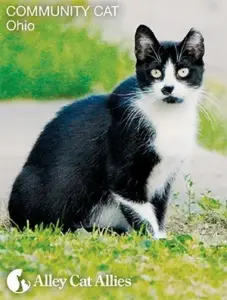
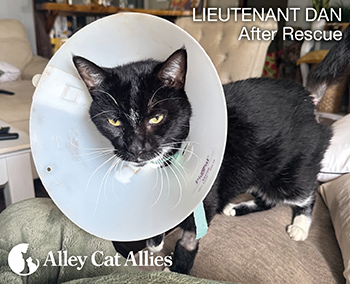
Seven-year-old Lieutenant Dan is no ordinary feline. Well-known and deeply beloved throughout his Oahu neighborhood, this striking tuxedo cat has long been a fixture of the community, cared for collectively by residents who look out for his daily well-being.
When the historic floods swept through his territory, Lieutenant Dan managed to survive the initial deluge, but he did not escape unscathed. In the murky, fast-moving waters, he sustained a painful, deep laceration injury wrapped around his tail—a wound highly susceptible to aggressive bacterial infections given the unsanitary nature of flood runoff.
The moment one of his dedicated human caregivers spotted him post-flood, they recognized the gravity of his injury and rushed him directly to a local veterinary clinic. There, Alley Cat Allies stepped in to shoulder the entire financial burden of his medical treatment.
Lieutenant Dan’s recovery was swift under professional care. Once veterinarians stitched up his wounds, managed his pain, and declared him fully healed, a heartwarming scene unfolded: his local community was eagerly waiting at the clinic doors to bring him back home. Today, Lieutenant Dan is back in his familiar territory, a testament to the power of community-backed cat care.
+-------------------------------------------------------------------------+
|                    SURVIVOR SPOTLIGHT: PUMPKIN                          |
+-------------------------------------------------------------------------+
| Age/Status: Adult Orange Tabby                                          |
| Status: Rescued, medically treated, fostered, and on the path to adoption|
| Injury: Painful, infected wound on the ear                              |
| Key Takeaway: Refused food due to acute trauma; now safe in foster care.|
+-------------------------------------------------------------------------+
Pumpkin: Finding Safety After the Storm
Just as rescue personnel were preparing to depart the veterinary clinic after checking in on Lieutenant Dan’s progress, the waiting room doors flew open. A local Oahu resident rushed inside carrying an airline pet carrier, desperately seeking help for another feline victim of the disaster.
From inside the carrier emerged Pumpkin, a stunning orange tabby cat with a clear and urgent medical need. Even a casual glance revealed a raw, painful wound on her ear, likely sustained as she scrambled to escape the rising waters of a previously flooded zone.
Pumpkin’s trauma, however, went far beyond physical injury. When rescue workers initially set down a bowl of fresh food in her presence, she flatly refused to eat. In disaster scenarios, cats frequently experience acute psychological trauma and severe stress responses that entirely suppress their appetite. Combined with the physical agony of her ear wound, Pumpkin was in a precarious state.
Thanks to the seamless coordination between Alley Cat Allies and the veterinary care team, Pumpkin was admitted immediately. She received targeted medical treatment for her ear, pain management, and nutritional support. Recognizing that Pumpkin lacked the established, stable outdoor community network that Lieutenant Dan enjoyed, the rescue coalition went a step further: she was placed into a specialized foster home where she could decompress, heal completely, and transition toward finding a permanent, loving forever home.
Supporting Context & Metrics: The Anatomy of a Rapid Response
The success of the Oahu flood response is not an isolated event; it represents a specialized operational model refined over decades of animal disaster advocacy. When major weather events—hurricanes, floods, wildfires, and tornadoes—strike populated areas, domestic pets and community cats face distinct vulnerabilities.
The Vulnerability of Outdoor and Community Cats
Unlike indoor-only pets, community cats live outdoors, relying on specific territories, shelter locations, and regular feeding stations managed by caretakers. When a natural disaster strikes:
- Territorial Displacement: Cats forced to flee rising waters often become disoriented, losing access to familiar food sources and safe resting places.
- Contaminated Water Systems: Floodwaters carry agricultural runoff, chemical pollutants, raw sewage, and dangerous pathogens. Felines grooming themselves after exposure frequently ingest these toxins, leading to severe gastrointestinal distress and systemic infections.
- Trauma and Injury: Submerged debris, falling branches, and rushing currents cause lacerations, fractures, and blunt-force trauma that require immediate veterinary intervention.
The Alley Cat Allies Methodology: A Three-Pronged Approach
The Rapid Response Team’s intervention in Oahu highlights the core pillars of effective animal disaster management:
- Immediate Resource Deployment: Ensuring that food, fresh water, and temporary sheltering supplies reach the affected area instantly to sustain both animals and their human guardians.
- Medical Underwriting and Partnership: Working hand-in-hand with local veterinary infrastructure rather than attempting to replace it. By covering financial costs, national organizations empower local veterinarians—who are often dealing with personal property damage themselves—to treat incoming animal victims without hesitation.
- Long-Term Rehabilitation and Rehoming: Assessing individual animal needs post-crisis, facilitating TNR (Trap-Neoveterinary-Return) protocols where applicable, or securing foster and adoptive pathways for displaced cats like Pumpkin.
Official Statements and Advocacy Insights
The scale of the Oahu disaster prompted reflections from animal welfare leaders on the increasing frequency of extreme weather events and the vital role of community preparedness.
"When disasters strike with the ferocity we witnessed in Oahu, the margin for error is razor-thin. Our Rapid Response Team was engineered precisely for moments like this—to mobilize instantly, support local caregivers, and ensure that every cat, whether a neighborhood favorite like Lieutenant Dan or a frightened survivor like Pumpkin, receives the veterinary care they deserve."
— Alley Cat Allies Field Operations Representative
Animal welfare advocates emphasize that disaster response is fundamentally a community-driven effort. The heroism displayed by Oahu residents—who rushed cats to clinics, monitored colony feeding sites, and opened their homes to fosters—demonstrates that protecting animals during a crisis requires active, grassroots participation backed by robust national resources.
Future Outlook: The Best Defense Is Preparation
While rapid response teams are vital for saving lives after a catastrophe strikes, Alley Cat Allies stresses that the single most effective way to protect cats during natural disasters is proactive preparation.
Climate scientists and emergency management agencies predict an increase in the frequency and severity of extreme weather events globally. Communities with outdoor cat populations and managed colonies must integrate animal welfare into their municipal and personal disaster plans.
Key Disaster Preparedness Steps for Cat Caregivers
To ensure that cats remain safe when the next storm approaches, Alley Cat Allies urges all animal advocates and caregivers to review essential preparedness guidelines:
- Establish an Emergency Kit: Maintain a dedicated disaster supply kit for cats, including at least a two-week supply of non-perishable food, bottled water, portable bowls, a manual can opener, and necessary medications.
- Secure Safe Evacuation Housing: Identify pet-friendly shelters, boarding facilities, or trusted friends outside of flood-prone zones who can house cats during mandatory evacuations.
- Microchipping and Identification: Ensure that all indoor and outdoor cats are microchipped with up-to-date contact information, and utilize breakaway collars with ID tags where appropriate.
- Safe Transport Readiness: Keep sturdy, well-ventilated pet carriers easily accessible so that cats can be secured and loaded into vehicles within moments of an evacuation warning.
For comprehensive, step-by-step disaster preparedness guides tailored specifically to cats and community colonies, visit the official Alley Cat Allies resource portal at alleycat.org/Disaster.
As Oahu continues its long journey of recovery, the survival and healing of cats like Lieutenant Dan and Pumpkin stand as a powerful reminder: with swift action, unwavering compassion, and proper preparation, communities can weather even the worst storms together.