
Executive Overview
Long before a puppy takes its first step on a leash, learns to sit on command, or steps out into the world to guide an individual with visual impairments or physical disabilities, an intricate, high-stakes developmental process is already well underway. The foundation of a successful working service dog is not built in the formal training yard; it is laid during the earliest, most vulnerable weeks of a puppy’s life.
At Dogs Inc, preparing future guide and service dogs starts virtually from day one. Utilizing a blend of rigorous, science-backed protocols and empathetic, structured rearing, the organization ensures that every canine candidate receives the optimal sensory and neurological foundation necessary for a demanding career.
Among the primary early interventions utilized is Early Neurological Stimulation (ENS)—a specialized, brief series of tactile exercises introduced during the neonatal stage. While ENS is only one piece of a much larger, comprehensive puzzle, it exemplifies Dogs Inc’s dedication to holistic, research-driven canine development. This article explores the chronological milestones of early puppy development, the distinct physiological mechanisms behind ENS, the critical differences between neurological stimulation and socialization, and how these foundational weeks dictate the future efficacy of elite working dogs.
Detailed Chronology: From Neonatal Vulnerability to Adolescent Independence
A puppy’s journey from birth to maturity is marked by distinct, rapidly shifting biological and psychological windows. Understanding these milestones is essential for appreciating why early intervention matters so much.
1. The Neonatal Stage (Birth to 2 Weeks)
During the first fortnight of life, newborn puppies are entirely dependent on their mother and littermates. At this stage, they are blind, deaf, and incapable of regulating their own body temperature. Their existence is defined by nursing, sleeping, and seeking warmth.

Despite their outwardly helpless appearance, monumental physiological changes are occurring beneath the surface. The brain and central nervous system are developing at an explosive rate. Because their sensory inputs are limited, their systems are uniquely receptive to subtle, controlled physiological challenges—making this the exclusive window for Early Neurological Stimulation (ENS).
2. The Transitional Stage (2 to 4 Weeks)
As puppies cross the two-week threshold, a dramatic awakening occurs. Their eyes and ears begin to open, abruptly expanding their sensory horizons. By four weeks of age, puppies achieve developmental milestones such as walking, vocalizing with barks, and the eruption of their first deciduous (baby) teeth.
This stage marks the shift from total dependence on maternal milk toward the introduction of soft foods and, eventually, solid nutrition. Their interactions with littermates become more dynamic, introducing crucial early lessons in bite inhibition and canine communication.
3. The Socialization Window (3 to 12 Weeks)
Often considered the most critical psychological phase in a dog’s life, the socialization window requires intentional, positive exposure to the wider world. Starting around three weeks and extending through twelve weeks, puppies rapidly build associations with new sights, sounds, textures, and people.
By eight weeks of age, these experiences help lay the groundwork for a friendly, well-adjusted temperament. By the time they reach twelve weeks, puppies should be confidently engaging with varied stimuli. Proper exposure during this window is vital for preventing anxiety, fear-based reactivity, and aggression in adult dogs.

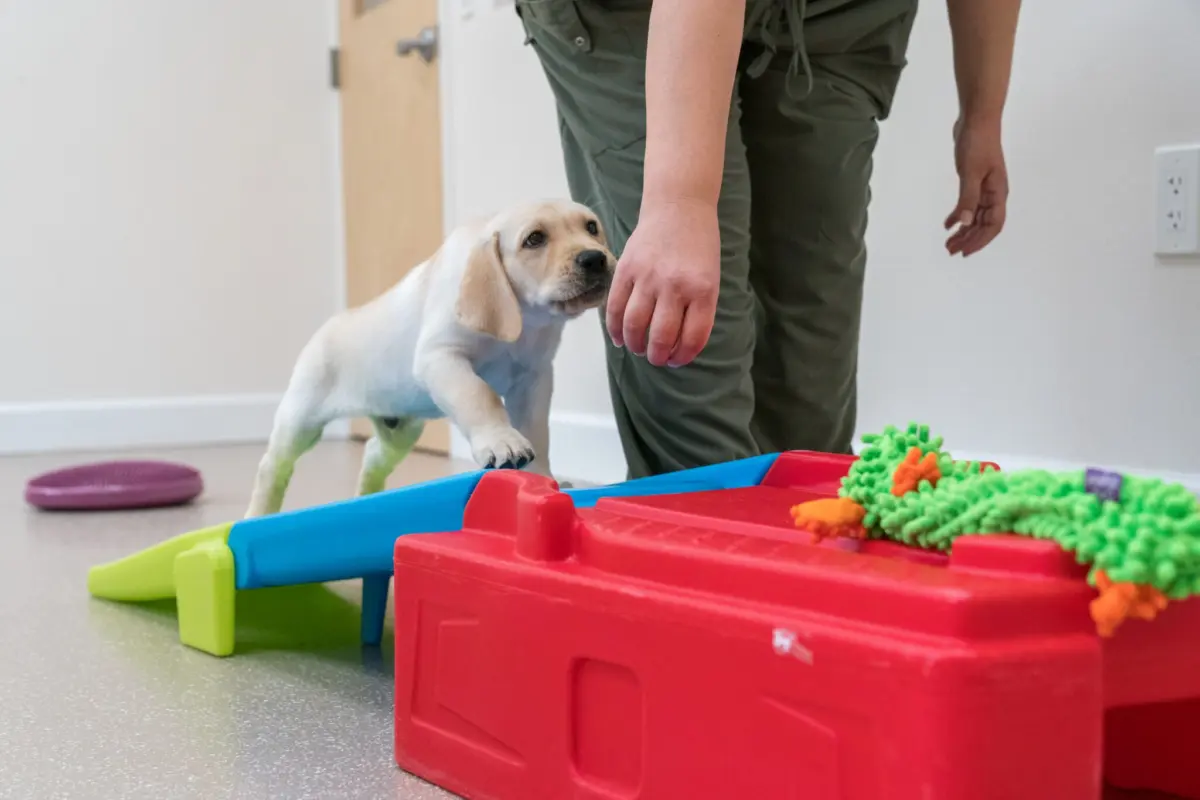
Concurrently, around three months of age, puppies are cognitively ready to absorb basic cues through short, positive-reinforcement training sessions. Crate training can also be introduced here to foster early independence and routine.
4. The Juvenile and Adolescent Stages (6 Months to 12 Months and Beyond)
As puppies mature into adolescence—which can begin as early as six months—they frequently test boundaries, mirroring human teenagers. Between six and twelve months, most dogs reach reproductive maturity. Females experience their first heat cycles and broader hormonal shifts, while males exhibit new hormone-driven behaviors.
Furthermore, behavioral scientists note that puppies experience an average of four distinct "fear periods" during their growth cycle. These temporary phases make them more sensitive to perceived threats or startling experiences, underscoring the need for gentle, positive reinforcement when introducing novel environments.
Formal puppy classes, often beneficial around sixteen weeks of age, help bridge the gap toward young adulthood, ensuring the dog remains stable, confident, and capable.
Supporting Context & Metrics: The Science of ENS and Development
To fully understand the philosophy at Dogs Inc, one must examine the specific mechanics of Early Neurological Stimulation and how it interacts with canine physiology.

What is Early Neurological Stimulation (ENS)?
Originally developed as part of a military dog program and later popularized for broader canine breeding programs, ENS involves a series of five distinct, tactile exercises performed once daily between the third and sixteenth days of life. Each exercise lasts only three to five seconds per puppy:
- Tactile Stimulation: Holding the puppy in one hand, the handler tickles the pad of one foot gently using a cotton tip or finger.
- Head Erect: Holding the puppy perpendicularly (head pointing up, tail pointing down) with both hands.
- Head Down: Holding the puppy firmly with the head pointed downward toward the ground.
- Supine Position: Holding the puppy comfortably on its back, allowing the muzzle to point upward.
- Thermal Stimulation: Placing the puppy feet-down on a damp towel that has been cooled in a refrigerator for a short duration.
Physiological Impacts and Potential Benefits
These gentle exercises introduce mild, acute stress in a safe, controlled environment. The physiological response stimulates the neurological system, improving the cardiovascular system (heart rate), adrenal glands, stress tolerance, and immune system resistance.
While ENS is not a substitute for training or general intelligence, decades of observation by breeders, handlers, and researchers suggest several potential benefits for puppies that undergo the protocol:
- Enhanced cardiovascular performance and improved heart health.
- Greater tolerance to stress, allowing dogs to recover faster from startling or novel stimuli.
- Greater disease resistance, bolstering overall physical resilience.
- Improved adaptability, helping working dogs navigate unpredictable, high-pressure environments.
ENS vs. Socialization: A Critical Distinction
A common misconception in puppy rearing is that ENS and socialization are synonymous. In reality, they serve entirely different purposes at different stages of life:
- ENS is strictly a neonatal intervention (days 3–16) focused on neurological and physiological conditioning before the eyes and ears are even open.
- Socialization is a psychological and behavioral process (weeks 3–12 and beyond) focused on environmental exposure, confidence-building, and social interactions with humans, animals, and unfamiliar objects.
Both are indispensable pillars of a comprehensive developmental curriculum, but neither can replace the other.

Official Perspectives: The Philosophy of Dogs Inc
Preparing a dog to guide a blind traveler or mitigate the symptoms of a combat veteran with PTSD requires an extraordinary commitment to excellence. At Dogs Inc, the philosophy centers on the understanding that exceptional working dogs are shaped through a continuum of intentional care.
"A puppy’s first weeks may pass in the blink of an eye, but they mark the genesis of a lifetime journey," notes a senior canine development specialist at Dogs Inc. "We cannot expect a dog to walk into a bustling airport, ignore major distractions, and calmly guide a handler if we haven’t first cultivated resilience at a cellular and neurological level from day one."
Organizations like Dogs Inc recognize that a puppy’s temperament and future success are governed by an intricate web of variables:
- Genetics: Selecting breeding stock with proven health and stable temperaments.
- Health and Nutrition: Supplying optimal nourishment through every life stage, transitioning from maternal milk to solid foods.
- Early Neurological Stimulation: Priming the nervous system during the neonatal window.
- Targeted Socialization: Exposing the growing dog to diverse human populations, surfaces, sounds, and species.
- Positive Reinforcement Training: Building reliable problem-solving skills and cooperation through reward-based education.
By refusing to leave any single phase of development to chance, Dogs Inc ensures that every canine graduate possesses the emotional maturity required for life-changing partnerships.
Future Outlook: Building the Next Generation of Life-Changing Partners
As the science of canine cognition and development continues to evolve, organizations at the forefront of service dog training are placing an even greater emphasis on early-stage data collection, maternal health, and tailored environmental enrichment.
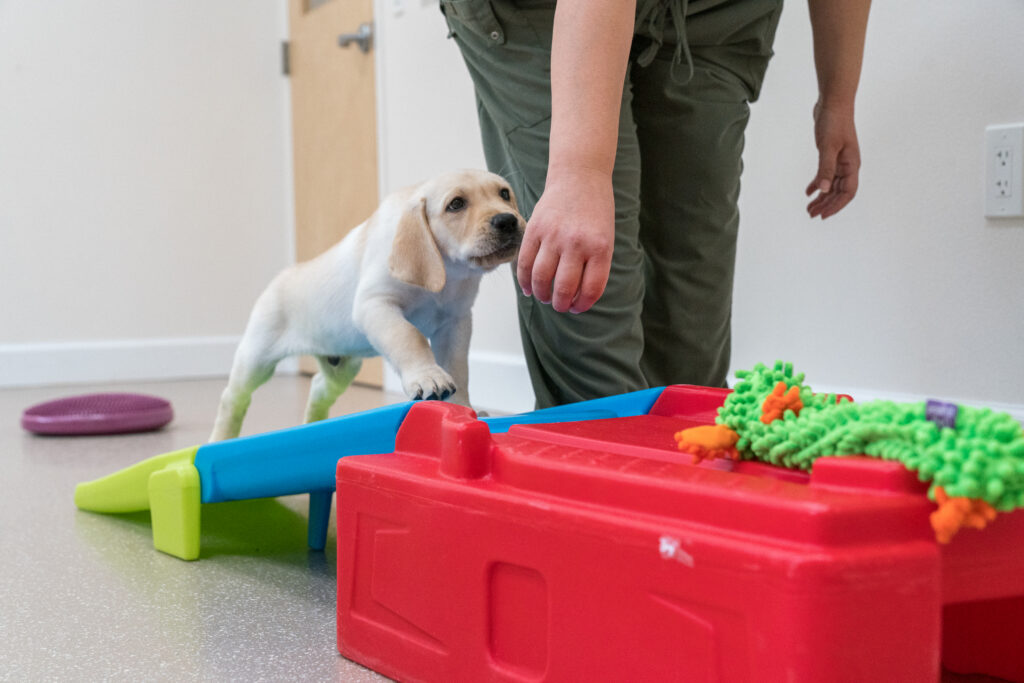
The future of guide and service dog breeding relies on continuous refinement. By pairing historical wisdom—such as established ENS protocols—with modern behavioral insights into juvenile fear periods and adolescent boundaries, institutions can reduce wash rates and maximize working longevity.
For the puppies born into the Dogs Inc program, the path ahead is filled with milestones: transitioning from the nursery to volunteer puppy raisers, graduating to formal harness or task training, and ultimately uniting with an individual seeking independence and freedom.
Ultimately, early development is not about manufacturing "perfect" dogs. It is about equipping them with the emotional and physiological resilience to handle an imperfect, dynamic human world. Through meticulous, science-based care starting from the very first day of life, Dogs Inc continues to set the gold standard for what it means to breed, raise, and deploy the world’s finest service and guide dogs.