
Executive Overview
In an era where environmental conservation and agricultural production are frequently pitted against one another as mutually exclusive endeavors, a growing movement is quietly rewriting the narrative. At the forefront of this paradigm shift is the Audubon Conservation Ranching (ACR) program in California, an initiative that seeks to prove that livestock grazing and biodiversity preservation are not just compatible—they are mutually reinforcing.
This comprehensive report explores the transformative journey of an ACR intern, whose firsthand experiences across California’s diverse rangelands shed light on the complex interplay between working lands, wildlife habitats, and human stewardship. Through immersive fieldwork, conferences, and direct collaboration with multi-generational ranching families, the internship challenged conventional conservation dogmas. It revealed that sustainable land management relies not on human exclusion, but on intentional, ecologically informed participation.
From mastering the acoustic ecology of native bird species to understanding the intricate mechanics of adaptive multi-paddock grazing, the narrative underscores a vital realization: the future of California’s ecosystems depends heavily on recognizing humans—and the ranchers who tend the soil—as integral keystone species.
Detailed Chronology: From Classroom Theory to the Rangeland Frontier
The Catalyst: Immersive Introduction to Working Lands
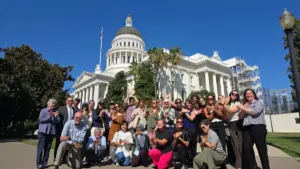
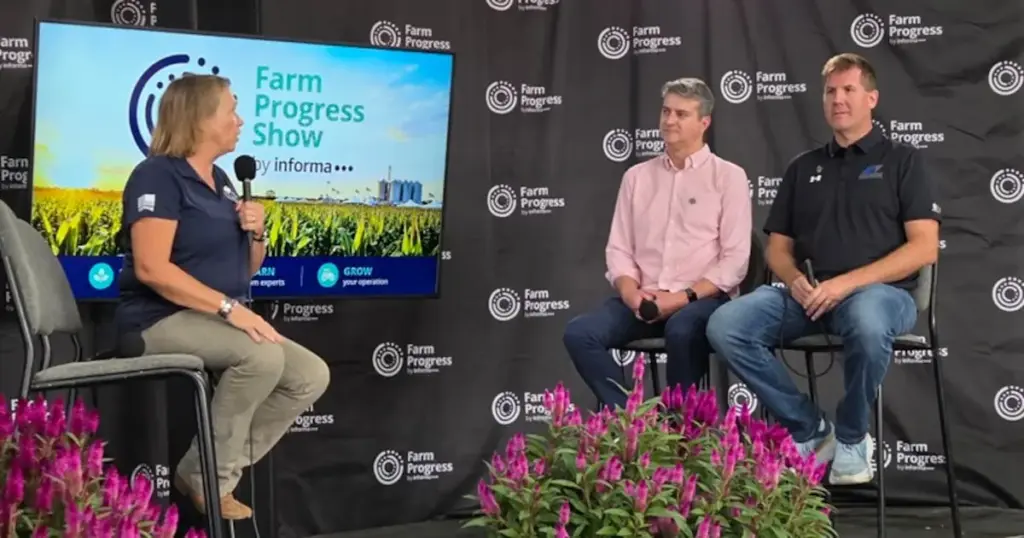
The journey into the heart of California’s conservation ranching began not with a quiet walk in the woods, but with a high-velocity immersion into the professional world of rangeland management. Barely two weeks into the Audubon Conservation Ranching internship, the author was thrust into the Society for Range Management (SRM) conference in Monterey. Described as a forward-thinking and high-energy gathering of land managers, scientists, and agriculturalists, the conference served as an intellectual crucible. In a single week, the exposure to cutting-edge ecological models surpassed what months of traditional classroom instruction could achieve.
It was here that the foundational concepts of modern conservation ranching were first introduced. Rather than viewing cattle as destructive agents of overgrazing, the conference framed livestock as dynamic simulators of historical natural disturbances—echoing the role once played by vast herds of native herbivores like elk and pronghorn. This adaptive management approach utilizes targeted grazing pressures to enhance soil health, stimulate plant succession, and foster structural heterogeneity in grasslands.
Expanding Horizons: Fieldwork Across California’s Ecosystems
Following the intellectual awakening at the SRM conference, the internship transitioned into rigorous, boots-on-the-ground fieldwork. Traveling across California’s varied topography—from the oak woodlands and rolling foothills of the Central Valley to the wind-swept coastal ridges of Bodega Bay—the intern began to piece together the natural history of the landscape from the window of a 4X4 vehicle.
A defining milestone occurred in April during the peak of the spring productivity cycle. Stationed at a pristine ranch near Lake Berryessa featuring intact oak woodland, grassland, and shrub ecosystems, the intern collaborated with field biologists from Point Blue Conservation Science. Here, formal bird point-count methodologies were introduced, transforming casual birdwatching into a rigorous, data-driven ecological survey technique.
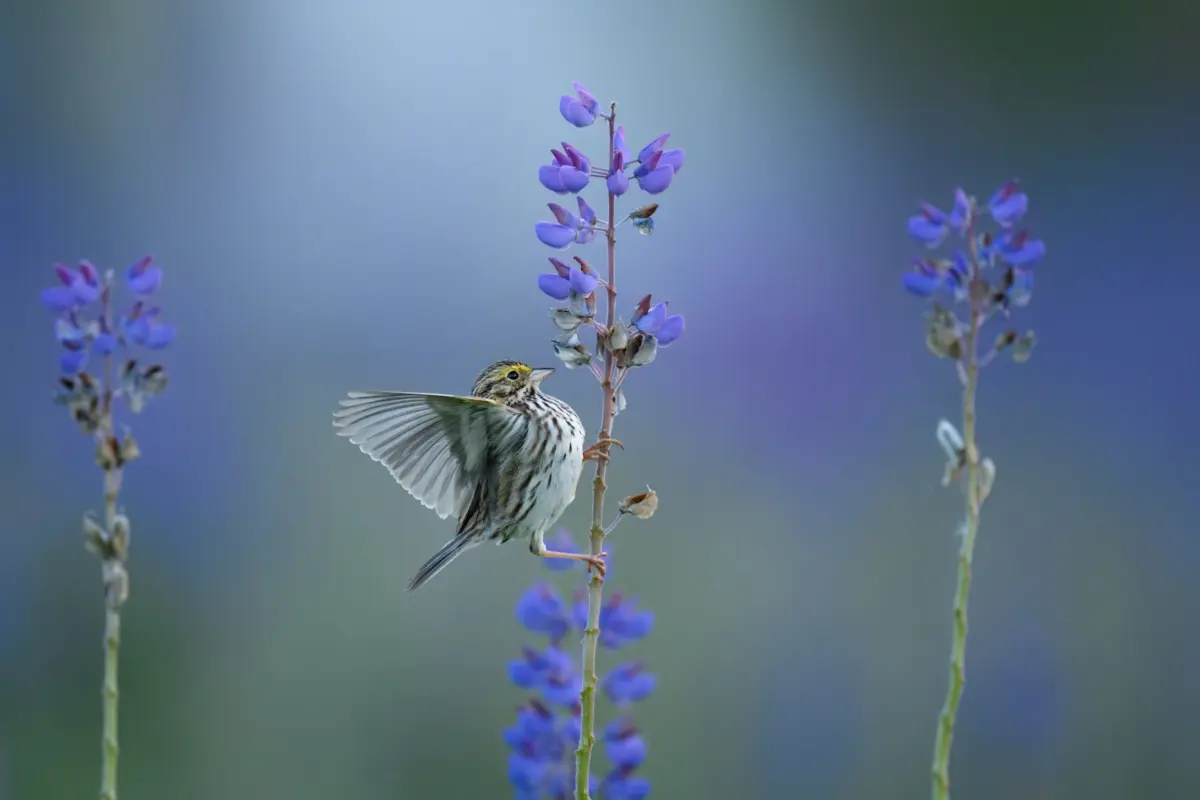
This fieldwork was punctuated by moments of acute realization, such as an encounter on a coastal ridge in Bodega Bay. While conversing with fellow land stewards, the sharp, frantic alarm calls of a Savannah Sparrow pierced the coastal breeze. Recognizing the behavioral cue, the group paused, stepped back, and observed the bird returning to its ground nest hidden nearby. This micro-encounter encapsulated the core lesson of the field placement: true conservation requires slowing down, subduing human urgency, and attuning oneself to the subtle feedback loops of the environment.
Supporting Context & Metrics: The Science of Audubon Conservation Ranching
To fully appreciate the scope of the ACR program, it is essential to examine the underlying ecological frameworks and metrics that govern habitat certification and working lands management.
Birds as Ecological Indicators
In the framework of rangeland conservation, birds serve as premier bioindicators. Because avian species occupy virtually every available ecological niche—from ground-nesting grassland songbirds to canopy-dwelling raptors—their population dynamics, breeding success, and distributional shifts provide immediate, real-time data on ecosystem health.
- Sensitivity to Habitat Quality: Declines in bird species density often signal early-stage environmental degradation, such as soil compaction, diminished native plant diversity, or hydrological stress, long before such changes become apparent in vegetative or soil telemetry data.
- Mobility as an Advantage: Unlike plants or resident small mammals, birds possess high mobility. Their presence or absence in a given rangeland pasture reflects immediate habitat suitability, offering conservationists a dynamic metric for evaluating the success of rotational grazing protocols.
The Mechanics of Adaptive Grazing
The Audubon Conservation Ranching program utilizes specific ecological standards to certify working lands. Central to these standards is adaptive managed grazing, which diverges sharply from continuous, set-stocking agricultural models.
| Grazing Model | Soil Health Impact | Biodiversity Impact | Plant Succession |
|---|---|---|---|
| Continuous Grazing | High vulnerability to compaction; reduced organic matter. | Homogenization of plant communities; decline in specialist bird species. | Stagnation; dominance of unpalatable invasive species. |
| Adaptive Managed Grazing | Enhanced carbon sequestration through concentrated hoof action and rest periods. | Creation of structural mosaics supporting ground-nesters, raptors, and pollinators. | Encourages deep-rooted native perennial grasses and robust root systems. |
By mimicking natural disturbance regimes, adaptive grazing breaks up surface crusting, incorporates organic litter into the soil profile, and—most crucially—allows adequate rest periods for plants to replenish root carbohydrate reserves. This dynamic interaction revitalizes soil microbiology and fosters a multi-layered landscape mosaic capable of sustaining high biodiversity.
Official Statements and Indigenous Perspectives
The intersection of agriculture and conservation is increasingly informed by a synthesis of modern ecological science and traditional ecological knowledge (TEK).
The Intergenerational Wisdom of Ranchers
A striking revelation of the internship was the profound, place-based knowledge held by California ranchers. While academic training provides generalized models, multi-generational stewards possess localized, fine-scale observational data accrued over decades or centuries of familial land management. Many of these families wake up before dawn, intimately understanding the daily and seasonal pulses of their local watersheds.
"A rancher might not always know the formal scientific species name for a Red-winged Blackbird, but they have spent generations watching that population cycle through seasons of drought and abundance. They know where the coyotes hang out on a hot day, where you will find an American Kestrel hovering on updrafts… and where the Western Meadowlark are nesting this year."
This intimate, daily engagement blurs the line between human observer and ecosystem participant. It demonstrates that effective conservation cannot be effectively imposed exclusively from urban academic centers; it must be co-created with the people whose livelihoods depend on the long-term vitality of the land.
Bridging Modern Conservation with Indigenous Stewardship
This perspective naturally bridges into the broader historical context of California’s landscapes. Long before European settlement, Indigenous communities actively managed California’s ecosystems using sophisticated tools, including controlled burning, selective harvesting, and cyclical movement.
Modern conservation ranching echoes these ancient paradigms by acknowledging that humans are not inherently destructive interlopers in natural systems. Instead, when guided by ecological literacy and intentional management, human stewardship functions as a vital keystone process. Food production, rural community well-being, and wildlife conservation are thus revealed not as competing forces, but as complementary pillars of a resilient biosphere.
Future Outlook: The Next Generation of Land Stewards
As the internship formally concludes, the broader implications of the ACR model point toward an optimistic future for California’s environment and agricultural economy. The experience of re-envisioning working lands through the dual lenses of scientific rigor and practical observation offers a replicable blueprint for conservation efforts nationwide.
Key Takeaways for the Future of Conservation
- Integration Over Isolation: Future conservation initiatives must move past exclusionary models that wall off nature from humanity. Preserving vast tracks of wilderness is vital, but integrating ecological health into working agricultural landscapes scales conservation across millions of acres of privately owned land.
- Technological and Sensory Literacy: Equipping the next generation of environmentalists with both high-tech tools (such as bird identification applications and GIS mapping) and low-tech sensory awareness (patience, stillness, and acoustic monitoring) bridges the gap between empirical data and place-based empathy.
- Support for Working Communities: Ensuring the economic viability of multi-generational ranching operations is paramount. Programs like Audubon Conservation Ranching provide market incentives—such as conservation-certified beef labeling—that reward ranchers for implementing wildlife-friendly practices.
Ultimately, the transformation recorded throughout this internship underscores a fundamental truth: saving the planet’s biodiversity does not require abandoning our working landscapes. By fostering deep respect, slowing down to listen to the rhythms of the earth, and aligning agricultural production with ecological principles, we can cultivate a vibrant future where human livelihoods and native ecosystems thrive in unison.