
Executive Overview
To the casual observer, the prospect of raising a future service dog is a picture of domestic tranquility: a fluffy eight-week-old puppy curled up on a living room rug, destined to one day change a human life. Organizations like Dogs Inc paint a noble, highly inspiring picture of volunteer puppy raising, and for good reason—these animals are literal lifelines for individuals navigating profound physical or neurological disabilities.
However, beneath the public-facing image of vests, public access rights, and heartwarming graduation ceremonies lies an intensely demanding, emotionally complex, and rigorous undertaking. Raising a working dog in training is not merely a volunteer gig; it is a lifestyle transformation. It requires unwavering daily discipline, relentless real-world socialization, total household synchronization, and, eventually, a heart-wrenching goodbye.
This comprehensive report examines the structural realities of service dog puppy raising. By looking past the romanticized facade, we explore the six core challenges volunteers face, the critical framework of institutional support provided by organizations, and why—despite the steep personal cost—thousands of dedicated individuals line up year after year to do it all over again.
Detailed Chronology: The Lifecycle of a Volunteer-Raised Puppy
Understanding the arc of a service dog’s early life illuminates why the process is so structurally demanding. The journey from a chaotic bundle of canine energy to a focused, professional working partner is meticulously planned out across several distinct developmental milestones.
Phase 1: Arrival and Foundation (Weeks 8 through 16)
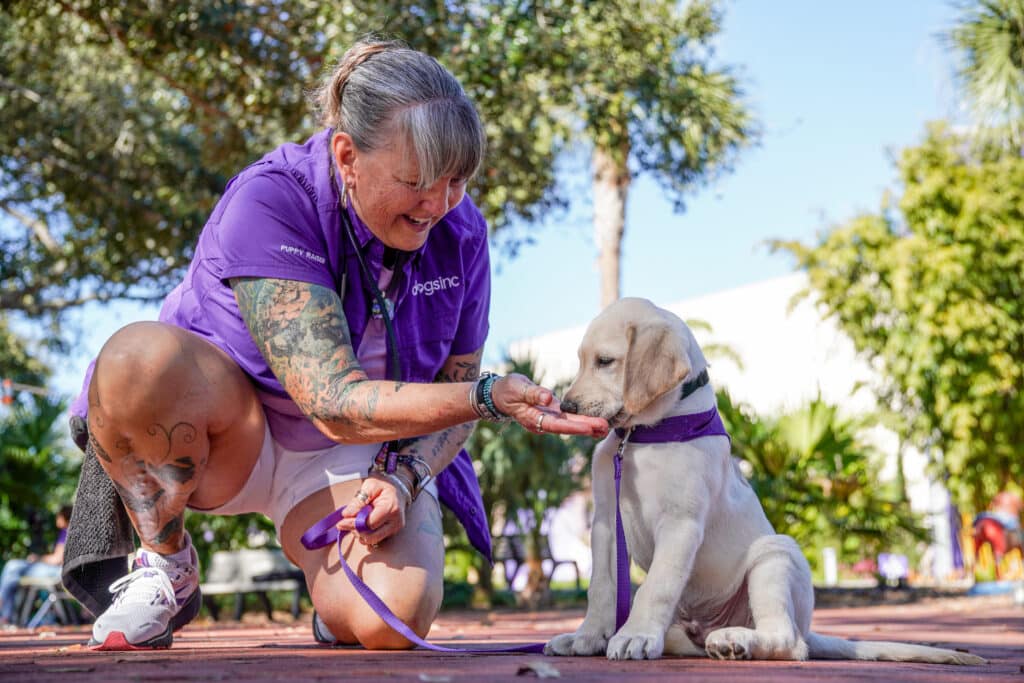
At roughly eight weeks of age, the puppy leaves its littermates and breeding complex to enter a volunteer raiser’s home. This is the critical window of primary socialization. During this stage, the puppy is introduced to basic household manners, crate training, and foundational obedience cues such as "sit," "stay," and "down."
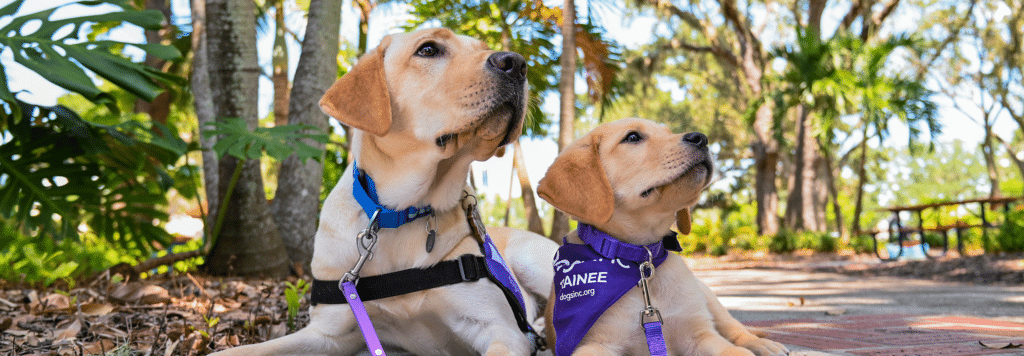
Volunteers are not tasked with teaching advanced mitigation tasks—such as retrieving dropped items or alerting to medical crises. Instead, the focus is purely on habituation: exposing the puppy to household noises (vacuum cleaners, blenders, doorbells), different flooring textures, and varied human handling. Every moment is a teaching opportunity.
Phase 2: Community Integration and Adolescence (Months 4 through 12)
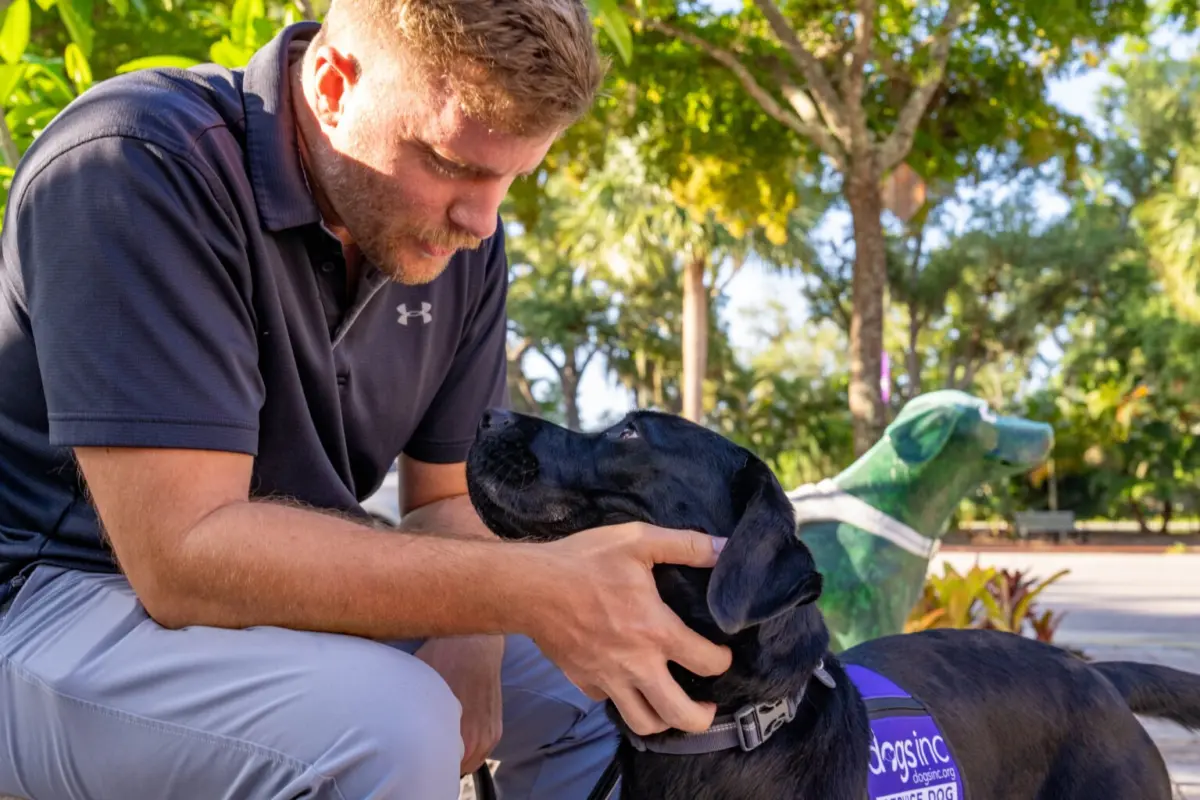
As the puppy matures into its adolescent phase—the canine equivalent of the teenage years—training shifts outward. Volunteer raisers begin introducing the dog-in-training to public environments: grocery stores, bustling shopping malls, public transit systems, and restaurants.
This is where the friction of the real world meets the theory of training. Adolescence brings hormonal shifts, impulsive behaviors, and boundary testing. Dogs that were once compliant may suddenly display bouts of selective hearing, fear periods, or heightened environmental sensitivity. The raiser must navigate these behavioral dips with infinite patience, using positive reinforcement to rebuild confidence.
Phase 3: Graduation and Formal Transition (Months 12 through 18+)
At the conclusion of the puppy-raising period—typically between 12 and 18 months of age—the fateful day arrives. The dog returns to the central facility of the service dog organization for advanced, formal, and professional training. Under the guidance of certified professional trainers, the dog learns specific task work tailored to its future partner’s needs.
For the volunteer raiser, this marks the end of an intensive chapter and the beginning of a profound emotional transition: letting go.
Supporting Context & Metrics: The Six Crucible Challenges of Puppy Raising
To capture the true nature of service dog puppy raising, one must deconstruct the day-to-day obstacles that test even the most dedicated animal lovers.
1. Consistency Every Single Day
Consistency is the currency of canine education, but maintaining it 24 hours a day, 7 days a week, is an exhausting endeavor. Puppies do not understand contextual exceptions; a rule must apply equally on a lazy Sunday morning as it does during a frantic Monday rush hour.
- The Household Hurdle: Every single person sharing a roof—spouses, roommates, children, and regular visitors—must be on the exact same page. If one family member allows the puppy to jump on the couch while another forbids it, the puppy becomes confused, and training regresses.
- Life Doesn’t Pause: Illness, work deadlines, family emergencies, and exhaustion do not grant a waiver from puppy management. The feeding, housebreaking, and redirection schedules must be maintained regardless of external stressors.
2. Navigating Unpredictable Real-World Environments
While basic obedience can be perfected in a quiet living room, a service dog must function flawlessly in chaotic public spaces. Exposing a puppy to the public means courting chaos.
- Sensory Overload: Grocery store aisles feature sliding doors, whirring refrigeration units, dropped glass jars, and intoxicating food smells.
- The Public Distraction Factor: Well-meaning members of the public frequently approach, attempt to pet, talk to, or feed the puppy—directly violating the cardinal rule of service dogs in training. Raisers must master the art of polite boundary-setting with strangers while simultaneously managing the dog’s focus.
3. Managing Distractions and Nonlinear Progress
The psychological profile of a young dog is fluid. Canine development is not a straight upward trajectory; it is marked by breakthroughs followed by sudden regressions.
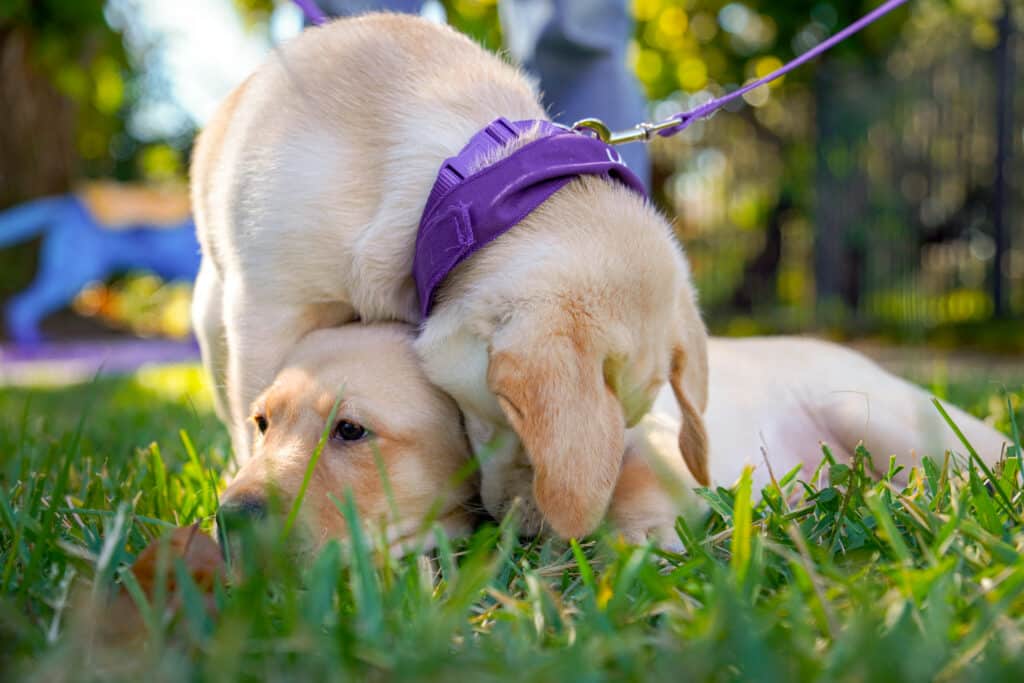
- Two Steps Forward, One Step Back: A puppy that executed a flawless loose-leash walk yesterday may turn into a freight train pulling toward a squirrel today.
- Behavioral Redirection: Rather than reacting with frustration or punishment, raisers must rely on science-backed positive reinforcement, redirecting unwanted impulses into acceptable behaviors over and over again, sometimes hundreds of times a day.
4. The Relentless Time Commitment
Service dog raising is a full-time operational duty wrapped inside a volunteer title.
- The Schedule Revolves Around the Dog: Meal prepping, meticulous tracking of veterinary records, administering preventative medications (such as flea, tick, and heartworm treatments), and scheduling professional training check-ins consume vast amounts of free time.
- The Longevity of the Task: Unlike fostering a rescue dog for a few weeks, puppy raising is a commitment spanning well over a year. It requires altering vacations, social calendars, and daily routines for the long haul.
5. The Emotional Toll: Letting Go
Ask any veteran puppy raiser what the hardest part of the job is, and the answer is universally unanimous: handing the leash back.
- Deep Attachment: After spending upwards of 500 consecutive days integrating a living, breathing, affectionate animal into the fabric of your family, separation is agonizing. The dog knows your habits, sleeps by your bed, and greets you with unbridled joy.
- Reframing the Loss: Organizations like Dogs Inc help raisers reframe this grief. The goal was never to keep the dog; the goal was to act as a bridge—a vital stepping stone that transforms a wild puppy into an educated professional capable of unlocking independence for a person with disabilities.
6. Living Within a Constant Training Environment
When your home is a training ground, the concept of "off-duty" ceases to exist.
- Hyper-Vigilance: Raisers must constantly monitor floor spaces for dropped items, supervise every movement to prevent inappropriate chewing, and utilize management tools like crates to enforce mandatory rest periods.
- Mental Fatigue: The cognitive load of being "on" all day—anticipating a puppy’s needs before they manifest as accidents or misbehavior—causes a unique brand of mental fatigue known affectionately in the community as "puppy brain."
Official Statements & Institutional Framework
Despite the monumental challenges outlined above, volunteers are rarely left to navigate this gauntlet alone. Accredited organizations have built robust support ecosystems designed to safeguard both the mental health of the raiser and the developmental success of the puppy.
"Raising a future service dog is not a solo mission. It is a partnership between the individual volunteer, our certified instructors, area coordinators, and a broader community of peers who have walked the exact same path," notes a senior program administrator at Dogs Inc. "We provide the roadmap, the veterinary financial backing, and the structural safety net. But the raiser provides the heart."
Institutional support systems typically include:
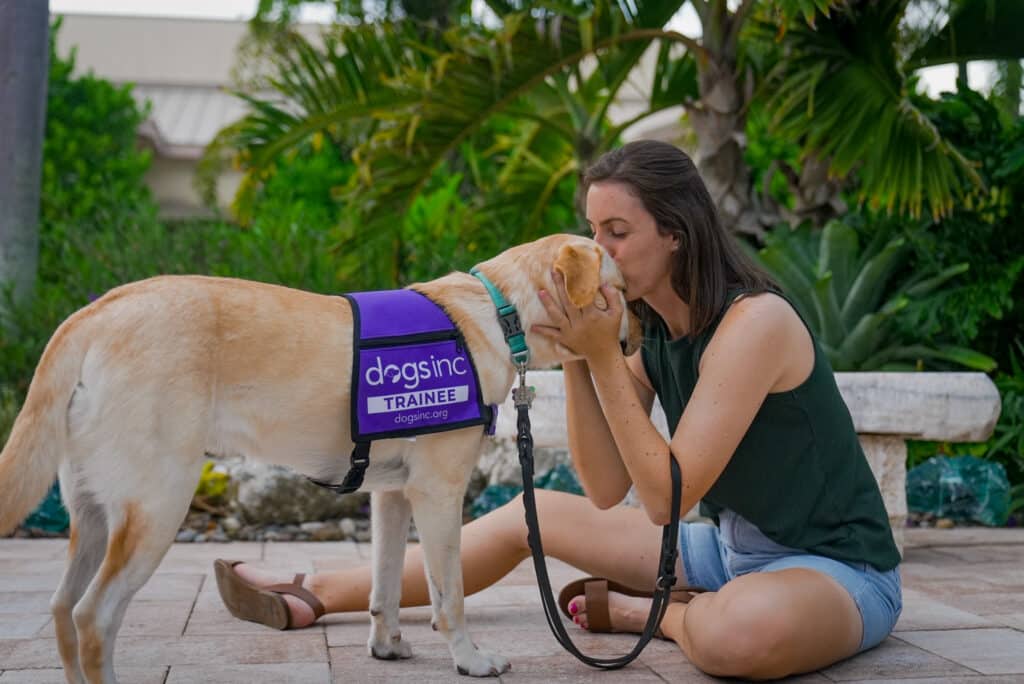
- Dedicated Mentorship: Access to professional instructors and area coordinators who conduct regular evaluations, offer troubleshooting advice, and step in when behavioral roadblocks arise.
- Respite Networks: Many organizations provide "puppy-sitting" networks—temporary care arranged with fellow volunteers or vetted community members—allowing raisers to take necessary vacations, attend family emergencies, or simply catch their breath.
- Community Synergy: Connecting with local cohorts of puppy raisers creates a supportive peer group that shares tips, commiserates over adolescent behavioral dips, and celebrates milestones together.
Future Outlook: The Ripple Effect of a Single Puppy
The landscape of service animal work is evolving. As public understanding of invisible disabilities—such as Post-Traumatic Stress Disorder (PTSD), mobility impairments, and medical alert needs—expands, the demand for highly trained working dogs far outstrips the supply.
Organizations across the country face a persistent bottleneck: not a shortage of willing recipients, but a shortage of qualified, well-socialized dogs ready to enter advanced professional training. This makes the role of the volunteer puppy raiser more critical now than ever before.
Looking forward, the success of the entire assistance dog industry rests on the shoulders of everyday citizens willing to open their homes to chaos, structure, and eventual heartbreak. When a puppy successfully transitions from a volunteer’s living room to a graduation ceremony, the impact multiplies exponentially. It enables a veteran to reclaim public spaces, empowers a wheelchair user to navigate daily life with autonomy, and bridges the gap between isolation and independence.
Conclusion & Next Steps
The challenges of raising a service dog are undeniable. It demands relentless consistency, stringent daily structure, profound patience, and the emotional resilience to love deeply and let go gracefully. Yet, for the individuals and families who take on the challenge, the rewards eclipse the hardships. To watch a clumsy, distracted puppy evolve into a poised, confident working dog—and to know you built the very foundation of that transformation—is an experience matched by few other endeavors.
If you are an individual, family, student, or retiree with a stable routine, a dedication to positive reinforcement, and a heart big enough to make a profound sacrifice, puppy raising may be your calling.
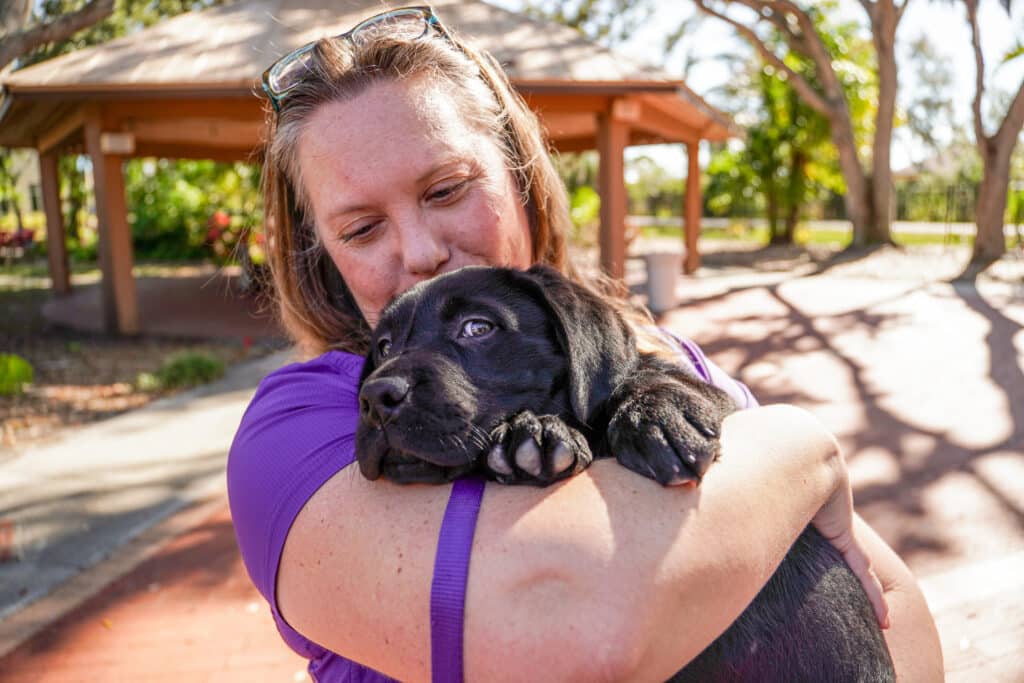
To explore current volunteer opportunities, understand regional requirements, or take the first step toward getting involved, reach out to Dogs Inc today to request an application and speak with a program coordinator. Your living room might just be the starting point for someone else’s freedom.