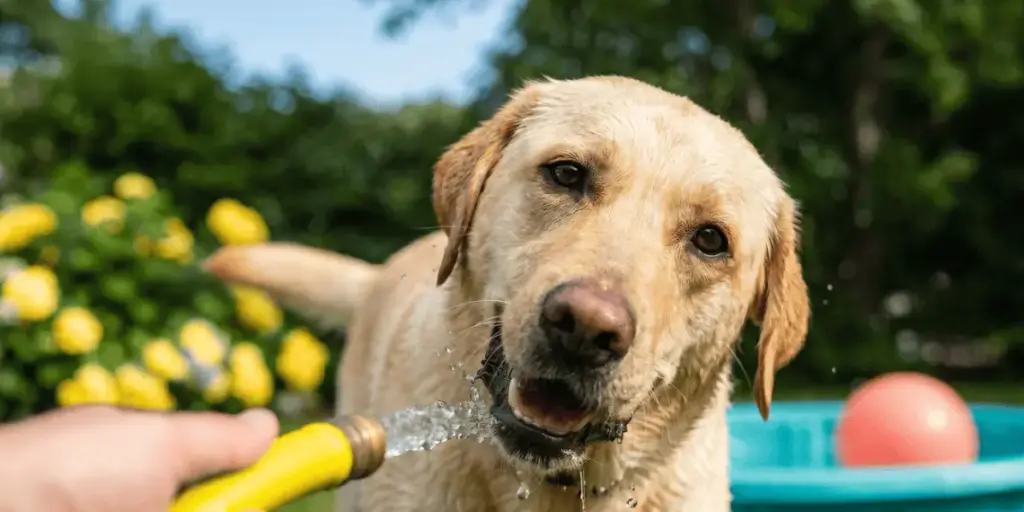
The domestic dog (Canis lupus familiaris) occupies a singular evolutionary niche defined by its capacity for cross-species social bonding. While centuries of artificial selection have produced extreme physical diversification across breeds, they have also systematically shaped behavioral phenotypes. Certain breeds consistently demonstrate heightened levels of sociability, lower territorial aggression, and a pronounced inclination toward human-centric companionship.
This comprehensive investigation evaluates twelve canine breeds widely recognized for their affectionate temperaments and ability to enhance owner well-being. By examining their historical breeding lineages, behavioral genetics, physical maintenance standards, and associated veterinary risk profiles, this report establishes an authoritative framework for prospective owners, veterinary professionals, and canine behaviorists seeking to understand the mechanics of canine affection and responsible breed selection.
Comparative Breed Breakdown: Behavioral Traits and Care Demands
Canine affection is not merely a passive trait; it is an active behavioral complex composed of sociability, lower fear reactivity, human-directed orientation, and social playfulness. Below is a detailed, evidence-based profile of the twelve breeds identified as leading providers of daily companionship and emotional support.
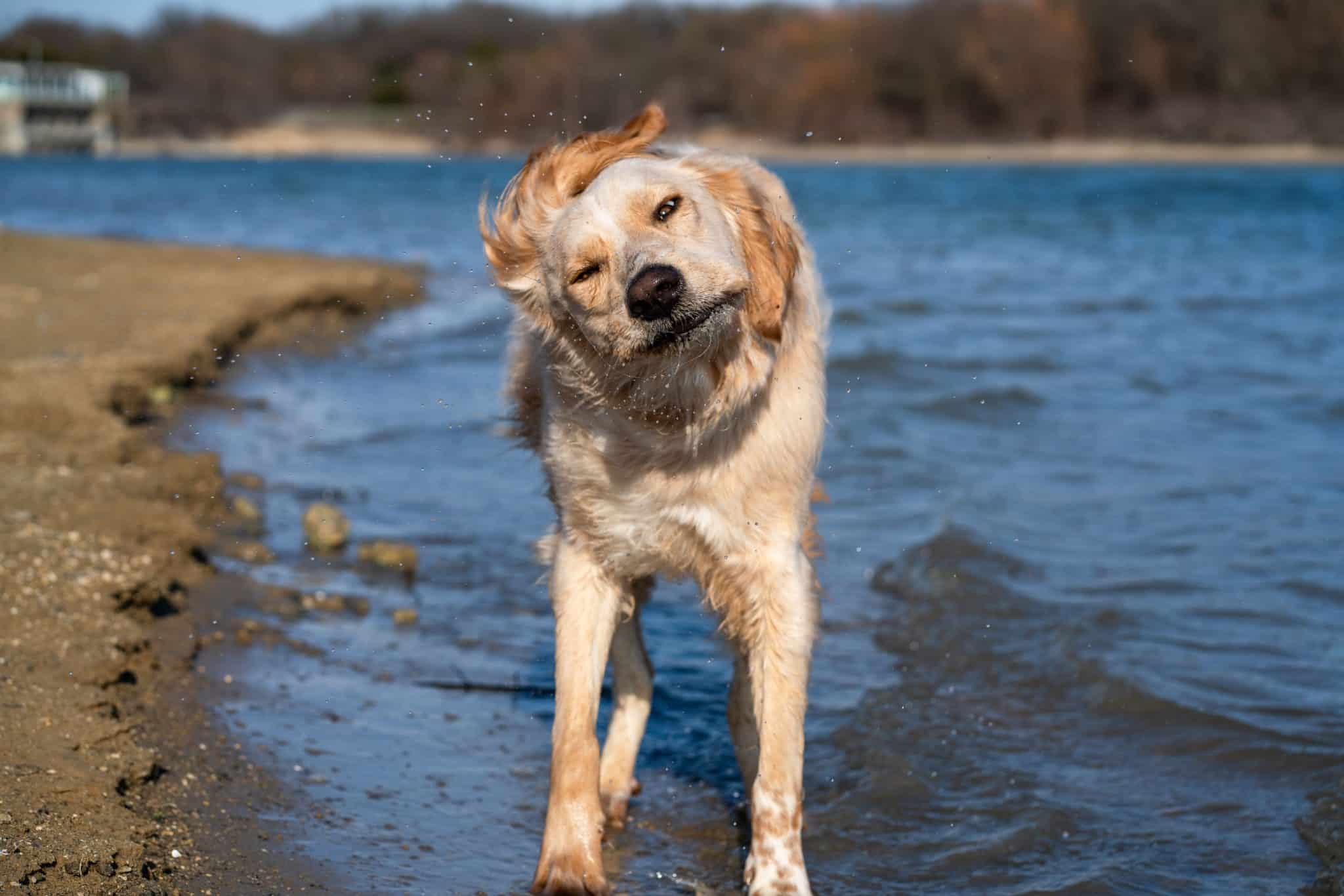
1. Golden Retriever
Group Classification: Sporting Group
Historical Origin: United Kingdom (Scotland)
Behavioral Phenotype: Renowned for their placid temperament, high bidability, and expressive social engagement, Golden Retrievers were initially bred as soft-mouthed game
retrievers. This history selected for dogs that are non-reactive under stress and exceptionally eager to cooperate with human handlers.
Care & Health Considerations:
Exercise & Enrichment: High requirement (minimum 60–90 minutes of daily structured activity, including swimming and retrieval tasks).
Grooming Maintenance: Moderate to high; dense double coat requires weekly brushing and increased maintenance during bi-annual shedding cycles.
Veterinary Profile: Predisposed to hip and elbow dysplasia, progressive retinal atrophy (PRA), and a high incidence of neoplastic conditions (e.g., hemangiosarcoma and lymphoma).
2. Cavalier King Charles Spaniel
Group Classification: Toy Group
Historical Origin: United Kingdom
Behavioral Phenotype: Engineered explicitly for companion duty, the Cavalier combines the gentle demeanor of a toy breed with the lingering instincts of land spaniels. They display low aggression, high adaptability to small living quarters, and an innate desire for close physical contact.
Care & Health Considerations:
Exercise & Enrichment: Low to moderate (30–45 minutes of daily walking); highly adaptable to sedentary households.
Grooming Maintenance: Moderate; silky coat requires frequent combing to prevent matting behind the ears and feathering on limbs.
Veterinary Profile: High risk for Myxomatous Mitral Valve Disease (MMVD) by age five, Syringomyelia (SM) due to occipital hypoplasia, and keratoconjunctivitis sicca (dry eye).
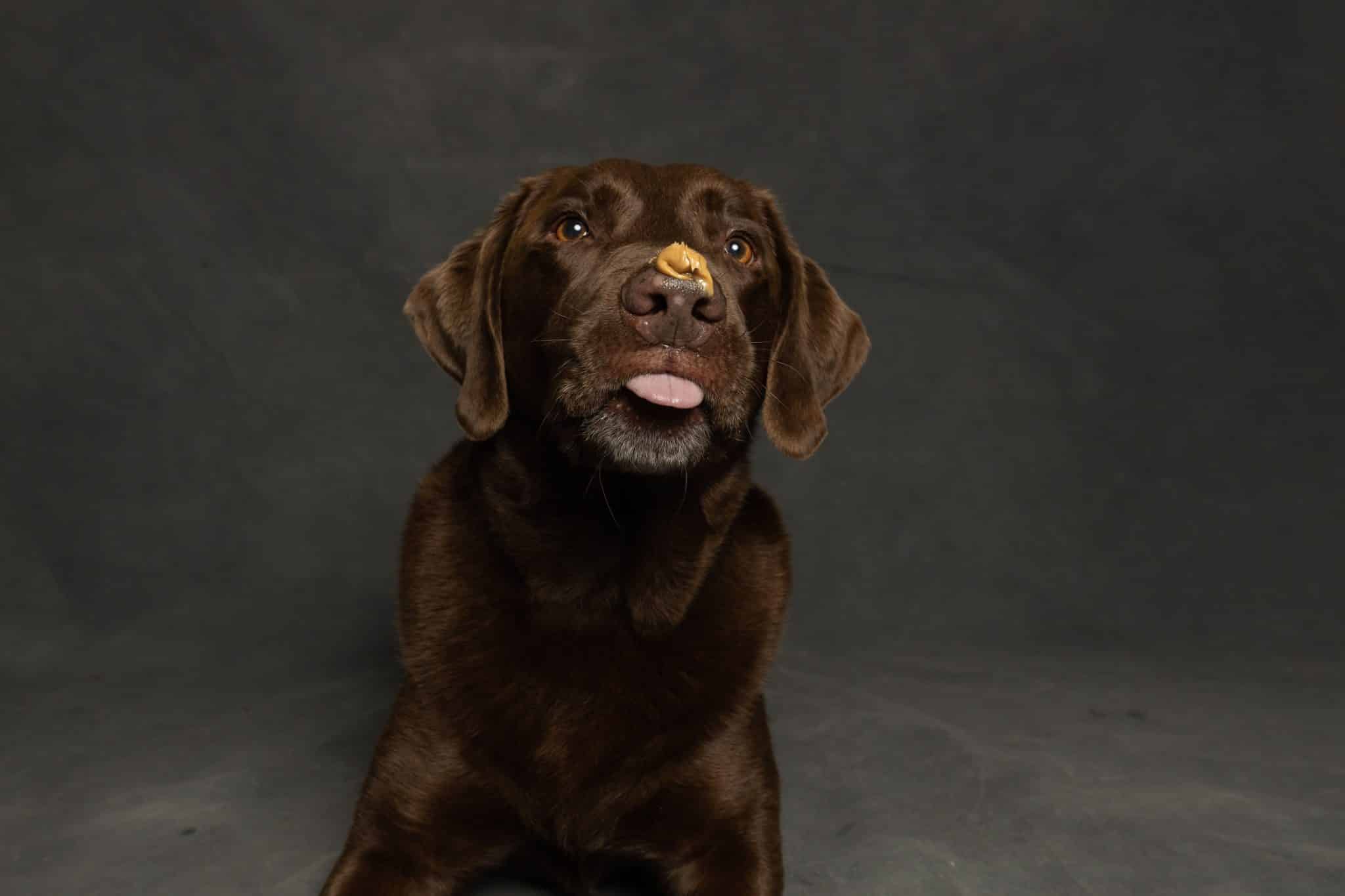
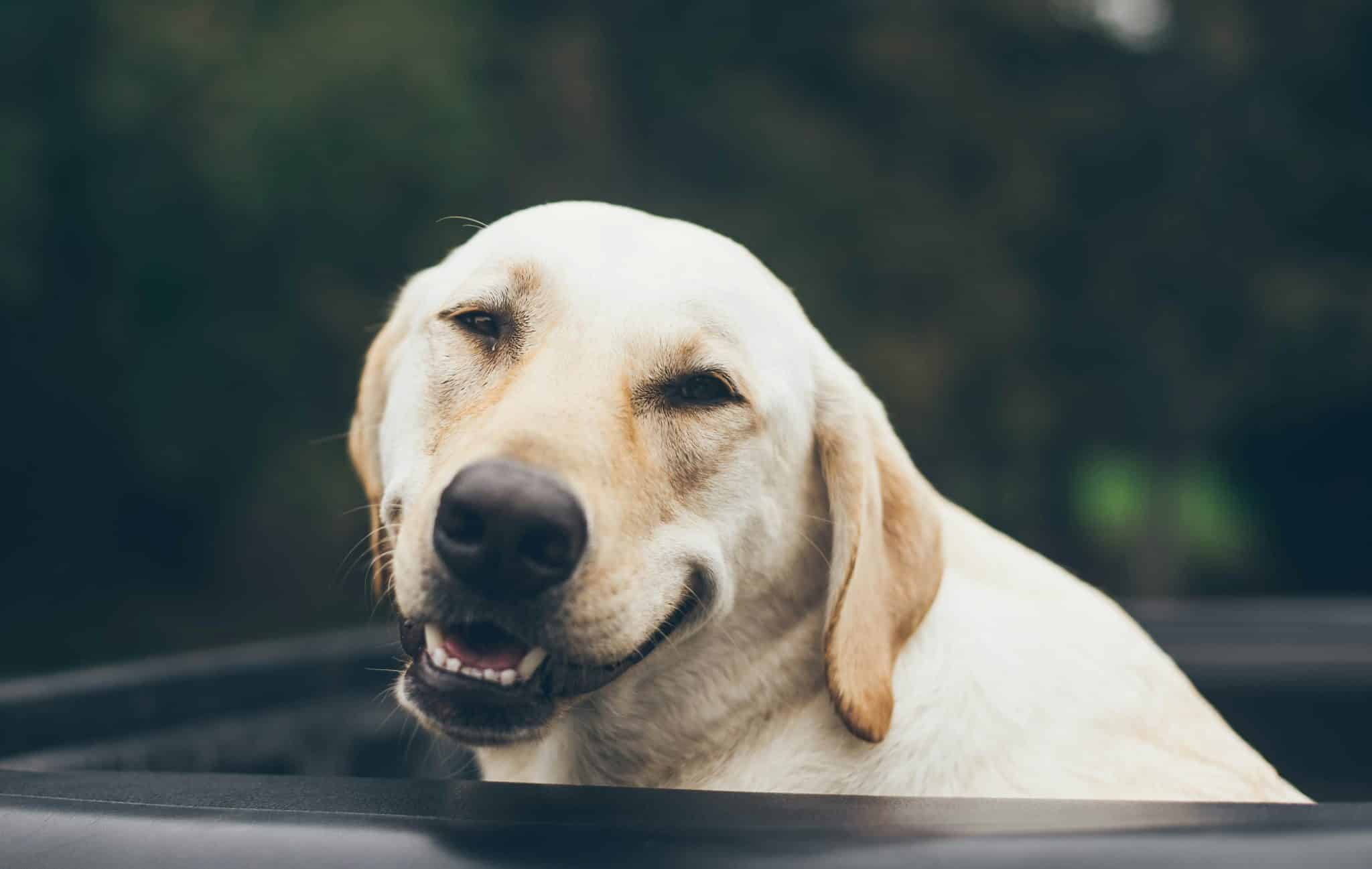
3. Labrador Retriever
Group Classification: Sporting Group
Historical Origin: Canada (Newfoundland)
Behavioral Phenotype: Consistently ranked among the most popular breeds globally, the Labrador Retriever exhibits an exuberant, outgoing disposition. Their high social motivation renders them ideal candidates for assistance work, search and rescue, and multi-pet environments.
Care & Health Considerations:
Exercise & Enrichment: Very high (90+ minutes daily); requires structured mental stimulation to prevent destructive behavior born of boredom.
Veterinary Profile: High propensity for obesity, exercise-induced collapse (EIC), hip and elbow dysplasia, and gastric dilation-volvulus (GDV/bloat).
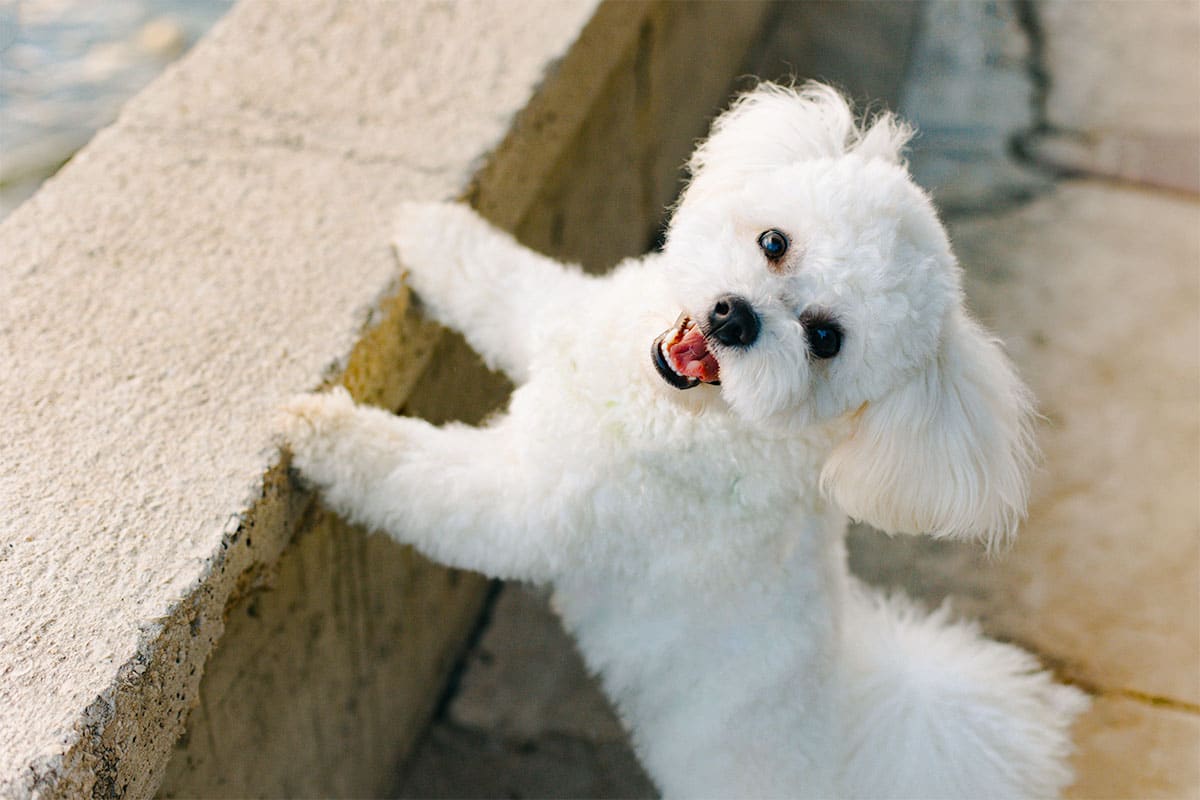
4. Bichon Frise
Group Classification: Non-Sporting / Toy Group
Historical Origin: Mediterranean Region / France
Behavioral Phenotype: The Bichon Frise is characterized by a cheerful, resilient, and highly social personality. Bred historically as sailing companion and lapdog for European nobility, the breed exhibits low territoriality and high enthusiasm for interactive play.
Care & Health Considerations:
Exercise & Enrichment: Moderate (30–60 minutes daily of play and walking).
Grooming Maintenance: High; low-shedding curly coat requires professional grooming every 4–6 weeks and daily brushing to avoid severe matting.
Veterinary Profile: Susceptible to medial patellar luxation, dental disease, allergy-induced dermatitis, and hyperadrenocorticism (Cushing’s disease).
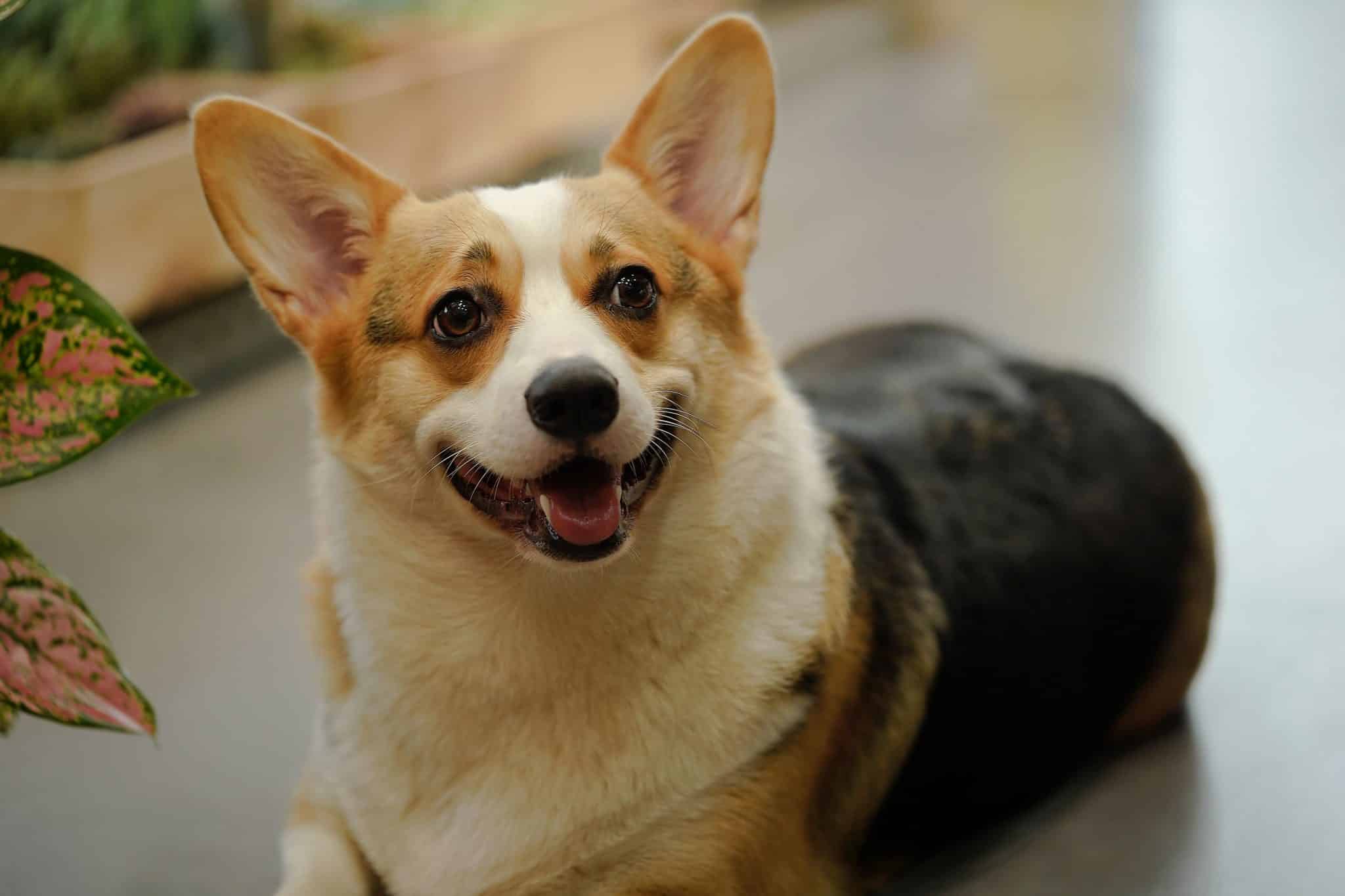
5. Pembroke Welsh Corgi
Group Classification: Herding Group
Historical Origin: United Kingdom (Wales)
Behavioral Phenotype: A low-set, powerful herding dog, the Pembroke Welsh Corgi pairs intense loyalty with an alert, bold personality. Their social affectionate side is complemented by strong problem-solving skills, though herding instincts may manifest as heel-nipping if unaddressed.
Care & Health Considerations:
Exercise & Enrichment: High (60+ minutes daily); benefits significantly from agility, tracking, and advanced obedience work.
Veterinary Profile: Chondrodysplastic build increases vulnerability to Intervertebral Disc Disease (IVDD), degenerative myelopathy (DM), and hip dysplasia.
6. Pug
Group Classification: Toy Group
Historical Origin: China
Behavioral Phenotype: Bred solely as companion dogs for Chinese royalty, Pugs possess a comical, affectionate, and low-conflict disposition. They prioritize human proximity and exhibit minimal prey drive or territorial aggression.
Care & Health Considerations:
Exercise & Enrichment: Low to moderate (30 minutes of low-impact walking daily); highly vulnerable to exercise intolerance in hot climates.
Grooming Maintenance: Moderate; short coat sheds constantly; facial skin folds require daily cleaning to prevent pyoderma.
Veterinary Profile: Brachycephalic Obstructive Airway Syndrome (BOAS), corneal ulcers, Pug Dog Encephalitis (PDE), and hemivertebrae.
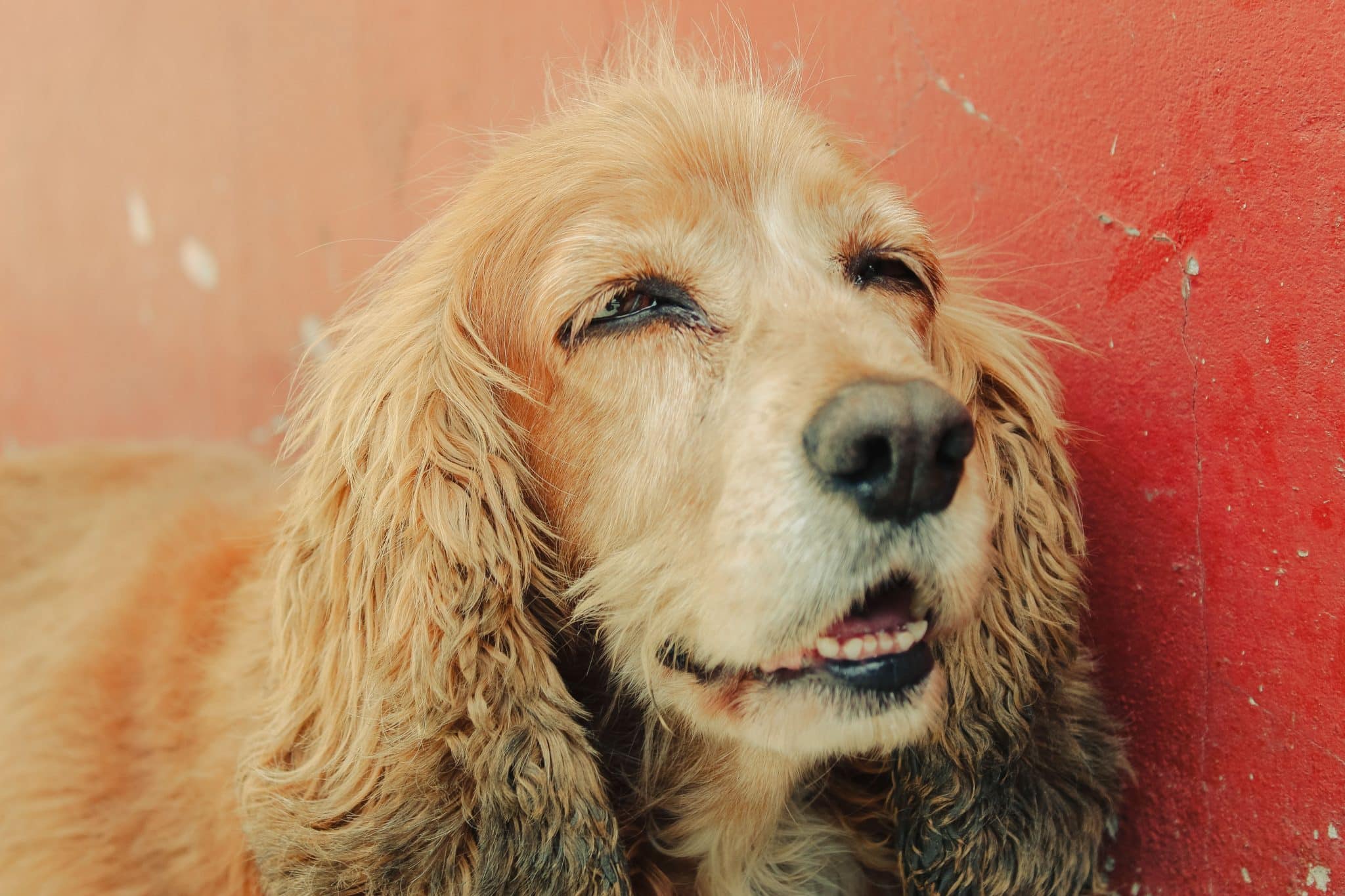
7. Cocker Spaniel
Group Classification: Sporting Group
Historical Origin: United Kingdom / United States
Behavioral Phenotype: Renowned for their soft, melting expression and cheerful tail movement ("merry temperament"), Cocker Spaniels excel in emotionally expressive companionship. They are responsive to soft training methods and thrive on family integration.
Care & Health Considerations:
Exercise & Enrichment: Moderate to high (60 minutes daily of mixed retrieval and scent work).
Grooming Maintenance: Very high; long, silky coat requires regular professional trimming, daily brushing, and careful ear canal hygiene.
Veterinary Profile: Chronic otitis externa due to pendulous ears, autoimmune hemolytic anemia (AIHA), cataracts, and progressive retinal atrophy.
8. Havanese
Group Classification: Toy Group
Historical Origin: Cuba
Behavioral Phenotype: As the national dog of Cuba, the Havanese is an exceptionally human-oriented, train-oriented companion. Often dubbed "velcro dogs," they form intense bonds with family members and exhibit high emotional sensitivity.
Care & Health Considerations:
Exercise & Enrichment: Low to moderate (30–45 minutes daily); responds well to positive-reinforcement trick training.
Grooming Maintenance: High; long, soft double coat requires daily combing or routine clipping ("puppy cut") for manageable maintenance.
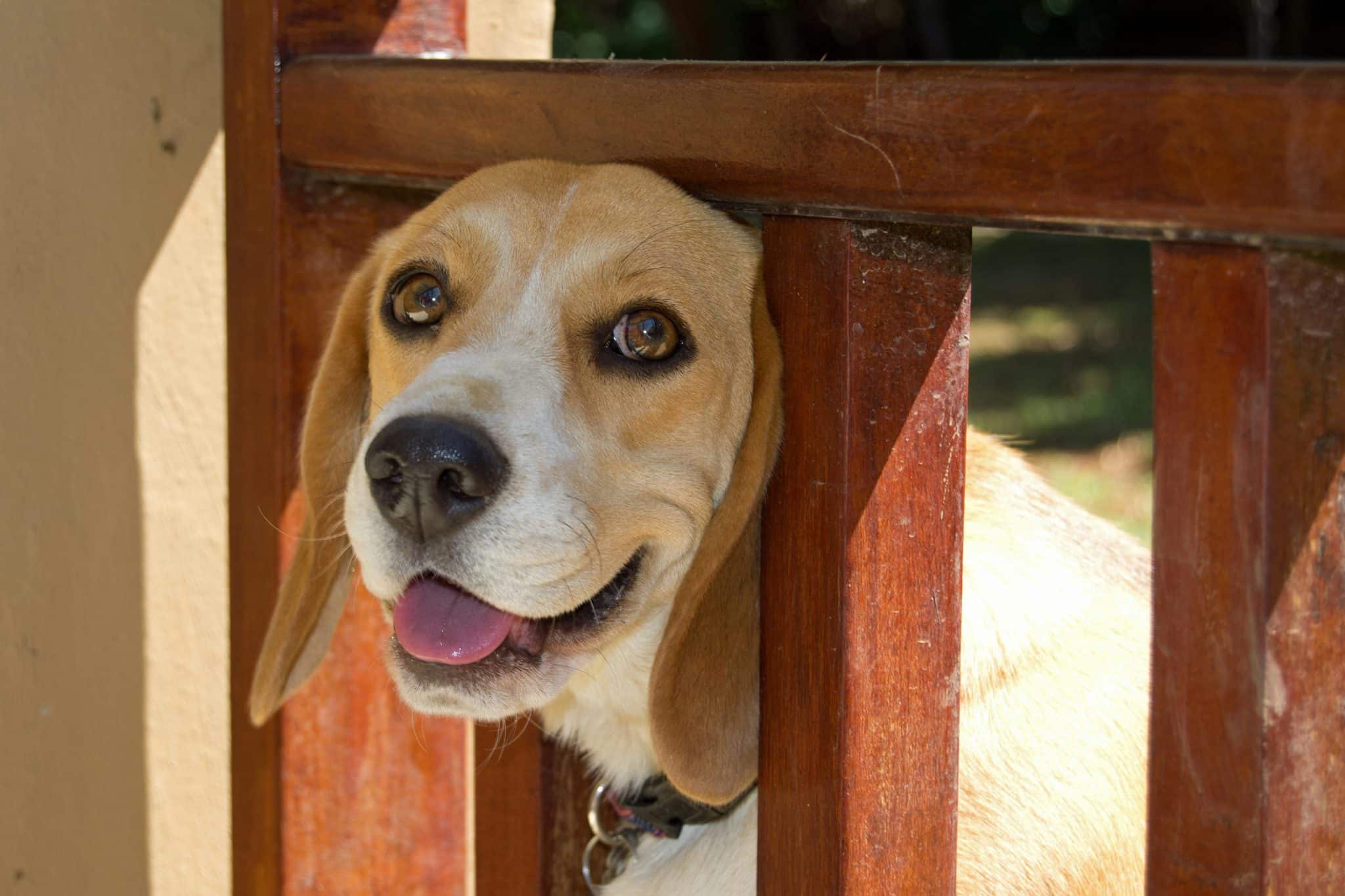
Behavioral Phenotype: Developed for pack-hunting, the Beagle features an inherently social, non-aggressive, and curious nature. Their affability extends to strangers and other dogs, though scent-driven instincts require firm management.
Care & Health Considerations:
Exercise & Enrichment: High (60+ minutes daily); requires heavy olfactory enrichment (nosework) and secure containment.
Grooming Maintenance: Low; short coat requires minimal brushing; regular ear checks mandatory due to poor canal ventilation.
Veterinary Profile: Hypothyroidism, epilepsy, intervertebral disc disease, and obesity due to hyperphagia.
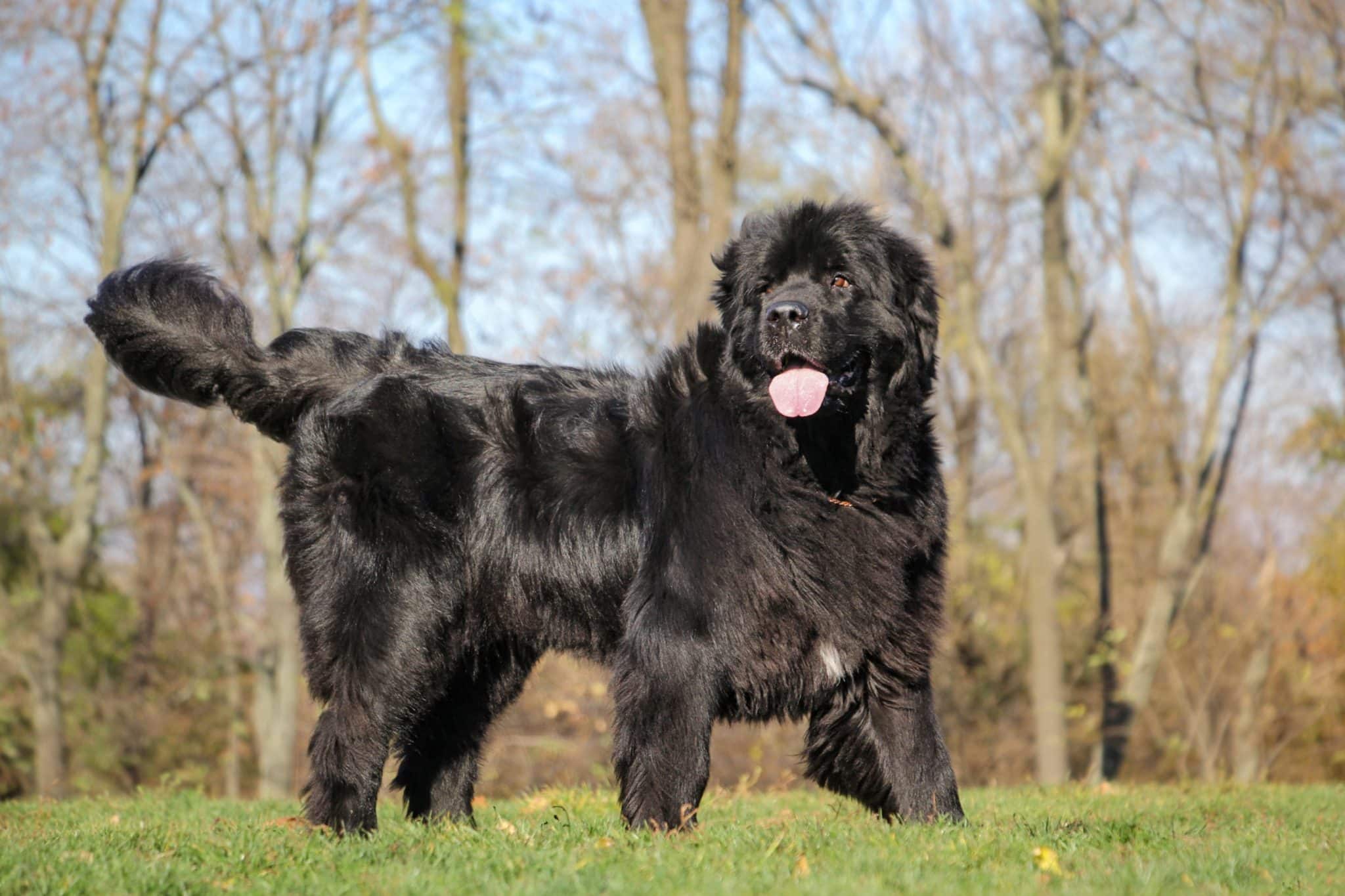
10. Newfoundland
Group Classification: Working Group
Historical Origin: Canada
Behavioral Phenotype: The definitive "gentle giant," the Newfoundland is universally recognized for its calm, patient, and protective yet non-aggressive demeanor. Their historical role in water rescue selected for courage paired with extreme impulse control.
Veterinary Profile: Aortic stenosis, hip and elbow dysplasia, gastric dilation-volvulus, and reduced average lifespan (8–10 years).
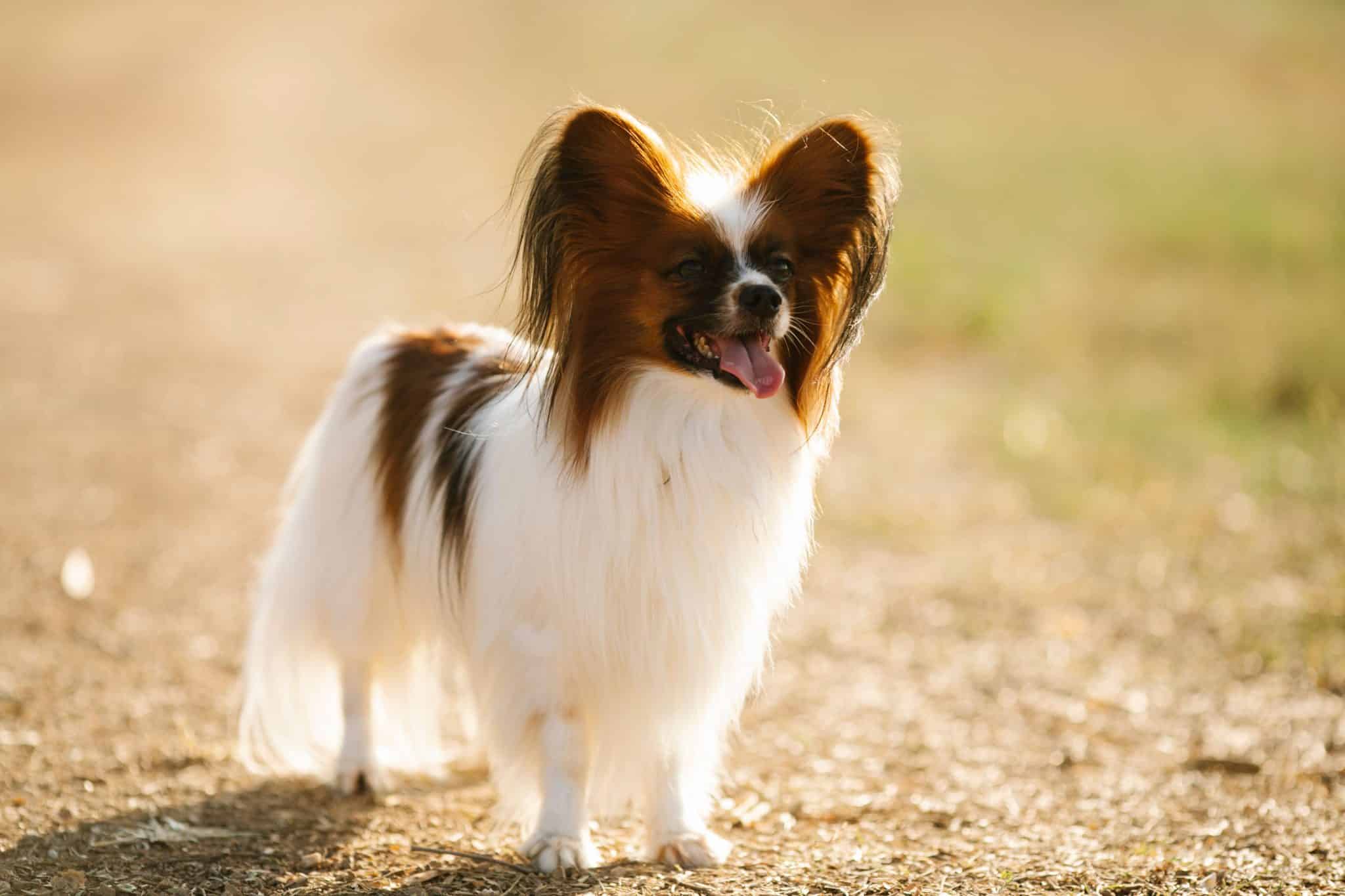
11. Papillon
Group Classification: Toy Group
Historical Origin: France / Belgium
Behavioral Phenotype: Named for their distinctive wing-like ear fringe, Papillons combine toy-dog affection with top-tier canine intelligence. They display high alertness, eagerness to learn, and energetic affection without excessive clinginess.
Care & Health Considerations:
Exercise & Enrichment: Moderate (45–60 minutes daily); excels in competitive agility and obedience trials.
Grooming Maintenance: Moderate; single, silky coat lacks a dense undercoat, reducing matting; weekly brushing suffices.
Veterinary Profile: Fragile bone structure (risk of radius/ulna fractures), open fontanelles, patellar luxation, and progressive retinal atrophy.
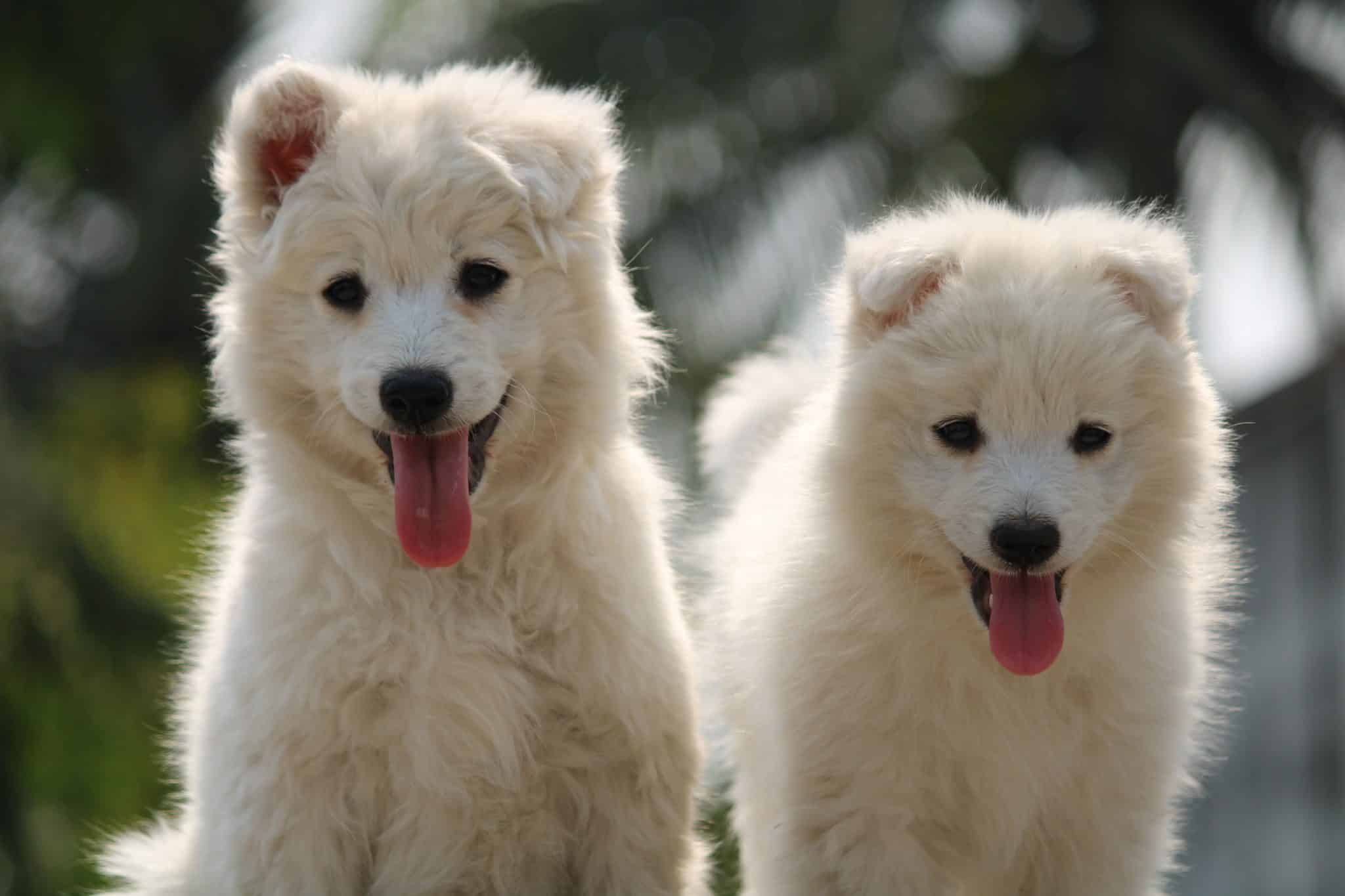
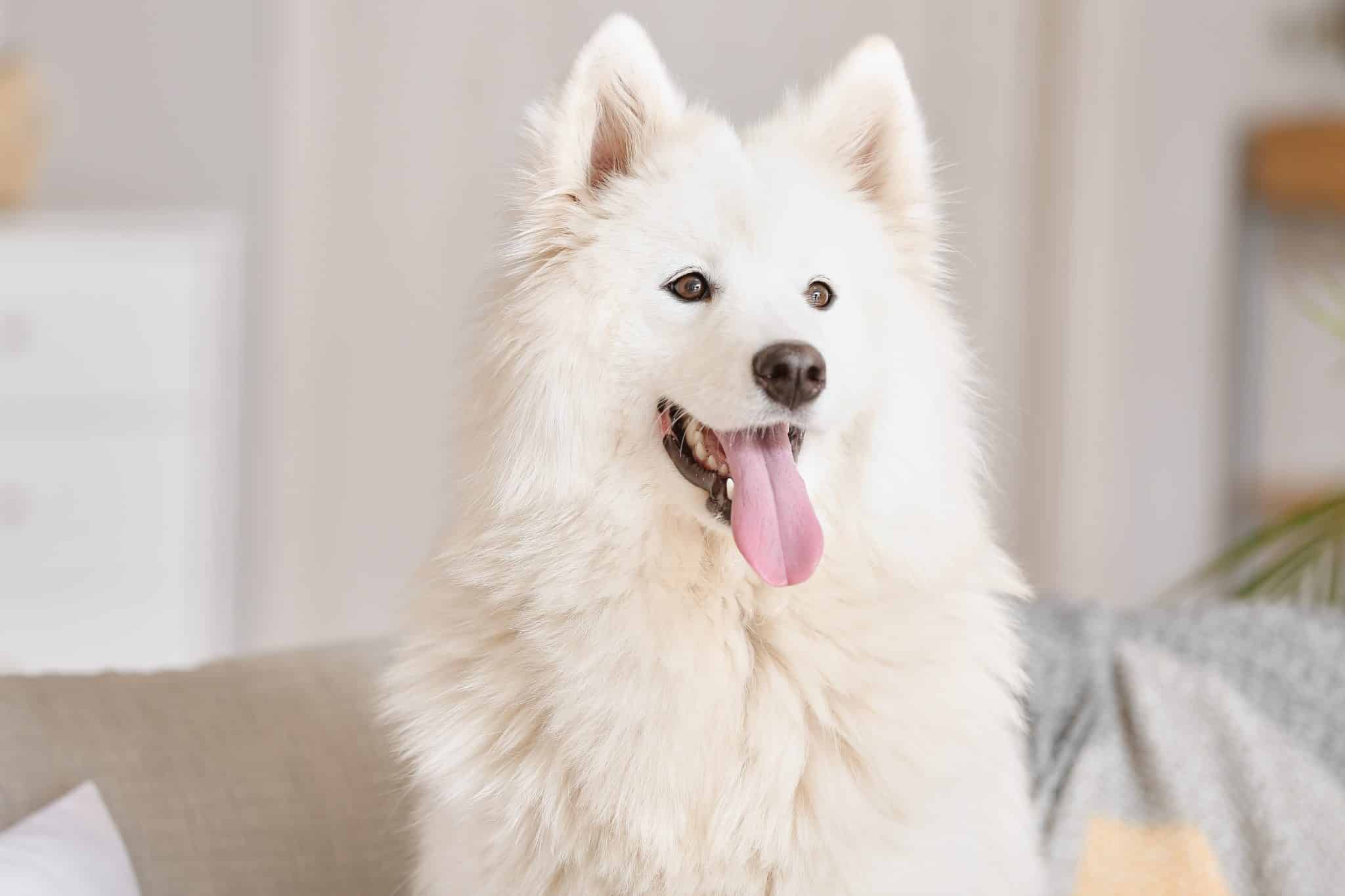
12. Samoyed
Group Classification: Working Group
Historical Origin: Russia (Siberia)
Behavioral Phenotype: Bred by the Samoyedic peoples for herding reindeer and sleeping alongside families for warmth, the Samoyed possesses an intensely social, human-centric nature. The famous "Samoyed smile" is a functional trait designed to prevent icicle formation on the lips.
Care & Health Considerations:
Exercise & Enrichment: High (60–90+ minutes daily); cold-weather exercise preference; high vocalization tendencies.
Grooming Maintenance: Very high; thick, insulating double coat requires extensive weekly brushing and professional high-velocity drying post-bath.
Veterinary Profile: Samoyed Hereditary Glomerulopathy (renal disease), hip dysplasia, diabetes mellitus, and bloat.
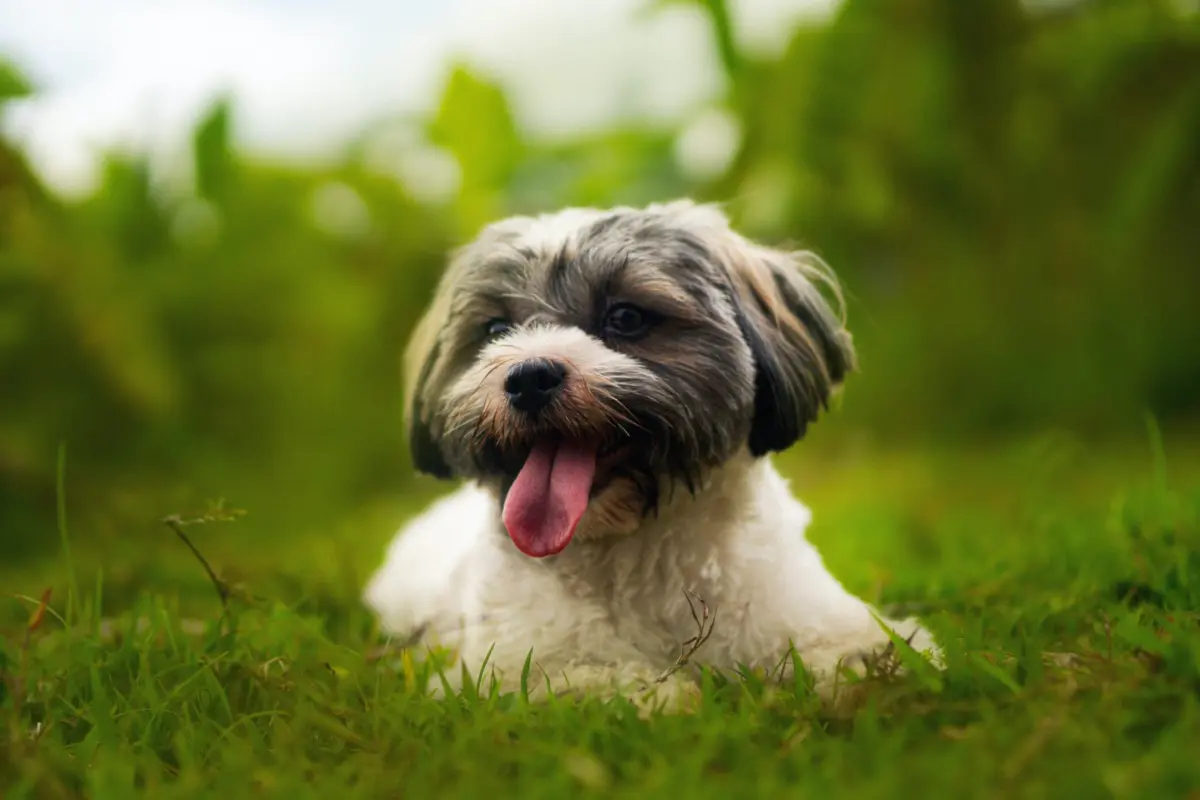
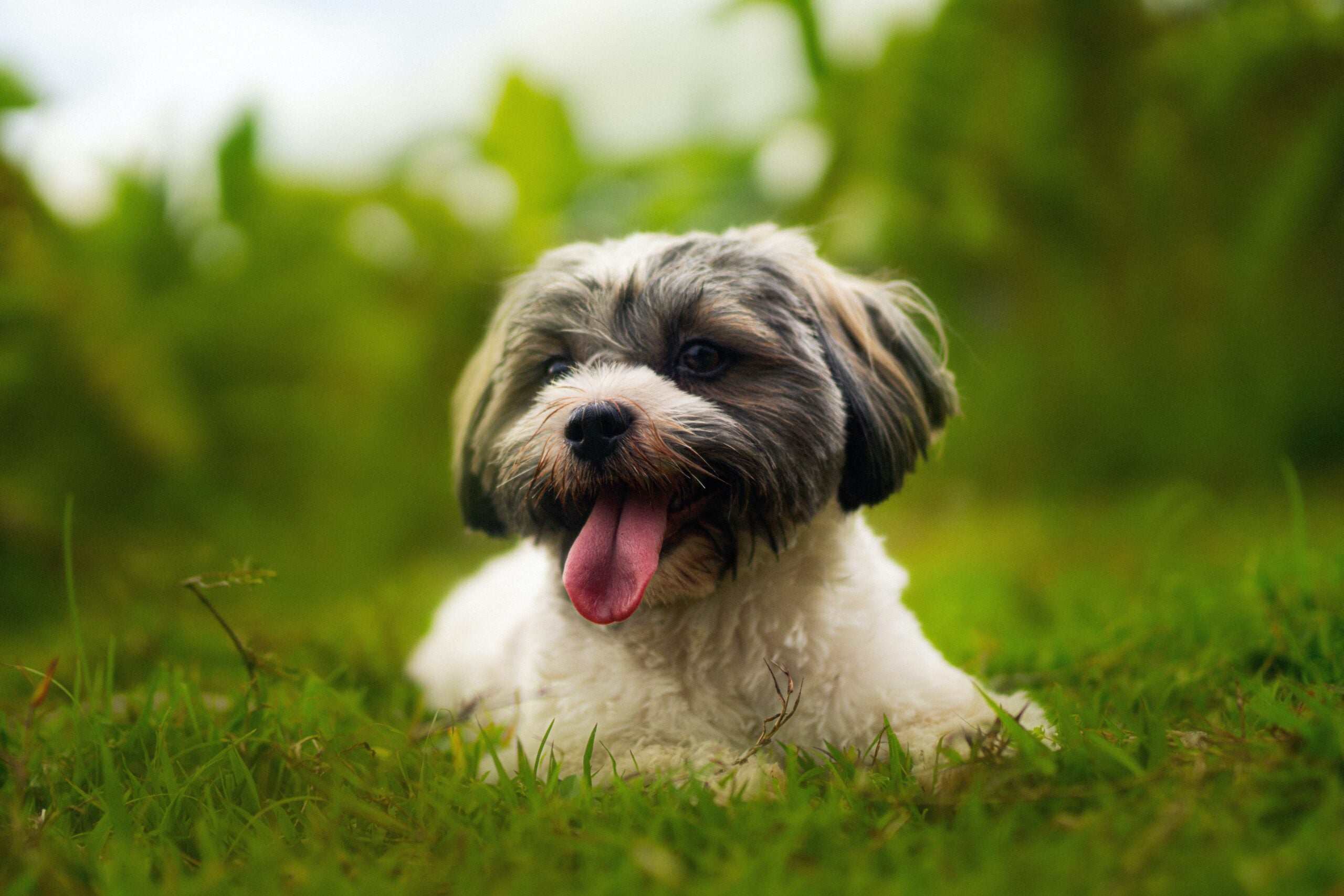
13. Shih Tzu
Group Classification: Toy Group
Historical Origin: Tibet / China
Behavioral Phenotype: Originally kept as palace pets, Shih Tzus are proud, affectionate, and peaceful companions. They possess a relaxed attitude toward stranger interactions and prefer indoor relaxation over outdoor rigor.
Care & Health Considerations:
Exercise & Enrichment: Low (20–30 minutes of casual walking daily).
Grooming Maintenance: High; continuous hair growth requires daily combing or regular professional clipping.
To assist prospective owners and animal welfare professionals in evaluating breed suitability, the following matrix categorizes key behavioral and physiological parameters across the analyzed breeds.
Breed
Exercise Needs (Daily Min)
Grooming Complexity (1–5 Scale)
Shedding Intensity
Average Lifespan (Years)
Key Behavioral Vulnerability
Golden Retriever
60–90
3/5
High
10–12
Separation Anxiety
Cavalier King Charles
30–45
3/5
Moderate
12–14
Hyper-Attachment
Labrador Retriever
90+
2/5
High
11–13
Oral Fixation/Chewing
Bichon Frise
30–60
5/5
Low (Hypoallergenic)
14–16
Vocalization/Barking
Pembroke Welsh Corgi
60+
3/5
High
12–15
Herding/Nipping Instincts
Pug
30
2/5
High
12–15
Heat Intolerance
Cocker Spaniel
60
4/5
Moderate-High
10–14
Environmental Sensitivity
Havanese
30–45
4/5
Low
14–16
Separation Distress
Beagle
60+
1/5
Moderate
12–15
Scent Distraction/Roaming
Newfoundland
45–60
4/5
High
8–10
Space/Thermal Stress
Papillon
45–60
2/5
Low-Moderate
14–16
Physical Fragility
Samoyed
60–90
5/5
High
12–14
Excessive Vocalization
Shih Tzu
20–30
4/5
Low
10–16
Brachycephalic Fatigue
The Physiology of Canine-Human Bonding
The phenomenon of canine affection is supported by quantifiable physiological processes. Neurochemical research confirms that positive interactions between humans and affectionate dogs trigger a mutual surge in oxytocin—the hormone responsible for maternal bonding and social trust.
Oxytocin Elevation: Studies show up to a 130% increase in human oxytocin levels and a 57% increase in canine oxytocin following 15–30 minutes of positive contact.
Stress Reduction: Cortisol (the primary stress hormone) drops significantly in both species during structured physical contact, directly mediating human anxiety and lowering baseline canine fear responses.
Official Statements and Clinical Standards
Veterinary & Behavioral Health Guidelines
American Veterinary Medical Association (AVMA): "Selecting a dog based solely on affective presentation without accounting for exercise, environmental, and genetic health needs frequently results in owner surrender. Responsible acquisition requires matching household activity levels to the breed’s historical workload capacity."
Orthopedic Foundation for Animals (OFA): "Breeds possessing high sociability are often overworked or neglected in physical screening. We advocate that all prospective breeding stock for popular companion breeds undergo rigorous hip, eye, cardiac, and DNA screening to ensure behavioral traits are not offset by debilitating physical pain."
American Kennel Club (AKC) Canine Good Citizen Program: "Temperament is a product of both genetics and environment. While breeds like the Golden Retriever or Cavalier demonstrate baseline affability, early socialization between 3 and 16 weeks of age remains the critical determinant of adult social confidence."
Future Outlook: Trends in Breed Management and Selective Breeding
The landscape of companion animal management is undergoing significant evolution driven by advances in genetics, urbanization, and changing owner demographics.
[Advances in Genomic Selection] ──► Suppression of Hereditary Diseases (e.g., MMVD, IVDD)
                                             │
[Urban Density Growth]          ──► Higher Demand for Low-Activity, Low-Noise Breeds
                                             │
[Breeding Ethics Shift]         ──► Selection for Health Phenotype over Exaggerated Morphology
1. Genomic Health Correction
Selective breeding strategies are transitioning from purely aesthetic criteria to health-focused metrics. DNA sequencing panel tests (e.g., Embark, Optimal Selection) now allow breeders to eliminate autosomal recessive disorders like Progressive Retinal Atrophy and Exercise-Induced Collapse while preserving sociability markers.
2. Mitigation of Brachycephalic and Chondrodysplastic Extremes
Veterinary organizations globally (such as the British Veterinary Association) are exerting pressure to reform breed standards for morphologically extreme companion breeds (e.g., Pugs and Corgis). Future breed standards will emphasize longer muzzles and sounder spinal architecture to improve baseline quality of life without altering friendly behavioral profiles.
3. Urban Adaptation and Behavioral Selection
As urban populations expand, demand is shifting toward small-to-medium companion dogs with lower reactivity, low noise output, and minimal exercise requirements. Breeds such as the Havanese, Cavalier King Charles Spaniel, and Bichon Frise are positioned to gain further popularity due to their compact size and low territorial aggression.
Summary Findings
Dogs noted for their affection bring profound emotional benefits to human households. However, maximizing the success of the human-canine partnership requires aligning behavioral expectations with practical care capabilities. Prospective owners must evaluate grooming commitments, medical vulnerabilities, and physical exercise requirements alongside temperamental preferences to guarantee a safe, fulfilling environment for the animal’s entire lifespan.