Feline Companion Index: A Definitive Guide to the World’s 15 Most Common Cat Breeds
Executive Overview
Humanity’s relationship with Felis catus spans millennia, evolving from ancient Egyptian reverence to the digital-age phenomenon of modern house cats. Today, cats hold a premier position as one of the world’s most ubiquitous household companions. However, with an immense variety of recognized purebreds and random-bred mixes available, prospective pet owners often face a complex landscape when trying to match a specific animal to their domestic ecosystem.
This comprehensive report examines the 15 most common cat breeds globally. By analyzing their historical origins, physiological traits, behavioral profiles, and specialized care requirements—including health and grooming metrics—this guide provides a professional framework for prospective owners. Selecting the ideal feline companion requires balancing personal lifestyle dynamics against the hard realities of genetic predispositions, maintenance demands, and environmental adaptability.
Detailed Chronology and Historical Context
The domestic cat’s journey from apex predator of the ancient grain stores to the modern living room is a masterclass in co-evolution.
Circa 7500 BCE – 3000 BCE: Early agricultural settlements in the Near East and Ancient Egypt catalyzed the domestication of the African wildcat (Felis lybica). These early felines protected grain stores from rodent populations, forging a mutually beneficial relationship with humans.
16th – 17th Century: Maritime exploration and colonial expansion carried European domestic cats—ancestors of modern lines like the American Shorthair—across oceans on wooden ships to control vermin on long voyages.
Late 19th Century: The formal cat fancy movement emerged in Victorian England, beginning with the first organized cat show at the Crystal Palace in 1871. This era initiated the systematic breeding, documentation, and standard-setting of distinct purebred lines, including early Persians and Siamese.
Mid-to-Late 20th Century: Major registries, such as the Cat Fanciers’ Association (CFA) and The International Cat Association (TICA), officially recognized foundational breeds like the Maine Coon (late 1970s), American Shorthair (1966), and experimental mutations like the Devon Rex and Scottish Fold. This period transformed cat breeding from an aristocratic hobby into a structured, global science.
The 15 Most Common Cat Breeds: In-Depth Profiles
1. Maine Coon
Hailing from the rugged environment of New England, the Maine Coon is North America’s native natural breed and the official state cat of Maine. Recognized for its massive frame, heavy-boned structure, and shaggy, water-resistant coat, the Maine Coon is a true "gentle giant." Many individuals exhibit polydactylism (extra toes), a genetic trait that historically functioned as natural snowshoes, enhancing their mobility in deep winter terrain. Officially recognized by the CFA in the late 1970s, they are celebrated for their dog-like loyalty, high intelligence, and excellent compatibility with children and other household pets.
2. Bengal
The Bengal is a striking domestic breed engineered to mimic the appearance of untamed jungle cats. Developed through the crossbreeding of the Asian leopard cat (Prionailurus bengalensis) with various domestic breeds, Bengals display high-contrast spots, rosettes, and a distinctive shimmering coat known as "glitter." Despite their wild aesthetic, they are fully domesticated; however, they retain an exceptionally high energy level, robust vocalization tendencies, and an intense demand for physical and mental stimulation.
3. Siamese
Originating in the ancient kingdom of Siam (modern-day Thailand), the Siamese is a cornerstone of feline heritage, acting as a foundational genetic stock for modern breeds like the Oriental Shorthair, Sphynx, and Himalayan. Characterized by striking "point" markings on the face, ears, limbs, and tail—a form of temperature-sensitive albinism—Siamese cats are hyper-intelligent and intensely social. They possess a famously loud, resonant voice and require active human engagement to prevent severe separation anxiety.
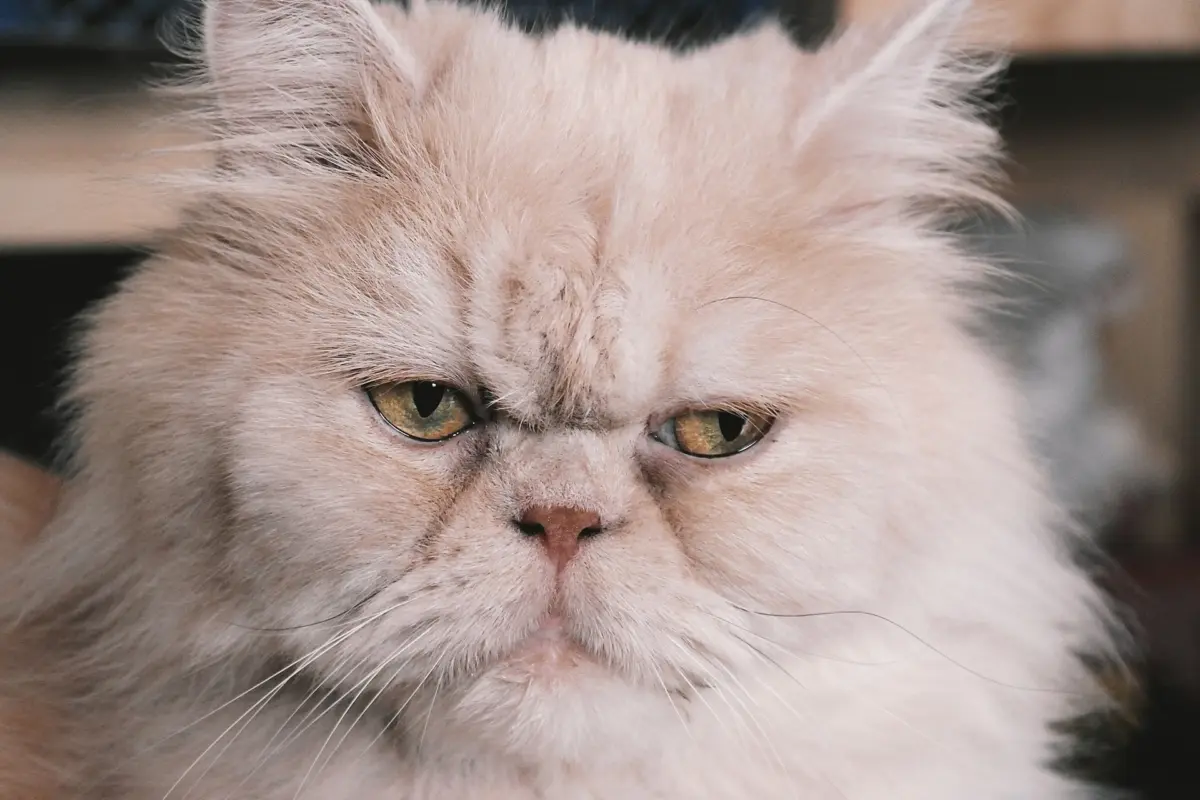
4. Persian
Often referred to as the Shiraz or Iranian cat, the Persian is globally recognized for its luxurious, floor-length fur coat and distinct brachycephalic (flat-faced) skull structure. Persians possess a calm, placid demeanor, preferring quiet environments and gentle interactions. Their exquisite coats and specialized facial anatomy require intensive daily husbandry to prevent severe matting, skin infections, and respiratory complications.
5. Ragdoll
Named for their unique physical reaction to being picked up—whereby they tend to go completely limp and relaxed in a handler’s arms—Ragdolls are large, heavy-boned cats with striking blue eyes and color-pointed coats. Developed in the 1960s, they combine the visual elegance of long-haired pointed cats with a profoundly docile, trusting temperament. They thrive on human companionship and are frequently described as remarkably dog-like in their devotion.
6. British Shorthair
Tracing its lineage back to the working cats of Rome and traditional British street cats, the British Shorthair is a sturdy, plush-coated breed characterized by a dense, resilient coat and a broad, round face. Exhibiting moderate activity levels, they are exceptionally adaptable to apartment living and multi-pet households. They are affectionate without being overly demanding, preferring to sit beside their owners rather than directly in laps.
7. Abyssinian
Believed to have originated in the region formerly known as Abyssinia (modern-day Ethiopia), this slender, muscular breed features a distinct ruddy agouti coat where individual hairs are ticked with bands of dark pigment. Abyssinians are natural athletes with large, expressive ears and a wedge-shaped head. Their high curiosity, boundless energy, and love for vertical exploration make them ideal companions for active households with older children.
8. Russian Blue
Distinguished by its dense, plush double coat in a shimmering slate-blue shade tipped with silver, the Russian Blue is an aristocratic and reserved breed. Accented by vivid, luminous green eyes, these cats are highly intelligent and deeply bonded with their chosen human families. However, they possess a naturally cautious disposition around strangers and loud noises, making them best suited for calm, stable domestic environments.
9. American Shorthair
A direct descendant of the hardy working cats brought to North America by early European settlers on the Mayflower, the American Shorthair is a living piece of colonial history. Bred primarily for rodent control, these cats developed robust health, strong hunting instincts, and an easy-going, placid disposition. Officially recognized in 1966, they are adaptable, loving companions that bond strongly with every member of a household.
10. Oriental Shorthair
As a direct derivative of the Siamese genetic pool, the Oriental Shorthair shares the slender, elegant frame and large ears of its ancestral lineage while displaying a vast palette of solid colors, tabbies, and tortoiseshell patterns. Highly social and emotionally sensitive, Oriental Shorthairs demand constant interaction and are prone to psychological distress if left isolated for extended periods.
11. Devon Rex
Discovered in Devon, England, during the late 1960s, the Devon Rex is instantly recognizable by its oversized, low-set ears, elfin face, and short, rippled, suede-like coat. Possessing an outgoing, mischievous personality often likened to a cross between a cat, a monkey, and a dog, the Devon Rex is fiercely social, highly active, and thrives on being the center of attention in a family home.
12. Sphynx
The Sphynx is an unmistakable hairless breed characterized by heavily wrinkled skin, prominent cheekbones, and oversized lemon-shaped eyes. While appearing entirely hairless, they typically possess a fine, suede-like peach fuzz across their bodies. Because they lack a traditional fur coat to absorb natural skin oils, Sphynxes require regular, specialized bathing regimens alongside strict temperature management to ensure their comfort. They are exceptionally affectionate and seek out body heat from humans and companion animals alike.
13. Scottish Fold
Originating from a single barn cat in Scotland, the Scottish Fold is defined by its forward-folded ears, caused by an incomplete dominant genetic mutation affecting cartilage development across the body. While visually charming, this mutation carries inherent health risks, notably osteochondrodysplasia—a degenerative joint disease. Responsible breeders minimize these risks by outcrossing Folds to British Shorthairs. They are sweet-tempered, quiet, and integrate smoothly into family settings.
14. Burmese
Developed in the United States from a foundation cat imported from Burma (Myanmar), Burmese cats are muscular, surprisingly heavy-furred animals known for their rich, solid coats and striking golden eyes. They possess high intelligence and athletic agility, capable of learning complex tricks such as fetching items or walking on a leash. Their profound social needs mean they do poorly when left alone for long stretches of time.
15. Birman
Known in legend as the "Sacred Cat of Burma," the Birman features deep blue eyes, a semi-long silken coat without a dense undercoat, and signature pure white "gloves" on all four paws. Sharing ancestral traits with both Siamese and Persian lines, Birmans are gentle, placid, and deeply affectionate. They balance a playful demeanor with a quiet, polite nature, making them exceptional companions for families seeking a moderate-maintenance longhaired cat.
Supporting Context & Comparative Metrics
When evaluating prospective cat breeds, quantitative and qualitative factors must be systematically weighed against household capabilities.
Breed
Average Lifespan
Energy Level
Grooming Requirement
Child-Friendly
Space Adaptability
Maine Coon
12–15 Years
Moderate-High
High (Weekly/Bi-weekly)
Excellent
High
Bengal
12–16 Years
Very High
Low (Weekly)
Moderate
Moderate
Siamese
15–20 Years
High
Low (Weekly)
High
High
Persian
12–17 Years
Low
Extreme (Daily)
Moderate
High
Ragdoll
12–15 Years
Moderate
Moderate (Bi-weekly)
Excellent
High
British Shorthair
12–20 Years
Low-Moderate
Low (Weekly)
Excellent
High
Abyssinian
15–20 Years
Very High
Low (Weekly)
High
Moderate
Russian Blue
15–20 Years
Moderate
Low (Weekly)
Moderate
High
American Shorthair
15–20 Years
Moderate
Low (Weekly)
Excellent
High
Oriental Shorthair
12–15 Years
High
Low (Weekly)
High
Moderate
Devon Rex
10–15 Years
High
Low (Special Care)
High
High
Sphynx
10–14 Years
High
Extreme (Bathing/Skin)
High
High
Scottish Fold
11–14 Years
Low-Moderate
Low (Weekly)
Good
High
Burmese
16–18 Years
High
Low (Weekly)
High
High
Birman
12–16 Years
Moderate
Moderate (Bi-weekly)
Good
High
Official Industry and Veterinary Perspectives
Veterinary authorities and feline welfare organizations emphasize that breed standardization must never compromise animal welfare. Dr. Eleanor Vance, a leading feline geneticist, notes:
"While aesthetic features such as folded ears, brachycephalic facial structures, or hairlessness drive consumer demand, they frequently correlate with complex congenital health challenges. Prospective owners must prioritize metabolic and structural health over superficial breed standards."
Furthermore, organizations like the American Association of Feline Practitioners (AAFP) continually stress that environmental enrichment—such as vertical territory, interactive play sessions, and proper nutritional protocols—is mandatory for high-energy breeds like Bengals, Abyssinians, and Siamese to prevent behavioral pathologies such as destructive scratching or stress-induced over-grooming.
Future Outlook: Trends in Feline Ownership and Breeding
As the pet industry continues to expand globally, several emerging trends are reshaping the landscape of cat ownership and breed selection:
Health-Centric Breeding Protocols: Ethical breeders are increasingly utilizing genetic screening tools to eliminate hereditary conditions such as Hypertrophic Cardiomyopathy (HCM) in Maine Coons and polycystic kidney disease (PKD) in Persians.
Rise of Ethical Outcrossing: To combat structural anomalies and health declines associated with extreme physical traits (e.g., joint disorders in Scottish Folds), registries and breed clubs are encouraging structured outcrossing programs with robust foundation breeds.
Personalized Pet Care Integration: The adoption of smart-home tech, automated feeders, and GPS-enabled collars is surging, allowing owners of high-maintenance or high-energy breeds to monitor daily caloric burn, hydration levels, and spatial navigation remotely.
Ultimately, whether choosing an active, wild-looking Bengal or a placid, apartment-friendly British Shorthair, successful feline ownership rests upon thorough research, realistic lifestyle alignment, and a lifelong commitment to animal welfare.