
Executive Overview
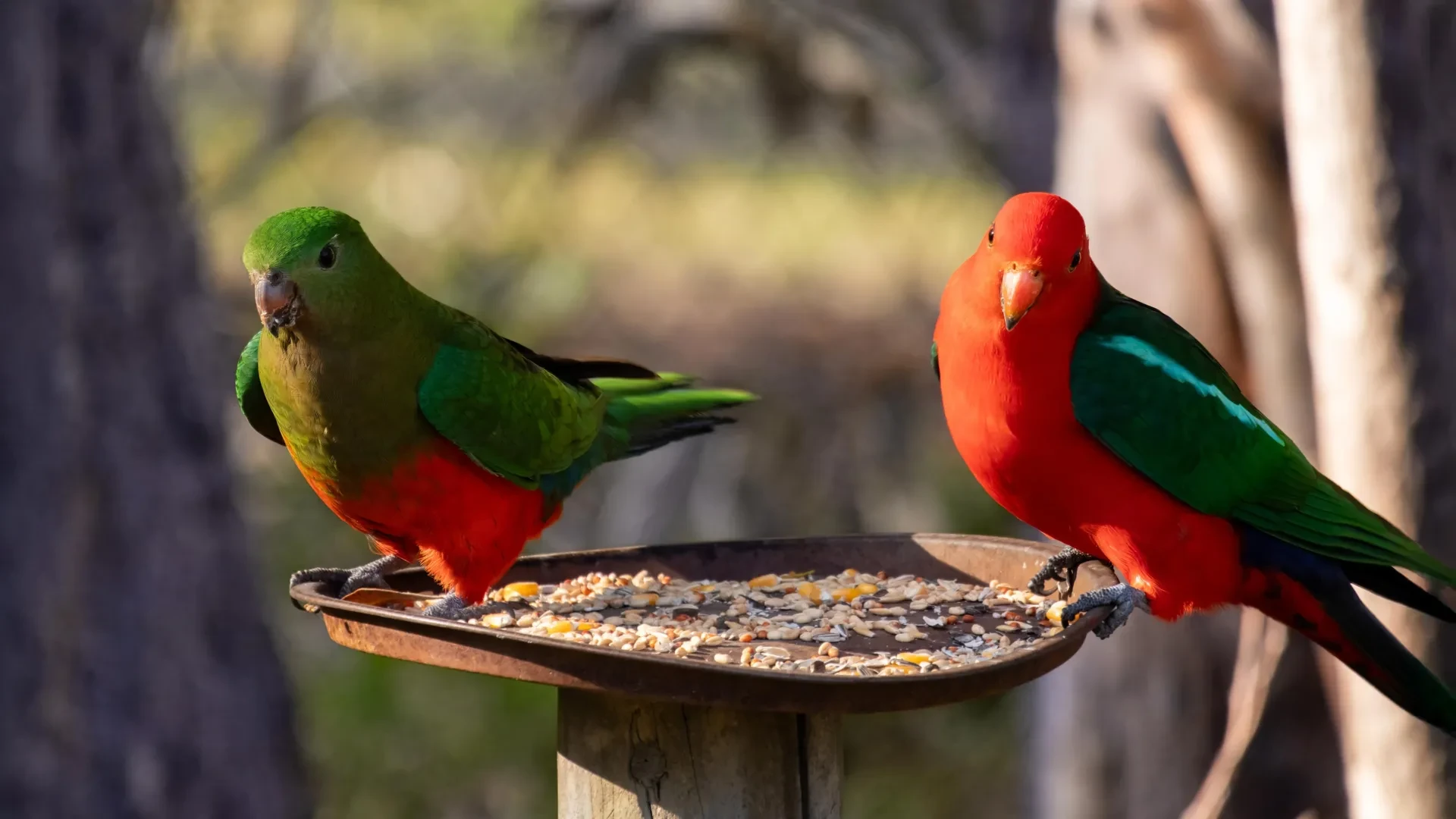
Backyard bird feeding stands as one of Australia’s most widespread and cherished pastimes. Recent estimates indicate that roughly half of all Australian households regularly offer supplementary food to wild birds, with a significant proportion of these wildlife enthusiasts doing so on a daily basis. Driven by deep compassion, a desire to connect with nature, and the intention to help avian species navigate harsh environmental conditions, millions of Australians scatter seeds, grains, and meat scraps across their lawns, balconies, and back decks.
However, this deeply ingrained cultural habit is facing fierce scrutiny from conservationists, virologists, and biosecurity experts. As the highly pathogenic avian influenza (HPAI)—specifically the deadly H5N1 strain—makes its grim, inexorable march across the Australian continent, public health and ecological professionals are issuing urgent warnings. Backyard feeding stations, long viewed as harmless hubs of human-wildlife interaction, possess all the necessary ingredients to act as potent biological super-spreader events.
By artificially concentrating diverse, high-density populations of wild birds into confined residential spaces, backyard feeders create ideal transmission hotspots. Here, the H5N1 virus can easily pass between different species, amplifying infection rates and threatening both vulnerable bird populations and native mammals. While the direct risk of human infection remains statistically low, the structural danger posed by localized feeding sites could profoundly worsen Australia’s unfolding wildlife health crisis.
This in-depth report explores the intersecting factors of the H5N1 outbreak, the ecological consequences of backyard feeding, the mechanisms of disease transmission, and the critical steps citizens must take to protect both local fauna and public health.
Detailed Chronology: The Arrival and Escalation of H5N1 in Australia
For years, Australia remained an isolated sanctuary, uniquely shielded by geography from the devastating global waves of the H5N1 avian influenza strain. While North America, Europe, Asia, and parts of South America suffered catastrophic ecological losses—with hundreds of millions of wild birds and tens of thousands of mammals perishing from the virus—Australia’s remote positioning offered a temporary protective buffer.
That protective barrier has officially been breached. The timeline of H5N1’s arrival and escalation across the Australian landscape reveals a rapid, alarming escalation that has caught biosecurity agencies on high alert:
- Initial Detection and Early Trans-Oceanic Spread: Following migratory patterns and wind currents, early indicators of the virus began appearing in surrounding island territories and sub-Antarctic regions, signaling an impending continental incursion.
- The Avian Toll Mounts: The virus quickly crossed into mainland coastal and wetland environments, where high-density waterbird populations congregating in shared habitats served as early vectors.
- Mass Mortality Events: The crisis deepened drastically when authorities linked more than 1,000 crested tern deaths to the H5N1 strain across multiple mass mortality sites. These catastrophic die-offs demonstrated the virus’s devastating efficiency within colonial nesting and roosting species.
- The Mammalian Threshold: The crisis reached a terrifying milestone with the confirmation of the first H5N1-related death in an Australian mainland mammal—a long-nosed fur seal. This confirmed fears that the virus was successfully breaking the species barrier among local fauna, mirroring the catastrophic mammalian spillover events previously documented globally in sea lions, foxes, and mink.
This rapid escalation from isolated overseas reports to localized, mass-mortality events on Australian soil underscores the fragility of the nation’s current ecological baseline. As the virus finds new hosts, every unmanaged aggregation point for wildlife—including residential backyards—represents an active vulnerability in the national biosecurity defense.
Supporting Context & Metrics: The Science of Transmission and Feeding Behaviors
To understand why backyard bird feeding represents such an acute danger during an H5N1 outbreak, one must examine the baseline statistics of the practice and the biological mechanics of the virus.
The Scale of Backyard Feeding in Australia
Research consistently demonstrates that roughly 50% of Australian households engage in some form of wild bird feeding. This activity peaks in metropolitan and suburban interfaces where human development encroaches on native bushland. While participants view this as a vital lifeline for wildlife—especially during droughts, bushfires, and urban expansion—scientific literature reveals a more nuanced reality:
- Nutrition vs. Snacks: Extensive ecological studies indicate that most wild birds visiting backyard feeders derive the vast majority of their daily caloric intake from natural sources, such as insects, nectar, seeds, and worms. The food provided by humans functions primarily as a high-calorie supplement or snack rather than an essential, irreplaceable meal.
- Unsuitable Diets: Beyond disease risks, feeding practices are frequently controversial because well-meaning citizens often offer inappropriate foods (such as processed bread, processed meats, or high-sugar mixes) that lead to nutritional deficiencies, skeletal deformities in growing chicks, and dangerous behavioral dependencies on humans.
The Mechanics of a "Super-Spreader" Micro-Environment
In nature, most wild bird species maintain natural spacing and territorial boundaries that naturally limit the velocity of disease transmission. When humans introduce artificial feeding stations, however, those natural parameters are completely upended:
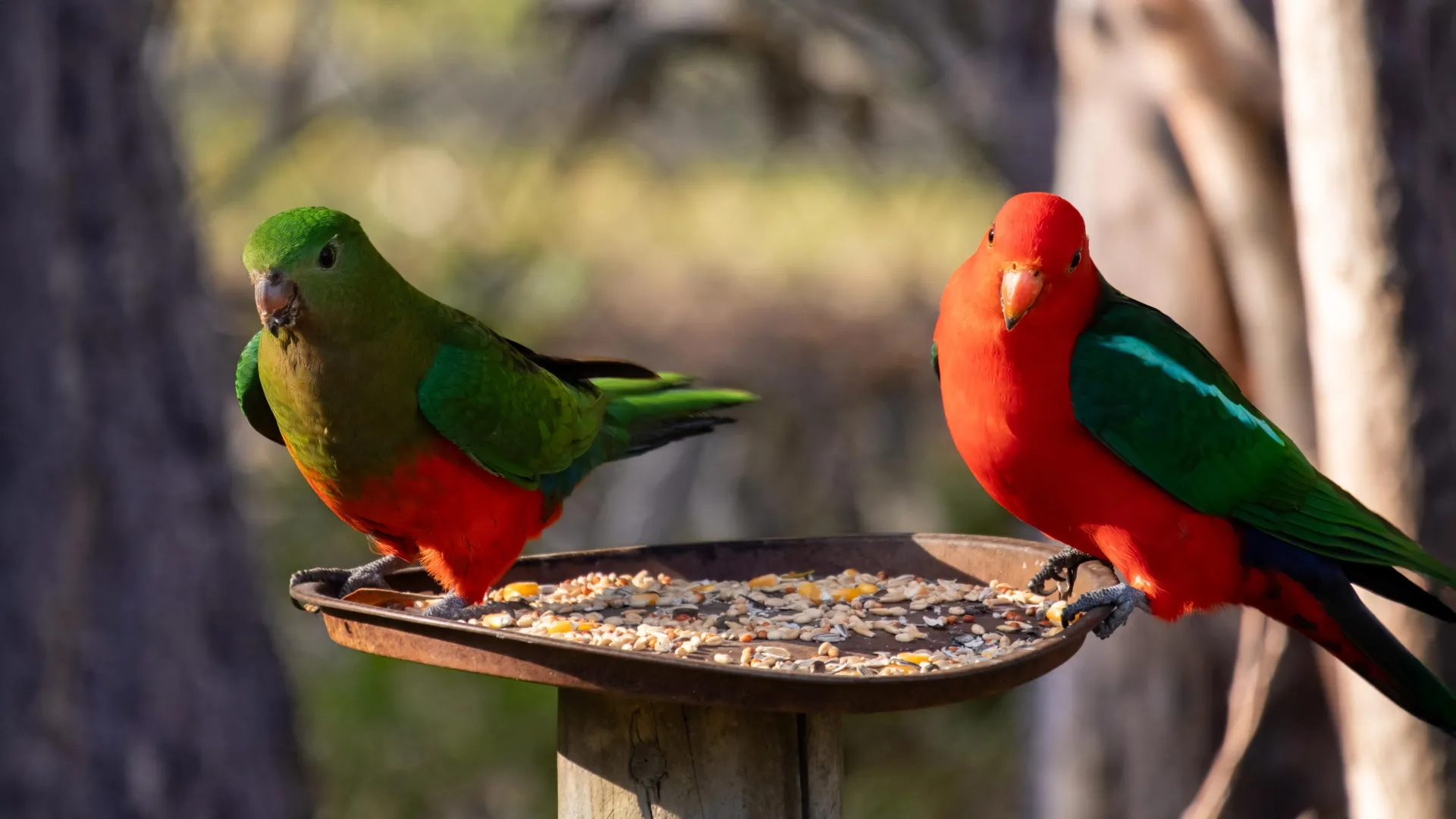
- Heterogeneous Mixing: Feeders draw together a vast array of species—ranging from silver gulls and rainbow lorikeets to currawongs, cockatoos, and doves—that would rarely congregate in such close physical proximity under natural conditions.
- Contaminated Surfaces: The physical structures of bird baths, seed trays, and perches become shared contact points. Saliva, nasal secretions, and fecal droppings from an infected individual quickly contaminate these surfaces.
- Viral Longevity: The H5N1 virus can persist in the environment under specific temperature and moisture conditions, allowing it to infect subsequent visitors long after the initial carrier has departed.
Scavengers and the Cross-Species Chain Reaction
The threat does not stop with avian species. Scavenging animals—including introduced red foxes, native possums, and corvids like crows and ravens—frequently patrol suburban backyards in search of easy meals. When these scavengers feed on the carcasses of birds that have succumbed to H5N1, they expose themselves directly to massive viral loads.
This dynamic creates a dangerous bridge between infected bird populations and terrestrial mammals, increasing the likelihood of mutations that could enhance mammalian transmission efficiency. While human infections remain rare and typically manifest with mild symptoms, wildlife carers, veterinarians, and individuals in close, unprotected contact with sick or dying fauna face elevated occupational risks.
Official Statements & Expert Recommendations
As the H5N1 crisis intensifies, Australian conservation councils, biosecurity departments, and wildlife health organizations have unified their messaging. The consensus among experts is clear: while backyard bird feeding is rooted in kindness, it must be radically re-evaluated in the face of a pandemic-level wildlife threat.
Dr. Sarah-Jane Henderson, a leading avian epidemiologist, notes:
"When we put out food, we are essentially building communal hubs for wildlife. In the middle of an H5N1 epizootic, these feeding stations act as high-speed transmission highways. We are inadvertently bringing susceptible animals together in numbers that allow the virus to jump barriers and spread exponentially."
The Biodiversity Council and state departments of primary industries have outlined a clear hierarchy of safety protocols for the public. These guidelines are designed to mitigate risks while balancing the emotional attachment citizens have to their local garden wildlife:
- Primary Recommendation – Cessation: The single most effective strategy to prevent backyard-driven transmission is to stop feeding wild birds entirely. Without artificial food attractants, birds disperse naturally across their broader home ranges, drastically lowering contact rates and adhering to natural social distancing.
- Alternative Mitigation – Drastic Reduction: For those unwilling or psychologically unready to halt feeding completely, experts advise cutting the volume of food to an absolute minimum. Sparse food availability discourages dense congregations, preventing the mobbing behaviors seen at fully stocked trays.
- Abolishing Hand-Feeding: Direct physical interaction—such as enticing birds to take seeds or meat directly from human fingers—must cease immediately. While human susceptibility to H5N1 is currently low, the skin-to-beak contact and proximity to respiratory aerosols represent an unnecessary and dangerous gamble.
- Rigorous Hygiene Protocols: Anyone maintaining a bird feeder must treat the equipment with the same biosecurity rigor applied in laboratory or agricultural settings. All surfaces must be scrubbed and disinfected regularly using properly diluted domestic bleach solutions. Experts stress a strict rule: If you are not prepared to rigorously and consistently clean feeding equipment, you should not be feeding wild birds at all.
Future Outlook: Navigating the New Normal for Australian Wildlife
The emergence of H5N1 on the Australian mainland marks a sobering turning point for the nation’s unique biodiversity. Australia’s isolated ecosystems, which harbor a high proportion of endemic species found nowhere else on Earth, are uniquely vulnerable to novel pathogens. Iconic and already threatened populations—such as the critically endangered orange-bellied parrot—face an unprecedented existential pressure should the virus penetrate their remaining breeding and foraging grounds.
Looking ahead, public behavior will play a decisive role in shaping the trajectory of this crisis. Managing the H5N1 outbreak requires a cultural shift in how humans interact with urban wildlife. Compassion for nature must evolve from a paradigm of direct intervention and artificial provisioning to one of habitat preservation, passive observation, and strict biosecurity vigilance.
Public awareness campaigns must emphasize that true stewardship of the natural world sometimes means stepping back. By reducing our reliance on backyard feeding, maintaining rigorous hygiene standards, and remaining vigilant, Australian communities can help flatten the curve of H5N1 transmission, safeguarding both domestic safety and the fragile future of the continent’s remarkable wildlife.
Emergency Reporting Protocol
If you encounter sick, distressed, or dead wild birds or marine mammals, do not touch them under any circumstances. Immediately record the precise location, take photographs from a safe distance, secure your domestic pets indoors, and report the sighting to the Emergency Animal Disease Hotline on 1800 675 888 (Australia).