
Executive Overview
Backyard bird feeding is deeply embedded in the cultural fabric of Australia. Research indicates that approximately half of all Australian households participate in the practice, with millions of citizens tossing seed, suet, and kitchen scraps onto lawns, decks, and balconies daily. Driven by a genuine desire to nurture local wildlife, connect with nature, and assist avian populations through seasonal hardships, this pastime has long been viewed as a benign, even benevolent, hobby.
However, the arrival and rapid escalation of the highly pathogenic avian influenza (HPAI) H5N1 virus on Australian shores has fundamentally altered this calculus. Biosecurity experts, wildlife ecologists, and conservation scientists are now sounding an urgent alarm: suburban bird-feeding stations are inadvertently operating as ecological superspreader events. By artificially congregating dense, multi-species flocks of wild birds into confined backyard spaces, feeding stations create unprecedented transmission hotspots for a deadly pathogen that has already decimated international wildlife populations and is now tightening its grip on Australia’s native fauna.
The stakes could not be higher. Recent mass mortality events—including the deaths of over 1,000 crested terns and the historic first detection of H5N1 in an Australian mainland marine mammal, a long-nosed fur seal—underscore a grim new reality. While human infections remain rare and typically mild, the amplification of the virus within domestic environments threatens not only already vulnerable bird species, such as the critically endangered orange-bellied parrot, but also scavenging mammals and domestic pets.
This investigative report examines the intersection of suburban compassion and modern biosecurity. Through an exploration of the chronology of H5N1’s Australian arrival, epidemiological metrics, expert perspectives, and actionable mitigation strategies, we evaluate why the traditional backyard bird feeder may be Australia’s most overlooked epidemiological risk, and what citizens must do to prevent an ecological catastrophe.
Detailed Chronology of an Epidemic: H5N1’s Arrival and Spread in Australia
For decades, Australia remained the world’s last major landmass largely insulated from the devastating global strains of Highly Pathogenic Avian Influenza. While North America, Europe, Asia, and South America reeled from successive waves of the H5N1 lineage—losing hundreds of millions of poultry and countless wild birds—isolation offered the Australian continent a fragile reprieve. That geographic shield has now been breached.
The Initial Incursions and Global Context
The modern trajectory of H5N1 is rooted in the 2.3.4.4b lineage, a clade of the virus that emerged with unprecedented lethality, crossing ecological barriers to infect not just aquatic birds, but raptors, scavengers, and terrestrial mammals. As migratory pathways converged, the virus swept across the globe, fundamentally shifting from a seasonal agricultural concern into a permanent, panzootic wildlife crisis.
When the virus finally breached Australia’s remote outer islands and made landfall on the mainland, it moved with terrifying speed. The virus exploits the interconnected nature of modern ecosystems, moving along flyways and coastal corridors where seabirds and migratory shorelines overlap.
The Turning Point: Mass Mortalities and Mammalian Spillovers
The severity of the current Australian outbreak crystallized through a series of devastating mortality events. Most notably, biosecurity authorities recorded the deaths of over 1,000 crested terns in a single cluster, an epidemiological shockwave that signaled high viral loads within coastal avian communities.
The crisis deepened further with the confirmation of H5N1 in a long-nosed fur seal found on the Australian mainland. This marked the first documented fatal spillover of the virus into a mainland Australian marine mammal—a grim milestone that mirrors catastrophic marine mammal die-offs previously witnessed in South America and the sub-Antarctic islands. When an avian virus successfully adapts to cross the species barrier into mammalian biology, the risk profile shifts dramatically, raising legitimate concerns regarding viral evolution and mammalian-to-mammalian transmission dynamics.
As infected wild birds traverse agricultural zones, wetlands, and suburban fringes, they drop into familiar urban landscapes. It is precisely at this juncture that backyard bird feeding transforms from a private act of kindness into a dangerous epidemiological conduit.
Supporting Context & Metrics: The Science of Suburban Superspreading
To understand why backyard feeding accelerates the spread of H5N1, one must examine the behavioral ecology of wild birds and the mechanics of viral transmission.
The Mechanics of a Suburban Transmission Hotspot
In a natural environment, wild birds are spatially distributed. While flocks form naturally around abundant food sources like wetlands, fruiting trees, or grasslands, these natural resources rarely concentrate dense assemblages of mixed species in the tight, static radiuses typical of suburban backyards.
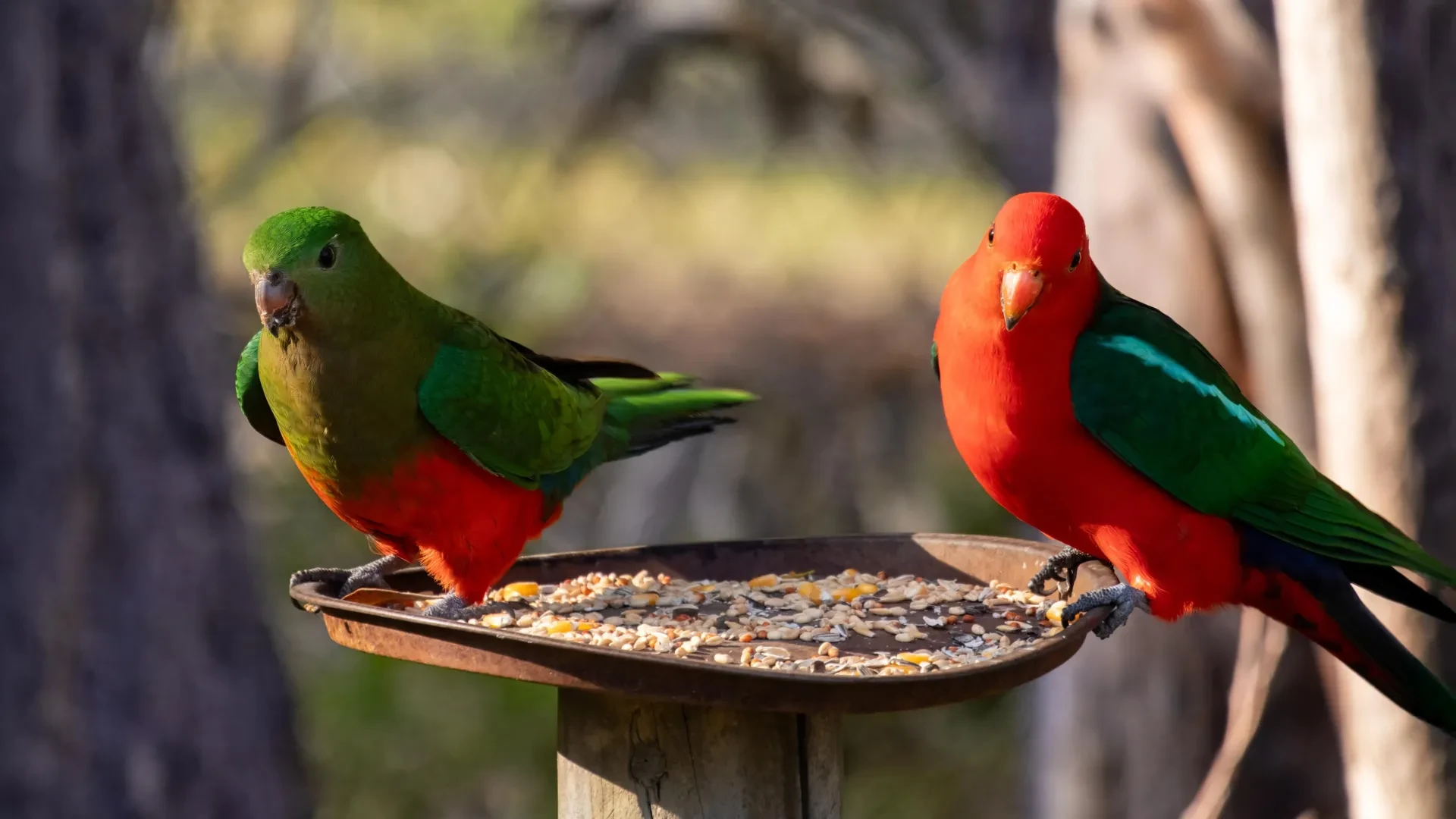
When a homeowner fills a plastic tray or hanging feeder with seeds, grains, or meat scraps, they manufacture an artificial convergence zone. Birds of various families—ranging from lorikeets and cockatoos to currawongs, doves, and opportunistic waterbirds—converge on a single focal point.
[Infected Wild Bird Sheds Virus]
       │
       ▼
[Visits Backyard Feeder & Contaminates Surface/Food]
       │
       ▼
[Multiple Species Congregate & Ingest/Inhale Pathogen]
       │
       ▼
[Birds Disperse Across Suburbs & Ecosystems] ──► [Widespread Panzootic Amplification]
At these feeding stations, viral shedding from a single infected individual—via saliva, nasal secretions, or feces deposited directly onto feeding surfaces—can expose dozens, if not hundreds, of healthy animals within hours. The food itself becomes a fomite, while perches and water basins serve as transmission vectors.
Nutritional Reality vs. Human Perception
A common misconception among wildlife enthusiasts is that backyard feeding is essential for the survival of local bird populations. Comprehensive ornithological research demonstrates otherwise.
Long-term ecological studies indicate that the vast majority of birds visiting backyard feeders obtain the vast majority of their nutritional requirements from natural landscapes, foraging on native seeds, nectar, insects, and worms. The bread, seeds, and scraps provided by humans act primarily as high-calorie snacks rather than vital sustenance.
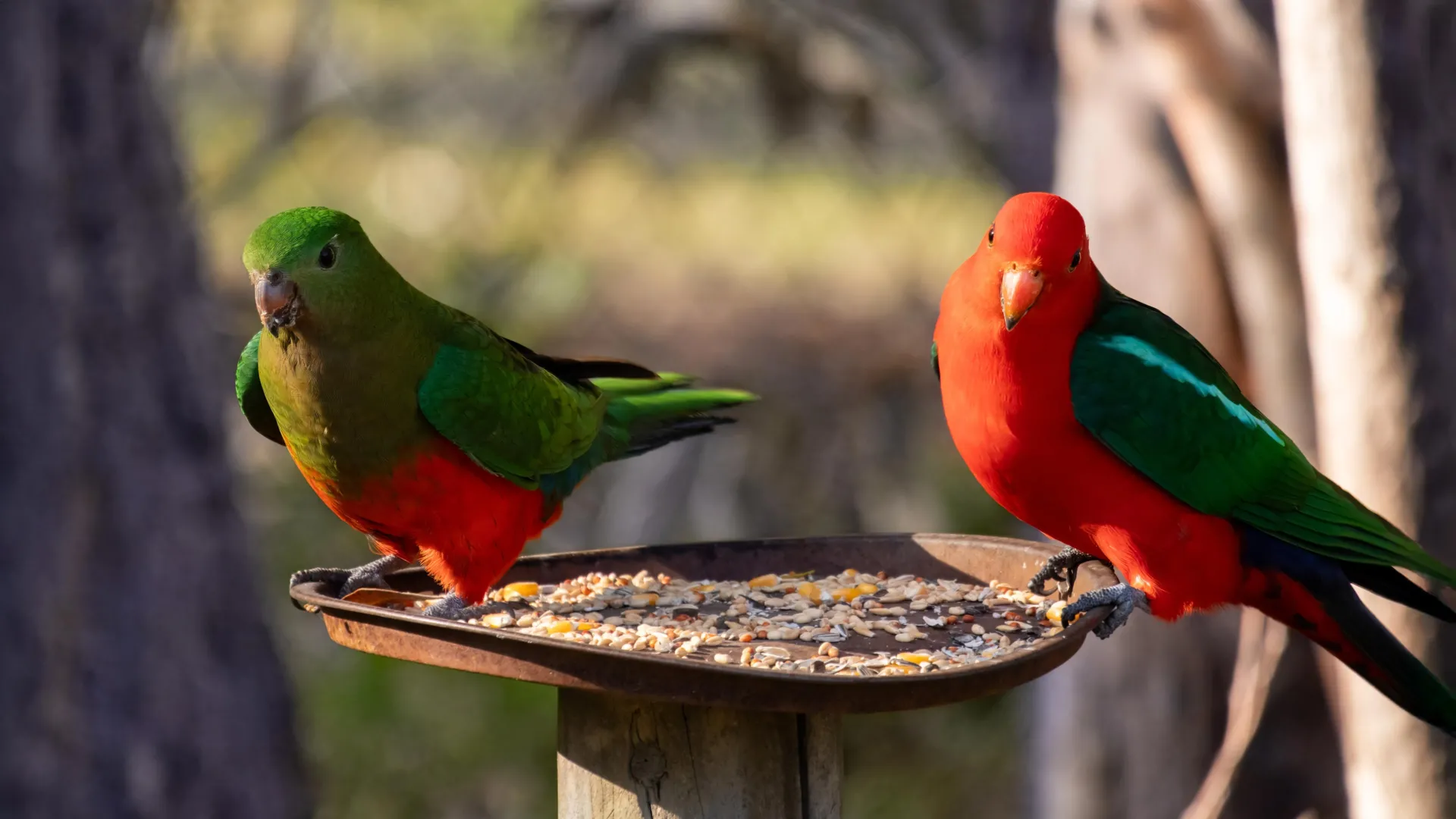
Unfortunately, these snacks carry a catastrophic hidden cost. By luring birds into high-density backyard environments, feeders amplify the transmission rates of pathogens that thrive in crowded conditions, short-circuiting natural population controls and accelerating the spread of lethal viral loads.
The Multi-Species and Cross-Kingdom Threat
The danger of H5N1 is not restricted to the birds that directly visit feeders. Urban and suburban ecosystems function as complex food webs where secondary and tertiary species interact closely with human habitation.
- Scavenging Mammals: Possums, red foxes, feral cats, and urban-adapted corvoids (such as crows and ravens) frequently scavenge for leftover food or prey upon sick, disoriented birds lingering around residential yards. When these scavengers consume infected carcasses, they ingest high concentrations of the virus, expanding the epidemiological footprint of the outbreak.
- Threatened and Endangered Species: Australia is home to fragile endemic populations already teetering on the edge of extinction. Species such as the orange-bellied parrot—which migrates across southeastern Australia and is critically endangered—face an existential threat if H5N1 infiltrates their remaining flocks. A single localized outbreak magnified by artificial feeding could wipe out a significant percentage of a critically endangered cohort.
- Human Interface: While human infections with H5N1 remain rare and predominantly result in mild conjunctivitis or respiratory symptoms among individuals with direct, intensive exposure to sick livestock or wildlife (such as poultry workers, wildlife carers, and veterinarians), the presence of high-viral-load environments in residential backyards inevitably elevates the baseline probability of zoonotic crossover events.
Official Statements and Expert Perspectives
As the H5N1 crisis unfolds across Australia, leading scientific bodies, conservation councils, and biosecurity agencies have united around a clear message: business as usual in the backyard is no longer tenable.
The Biodiversity Council and Ornithological Consensus
The Biodiversity Council, alongside prominent Australian ornithologists and biosecurity experts, has issued explicit guidelines urging citizens to reevaluate their relationship with wildlife feeding. In a joint advisory statement, experts emphasized that the voluntary provision of food to wild birds directly undermines national efforts to contain avian influenza.
"Feeding wild birds heightens the risk of disease transmission at feeding locations. When we offer supplementary food, we attract birds of many different species in a combination and number that would not happen in nature. This can create a transmission hotspot right on our back deck."
— Biosecurity & Wildlife Health Taskforce Expert Panel
Public Health Agencies on Zoonotic Risk
Public health authorities, including state health departments and the federal Department of Agriculture, Fisheries and Forestry (DAFF), maintain active surveillance protocols. While current risk assessments indicate that the immediate threat to the general public remains low, authorities stress that complacency is dangerous.
The federal Emergency Animal Disease Hotline has recorded a surge in public inquiries regarding sick and dying wildlife. Officials reiterate that while human-to-human transmission of H5N1 is virtually non-existent, direct physical handling of infected wildlife or carcasses without appropriate personal protective equipment (PPE) represents an unacceptable risk profile.
Future Outlook: Navigating the New Normal of Wildlife Biosecurity
The establishment of H5N1 in Australia signals a permanent shift in our environmental landscape. Much like environmental biosecurity challenges in agriculture, wildlife disease management must now become a daily consideration for ordinary citizens.
The Path Forward: Three Tiers of Action
Conservation scientists and animal welfare organizations do not advocate for the abandonment of care for nature; rather, they advocate for a redirection of compassion toward measures grounded in contemporary science.
1. The Gold Standard: Cessation of Feeding
The most effective, scientifically backed strategy to mitigate backyard transmission is to stop feeding wild birds altogether. Without the artificial draw of supplemental food, birds will disperse into their natural foraging habitats. Far from starving, these animals will readily rely on native flora, insects, and ecological food webs. Removing the feeder eliminates the central gravitational pull that creates dangerous multi-species congregations.
2. Risk Reduction: Moderation and Social Distancing for Wildlife
For individuals emotionally unprepared to cease feeding immediately, adherence to strict biosecurity protocols is mandatory:
- Offer Significantly Less Food: Restrict quantities to absolute minimums to prevent large, dense flocks from gathering. Smaller numbers of visiting birds reduce the transmission mechanics of close-contact pathogens.
- Cease All Hand-Feeding: The intimate act of encouraging a wild bird to land on a hand or shoulder must be strictly prohibited during an active avian influenza panzootic. The physical proximity presents an unnecessary transmission vector.
- Rigorous Sanitation Standards: Feeders, tables, and water baths must be disinfected regularly using standard domestic bleach solutions and thoroughly rinsed. Experts note a hardline rule: If you are not prepared to rigorously clean feeding equipment daily, you have a moral and biological obligation not to feed them at all.
3. Community Vigilance and Reporting Protocols
Public participation remains vital for early detection and containment. State and federal agencies rely on citizen reporting to track viral mutation and geographic spread.
Conclusion
Backyard bird feeding has long provided millions of Australians with a restorative, joyful connection to the natural world. Yet, the arrival of H5N1 demands a mature, scientifically literate evolution in how we interact with our feathered neighbors. Continuing old feeding habits in the face of a deadly wildlife panzootic risks turning suburban gardens into inadvertent engines of ecological destruction.
By understanding the mechanics of superspreader events, respecting expert guidelines, and prioritizing biosecurity over sentimentality, Australians can protect both their local wildlife populations and human communities from the worst impacts of this unfolding crisis.
Emergency Action Checklist
- DO NOT touch or handle sick, distressed, or dead wild birds or marine mammals.
- RECORD the precise location of any suspected wildlife mortality event.
- DOCUMENT sightings with photographs taken from a safe distance.
- KEEP domestic pets (dogs and cats) strictly away from carcasses and sick wildlife.
- REPORT sightings immediately to the Emergency Animal Disease Hotline on 1800 675 888 (Australia).